Is the Outdoorsy Fishing Rod Better
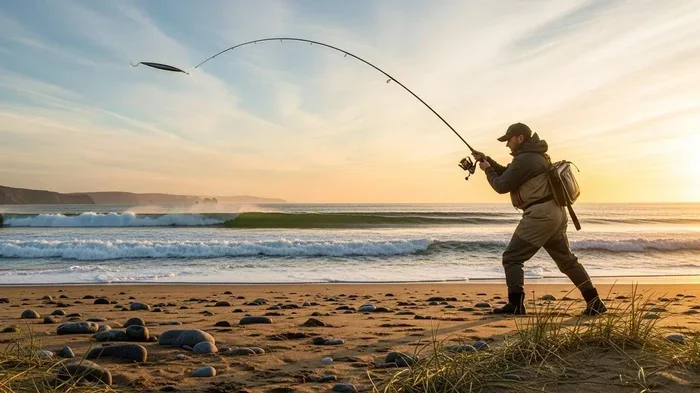
The outdoorsy fishing rod has gained popularity among casual and serious anglers alike. But is it truly better than standard rods? This guide breaks down the key features, materials, and real-world performance to help you decide if an outdoorsy fishing rod is the right pick for your next trip.
Have you been hearing a lot about the outdoorsy fishing rod lately? Maybe you saw one at your local tackle shop or read a review online. The question on every angler’s mind is simple: is the outdoorsy fishing rod actually better than what you already have?
The short answer is: it depends on what you fish for and where you fish. But the longer answer is much more interesting. An outdoorsy fishing rod is designed with versatility in mind. It tries to do many things well instead of excelling at just one. For casual anglers and weekend warriors, that can be a game-changer.
In this article, we will dive deep into what makes an outdoorsy fishing rod stand out. We will look at the materials, the design, the performance, and the downsides. By the end, you will know exactly whether this type of rod belongs in your tackle box.
Key Takeaways
- Versatile Design: The outdoorsy fishing rod is built for multiple fishing styles, making it a great all-around choice.
- Durable Materials: Most models use high-quality fiberglass or graphite that withstands outdoor conditions.
- Better Casting Distance: These rods often offer improved casting compared to basic models.
- Comfortable Grip: Ergonomic handles reduce hand fatigue during long fishing sessions.
- Good Value: Many outdoorsy rods deliver solid performance at a reasonable price point.
- Not Perfect for Every Situation: Specialized fishing scenarios may still require a dedicated rod.
📑 Table of Contents
- What Makes a Fishing Rod “Outdoorsy”?
- Outdoorsy Fishing Rod vs. Standard Fishing Rods
- Who Should Use an Outdoorsy Fishing Rod?
- Materials and Build Quality
- Common Mistakes When Choosing an Outdoorsy Rod
- Expert Tips for Getting the Most From Your Outdoorsy Rod
- The Verdict: Is the Outdoorsy Fishing Rod Better?
What Makes a Fishing Rod “Outdoorsy”?
The term “outdoorsy” might sound like a marketing buzzword. But there is real meaning behind it. An outdoorsy fishing rod is built for the open air. It is designed to handle lakes, rivers, ponds, and even coastal areas. The focus is on durability and adaptability.
These rods often come with a rugged aesthetic. Think matte finishes, earth-tone colors, and sturdy construction. But looks are not everything. The real appeal lies in how these rods perform in different environments. Whether you are casting from a riverbank or sitting on a dock, an outdoorsy rod aims to keep up.
Key Features of an Outdoorsy Fishing Rod
What sets these rods apart from regular models? Here are the features you will typically find:
- Medium to medium-heavy power: This gives you flexibility to cast both light lures and heavier baits.
- Composite or blended materials: Many outdoorsy rods mix fiberglass and graphite for a balance of strength and sensitivity.
- Multi-piece construction: Some models are designed as 2-piece rods for easy transport on hikes or trips.
- Ergonomic handles: EVA foam or cork grips help reduce hand fatigue during long days on the water.
- Corrosion-resistant guides: These help the rod hold up in saltwater or humid environments.
Compared to a basic rod you might find at a department store, an outdoorsy fishing rod offers a noticeable upgrade. The build quality is usually higher. The action is more refined. And the overall feel is much more responsive when you are fighting a fish.
Outdoorsy Fishing Rod vs. Standard Fishing Rods
To understand if the outdoorsy fishing rod is better, we need to compare it to standard options. Not all fishing rods are created equal. Some are built for specific tasks, while others try to do a little bit of everything.
A standard spinning rod might work great for panfish in a local pond. But take it to a windy lake and it might struggle. An outdoorsy rod, on the other hand, is designed to handle variable conditions. It is not limited to one type of fishing.
Performance Comparison
Let us look at how these two categories stack up in real-world scenarios:
- Casting distance: Outdoorsy rods often have a faster action, which translates to longer casts. If you have ever struggled to reach the far side of a lake, this matters.
- Sensitivity: These rods tend to transmit more vibrations to your hand. That means you feel bites faster and can set the hook more effectively.
- Durability: Standard rods can warp or crack after heavy use. Outdoorsy rods are built to take a beating, whether you are wading through streams or hiking to a remote spot.
- Weight: Many outdoorsy models are surprisingly lightweight, which reduces arm fatigue during extended fishing sessions.
One thing to keep in mind is that length matters a lot. If you want to learn more about how rod length affects your fishing, check out our guide on whether a longer or shorter fishing rod is better. It covers the basics that apply to all rod types, including outdoorsy models.
Who Should Use an Outdoorsy Fishing Rod?
This is where things get really practical. Not every angler needs an outdoorsy rod. But for certain groups of fishermen, it can be a fantastic choice.
First, if you fish in multiple locations, an outdoorsy rod makes a lot of sense. You might fish a calm lake on Saturday and a flowing river on Sunday. A single outdoorsy rod can handle both situations without you needing to swap gear. This versatility is its biggest strength.
Second, if you enjoy hiking to fishing spots, weight matters. You do not want to carry a heavy rod on a long trail. Outdoorsy rods are often designed with portability in mind. Some even come in a compact 2-piece design that fits easily in a backpack.
Best Fishing Times for Using an Outdoorsy Rod
Timing your fishing trips can make a huge difference in your success. If you are wondering when to take your new outdoorsy rod out, early morning is often the best window. The water is calm, the fish are feeding, and the light is ideal for spotting bites. For more tips on timing your trips, read our article on why fishing is better in the morning.
Here are some scenarios where an outdoorsy rod shines:
- Freshwater fishing in variable weather: Rain or shine, these rods hold up well.
- Bank fishing: The comfortable grip makes long sessions enjoyable.
- Travel fishing: Lightweight and durable, perfect for fishing vacations.
- Beginner anglers: The forgiving action makes it easier to learn the basics.
Materials and Build Quality
The material of a fishing rod determines how it feels, how sensitive it is, and how long it lasts. Outdoorsy rods typically use one of three main materials: fiberglass, graphite, or a blend of both.
Fiberglass Rods
Fiberglass is the tough guy of fishing rod materials. It is flexible, durable, and very forgiving. If you are a beginner or if you like a slower, more relaxed action, fiberglass is a great choice. The downside is that fiberglass rods can be heavier and less sensitive than other options.
Graphite Rods
Graphite is light and highly sensitive. It transmits even the slightest nibble to your fingertips. Advanced anglers often prefer graphite for its precision. However, graphite can be brittle if you drop it or use it in rough conditions. It is not the most forgiving material for beginners.
Composite Blends
Many outdoorsy fishing rods use a composite blend. This combines the best of both worlds. You get the durability of fiberglass and the sensitivity of graphite. The result is a rod that performs well in a wide range of situations. For most outdoor fishing scenarios, a composite blend is the sweet spot.
If you are curious about how the number of guides on a rod affects performance, we have a detailed breakdown in our article on whether more guides on a fishing rod are better. Guides play a big role in casting accuracy and line protection.
Common Mistakes When Choosing an Outdoorsy Rod
Even experienced anglers sometimes make poor choices when picking a new rod. Here are the most common mistakes to avoid:
- Ignoring rod action: A fast action rod bends near the tip, while a slow action bends throughout the blank. Choose based on the fish you are targeting.
- Overlooking rod power: Power refers to how much pressure the rod can handle. Too light and you might break it on a strong fish. Too heavy and you will struggle with lighter lures.
- Buying based on looks alone: An outdoorsy rod might look rugged and cool, but looks do not always equal performance. Always check the specs.
- Skipping the handle test: A comfortable grip is essential for long fishing days. If possible, hold the rod in the store before buying.
- Forgetting about maintenance: Even the best outdoorsy rod needs care. Rinse it with fresh water after saltwater trips and store it properly.
One mistake that catches many people off guard is choosing a rod based on price alone. A cheap rod might seem like a good deal, but it can cost you more in the long run. A well-made outdoorsy rod is an investment that pays off through better catches and fewer replacements.
Expert Tips for Getting the Most From Your Outdoorsy Rod
You have your new outdoorsy fishing rod. Now what? Here are some tips from seasoned anglers to help you get the most out of it:
- Match your line to the rod: Use the line weight recommended by the manufacturer. Too heavy or too light line can hurt performance.
- Practice your casting: Even the best rod will not help if your casting technique is off. Spend time at the local park or pond working on your form.
- Keep your rod clean: After every trip, wipe down the rod and check the guides for any debris or damage.
- Store it properly: Hang your rod on a rack or store it flat. Avoid leaning it in a corner where it can get bent or damaged.
- Upgrade your reel: A good rod paired with a quality reel makes a huge difference. Do not skimp on the reel.
These small steps can extend the life of your rod and improve your fishing experience significantly. The outdoorsy fishing rod is designed to be versatile, but it still needs proper care to perform at its best.
The Verdict: Is the Outdoorsy Fishing Rod Better?
So, is the outdoorsy fishing rod better? The honest answer is yes, for most casual and intermediate anglers. It offers a winning combination of durability, versatility, and performance that is hard to beat. Whether you are fishing a local pond or exploring a new river, this type of rod has you covered.
That said, if you are a hardcore tournament angler or you specialize in one specific type of fishing, you might still prefer a dedicated rod built for that purpose. The outdoorsy rod is a jack-of-all-trades. And for many people, that is exactly what they need.
If you are still on the fence, consider this: the best fishing rod is the one you actually use. An outdoorsy rod is easy to grab and go. It works in most situations and requires very little switching between setups. That convenience alone makes it a strong choice for anyone who loves spending time outdoors with a line in the water.
Before you make your final decision, think about where and how you fish most often. If you enjoy variety and adventure, the outdoorsy fishing rod will serve you well. It is a reliable, capable, and enjoyable tool that can enhance every fishing trip.
Frequently Asked Questions
What is an outdoorsy fishing rod used for?
An outdoorsy fishing rod is designed for versatile fishing in different environments. It works well for freshwater lakes, rivers, ponds, and even light saltwater fishing. The goal is to handle multiple fishing styles with one reliable rod.
Is an outdoorsy fishing rod good for beginners?
Yes, it is a great choice for beginners. The forgiving action and comfortable grip make it easier to learn the basics. You do not need a specialized rod when you are just starting out, and an outdoorsy model covers a lot of ground.
How much should I spend on an outdoorsy fishing rod?
You can find decent outdoorsy rods in the $40 to $100 range. Higher-end models can cost $150 or more. The key is to look for solid build quality and good reviews rather than just chasing the highest price tag.
Can I use an outdoorsy fishing rod in saltwater?
Many outdoorsy rods are built with corrosion-resistant guides that handle light saltwater use. However, for serious saltwater fishing, you may want a rod specifically designed for ocean conditions. Always rinse your rod with fresh water after any saltwater use.
What is the best length for an outdoorsy fishing rod?
A medium-length rod between 6 and 7 feet works well for most outdoorsy fishing situations. It gives you good casting distance and control without being too heavy or unwieldy. Your ideal length may vary based on where you fish.
How do I maintain my outdoorsy fishing rod?
Rinse it with fresh water after each trip, especially if you fish in saltwater. Store it in a cool, dry place away from direct sunlight. Check the guides and handle regularly for wear, and replace any damaged parts promptly.
=== CONCLUSION ===
The outdoorsy fishing rod is a fantastic option for anyone who loves spending time on the water. It brings together durability, versatility, and solid performance in a package that works for almost any fishing situation. Whether you are a weekend angler or someone who fishes a few times a month, this type of rod delivers real value.
An outdoorsy fishing rod is not just a trend. It is a practical tool that simplifies your gear setup and improves your time on the water. The key is to choose a model that matches your fishing style and the environments you frequent. With the right rod in your hands, every trip becomes more enjoyable and productive.
So the next time you are shopping for a new rod, give the outdoorsy option a serious look. You might just find that it is exactly what you have been searching for.