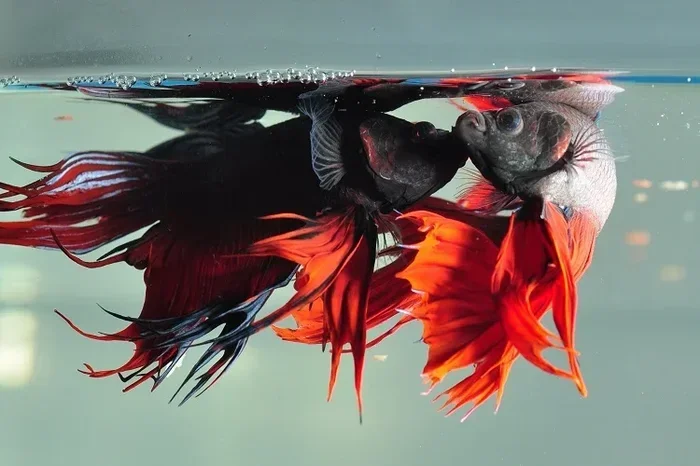
Why Is My Betta Fish Nose Diving

Betta nose diving is a red flag that something in the tank isn’t right. It can stem from water quality, illness, stress, or simple tank‑setup issues. Identify the cause fast, correct it, and watch your betta swim upright again.
Key Takeaways
- Water quality matters: Poor parameters are the #1 trigger for nose diving.
- Illness signs: Look for clamped fins, spots, or labored breathing alongside the dive.
- Tank size and décor: Too small or overcrowded tanks increase stress and cause abnormal swimming.
- Temperature stability: Sudden swings can shock a betta and make it nose dive.
- Diet and feeding: Over‑feeding or a diet lacking nutrients can affect buoyancy.
- Observe behavior: Pair nose diving with other odd actions like floating sideways or hiding to narrow the problem.
- Quick fixes: A partial water change, temperature check, and quarantine can often solve the issue.
📑 Table of Contents
- Introduction: When Your Betta Looks Like It’s Diving for Treasure
- 1. Water Quality – The Hidden Culprit
- 2. Illness and Parasites – When the Body Fights Back
- 3. Tank Size, Layout, and Stress – The Environment Factor
- 4. Temperature Fluctuations – The Silent Shock
- 5. Diet and Feeding Habits – Fuel for Proper Buoyancy
- 6. Genetics and Age – When the Body’s Own Blueprint Plays a Role
- Putting It All Together: A Step‑by‑Step Troubleshooting Checklist
- Conclusion: From Nose Dive to Graceful Glide
Introduction: When Your Betta Looks Like It’s Diving for Treasure
Imagine you’re watching your bright‑finned betta glide peacefully when, out of the blue, it tips forward and swims with its nose pointed down. It’s unsettling, right? This behavior is called “nose diving” and it’s more than just a quirky swim style. It’s a signal that something in the fish’s environment or health needs attention.
In this article we’ll break down the most common reasons why a betta fish nose dives, how to spot the underlying problem, and what you can do right now to help your finned friend. The tone is friendly, the steps are simple, and the science is solid—so you’ll feel confident fixing the issue in no time.
1. Water Quality – The Hidden Culprit
Why water matters more than you think
Betta fish are native to shallow, warm waters of Southeast Asia. In the wild, the water is clean, slightly acidic, and stable. In a home aquarium, even a tiny dip in quality can stress a betta enough to nose dive.
Key parameters to check
- Ammonia (NH₃) and Nitrite (NO₂⁻): Both should read 0 ppm. Even low levels irritate gills and affect buoyancy.
- Nitrate (NO₃⁻): Keep under 20 ppm. Higher levels can cause lethargy and abnormal swimming.
- pH: Aim for 6.5‑7.5. Sudden shifts can make a betta feel disoriented.
- Temperature: Betta thrives at 76‑82 °F (24‑28 °C). Rapid changes trigger stress responses.
Practical water‑care steps
1. Test the water with a reliable kit at least twice a week.
2. Perform a 25‑30 % water change if any parameter is out of range.
3. Use a water conditioner to neutralize chlorine and chloramines.
4. Keep a reliable heater and a thermometer to maintain stable temperature.
Doing these basics often stops nose diving within a day or two.
2. Illness and Parasites – When the Body Fights Back
Common diseases that cause a forward tilt
Several illnesses affect the swim bladder or cause muscle weakness, leading to a nose‑down posture. The most frequent are:
- Swim bladder disorder: Inflammation or infection of the organ that controls buoyancy.
- Fin rot and ulcer disease: Bacterial infections that weaken the body.
- Internal parasites: Hexamita or Ichthyophthirius can cause bloating and abnormal swimming.
Spotting the warning signs
Look for clamped fins, white patches, loss of color, or a bloated belly. If nose diving is accompanied by any of these, it’s likely a health issue.
What to do
1. Isolate the betta in a hospital tank with clean, conditioned water.
2. Treat with a broad‑spectrum aquarium medication (e.g., Maracyn or API Melafix) according to the label.
3. Keep the water temperature at the higher end of the betta’s range to boost immunity.
For a deeper dive into health problems, see our article on why is my betta fish turning white, which discusses color loss—a common symptom of disease.
3. Tank Size, Layout, and Stress – The Environment Factor
How a cramped tank can force a betta to dive
Betta fish need room to swim. A tank smaller than 2.5 gallons often leads to poor water quality and stress. Too many decorations or a heavy substrate can also limit swimming space, causing the fish to push against the glass and appear to nose dive.
Design tips for a stress‑free home
- Use a minimum of 5 gallons for a single male betta.
- Provide gentle plants or silk leaves for hiding spots.
- Avoid sharp ornaments that can damage fins.
- Leave open swimming zones—no more than 30 % of the tank covered.
Stress signals beyond nose diving
If you notice your betta hiding under the lid, flaring its fins constantly, or floating sideways, the stress level is high. Our guide on why is my betta fish floating sideways explains how to differentiate stress from illness.
4. Temperature Fluctuations – The Silent Shock
Why a few degrees can make a big difference
Betta fish are tropical. A drop of just 2‑3 °F can slow metabolism, making the fish feel sluggish and causing it to nose dive. Likewise, overheating can increase respiration rate, leading to gas buildup and buoyancy problems.
Keeping temperature steady
1. Use a reliable submersible heater rated for the tank size.
2. Place the heater away from direct light to avoid hot spots.
3. Check the temperature twice daily with a calibrated thermometer.
4. Consider a heater controller for automatic adjustments.
Emergency response
If the temperature spikes or drops suddenly, perform a rapid but gentle water change with water at the correct temperature. This can prevent a full‑blown health crisis.
5. Diet and Feeding Habits – Fuel for Proper Buoyancy
Over‑feeding and poor nutrition
Too much food leads to waste buildup, higher ammonia, and a heavier belly that can push the fish’s center of gravity forward. Low‑quality pellets lack essential nutrients, weakening muscles and the swim bladder.
Feeding best practices
- Feed 2‑3 small portions per day, no more than the size of the fish’s eye.
- Include a variety: high‑protein betta pellets, occasional frozen or live brine shrimp, and a slice of daphnia.
- Fasting 24 hours once a week helps clear the digestive tract.
If nose diving appears after a feeding frenzy, try a short fast and then resume with smaller portions.
For more on appetite issues, see our post on why is my betta fish not eating.
6. Genetics and Age – When the Body’s Own Blueprint Plays a Role
Older bettas and inherited traits
Some bettas are born with a slightly malformed swim bladder. While rare, it can become noticeable as the fish ages. In older bettas, weakened muscles and slower metabolism can also make nose diving more common.
What you can do
There’s no cure for genetic swim‑bladder issues, but you can mitigate symptoms:
- Maintain pristine water.
- Provide a balanced diet.
- Minimize stressors (loud noises, sudden movements).
Regular observation is key—if the dive worsens, seek veterinary advice.
Putting It All Together: A Step‑by‑Step Troubleshooting Checklist
- Test water parameters. Fix any out‑of‑range values with a partial change.
- Check temperature. Adjust heater if needed.
- Observe behavior. Look for additional signs like clamped fins or discoloration.
- Inspect tank setup. Ensure adequate space and safe décor.
- Review feeding routine. Cut back on portions and add variety.
- Isolate if ill. Move the betta to a hospital tank and treat accordingly.
- Monitor for 48‑72 hours. Improvement means you’ve hit the right fix.
Conclusion: From Nose Dive to Graceful Glide
Nose diving is a clear alarm bell that something in your betta’s world isn’t right. By systematically checking water quality, temperature, diet, tank conditions, and health, you can usually correct the problem within a few days. Remember, a happy betta swims upright, flares its fins proudly, and explores its territory without a single nose‑down episode.
Keep a regular maintenance schedule, stay observant, and don’t hesitate to act quickly. Your betta will thank you with vibrant colors and confident, upright swimming for years to come.
Frequently Asked Questions
Why does my betta fish constantly nose dive?
Constant nose diving usually points to poor water quality, a swim‑bladder issue, or stress from an unsuitable tank environment.
Can a sudden temperature change cause nose diving?
Yes. A rapid drop or rise of just a few degrees can shock a betta and affect its buoyancy, leading to a nose‑down posture.
Is nose diving a sign of a serious disease?
It can be. If the dive is paired with white spots, clamped fins, or loss of color, it’s likely a health problem that needs treatment.
How quickly can a water change fix nose diving?
In many cases, a 25‑30 % water change that corrects ammonia or nitrite spikes will improve the behavior within 24‑48 hours.
Should I feed my betta less if it’s nose diving?
Yes. Reduce feeding to small portions for a day or two to clear the digestive tract and lower waste production.
When should I consider taking my betta to a vet?
If the nose diving persists after correcting water parameters, temperature, and diet, or if you see additional illness signs, a qualified fish veterinarian should be consulted.