Is Freshwater Fish Better Than Saltwater Fish

Freshwater fish often win for beginners because they’re easier to care for and less costly, while saltwater species shine in vivid colors and unique behaviors. Both have health and environmental benefits, so the best choice depends on your goals, space, and commitment level.
Key Takeaways
- Understanding is freshwater fish better than saltwater fish: Provides essential knowledge
📑 Table of Contents
- Introduction: Why the Question Matters
- 1. Set‑Up and Maintenance: The Practical Side
- 2. Fish Diversity and Aesthetic Appeal
- 3. Health Benefits: Nutrition and Omega‑3s
- 4. Environmental Impact and Sustainability
- 5. Space, Lifespan, and Long‑Term Commitment
- 6. Making the Decision: Which Is Better for You?
- Conclusion
Introduction: Why the Question Matters
When you first think about adding a fish to your home, the biggest question is often “is freshwater fish better than saltwater fish?” The answer isn’t a simple yes or no. It depends on your budget, space, experience, and what you hope to get out of the hobby.
Freshwater fish have been the go‑to for beginners for decades. They thrive in simpler water conditions and usually cost less. Saltwater fish, on the other hand, dazzle with brilliant colors and unique behaviors that you can’t find in most freshwater tanks.
In this guide we’ll walk through the main factors that influence the decision, compare health and environmental aspects, and give you practical tips so you can choose the right fish for your lifestyle.
1. Set‑Up and Maintenance: The Practical Side
Water chemistry basics
Freshwater tanks stay at a neutral pH (6.5‑7.5) and require only occasional testing for ammonia, nitrite, and nitrate. Saltwater tanks need a specific gravity of 1.020‑1.025, regular calcium and alkalinity checks, and often a protein skimmer to remove organic waste.

Visual guide about Is Freshwater Fish Better Than Saltwater Fish
Image source: assets.myntassets.com
Equipment requirements
- Filtration: A simple power filter works for most freshwater setups. Saltwater tanks usually need a multi‑stage filtration system (mechanical, chemical, biological).
- Lighting: Freshwater plants need moderate lighting; saltwater corals demand high‑intensity LEDs.
- Heaters & chillers: Both environments may need temperature control, but saltwater species often have narrower temperature windows.
Cost comparison
Starting a freshwater aquarium can be as low as $100‑$150 for a 20‑gallon tank, filter, heater, and a few hardy fish. A basic saltwater setup for the same volume often exceeds $300 because of live rock, a protein skimmer, and specialized lighting.
Time commitment
Freshwater tanks usually need a 15‑minute water change once a week. Saltwater systems may require 30‑minute changes, plus weekly testing and occasional water parameter adjustments.
2. Fish Diversity and Aesthetic Appeal
Freshwater favorites
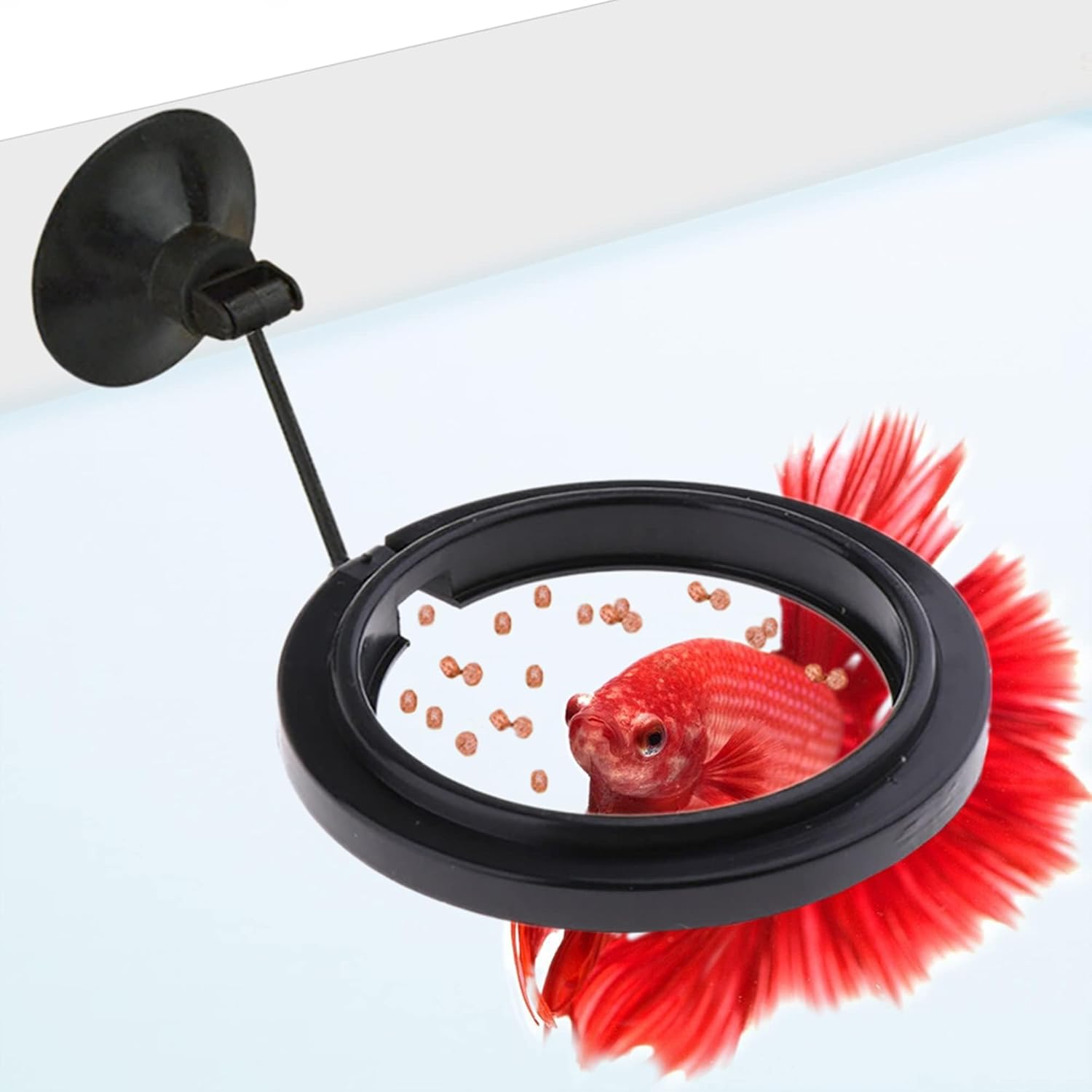
Betta fish, tetras, guppies, and corydoras are popular for their bright colors and peaceful nature. Many species are live‑bearing, making breeding a rewarding hobby.

Visual guide about Is Freshwater Fish Better Than Saltwater Fish
Image source: i.pinimg.com
Saltwater wonders
Clownfish, tangs, and gobies bring a splash of coral‑reef brilliance. Some saltwater fish, like the mandarin dragonet, display patterns that change with mood, something you rarely see in freshwater.
Choosing based on visual goals
If you love a vibrant, reef‑like display, saltwater fish are hard to beat. If you prefer a calm, plant‑filled landscape, freshwater is the way to go.
3. Health Benefits: Nutrition and Omega‑3s
Omega‑3 content
Both freshwater and saltwater fish are good sources of EPA and DHA, the heart‑healthy omega‑3 fatty acids. Fatty freshwater species like salmon (though technically anadromous) have comparable levels to many saltwater fish.

Visual guide about Is Freshwater Fish Better Than Saltwater Fish
Image source: item-shopping.c.yimg.jp
Dietary considerations
When feeding pet fish, the same principles apply: high‑quality, species‑specific diets prevent nutritional deficiencies. For humans, incorporating a variety of fish ensures a balanced intake of omega‑3s, vitamin D, and lean protein.
Related reading
Curious about alternatives to fish oil for omega‑3s? Check out our article on what is better than fish oil for inflammation for plant‑based options.
4. Environmental Impact and Sustainability
Wild capture vs. aquaculture
Most freshwater fish sold in pet stores are farm‑raised, which can reduce pressure on wild populations. Saltwater species are often harvested from reefs, leading to habitat damage if not responsibly managed.
Choosing responsibly
- Look for certifications such as the Marine Aquarium Council (MAC) for saltwater fish.
- Support local breeders who raise fish in captivity, especially for popular freshwater species.
Carbon footprint
Shipping live saltwater fish across continents generates a larger carbon footprint than most freshwater shipments. If sustainability is a priority, freshwater may be the greener choice.
5. Space, Lifespan, and Long‑Term Commitment
Tank size considerations
Freshwater species can thrive in tanks as small as 5‑10 gallons, making them ideal for apartments. Saltwater fish usually need at least 20‑30 gallons to maintain stable water chemistry.
Lifespan differences
Many freshwater tetras live 3‑5 years, while larger species like discus can reach 10 years. Saltwater fish such as clownfish often live 6‑10 years, and some tangs exceed 15 years with proper care.
Breeding and population control
Freshwater fish are generally easier to breed in captivity, offering a self‑sustaining hobby. Saltwater breeding is more complex and often requires specialized equipment.
6. Making the Decision: Which Is Better for You?
Ask yourself these questions
- Do I have the budget for equipment and ongoing costs?
- How much time can I devote to weekly maintenance?
- What visual style do I prefer—lush plants or vibrant reef?
- Am I concerned about environmental sustainability?
- Do I want a hobby that can evolve into breeding?
Practical tip: start small
If you’re unsure, begin with a 10‑gallon freshwater tank. It teaches the basics of nitrogen cycling, water changes, and fish health without a huge investment. Once comfortable, you can graduate to a modest saltwater setup.
Further reading
For a direct comparison, see our deep‑dive article which is better freshwater or saltwater fish. It breaks down the pros and cons side by side.
Conclusion
So, is freshwater fish better than saltwater fish? The short answer: it depends. Freshwater fish win on ease of care, cost, and sustainability, making them ideal for beginners and hobbyists on a budget. Saltwater fish excel in visual impact, diversity, and the thrill of recreating a slice of the ocean at home.
Your best choice aligns with your personal goals, space, and willingness to invest time and resources. Whichever path you take, the rewarding experience of watching a thriving aquarium will make the effort worthwhile.
Frequently Asked Questions
Is it harder to keep saltwater fish than freshwater fish?
Generally, yes. Saltwater tanks require more precise water chemistry, stronger filtration, and often higher lighting, making them more demanding for beginners.
Can I keep both freshwater and saltwater fish in the same tank?
No. The water parameters needed for each type are incompatible. Mixing them can cause stress and illness.
Do freshwater fish provide the same health benefits as saltwater fish when eaten?
Both can be good sources of omega‑3 fatty acids, but the exact nutrient profile varies by species. Fatty freshwater fish like trout offer comparable benefits to many saltwater varieties.
Which type of fish is more environmentally friendly?
Freshwater fish farmed responsibly usually have a lower environmental impact than wild‑caught saltwater species, which can affect coral reefs.
How often should I change the water in a freshwater tank?
A 20‑25% water change weekly is a good rule of thumb for most freshwater setups.
What’s the biggest mistake beginners make when choosing fish?
Choosing flashy, exotic species without researching their care requirements. Start with hardy, well‑documented fish to build confidence.