Is My Betta Too Aggressive for Other Fish
Many betta fish owners wonder if their betta is too aggressive for other fish. Bettas are naturally territorial, and their aggression can cause serious problems in a community tank. Understanding your betta’s behavior helps you choose the right tank mates and create a safer home for everyone.
Key Takeaways
- Betta aggression is natural: Bettas are fighting fish by nature, and their territorial behavior is hardwired into their DNA.
- Watch for warning signs: Flaring, chasing, and fin nipping are clear signals that your betta may be too aggressive for shared tanks.
- Tank setup matters a lot: Proper hiding spots, enough space, and right tank mates can reduce aggression significantly.
- Not all bettas are the same: Some bettas are calmer and can coexist with certain peaceful fish species.
- Female bettas are often less aggressive: They may do better in community tanks than male bettas in many cases.
- Sometimes solo is best: If your betta shows constant aggression, keeping them alone may be the safest choice for all fish involved.
📑 Table of Contents
Understanding Betta Aggression
Betta fish are beautiful. Their flowing fins and vibrant colors make them a favorite for fish lovers everywhere. But here is the thing many new owners do not expect. Bettas can be really aggressive. This is not a flaw. It is simply part of who they are.
Bettas belong to a group called fighting fish. People bred them for centuries to fight each other. That history is written into their behavior. Even today, pet bettas carry that strong territorial instinct. So when you ask, “is my betta too aggressive for other fish,” the honest answer is it depends on your individual fish.
Some bettas are chill. They glide around the tank and ignore other creatures. Others flare at anything that moves. They chase tank mates and nip at fins. Both behaviors are normal for the species. The real question is whether your specific betta can live peacefully with others.
Understanding betta fish behavior is the first step. Once you know what drives their aggression, you can make smarter choices. You can pick better tank mates. You can set up the aquarium to reduce conflict. And you can keep all your fish safe and healthy.
What Makes Bettas Territorial
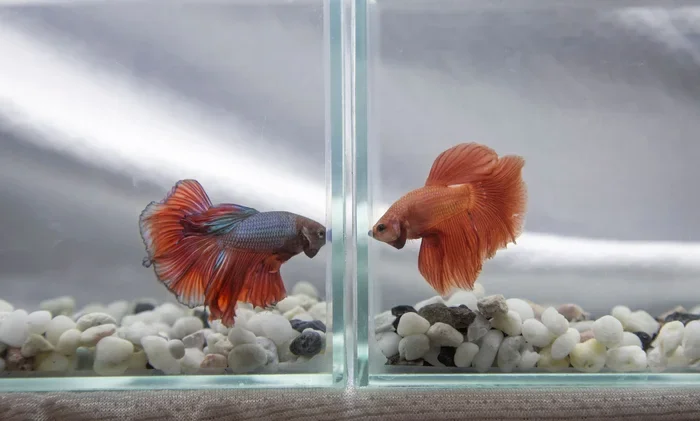
Bettas claim areas in the wild. They defend their space from other males especially. A rival male betta threatens them directly. They flare their gills, spread their fins, and show off bright colors. This is how they say, “this is my spot.”
In a home aquarium, that same instinct kicks in. Your betta sees other fish as intruders. Even fish that look nothing like a betta can trigger this response. Long flowing fins are a big trigger. Your betta might mistake a guppy or a angelfish for another betta and attack.
The size of the tank also plays a huge role. A small tank gives your betta less space to claim. Everything feels crowded. That raises stress levels for everyone. A bigger tank gives fish room to establish separate zones. This naturally lowers conflict.
Signs Your Betta Is Too Aggressive for Other Fish
How do you know if your betta is too aggressive? The signs are usually pretty clear. You just need to watch closely. Catching these behaviors early helps you prevent injuries and stress in your tank.
Constant flaring is one of the biggest red flags. Every time another fish swims by, your betta flares its gills and spreads its fins. Occasional flaring is normal. But if it happens every few minutes, your betta is on high alert. That level of stress is not healthy for anyone.
Chasing other fish is another serious sign. If your betta relentlessly pursues tank mates, something needs to change. The chased fish gets exhausted. They stop eating. They hide constantly. This is not a peaceful community tank. This is a stressful environment for every creature in it.
Fin nipping and biting take aggression to another level. Your betta might nip at the fins of other fish. Some bettas actually tear fins apart. This causes open wounds. Those wounds can get infected. In serious cases, fin nipping leads to death.
Refusing to eat when other fish are present can also signal dominance issues. Your betta might bully others away from the food. This means some fish go hungry. Over time, this creates a very unbalanced tank dynamic.
When Aggression Becomes Dangerous
Not all aggression is equal. A betta that flares once and then swims away is showing normal behavior. A betta that corners another fish in a corner and refuses to let go is dangerous. You need to distinguish between typical betta behavior and harmful bullying.
Watch for physical damage on other fish. Torn fins. Missing scales. White patches on the body. These are signs of ongoing aggression. If you notice any of these, you need to act fast. Leaving aggressive fish together causes lasting harm.
Also pay attention to your betta’s own body language. A stressed betta loses color. It stops eating. It hides more than usual. Aggression from tank mates affects your betta too. This is a two-way street of stress and harm.
Why Bettas Become Aggressive With Other Fish
There are several reasons why a betta might show aggression toward other fish. Understanding the root cause helps you address the problem. Sometimes the solution is simple. Other times, you need to rethink your entire tank setup.
Natural Instincts and Breeding History
Bettas were originally bred in Southeast Asia. People there raised them for fighting competitions. The fish with the most aggressive traits were bred together. Over many generations, this created the betta we know today. They are hardwired to be territorial and confrontational.
Male bettas especially carry this legacy. In the wild, two male bettas would fight to defend their territory. The winner got the best hiding spots and food sources. This instinct does not disappear just because your betta lives in a home aquarium. It is deeply ingrained in their personality.
Female bettas can be aggressive too. But they are generally less so than males. A group of female bettas can sometimes form a hierarchy. This is called a sorority. Even then, there can be bullying and chasing. So aggression is not exclusive to male bettas.
Tank Size and Layout
A tiny tank makes any fish more aggressive. When space is limited, there is nowhere to escape. Your betta feels trapped and responds by attacking perceived threats. A cramped tank amplifies every negative behavior.
The layout of your tank matters too. Without plants, caves, or decorations, your betta has nowhere to retreat. Every encounter with another fish feels confrontational. Adding plenty of hiding spots breaks up lines of sight. This gives fish a chance to calm down and feel safe.
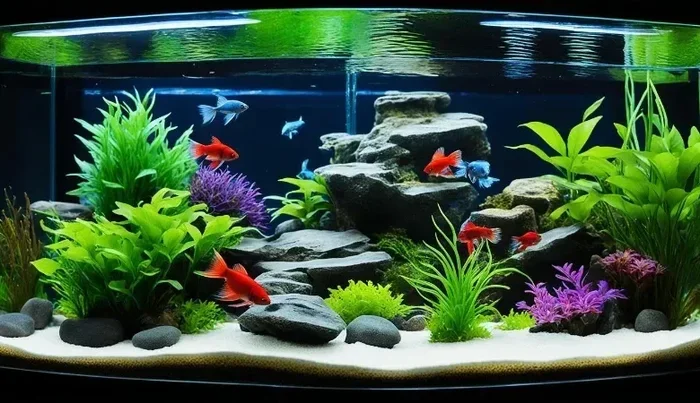
Live plants are especially helpful. They create natural barriers. Fish can weave between leaves and find their own space. Plants also improve water quality and reduce stress. They are a win-win for any community tank setup.
Wrong Tank Mates
Choosing the wrong tank mates is one of the biggest mistakes fish owners make. Some fish are just too nippy or too flashy for a betta. Long-finned fish like fancy guppies or angelfish can trigger your betta’s aggression. Bright colors and flowing fins make your betta think it is facing a rival.
Active, fast-swimming fish can also cause problems. Fish that dart around the tank stress out a betta. The constant movement feels like a threat. Your betta might chase these fish to establish control. This exhausts everyone in the tank.
On the flip side, some fish work well with bettas. Corydoras catfish, ghost shrimp, and certain types of tetras are often good choices. These fish stay out of your betta’s way. They do not challenge or threaten your betta. Finding the right balance takes research and patience.
Best Tank Mates for a Less Aggressive Betta
If your betta is on the milder side of the aggression spectrum, you might be able to add tank mates. The key is choosing fish that complement your betta’s personality. Not every combination will work. But with the right choices, a community tank can thrive.
When thinking about what is a good tank mate for a betta fish, consider these factors. Size matters. Temperament matters. Swimming level matters. Fish that occupy different areas of the tank reduce direct encounters. This naturally lowers the chance of conflict.
Top Compatible Tank Mates
Here are some fish and creatures that often do well with bettas:
- Corydoras catfish: These small bottom dwellers stay out of your betta’s way. They are peaceful and busy scavenging. They rarely trigger aggression.
- Ghost shrimp: Inexpensive and unobtrusive. Ghost shrimp clean up leftover food. Most bettas leave them alone.
- Neon tetras: Small, fast, and stay in the middle of the tank. Their size and speed helps them avoid betta attention.
- Kuhli loaches: These quirky bottom-dwellers are peaceful and nocturnal. They keep to themselves and rarely interact with your betta.
- Mystery snails: Slow-moving and calm. They do not provoke betta aggression. Plus, they help clean algae from the tank.
Keep in mind that every betta is different. What works for one betta might not work for another. Always watch your fish closely after adding new tank mates. Be ready to separate them if things go wrong.
Fish to Avoid With Bettas
Some fish are almost guaranteed to cause problems. Here are species to keep away from your betta:
- Other male bettas: Two male bettas will fight. This can end badly very quickly. Never house two males together.
- Guppies with long fins: Their flowing tails look like a rival betta. Your fish might attack them constantly.
- Angelfish: These fish are territorial themselves. The combination with a betta is often a recipe for conflict.
- Goldfish: Goldfish grow large and are messy. They need cold water, while bettas need warm water. The temperature needs clash.
- Tiger barbs: These fish are notorious fin nippers. They will target your betta’s beautiful fins and cause injury.
For more details on why certain fish don’t work, check out why your betta might be aggressive and what drives that behavior in the first place.
How to Reduce Betta Aggression in a Community Tank
If you want to keep your betta with other fish, you need to manage aggression actively. It is not just about picking the right tank mates. The entire environment plays a role in how your betta behaves.
Tank Size and Setup
A bigger tank is your best friend. It gives every fish more personal space. A minimum of 10 gallons is recommended for a betta community tank. The more room, the better. Fish can spread out and establish their own territories without constant conflict.
Add plenty of decorations. Driftwood, rocks, and caves create visual barriers. Your betta cannot see every fish at all times. This reduces the feeling of being constantly threatened. Floating plants are also great. They break up the surface view and give your betta a sense of security.
Feeding Strategies
Food competition is a major trigger for aggression. When you feed your betta, make sure other fish get food too. Spread food across the tank. Use sinking pellets for bottom dwellers. Use floating pellets for your betta. This way, everyone eats without having to compete directly.
Feed your betta first if it is the most aggressive eater. Give it its fill before adding food for other fish. This takes the edge off and reduces the urge to guard food sources. A well-fed betta is a calmer betta.
Monitoring Behavior Daily
Watch your tank every day. Spend a few minutes observing how your fish interact. Note any chasing, flaring, or hiding. Early detection of problems lets you intervene before anyone gets hurt.
Keep a simple log if you need to. Write down which fish seem stressed. Note any injuries you spot. This helps you spot patterns over time. Maybe certain fish trigger your betta more than others. Maybe aggression gets worse at feeding time. Patterns help you find solutions.
If you ever need to understand more about why your betta acts this way, reading about the reasons behind betta aggression can provide deeper insights into their behavior and help you manage it more effectively.
When to Keep Your Betta Solo
Sometimes the best choice is to keep your betta alone. Not every betta can live with other fish. And that is perfectly okay. A solo betta in a well-planted tank can be just as happy and beautiful as a betta in a community setup.
Know the signs that your betta should live alone. Constant aggression toward any tank mate is a clear signal. If you have tried different fish and none work, your betta is happier by itself. Forcing tank mates on an aggressive betta causes suffering for everyone.
A solo betta tank can still be interesting. Add lots of live plants. Include decorations and caves. Use a gentle filter to keep the water clean. You can create a stunning planted tank that showcases your betta’s natural beauty. Many fish owners find that a solo betta tank is actually easier to maintain and more enjoyable to watch.
Also remember that female bettas sometimes do better in groups. A sorority of female bettas can work if the tank is large enough. But even that requires careful planning. Provide at least 5 female bettas in a 20-gallon tank or larger. Add plenty of hiding spots. And watch for bullying within the group.
For more information on keeping female bettas together, you can explore whether female bettas are less aggressive to other fish than males and how their temperaments compare.
Conclusion
So, is your betta too aggressive for other fish? The answer lies in understanding your individual fish. Bettas are territorial by nature. Some are more aggressive than others. Your job is to observe, adapt, and make the best choice for your fish.
If your betta shows constant aggression, do not force it into a community tank. A solo setup can be just as enriching and beautiful. If your betta is calmer, choose peaceful tank mates carefully. Set up the tank with plenty of space and hiding spots. Monitor behavior every day and be ready to make changes.
The goal is a healthy, stress-free environment for all your fish. Whether that means a solo betta tank or a carefully planned community aquarium, the right choice depends on your betta’s personality. Trust your observations. Put your fish’s well-being first. And enjoy the rewarding experience of caring for these amazing creatures.
Remember, every betta is unique. What works for one fish may not work for another. Patience and observation are your best tools. With the right approach, you can create a home where your betta thrives, whether it has tank mates or not.
Frequently Asked Questions
Can a male betta live with other fish?
Male bettas can sometimes live with other fish, but it depends on their personality. Some male bettas are too aggressive and do better alone. Others are calm enough to share a tank with peaceful species. Always introduce tank mates carefully and watch for signs of stress or bullying.
Are female bettas less aggressive than males?
Yes, female bettas are generally less aggressive than males. They can sometimes live in groups called sororities. However, female bettas can still show aggression, especially in smaller tanks. Providing plenty of space and hiding spots helps reduce conflict among females.
What should I do if my betta is chasing other fish?
If your betta is chasing other fish, separate them immediately. Continued chasing causes stress and physical injuries. Consider moving your betta to a solo tank or removing the tank mates that trigger the behavior. Reassess your tank setup and try different companions if you want to attempt a community tank again.
How big should a tank be for a betta community?
A minimum of 10 gallons is recommended for a betta community tank. Larger tanks work even better because they give fish more space to establish territories. A bigger tank reduces the chance of constant encounters and lowers overall aggression levels significantly.
Can betta aggression be trained out of them?
You cannot completely eliminate a betta’s natural aggression. It is part of their genetics and instinct. However, you can manage it through proper tank setup, appropriate tank mates, and consistent monitoring. A well-planned environment reduces aggressive episodes and keeps all fish healthier.
Is it better to keep a betta alone or with other fish?
It depends on your betta’s temperament. Some bettas thrive in community tanks with peaceful tank mates. Others do much better alone in a solo tank. Observe your betta’s behavior closely and choose the setup that keeps everyone healthy and stress-free. There is no one-size-fits-all answer.