Is My Betta Fish’s Belly Bloated
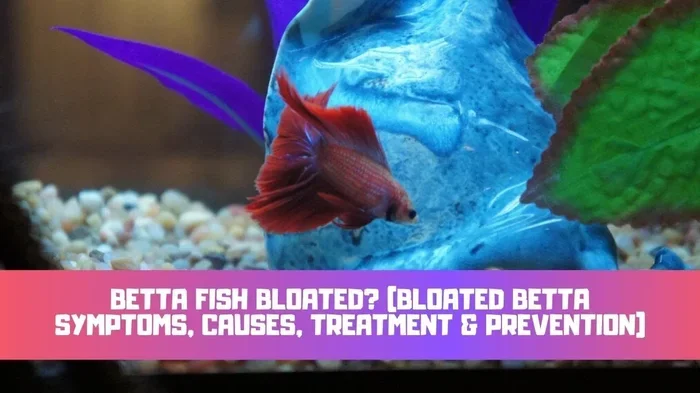
A bloated belly in your betta fish can signal serious health issues like swim bladder disease, constipation, or dropsy. Understanding the root cause is the first step toward effective treatment. This guide covers the most common reasons your betta fish belly is bloated and gives you simple, actionable steps to help your fish recover.
Key Takeaways
- Overfeeding is the #1 cause: Giving your betta too much food leads to bloating and digestive issues.
- Swim bladder disease is common: This condition affects your fish’s buoyancy and belly size.
- Dropsy is a serious concern: A bloated belly combined with pinecone scales needs immediate attention.
- Water quality matters: Poor tank conditions can trigger bloating and other health problems.
- Fasting helps: A 1-2 day fast can relieve constipation and ease bloating in most cases.
- Prevention is simple: Proper diet, clean water, and regular tank maintenance keep bloating away.
📑 Table of Contents
Is My Betta Fish’s Belly Bloated? What You Need to Know
Have you noticed your betta fish belly bloated and wondered what went wrong? You are not alone. This is one of the most common concerns betta fish owners face. A swollen belly can look scary, but the good news is that many causes are treatable at home.
Your betta fish’s health depends on a few key factors. Diet, water quality, and tank conditions all play a role. When something goes wrong, the belly is often the first place you will notice changes. A bloated stomach in fish can range from mild discomfort to a serious medical condition. Knowing the difference is critical.
This article will walk you through every possible cause. You will learn how to identify the problem, treat it, and prevent it from happening again. We will also cover when it is time to call a vet. Let us dive in and help your fish feel better.
Why Does Bloating Happen?
Bloating happens when excess gas or fluid builds up inside your betta’s body. Think of it like a balloon filling with air or water. In fish, this can come from many sources. Some are easy to fix. Others need more attention. The key is catching it early and acting fast.
A betta fish bloated stomach is not always a disease on its own. It is usually a symptom of something else going on inside. That is why finding the root cause matters so much. Treating just the bloated belly without addressing the real problem will not solve the issue.
Common Causes of a Bloated Betta Fish Belly
Several factors can lead to a bloated belly in betta fish. Some are minor. Some are life-threatening. Let us look at each one closely so you can figure out what is going on with your fish.
Overfeeding
This is the number one cause of bloating in pet fish. Betta fish have small stomachs. They are about the size of their eye. Many owners do not realize this and feed too much. When a betta eats more than its stomach can handle, the food sits in the gut and starts to swell. This causes the belly to puff up.
Overfeeding also leads to constipation. A constipated fish cannot pass waste properly. This builds up pressure in the abdomen and makes the belly look swollen. If your fish has eaten too much, you may notice it swimming erratically or refusing food the next day.
Swim Bladder Disease
The swim bladder is an internal organ that helps your betta control buoyancy. When it gets infected or damaged, the fish cannot swim properly. The belly may swell because of gas or fluid trapped in the body. Swim bladder disease in bettas is very common and often caused by overfeeding or poor water conditions.
Signs of swim bladder issues include:
- Swimming sideways or upside down
- Struggling to stay afloat
- Sinking to the bottom of the tank
- A swollen or distended belly
- Loss of appetite
If your fish shows these signs, do not panic. Many cases of swim bladder disease can be treated at home with simple adjustments.
Constipation
Constipation is closely related to overfeeding but deserves its own mention. When your betta cannot pass waste, the buildup creates a swollen abdomen. You might notice your fish straining or producing no waste for days. A constipated betta fish often has a hard, swollen belly that looks different from a soft, fluid-filled one.
The good news is that constipation is usually easy to fix. A short fast followed by a small amount of cooked pea can get things moving again. More on that below.
Dropsy
Dropsy is one of the most serious conditions that causes a bloated belly. It is a symptom of kidney failure, where the fish retains excess fluid. The scales may stick out like a pinecone, which is a telltale sign. Dropsy is difficult to treat and often fatal if not caught early.
If your betta has a bloated belly and its scales are protruding, seek treatment immediately. Isolate the fish in a hospital tank and consult a vet. Early intervention gives your betta the best chance of survival.
Poor Water Quality
Your betta lives in the water you provide. If that water is dirty or full of toxins, your fish will get sick. Ammonia and nitrite buildup in the tank can stress your betta and lead to bloating. Poor water quality weakens the immune system and makes your fish vulnerable to infections and digestive problems.
Regular water changes and proper filtration are essential. Test your water parameters at least once a week. A healthy tank means a healthier, happier betta.
Internal Infections
Bacterial or parasitic infections can cause inflammation in the gut. This leads to a swollen belly and other symptoms like lethargy and loss of color. Infections often start when water quality is bad or when the fish is stressed. Keeping the tank clean and the environment stable helps prevent these issues.
How to Tell if Bloating Is Serious
Not every bloated belly is an emergency. But how do you know when it is serious? Look for these warning signs:
- The belly is hard and swollen, not soft
- The scales are sticking out like a pinecone
- Your fish is not eating for more than two days
- Your betta is lethargic and stays at the bottom
- You see red streaks or inflammation on the body
- Your fish has trouble swimming or staying upright
If you notice any of these signs, act quickly. A bloated betta fish that also shows pinecone scales or refuses food may have dropsy or a severe infection. These conditions worsen fast. The sooner you intervene, the better the outcome.
On the other hand, if the belly is slightly swollen and your fish is still eating and active, it may just be mild constipation or a little overfeeding. Monitor your fish closely and try the simple fixes mentioned below.
How to Treat a Bloated Betta Fish
Treatment depends on the cause. Here are the most effective methods you can try at home. Always start with the simplest approach and move to stronger treatments if needed.
Step 1: Fast Your Fish
Fasting is the first and easiest step. Stop feeding your betta for 1-2 days. This gives the digestive system time to clear out any trapped food or waste. Most fish can safely go 1-2 days without food. In fact, it is good for them.
After the fast, offer a small amount of high-quality food. Do not overfeed. A few pellets or a tiny piece of bloodworm is enough. Watch how your fish responds over the next 24 hours.
Step 2: Feed a Blanched Pea
Peas are a natural laxative for betta fish. They help push waste through the digestive tract. Here is how to prepare them:
- Take a single frozen or fresh pea
- Boil it for 1-2 minutes until soft
- Peel off the outer skin
- Mash it into a tiny pellet
- Feed it to your betta
This simple trick works wonders for constipation-related bloating. Many experienced fish keepers swear by it. It is safe, natural, and effective.
Step 3: Improve Water Conditions
Clean water is medicine for your betta. Do a 25-30% water change immediately. Use a gravel vacuum to remove debris from the substrate. Check the temperature, pH, and ammonia levels. Ideal conditions for bettas are:
- Temperature: 78-80°F (25-27°C)
- pH: 6.5-7.5
- Ammonia: 0 ppm
- Nitrite: 0 ppm
- Nitrate: below 20 ppm
Stable water parameters reduce stress and support your fish’s natural healing process. If your tank has not been cycled properly, this could be the root cause of the bloating. Learn more about how to tell if your betta fish is sick and what to do next.
Step 4: Use Epsom Salt
Epsom salt can help reduce swelling and relieve constipation in betta fish. Add one teaspoon of Epsom salt per gallon of water. Let it dissolve completely before placing your fish back in the tank. Leave the salt in the water for 2-3 days, then do a water change to remove it.
Epsom salt works by drawing out excess fluid from the body. It is a gentle and effective treatment for mild bloating. Just make sure you are using pure Epsom salt with no added fragrances or additives.
Step 5: Consult a Veterinarian
If home treatments do not work within 3-5 days, it is time to see a professional. A vet who specializes in fish can diagnose the exact cause and prescribe medication. This is especially important for suspected cases of dropsy or internal infection. Do not wait too long. Some conditions become untreatable after a certain point.
Prevention Tips to Keep Your Betta Healthy
Preventing bloating is much easier than treating it. A few simple habits can keep your betta healthy and its belly flat. Here is what you should do every day.
Feed Properly
Feed your betta 2-3 small meals per day. Only give what your fish can eat in 2 minutes. Remove any uneaten food immediately. A varied diet of high-quality pellets, frozen bloodworms, and brine shrimp keeps your betta healthy and its digestive system working properly.
Maintain Clean Water
Do partial water changes every week. Clean the filter monthly without replacing all the media at once. Test water parameters regularly. A clean tank prevents the buildup of harmful toxins that cause bloating and illness.
Reduce Stress
Stressed fish get sick more easily. Keep the tank in a quiet area away from loud noises and direct sunlight. Avoid sudden changes in lighting or temperature. If you keep multiple fish, make sure the tank is large enough and has plenty of hiding spots. A calm environment supports a strong immune system.
Quarantine New Fish
If you add a new fish to your tank, always quarantine it first for 2-4 weeks. This prevents the spread of diseases and parasites that could affect your existing betta. A separate quarantine tank with stable conditions gives you time to observe the new fish before introducing it to the main tank.
When to Worry and When Not To
Not every swollen belly is a cause for alarm. Sometimes, female bettas naturally look rounder, especially when they are carrying eggs. This is called being gravid, and it is completely normal. A gravid female may have a slightly rounded belly but will still be active and eating normally.
On the other hand, if the swelling is sudden and accompanied by other symptoms, take it seriously. A bloated belly combined with lethargy, loss of appetite, or abnormal swimming behavior is a red flag. Trust your instincts as a fish owner. You know your betta better than anyone.
Final Thoughts on Betta Fish Belly Bloating
A bloated betta fish belly can be alarming, but it is often treatable with the right approach. Start by identifying the cause. Overfeeding, constipation, swim bladder disease, and poor water quality are the most common culprits. Try fasting, feeding peas, and improving water conditions first. These simple steps resolve most cases.
For more information on related symptoms, check out why your betta fish might be so bloated or learn about what causes a betta fish stomach to bloat. These articles cover additional causes and treatments that complement the advice in this guide.
Remember, prevention is always better than cure. Feed your betta properly, keep the water clean, and watch for early warning signs. Your fish will live a longer, healthier life. You have the knowledge now. Go use it and give your betta the care it deserves.
Frequently Asked Questions
Why is my betta fish’s belly bloated but still swimming normally?
This is often a sign of mild constipation or early-stage overfeeding. Your fish may still be active if the bloating is not severe. Try fasting your fish for one day and feeding a blanched pea the next. Monitor the belly size over the following days. If it does not improve, consider checking your water parameters for any issues.
Can a bloated betta fish recover on its own?
Yes, in many cases. Mild bloating caused by overfeeding or constipation often resolves with a short fast and improved water conditions. However, if the bloating is caused by dropsy or a serious infection, your fish will need targeted treatment. Always keep a close eye on symptoms and act quickly if they worsen.
How long can a betta fish live with a bloated belly?
This depends entirely on the cause. A fish with simple constipation can live a normal lifespan once treated. A fish with dropsy may only have days or weeks without proper care. The key is identifying the cause early and starting treatment as soon as possible. Do not wait and hope the problem goes away.
Should I stop feeding my betta fish if its belly is bloated?
Yes, fasting for 1-2 days is the first recommended step. This gives the digestive system a chance to rest and clear out any blockages. After the fast, reintroduce food slowly with small amounts. Overfeeding after a fasting period can undo your progress. Be patient and feed sparingly.
Can Epsom salt cure a bloated betta fish?
Epsom salt is effective for mild bloating caused by constipation or fluid retention. It works by drawing out excess water from the fish’s body. However, it will not cure bacterial infections or dropsy. Use it as a first-aid treatment and escalate to stronger treatments if there is no improvement within 48 hours.
Is betta fish bloating contagious to other fish?
Bloating itself is not contagious. However, if the underlying cause is a bacterial or parasitic infection, other fish in the tank could be at risk. Always maintain good water quality and quarantine sick fish. If you suspect an infection, treat the entire tank or move the affected fish to a hospital tank to protect the others.