Is My Betts Fish Hsooy Community Tank
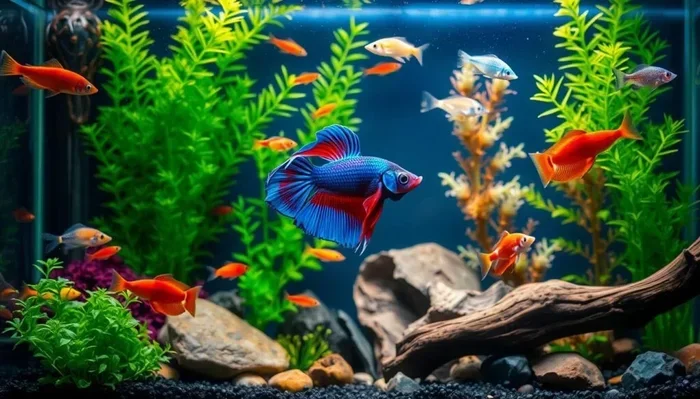
Wondering if your betta fish is happy in a community tank? A betta fish community tank can work beautifully when you choose the right setup, tank mates, and environment. Look for signs like vibrant colors, active swimming, and a healthy appetite to confirm your betta is thriving. This guide covers everything you need to know about keeping your betta content and stress-free in a shared aquarium.
Key Takeaways
- Happy bettas show bright colors, active swimming, and a good appetite in community tanks.
- Choose peaceful tank mates like corydoras, tetras, and snails to avoid conflict.
- A tank of at least 10 gallons gives your betta enough space to feel comfortable.
- Watch for stress signs like clamped fins, hiding constantly, or loss of color.
- Proper tank setup with plants, hiding spots, and gentle filtration makes a big difference.
- Feeding habits matter — make sure all fish get enough food without overfeeding.
📑 Table of Contents
Is My Betta Fish Happy in a Community Tank?
Keeping a betta fish in a community tank is a popular choice among aquarium lovers. But the real question is whether your betta feels comfortable and happy sharing its space. Bettas are known for their bright colors and flowing fins, but they also have a reputation for being territorial. The good news is that with the right setup, your betta can thrive alongside other fish.
When you ask yourself, “Is my betta fish happy in a community tank?” the answer depends on a few key factors. These include tank size, the types of fish you choose, water quality, and how you set up the environment. This guide walks you through everything you need to know. You will learn how to read your betta’s behavior, pick the best tank mates, and avoid common mistakes that cause stress.
A happy betta fish in a community tank is a joy to watch. Their colors glow, they swim with purpose, and they interact with their surroundings. A stressed betta, on the other hand, will fade in color, hide constantly, or show signs of aggression. Understanding the difference is the first step toward creating a peaceful aquarium.
What Makes a Betta Fish Happy?
Every fish owner wants their pets to be content. But how do you know if a betta is truly happy? Bettas express their well-being through behavior, appearance, and appetite. A happy betta will explore the tank, build bubble nests, and interact with its environment. These are all positive signs that your fish feels safe.
Stress is the biggest enemy of betta fish. When a betta feels threatened, it may flare its gills, clamp its fins, or try to escape. In a community tank, stress often comes from aggressive tank mates, poor water conditions, or lack of hiding spots. Paying attention to these details helps you create a better life for your fish.
Signs Your Betta Fish Is Happy in a Community Tank
Knowing the signs of a happy betta fish is essential for any aquarium owner. A content betta displays clear behaviors that show it is comfortable in its environment. Here are the most reliable indicators to watch for.
Vibrant Colors
A healthy, happy betta has vivid, bright colors. If your betta’s hues look dull or faded, something may be wrong. Stress, illness, or poor water quality can cause color loss. When your betta is thriving in a community tank, its colors will pop. The blues, reds, and greens should look rich and lively.
Active Swimming
Watch how your betta moves through the water. A happy betta swims freely and curiously. It explores all levels of the tank and shows interest in its surroundings. If your fish darts around nervously or stays in one corner, it may feel unsafe. Active betta fish are a good sign that the tank environment is working well.
Healthy Appetite
A happy betta eats eagerly and consistently. If your fish refuses food or eats very little, take note. This could signal stress, illness, or competition from tank mates. Make sure your betta gets enough food during feeding time. A healthy appetite is one of the simplest ways to gauge happiness.
Bubble Nest Building
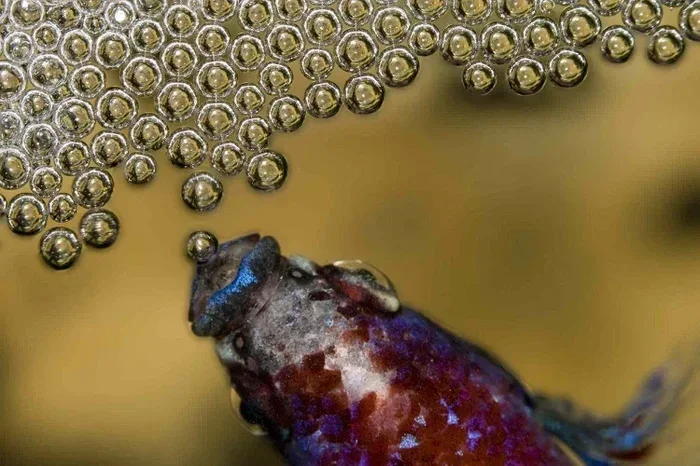
Male bettas are famous for building bubble nests. This behavior shows they feel safe and comfortable. If your betta builds bubbles at the surface, it is a great sign. It means the fish is in a relaxed state and ready to breed. Even if you do not plan to breed, bubble nests are a positive indicator.
Choosing the Right Tank Mates for Your Betta
Not all fish get along with bettas. Choosing the right tank mates for betta fish is one of the most important decisions you will make. The wrong combination can lead to fighting, stress, and even injury. The right mix, however, creates a beautiful and peaceful community aquarium.
If you are new to keeping bettas in community setups, start by learning what kinds of fish work well. Can I keep betta fish in my community tank? Yes, but the answer depends on the species you choose. Bettas do best with calm, non-aggressive fish that occupy different areas of the tank.
Best Tank Mates for Bettas
- Corydoras catfish: These small bottom-dwellers are peaceful and stay out of the betta’s way.
- Neon tetras: Their small size and gentle nature make them excellent community fish.
- Snails: Nerite snails and mystery snails clean algae without bothering your betta.
- Kuhli loaches: These quirky, nocturnal fish are shy and non-confrontational.
- Harlequin rasboras: They school together and rarely bother a betta.
Fish to Avoid
Some fish are too aggressive or fin-nippy for a betta community tank. Avoid keeping bettas with guppies, angelfish, or other long-finned fish. These species can trigger territorial behavior. Also, avoid fish that are too boisterous or fast-moving, as they may stress your betta out.
Can female betta fish live in a community tank? Yes, female bettas tend to be less aggressive than males. They can sometimes be kept in small groups called sororities. However, even female bettas need careful introductions and enough space to avoid conflict.
Setting Up a Community Tank for Your Betta
The setup of your tank plays a huge role in your betta’s happiness. A well-planned community tank setup gives every fish its own space and reduces tension. Take the time to design the aquarium with your betta’s needs in mind.
Tank Size Matters
A larger tank is always better for a community setup. A tank of at least 10 gallons gives your betta room to swim and claim its territory without feeling crowded. In a small tank, every fish is in each other’s space, which increases stress. If you want a thriving betta fish community tank, go bigger whenever possible.
Plants and Hiding Spots
Live plants are a wonderful addition to any betta community tank. They provide hiding spots, reduce stress, and improve water quality. Bettas love to rest on broad leaves like those of anubias or java fern. Adding caves, driftwood, and decorations gives every fish a place to retreat when needed.
Water Quality and Parameters
Clean, stable water is essential for a happy betta. Test your water regularly for ammonia, nitrite, and nitrate levels. Keep the temperature between 76 and 82 degrees Fahrenheit. Bettas are tropical fish and need warm, clean water to stay healthy. Regular water changes of 25 percent per week help maintain quality.
Filtration and Current
Betta fish prefer gentle water flow. Strong filters can stress them out and make it hard to swim. Use a sponge filter or adjust the output of your filter to create a soft current. This keeps the water clean without making your betta uncomfortable.
Common Problems When Keeping Bettas in Community Tanks
Even with the best planning, problems can arise. Being prepared helps you handle issues quickly and keep your fish healthy. Here are the most common challenges you may face.
Betta Fish Aggression
Male bettas are territorial by nature. They may flare at other fish, chase them, or even nip at fins. This behavior is more common in small tanks where fish cannot escape. If you notice aggression, separate the fish or rearrange the tank decorations to reset territories.
Competition for Food
In a community tank, faster fish often eat all the food before the betta gets its share. Bettas are slow eaters compared to many community fish. To solve this, use a feeding ring or target-feed your betta with a pipette. You can also learn more about what other fish in your tank can eat by checking if can my other community freshwater fish eat betta pellets — the answer is usually yes for most peaceful species.
Stress and Illness
A stressed betta is more vulnerable to diseases like ich, fin rot, and fungal infections. Signs of stress include clamped fins, loss of color, and staying at the bottom of the tank. If your betta stays at the bottom, it could be a sign of illness or discomfort. Monitor your fish daily and act quickly if you notice anything unusual.
Overcrowding
Too many fish in one tank creates waste and increases aggression. Follow the general rule of one gallon of water per inch of fish. Overcrowding leads to poor water quality, which affects every fish in the tank. Give your betta enough space to feel secure.
Final Thoughts on Betta Fish Community Tanks
So, is your betta fish happy in a community tank? With the right approach, the answer can be a confident yes. A well-planned community tank gives your betta a stimulating, safe, and beautiful environment. Focus on choosing peaceful tank mates, maintaining clean water, and watching for signs of stress or happiness.
Remember that every betta has its own personality. Some bettas are social and enjoy the company of other fish. Others prefer to be the only fish in the tank. Pay attention to your individual fish and adjust accordingly. The more you observe, the better you will understand your betta’s needs.
A happy betta fish in a community tank is a reward for thoughtful planning and consistent care. Take your time, learn from experience, and enjoy the process. Your aquarium will become a peaceful underwater world that you and your fish can both love.
Frequently Asked Questions
Can any betta fish live in a community tank?
Most male bettas can live in a community tank if the setup is right. However, some bettas are more aggressive than others. Female bettas tend to be less territorial and often do well in groups. Always observe your individual fish’s behavior before adding tank mates.
How many fish can I keep with a betta?
The number depends on your tank size. In a 10-gallon tank, 4 to 6 small peaceful fish work well alongside a betta. Avoid overcrowding, as it leads to stress and poor water quality. Always research each species before adding them to the tank.
What should I do if my betta is chasing other fish?
Chasing is a sign of territorial behavior. Try rearranging the tank decorations to break up territories. If the chasing continues, consider moving the betta to a separate tank or removing the fish that trigger the aggression. Providing more hiding spots can also help reduce conflict.
How often should I feed my betta in a community tank?
Feed your betta once or twice a day with small amounts of food. In a community tank, make sure your betta gets its share before faster fish eat everything. Use a feeding ring or target-feed your betta to ensure it gets enough nutrition.
Do bettas get lonely in a community tank?
Bettas do not necessarily get lonely, but they do benefit from a well-set-up environment. A community tank with peaceful fish and plenty of plants can provide mental stimulation. Watch your betta’s behavior to determine if it is content or stressed.
What water temperature is best for a betta in a community tank?
Keep the water temperature between 76 and 82 degrees Fahrenheit. Bettas are tropical fish and need warm water to stay healthy. Use a reliable heater and thermometer to maintain stable conditions. Sudden temperature changes can stress your fish.
=== CONCLUSION ===
Creating a happy betta fish community tank is one of the most rewarding experiences in aquarium keeping. By paying attention to your betta’s behavior, choosing the right tank mates, and maintaining a clean environment, you set the stage for a thriving aquarium. A content betta will reward you with stunning colors, curious behavior, and a peaceful presence in your home. Start with the basics, stay patient, and enjoy every moment of your betta’s community tank journey.