How to Care for a Betta Fish Eat
Knowing how to care for a betta fish eat routine is one of the most important parts of keeping your betta healthy and vibrant. This guide covers everything from the best foods and feeding schedules to common mistakes and expert tips. You will learn exactly what, when, and how much to feed your betta fish for a long and happy life.
Feeding your betta fish might seem simple, but there is a lot more to it than just dropping food in the tank. If you want your betta fish eat routine to keep your fish thriving, you need to understand what they like to eat, how much to give them, and how often. A proper feeding routine is the foundation of a healthy, colorful, and active betta.
Many new fish owners think bettas are easy to care for because they can survive in small bowls. That is a myth. A betta fish needs a balanced betta fish diet to stay healthy. Poor feeding habits lead to obesity, digestive problems, and even early death. This guide will walk you through everything you need to know about feeding your betta the right way.
Whether you just brought home your first betta or you have had one for years, this article will help you improve your feeding game. We will cover the best foods, how to build a feeding schedule, what to avoid, and how to spot feeding problems before they become serious issues.
Key Takeaways
- Feed your betta fish 2-3 small meals daily: Overfeeding is the #1 mistake new owners make and can cause serious health problems.
- Use a varied diet: Combine high-quality pellets with frozen or live foods like brine shrimp and bloodworms for complete nutrition.
- Watch for appetite changes: A betta fish that stops eating may be stressed, sick, or unhappy with its water conditions.
- Remove uneaten food quickly: Leftover food fouls the water and can lead to dangerous ammonia spikes.
- Follow a consistent feeding schedule: Routine helps your betta stay active, colorful, and eager to eat at mealtime.
- Soak pellets before feeding: This prevents constipation and swim bladder issues that are common in betta fish.
📑 Table of Contents
Why Proper Feeding Matters for Your Betta Fish
Feeding is not just about filling your betta’s belly. It directly affects their energy levels, colors, immune system, and lifespan. A betta fish eat plan that is well balanced keeps your fish looking bright and feeling strong. On the other hand, poor feeding can lead to a long list of health problems.
Betta fish are carnivores by nature. In the wild, they eat insects, larvae, and small crustaceans. This means they need a diet that is high in protein and low in fillers. Many cheap commercial fish foods are loaded with wheat, corn, and other ingredients that bettas cannot digest well. Choosing the right food is the first step toward better health for your fish.
How Diet Affects Betta Fish Health
A good diet supports strong immunity, vibrant colors, and a healthy digestive system. When your betta eats the right foods in the right amounts, you will notice they are more active, their fins look fuller, and their colors appear more vivid. Poor diet, on the other hand, can cause bloating, constipation, faded colors, and a weakened immune system that makes your fish vulnerable to diseases like ich and fin rot.
It is also important to remember that betta fish nutrition is not just about the food itself. Water quality plays a big role too. If the water in the tank is dirty, even the best food will not help your fish stay healthy. Regular water changes and proper filtration work hand in hand with a good feeding routine.
Best Foods for Your Betta Fish
Not all fish foods are created equal. When it comes to your betta, you want to choose foods that are high in protein and made for carnivorous fish. Here are the best options for your betta fish eat plan.
High-Quality Betta Pellets
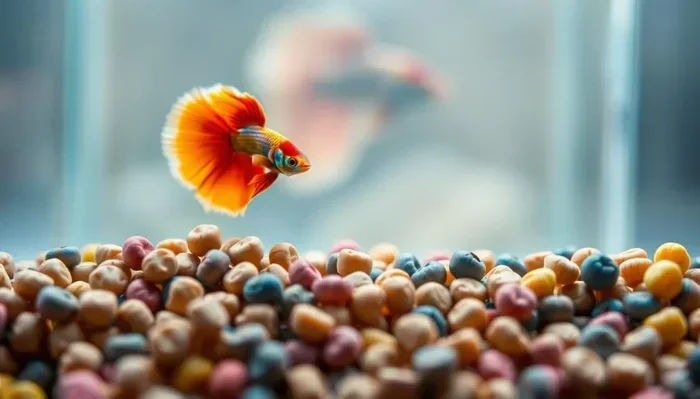
Betta pellets are the staple of most betta diets. Look for pellets that list fish meal or whole fish as the first ingredient. Avoid pellets that are full of fillers like corn flour or wheat flour. A good pellet should sink slowly, which is perfect for bettas that feed at the surface. Soak the pellets in a small cup of tank water for a few minutes before feeding. This prevents them from expanding in your fish’s stomach and causing constipation.
Frozen and Freeze-Dried Foods
Frozen and freeze-dried foods are excellent supplements to your betta’s diet. Brine shrimp, bloodworms, and daphnia are all great choices. These foods are packed with protein and mimic what bettas would eat in the wild. Feed frozen foods after thawing them in a small amount of tank water. Freeze-dried foods should also be soaked before feeding to prevent digestive issues.
Live Foods
Live foods are the closest thing to a natural diet for your betta. Mosquito larvae, micro worms, and live brine shrimp are excellent options. Many bettas go crazy for live foods because they trigger their natural hunting instincts. Live foods can be a bit harder to find and more expensive, but they are worth it as an occasional treat.
What About Flakes?
Flakes are not ideal for betta fish. They are designed for community fish and tend to lack the protein levels bettas need. Flakes also break apart quickly and can make the water dirty. If you must use flakes, choose a high-protein brand and only use them as a backup option.
How Often and How Much to Feed Your Betta
Getting the feeding frequency and portion size right is one of the most important parts of how to care for a betta fish eat routine. Most experts recommend feeding adult bettas two small meals per day. Some owners prefer three smaller meals spread throughout the day. Find a schedule that works for you and stick to it.
The Right Portion Size
A good rule of thumb is to feed your betta only what they can eat in two minutes. Start with two to three pellets per meal and adjust based on how fast your fish eats. If there is leftover food after a few minutes, remove it from the tank right away. Uneaten food decays quickly and releases harmful ammonia into the water.
Creating a Feeding Schedule
Consistency is key. Try to feed your betta at the same times every day. Many owners find success with morning and evening feedings. A predictable schedule helps your betta stay active and hungry at mealtimes. It also makes it easier for you to notice if your fish stops eating, which is often the first sign of illness.
If you are going on vacation, consider using an automatic fish feeder or asking a friend to feed your betta. Most bettas can safely go one to two days without food. In fact, many experts recommend fasting your betta for one day per week to help their digestive system stay healthy.
Common Feeding Mistakes to Avoid
Even well-meaning betta owners make feeding mistakes that can harm their fish. Here are the most common ones to watch out for.
Overfeeding
Overfeeding is the number one killer of pet bettas. Betta stomachs are tiny, about the size of their eye. When you give them too much food, it sits in their gut and causes bloating, constipation, and swim bladder disorder. Excess food also rots in the water and spikes ammonia levels. Always err on the side of feeding less rather than more.
Feeding Too Often
Some owners think feeding their betta every time they pass by the tank is a kind gesture. It is not. Overfeeding leads to obesity and poor water quality. Stick to your scheduled meals and skip treats if you have already given the full portion.
Ignoring Appetite Changes
If your betta suddenly stops eating, pay attention. Loss of appetite can be a sign of stress, illness, or poor water conditions. Check your water parameters and look for other symptoms like lethargy, faded colors, or clamped fins. If the problem persists, consult a fish health guide or a veterinarian who specializes in fish. You can learn more about caring for a betta that is not feeling well in our article on how to care for sick betta fish.
Skipping Water Changes
Dirty water affects your betta’s appetite and overall health. Food particles and waste build up quickly in small tanks. Regular water changes keep the environment clean and your betta hungry at mealtime. Make sure you are following a proper water change routine for your betta’s tank.
Special Feeding Considerations
Not all bettas are the same, and their feeding needs can vary based on age, health, and living conditions. Here are some special considerations to keep in mind.
Feeding Baby Betta Fish
Baby bettas, also called fry, need very small and frequent meals. They should be fed multiple times a day with finely crushed pellets or live foods like infusoria and baby brine shrimp. As they grow, you can gradually increase the size and reduce the frequency of their meals.
Feeding Senior Betta Fish
Older bettas may become less active and have a slower metabolism. They might need smaller portions and fewer meals per day. Watch your senior betta closely and adjust their feeding routine as needed to keep them comfortable and healthy.
Feeding a Sick Betta
When a betta is sick, getting them to eat is a top priority. Sick fish often lose their appetite, which makes recovery harder. Try offering their favorite food or soaking pellets in garlic water to stimulate their appetite. For more detailed advice on feeding a sick betta, check out our guide on caring for sick betta fish.
The Role of Water Quality in Feeding
Clean water encourages a healthy appetite. If the water in your betta’s tank is dirty or has high ammonia levels, your fish will likely eat less or refuse food altogether. Make sure you are keeping the water parameters stable with regular testing and maintenance. Learn how to prepare the best water for your betta in our article on how to prepare water for a betta fish.
Quick Tips for a Perfect Betta Feeding Routine
- Feed small amounts twice a day and remove any uneaten food after two minutes.
- Soak pellets before feeding to prevent digestive problems and constipation.
- Vary the diet with pellets, frozen foods, and occasional live foods for the best nutrition.
- Fast your betta one day per week to give their digestive system a break.
- Feed at the same times daily to build a consistent routine.
- Watch your betta’s appetite and adjust portions if they leave food behind.
- Keep the water clean because dirty water kills appetite and causes illness.
Key Takeaways
- A proper feeding routine is essential: Feed your betta two small meals per day with portions they can finish in two minutes.
- Choose high-protein foods: Quality pellets, frozen brine shrimp, bloodworms, and live foods make the best diet for bettas.
- Avoid overfeeding at all costs: Overfeeding causes bloating, constipation, and poor water quality that can be fatal.
- Soak dry foods before feeding: This simple step prevents digestive issues and swim bladder problems.
- Monitor appetite and adjust: A betta that stops eating may be stressed or sick, so act quickly if you notice changes.
- Pair feeding with clean water: Regular water changes and proper filtration support a healthy appetite and strong immunity.
- Be consistent: A steady feeding schedule keeps your betta active, colorful, and healthy for years to come.
Conclusion
Learning how to care for a betta fish eat routine properly is one of the best things you can do for your fish. A balanced diet, consistent schedule, and careful portion control will keep your betta looking and feeling its best. Remember that feeding is not just about putting food in the water. It is about understanding what your betta needs to thrive.
Start by choosing high-quality foods and building a simple feeding schedule you can stick to every day. Watch your betta closely during meals and adjust as needed. With the right approach, your betta will be active, colorful, and full of life for many years to come. Happy feeding!
Frequently Asked Questions
How often should I feed my betta fish?
Feed your betta fish two small meals per day, spaced about 12 hours apart. Some owners prefer three smaller meals throughout the day. The key is consistency and not giving more than your betta can eat in two minutes.
What is the best food for betta fish?
High-quality betta pellets should be the staple of your betta’s diet. Supplement with frozen or freeze-dried brine shrimp, bloodworms, and daphnia for variety and extra nutrition. Live foods like mosquito larvae are also excellent as occasional treats.
Can I overfeed my betta fish?
Yes, overfeeding is one of the most common and dangerous mistakes betta owners make. Betta stomachs are very small, and excess food causes bloating, constipation, and poor water quality. Always feed only what your betta can consume in two minutes.
Why has my betta fish stopped eating?
A betta that stops eating may be stressed, sick, or unhappy with water conditions. Check your water parameters first, then look for other symptoms like lethargy or faded colors. If the problem continues for more than two days, take action to address potential health issues.
Should I fast my betta fish?
Yes, fasting your betta for one day per week is highly recommended. It gives their digestive system a break and helps prevent constipation and bloating. Most bettas can easily go 24 hours without food without any negative effects.
Can betta fish eat human food?
Betta fish should not eat regular human food. Foods like bread, crackers, and cooked vegetables lack the protein bettas need and can cause digestive problems. Stick to specially formulated betta foods and occasional protein-rich treats like brine shrimp or bloodworms.