Is My Betta Fish Female or Male
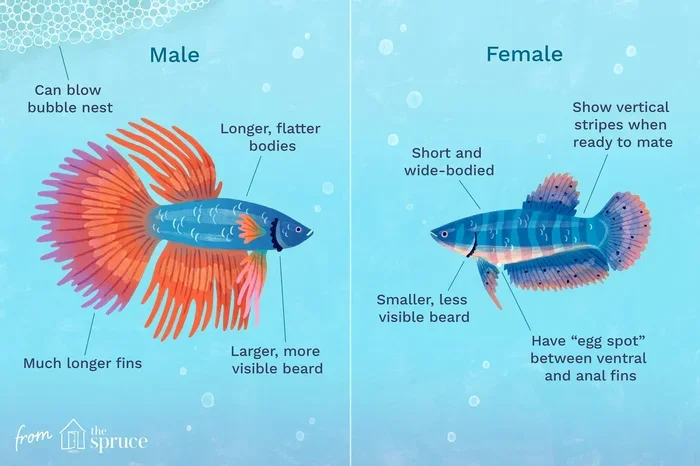
Figuring out if your betta fish is female or male is easier than you think. You can spot the differences by looking at body shape, fin length, and color patterns. This guide walks you through every clue so you can confidently identify your betta’s gender.
Have you ever stared at your betta fish and wondered, is my betta fish female or male? It is a question almost every betta owner asks at some point. The good news is that you do not need a microscope or a degree in marine biology to figure it out.
Betta fish, also known as Siamese fighting fish, have clear physical and behavioral differences between the sexes. Once you know what to look for, you will be able to tell them apart in seconds. Whether you are a new fish owner or have had bettas for years, this guide will help you identify betta fish male or female with confidence.
In this article, we will cover every clue your betta gives you. From body shape and fin length to behavior and breeding signs, you will learn it all. By the end, you will never second-guess your betta’s gender again.
Key Takeaways
- Body shape and size: Female bettas are typically shorter and wider, while males have a more elongated body.
- Fin differences: Males have longer, flowing fins, whereas females have shorter, more rounded fins.
- Color intensity: Males tend to display brighter and more vivid colors than females.
- Bubble nests: Only male bettas build bubble nests, which is a clear gender indicator.
- Egg spot: Females have a small white spot near their belly called an ovipositor.
- Behavioral cues: Males are more aggressive and territorial, especially during breeding.
- Why it matters: Knowing the gender helps with tank setup, breeding plans, and proper care.
📑 Table of Contents
How to Tell if Your Betta Fish Is Male or Female
The first step in answering the question is my betta fish female or male is understanding the basic differences. Male and female bettas look and act differently. These differences start to show when they are about three to four months old. Before that age, it can be tricky, but there are still some hints to watch for.
If you want a detailed walkthrough of the identification process, check out our guide on how to identify betta fish male or female. It covers every physical trait in depth. Below, we break down the main signs you can observe at home.
Body Shape and Size
One of the easiest ways to tell the difference is by looking at the body. Female bettas tend to have a shorter, rounder body shape. Their belly may look slightly wider, especially when they are carrying eggs. Male bettas, on the other hand, have a long, slender body that tapers toward the tail.
Hold your betta near the light and look at its silhouette. A male will appear more streamlined. A female will look a bit plumper, especially from the side. This difference is not always extreme, but once you know what to look for, it becomes very clear.
Fin Length and Shape
Fin differences are one of the most obvious clues. Male betta fish have dramatically long fins. Their dorsal fin, tail fin, and anal fin all flow gracefully behind them. This is what gives male bettas their stunning, dramatic look.
Female bettas have much shorter fins. Their fins are still pretty, but they sit closer to the body. The tail fin is more rounded and compact. If your betta has long, flowing fins that drag slightly behind it, there is a good chance it is a male.
Color Intensity
Males tend to be the more colorful sex. Their scales shine with deep blues, vivid reds, and bright greens. This is because males need to attract mates and defend their territory. The brighter the color, the more likely you are looking at a male.
Females are usually more muted in color. They may still be beautiful, but their hues are softer and less intense. Some female bettas do show bright colors, but this is less common. If you have a brilliantly colored betta, odds are it is a male.
Behavioral Differences to Watch For
Beyond looks, bettas also behave differently based on their gender. Watching your fish’s behavior can give you strong clues about whether it is male or female. Here are the key behavioral signs to keep in mind.
Bubble Nest Building
If you see bubbles floating at the surface of the water, your betta is likely a male. Males build bubble nests as part of their breeding behavior. They blow tiny bubbles and stick them together to create a floating cluster. This is one of the most reliable signs that your betta is male.
For more details on why male bettas do this, read our article on why is my male betta fish making a bubble nest. Female bettas do not build bubble nests, so if you see one, you have your answer.
Flaring and Aggression
Male bettas are known for flaring their gills and fins to look bigger and more intimidating. They do this when they see another male, their own reflection, or even when they feel threatened. Females can flare too, but they do it less often and less dramatically.
Male bettas are also more territorial. They may chase other fish or flare at their own reflection for hours. Females tend to be calmer and more social, especially when kept in groups. If your betta is a fierce flarer, it is probably a male.
Courtship Behavior
If you have both a male and a female in the same tank or in separate tanks nearby, you may see courtship behavior. The male will build a bubble nest and try to impress the female by flaring and dancing around her. The female will respond by darkening in color and releasing eggs.
This behavior is a clear sign of both genders. If you want to learn more about keeping males and females together safely, our article on can you put male and female betta fish together has helpful tips.
Physical Signs Unique to Female Betta Fish
Females have some unique physical features that males do not share. Learning these signs makes identification much easier.
The Egg Spot
One of the most reliable signs of a female betta is the egg spot, also called the ovipositor. It is a small, white dot located on the underside of the fish, near the belly. This is where the female releases her eggs during breeding.
Not all females show a visible egg spot, especially if they are not mature or not ready to breed. But when it is present, it is a dead giveaway. Males do not have this spot. If you see a tiny white dot on your betta’s belly, you are most likely looking at a female.
White Stripes and Color Changes
Female bettas sometimes develop vertical stripes on their bodies when they are ready to breed. These stripes are called breeding bars. They appear as faint white or light lines running along the sides of the fish.
Males do not show breeding bars. If your betta suddenly develops stripes, it is a strong indicator of a female. Some females also become darker in color during breeding readiness, which is another clue to watch for.
Body Width and Ventral Fins
Females have a wider body overall, especially around the midsection. This is because their body is designed to carry and release eggs. Their ventral fins (the small fins near the belly) are also shorter and less pointed than a male’s.
When you look at your betta from above, a female’s body will appear broader. A male’s body will look narrow and elongated. This difference is easiest to see in adult bettas that are fully grown.
Common Mistakes People Make When Identifying Betta Gender
Even experienced fish keepers sometimes make mistakes when determining betta fish gender. Here are the most common errors to avoid.
Relying Only on Color
While males are usually more colorful, some females can be surprisingly bright. Color alone is not a reliable way to determine gender. Always look at multiple signs, including body shape, fin length, and behavior.
Checking Too Early
Young bettas under three months old may not show clear gender differences yet. If you have a very young fish, wait a few weeks and check again. The differences become much more obvious as the fish matures.
Confusing Fin Length with Injury
Sometimes a male betta’s fins may look shorter if they are damaged or torn. This does not mean the fish is female. Look at the overall body shape and other signs before making a conclusion. Healthy male fins will grow back long and flowing over time.
Assuming All Females Are Dull
This is a big misconception. Some female bettas are quite colorful, especially certain breeding lines. Do not assume a bright-colored fish is automatically male. Always check the body shape and look for the egg spot.
Why Knowing Your Betta’s Gender Matters
You might be wondering why it even matters whether your betta is male or female. The truth is, gender plays a big role in how you care for your fish and set up its tank.
Male bettas should never be housed together. They will fight, and the results can be deadly. Females can sometimes be kept in small groups, but even they need careful planning. Knowing the gender helps you make the right decisions about tank mates and tank size.
If you are interested in breeding, you need to know both genders. Breeding bettas requires specific conditions and a careful approach. You can learn more about can male and female betta fish mate in our detailed breeding guide.
Gender also affects feeding habits and health monitoring. Females may need different care during breeding periods, and males may show different stress behaviors. Understanding these differences helps you provide better care overall.
Quick Tips for Identifying Your Betta’s Gender
- Look at the body shape: Wider and rounder means female; longer and slender means male.
- Check the fins: Long, flowing fins point to male; short, rounded fins point to female.
- Watch for bubble nests: Only males build them.
- Search for the egg spot: A small white dot near the belly means female.
- Observe behavior: Frequent flaring and aggression suggest a male.
- Look for breeding bars: Vertical stripes indicate a female ready to breed.
- Compare colors: Brighter and more vivid usually means male.
Keep these tips in mind the next time you look at your betta. With a little practice, you will be able to tell the gender almost instantly.
Final Thoughts
So, is my betta fish female or male? Now you have all the tools to find out. From body shape and fin length to bubble nests and egg spots, your betta gives you plenty of clues. The key is to look at multiple signs together rather than relying on just one.
Every betta fish is unique, and some individuals may not fit the typical patterns perfectly. That is okay. Use the guidelines in this article as your starting point, and you will get more accurate over time. If you are ever unsure, a quick search for how to find betta fish male or female can give you extra guidance.
Knowing your betta’s gender is not just a fun fact. It is an important part of being a responsible fish owner. It helps you set up the right tank, choose compatible tank mates, and provide the best possible care. Take your time, observe your fish closely, and enjoy the process of getting to know your betta.
Whether your betta is a dazzling male or a graceful female, every fish deserves love and proper care. Now that you know how to tell them apart, you are one step closer to being the best betta owner you can be.
Frequently Asked Questions
How early can you tell if a betta fish is male or female?
Most bettas show clear gender differences by the time they are three to four months old. Before that age, it can be difficult to tell them apart. Wait until your fish is fully growing and then check for body shape, fin length, and other signs.
Can female betta fish build bubble nests?
No, bubble nests are built exclusively by male bettas. If you see bubbles clustered at the surface, your betta is almost certainly a male. Females do not exhibit this behavior.
Do female betta fish have fins as long as males?
No, female bettas have significantly shorter fins compared to males. Male fins are long, flowing, and dramatic, while female fins are short and compact. Fin length is one of the easiest ways to tell the two apart.
What does a female betta fish look like when ready to breed?
A female ready to breed will often develop vertical white stripes called breeding bars. Her color may darken, and her belly will look rounder. She will also have a visible egg spot near her ventral area.
Is it possible to keep a male and female betta together?
Yes, but it requires careful planning. Males and females should only be together during brief breeding periods or in large, well-planted tanks with plenty of hiding spots. Always monitor them closely for signs of aggression.
Why is my betta fish chasing other fish?
Male bettas are naturally territorial and may chase other fish, especially those with bright colors or long fins. If your betta is chasing others, it is likely a male. Providing more space and hiding spots can help reduce this behavior.
=== CONCLUSION ===
Figuring out if your betta fish is female or male does not have to be confusing. With the right knowledge, you can spot the differences quickly and confidently. Remember to check the body shape, fin length, color intensity, and behavior. Look for bubble nests, egg spots, and breeding bars. Each clue brings you closer to the answer.
Use the quick tips and guidelines from this article every time you observe your betta. Over time, identifying gender will become second nature. Your fish will benefit from the better care that comes with understanding its needs. Happy fish keeping!