Is My Betta Fish Eating
Is my betta fish eating? If your betta has stopped feeding, it could be due to stress, water conditions, illness, or simply being a picky eater. This guide covers the most common reasons betta fish stop eating and gives you clear, actionable steps to bring back their healthy appetite.
Is my betta fish eating? This is one of the most common questions new betta owners ask. If your betta fish not eating, it can feel scary and confusing. But the truth is, there are many reasons this happens. Most of them are easy to fix once you know what to look for.
Your betta fish has a healthy appetite when everything in its environment is right. But when something changes — whether it is the water temperature, the food you offer, or stress from a new tank — your fish may refuse to eat. Understanding why your betta is not eating is the first step toward solving the problem.
In this guide, we will walk through every possible reason your betta fish might be skipping meals. We will also cover what you can do to get them eating again. Whether your fish is a picky betta eater or showing signs of illness, you will find helpful advice here. Let us dive in and figure out what is going on with your fish.
Key Takeaways
- Betta fish can skip meals for many reasons, including stress, temperature changes, and food preferences.
- Watch for key signs like refusing food, spitting out pellets, or swimming away from the surface during feeding time.
- Water quality and tank temperature play a huge role in your betta’s willingness to eat.
- Try different food types such as live brine shrimp or frozen bloodworms to spark appetite.
- Know when to see a vet if your betta fish is not eating for more than a few days.
- Avoid overfeeding, which can cause serious health problems and appetite loss.
📑 Table of Contents
- Is My Betta Fish Eating? Understanding Normal Feeding Behavior
- Common Reasons Why Your Betta Fish Is Not Eating
- How to Tell If Your Betta Fish Is Actually Hungry
- What To Do If My Betta Fish Is Not Eating
- How To Build a Feeding Routine Your Betta Will Love
- When Not Eating Is Normal (And When To Worry)
- Expert Tips for Keeping Your Betta Fish Healthy and Eating Well
- Common Mistakes Bettas Owners Make With Feeding
- Conclusion
Is My Betta Fish Eating? Understanding Normal Feeding Behavior
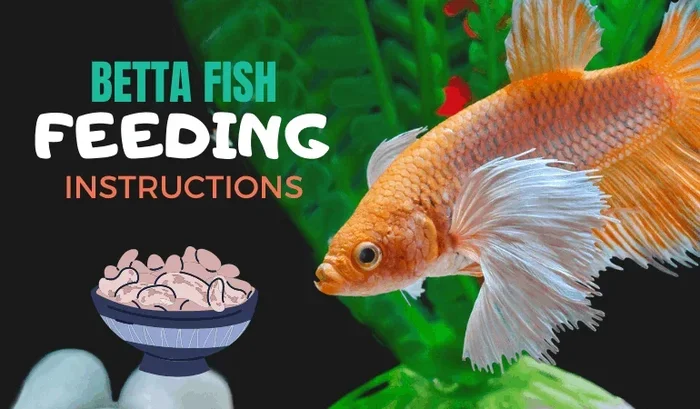
Before you worry, it helps to know what normal feeding looks like for a betta fish. Bettas are natural hunters. In the wild, they eat small insects, larvae, and tiny crustaceans. In captivity, they expect regular meals at the surface of the water.
A healthy adult betta should eat once or twice a day. Most experts recommend feeding a small amount of food — about two to three pellets per meal. Your fish should eat within a few minutes. If food sits at the bottom of the tank for more than five minutes, your betta is likely not interested.
What Does a Healthy Betta Appetite Look Like?
A betta with a good appetite will swim to the top of the tank when it is feeding time. They will eat eagerly and may even show excitement by flaring their fins slightly. After eating, they should swim away calmly and rest near their favorite spot.
Keep in mind that bettas are not bottom feeders. If your fish is betta fish sinking and not eating, that is a different issue worth investigating. Bettas naturally feed at or near the surface. Their long fins make it hard for them to hang out at the bottom for long periods.
Common Reasons Why Your Betta Fish Is Not Eating
If your betta has stopped eating, do not panic right away. There are many possible causes, and most are not life-threatening. Let us go through the most common ones.
1. Stress and New Environment
The number one reason a betta fish is not eating is stress. If you just brought your fish home, they need time to adjust. A new tank, new water, and new surroundings can overwhelm your betta. This is very normal and usually temporary.
Many owners report that their new betta fish not eating for the first two or three days. This is a classic sign of adjustment stress. Give your fish some quiet time. Dim the lights and avoid tapping on the glass. Within a few days, most bettas settle in and start eating normally.
2. Water Temperature Too Low
Bettas are tropical fish. They need warm water to stay active and hungry. If the tank temperature drops below 76 degrees Fahrenheit, your betta’s metabolism slows down. A slow metabolism means less energy and less interest in food.
Can betta fish live in cold water? The short answer is no, not for long. Cold water makes bettas sluggish and weak. If your tank is too cool, your fish may stop eating entirely. Investing in a reliable aquarium heater is one of the best things you can do for your betta’s health and appetite.
3. Poor Water Quality
Dirty water is a silent killer for betta fish. When ammonia and nitrite levels rise in the tank, your fish feels unwell. A fish that does not feel well will not eat. Even if the water looks clear, harmful chemicals can build up over time.
Test your water regularly with a liquid test kit. Keep ammonia and nitrite at zero. Nitrate should stay below 20 parts per million. Regular water changes — about 25 to 30 percent every week — will help keep your betta healthy and hungry.
4. Food Preferences and Boredom
Here is something many owners do not realize: bettas can get bored of the same food. If you have been feeding the same brand of pellets for months, your fish may simply refuse it. Bettas are curious eaters and enjoy variety.
Some fish are picky eaters by nature. If your betta is spitting out food, this might just mean they do not like what you are offering. Try rotating between high-quality pellets, frozen bloodworms, and live brine shrimp. A varied diet keeps your betta interested at mealtime.
5. Illness and Disease
Sometimes a loss of appetite signals something more serious. If your betta is not eating and also showing other symptoms, illness could be the cause. Look for signs like clamped fins, white spots, redness, bloating, or unusual swimming patterns.
Common diseases that cause appetite loss include ich, fin rot, and swim bladder disorder. If you suspect your fish is sick, isolate it in a quarantine tank and start treatment right away. Early intervention makes a big difference in recovery.
How to Tell If Your Betta Fish Is Actually Hungry
It can be tricky to read your betta’s hunger cues. Bettas are expressive fish, but their behavior can be confusing. Here are some clear signs your fish is genuinely hungry.
- Swimming to the top of the tank when you approach or when it is near feeding time.
- Flaring or pacing near the surface, especially if they see you with food.
- Checking the water surface repeatedly, almost as if they are looking for food.
- Becoming more active when the light turns on, signaling they are ready for the day.
On the flip side, a betta that is not hungry will often ignore food completely. They may swim away from sinking pellets or simply stay still at the bottom of the tank. If your fish is betta fish not moving or eating, check the water temperature first. Cold water often mimics hunger loss and lethargy.
What To Do If My Betta Fish Is Not Eating
If your betta has stopped eating, there are several steps you can take at home before seeking professional help. Most feeding problems are manageable with simple adjustments.
Step 1: Check Your Water Parameters
Start by testing the water. Check the temperature, pH, ammonia, nitrite, and nitrate levels. If anything is off, perform a partial water change immediately. Clean, warm water can quickly restore your betta’s appetite.
Step 2: Offer Different Food
Switch up what you are feeding. If your betta is not eating pellets, try a different brand or type. Some bettas prefer flakes over pellets, and vice versa. You can also offer frozen or live foods like daphnia, brine shrimp, or mosquito larvae. These are closer to what bettas eat in the wild and often trigger a strong feeding response.
Step 3: Fast Your Fish
Fasting might sound counterintuitive, but it can actually help. Giving your betta a break from food for one to two days can reset their appetite. Bettas can safely go several days without eating. Just make sure the water quality is excellent during the fast.
Step 4: Reduce Stress
Make sure your betta’s environment is calm. Avoid loud noises near the tank, keep the lights on a consistent schedule, and do not add new tank mates without proper acclimation. A stress-free betta is a hungry betta.
Step 5: When To Seek Help
If your betta still will not eat after trying all of the above, it is time to consult a fish veterinarian or a knowledgeable aquatics specialist. Persistent appetite loss can be a sign of a serious health issue that needs professional treatment.
How To Build a Feeding Routine Your Betta Will Love
Consistency is key when it comes to feeding betta fish. A regular schedule helps your fish feel secure and confident about mealtimes. Here is how to build a routine that works.
Choose the Right Feeding Schedule
Feed your betta once in the morning and once in the evening. Keep the portions small — just enough food that your fish can finish in two to three minutes. Overfeeding is a common mistake that leads to obesity, bloating, and poor water quality.
Watch for Overeating Signs
Can betta fish eat too much? Yes, they can. Overeating can cause swim bladder problems and even death in severe cases. If your betta is eating too much, you may notice a bloated belly, constipation, or food floating uneaten in the tank. Always remove leftover food after feeding to keep the tank clean.
Add Feeding Variety
Rotating foods keeps mealtime exciting. Try offering pellets on Monday, frozen bloodworms on Wednesday, and live brine shrimp on Friday. This variety mimics a natural diet and ensures your betta gets balanced nutrition.
When Not Eating Is Normal (And When To Worry)
Not every skipped meal is a cause for alarm. Bettas are individuals, and some are naturally less interested in food than others. Understanding the difference between normal behavior and a warning sign is important.
If your betta skips a meal occasionally but otherwise acts normal, there is usually no reason to worry. Bettas can go a day or two without eating without any health consequences. However, if your fish goes more than three days without eating and shows other symptoms like lethargy, color loss, or unusual swimming, you should take action.
Also consider the context. If you just changed the water, moved the tank, or added new decorations, your betta might simply be taking time to adjust. Give them a few days. But if your betta is not eating and hiding for an extended period, that combination often points to stress or illness that needs attention.
Remember that every betta is different. Some are voracious eaters who beg for food at the slightest movement near the tank. Others are calm and measured, eating only when they feel like it. Knowing your individual fish’s personality and habits makes it much easier to spot when something is truly wrong.
Expert Tips for Keeping Your Betta Fish Healthy and Eating Well
Prevention is always better than cure. Here are some expert-backed tips to keep your betta fish healthy and maintain a strong appetite.
- Keep the water warm and stable. A heater set between 78 and 80 degrees Fahrenheit is ideal for bettas.
- Perform regular water changes. Weekly changes of 25 to 30 percent prevent toxin buildup and keep your fish comfortable.
- Use high-quality food. Look for betta-specific pellets with real animal protein as the first ingredient. Avoid cheap fillers like corn and wheat.
- Feed smaller portions more often. Two small meals per day is better than one large one.
- Observe your fish daily. Spend a few minutes each day watching your betta. Early detection of changes in behavior can prevent bigger problems later.
- Do not overcrowd the tank. Bettas do best in tanks of at least 5 gallons with peaceful tank mates or none at all.
Common Mistakes Bettas Owners Make With Feeding
Even experienced fish keepers make feeding mistakes. Here are a few to avoid:
- Overfeeding: This is the most common mistake. Excess food rots in the water and raises ammonia levels quickly.
- Feeding the wrong foods: Tropical flakes designed for community tanks do not meet a betta’s nutritional needs. Always choose betta-specific foods.
- Ignoring feeding cues: If your fish spits out food, try something different. Do not just keep offering the same food they refuse.
- Skipping water changes: Dirty water suppresses appetite and leads to illness over time.
- Not enough variety: A diet of only pellets can lead to boredom and food refusal. Rotate foods regularly.
If you notice your betta is eating then spitting it out, this is often a sign that the food is too large or the fish does not like the type. Try breaking pellets in half or switching to a different food source. Also, if your betta is not eating bloodworms despite loving them before, it could indicate a temporary appetite dip or an underlying issue worth monitoring.
Remember that a healthy appetite is one of the best indicators of a healthy betta fish. Paying attention to feeding habits gives you valuable insight into your fish’s overall well-being. Stay observant, stay consistent, and your betta will thrive.
Conclusion
So, is my betta fish eating? If your fish has stopped feeding, take a deep breath and work through the possible causes one by one. Check the water temperature, test the water quality, offer different foods, and reduce stress in the environment. Most feeding issues resolve with simple adjustments. Understanding why your betta fish is not eating puts you in the best position to help them recover quickly. Stay patient, stay observant, and trust your instincts as a fish owner. Your betta will thank you with a healthy appetite and vibrant colors.
Frequently Asked Questions
Why is my betta fish not eating but still alive?
A betta fish that is not eating but still swimming and alert is likely dealing with stress, a change in environment, or a temporary appetite dip. Check the water temperature and quality first, as these are the most common hidden causes. Often, a simple water change or offering a different food type will get their appetite back within a day or two.
How long can a betta fish go without eating?
A healthy adult betta can safely go three to five days without food. In fact, a short fast can be beneficial for their digestive system. However, if your fish goes longer than five days without eating, you should start troubleshooting the cause and consider consulting a fish health specialist.
Is it normal for a new betta fish to not eat for the first few days?
Yes, it is very normal. A new betta needs time to adjust to a new tank, new water, and new surroundings. Most bettas start eating within two to three days of being placed in their new home. Keep the environment calm and quiet, and avoid disturbing them during this adjustment period.
What should I do if my betta fish spits out its food?
Spitting out food is a common betta behavior and usually not a cause for alarm. It can mean the food is too large, the fish is bored with the same food, or they simply do not like it. Try breaking pellets into smaller pieces or offering a different food type like frozen daphnia or live brine shrimp to spark their interest.
Can overfeeding cause a betta fish to stop eating?
Yes, overfeeding can lead to bloating, swim bladder issues, and appetite loss. If your betta has been eating too much, try fasting them for one to two days to let their digestive system reset. After the fast, offer a small, healthy portion and avoid feeding again until the next scheduled meal.
When should I be worried about my betta not eating?
You should be concerned if your betta has not eaten for more than three days and is showing other symptoms like lethargy, color loss, clamped fins, or unusual swimming. These signs together may indicate illness or poor water conditions that need immediate attention. In that case, test the water and consider consulting a veterinarian who specializes in fish health.