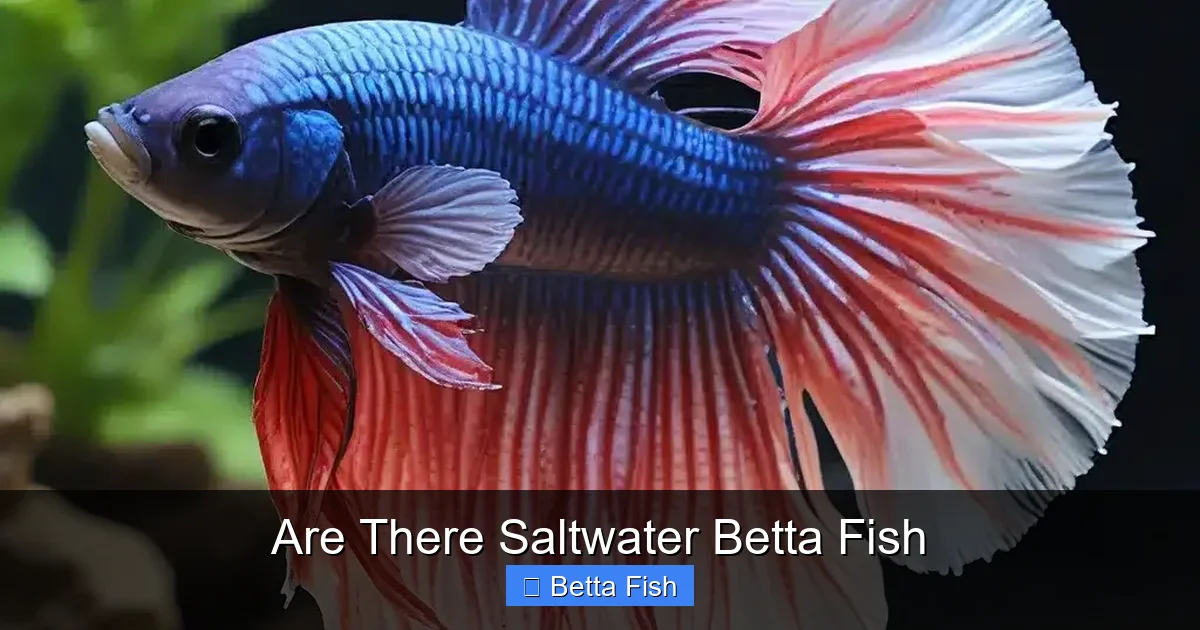
Are There Saltwater Betta Fish
Betta fish are fresh‑water natives, not true saltwater dwellers. While some hobbyists experiment with low‑grade brine, true saltwater bettas don’t exist in nature. This guide explains the science, the risks, and the best ways to keep your betta happy.
Key Takeaways
- Betta origins: All wild bettas come from fresh water streams and rice paddies in Southeast Asia.
- Salt tolerance: Betta skin can handle a mild salt dip, but long‑term marine conditions are lethal.
- “Saltwater betta” myths: The term usually describes a temporary treatment, not a permanent habitat.
- Health risks: Improper salinity can cause stress, osmoregulation failure, and death.
- Best practice: Keep bettas in a properly conditioned freshwater tank with occasional low‑dose salt baths.
- Alternative marine‑looking fish: If you crave a saltwater vibe, consider dwarf gouramis or marine betta‑like species.
- Research matters: Always check reliable sources before altering water chemistry.
📑 Table of Contents
Introduction: The Saltwater Question
When you first hear the word “betta,” you probably picture a vibrant fish flaring its fins in a tiny bowl. The next question that pops into many hobbyists’ heads is, are there saltwater betta fish? The internet is full of conflicting advice—some sellers claim you can keep bettas in marine tanks, while others warn that the fish will die within days.
Let’s clear the water. This article breaks down the biology of bettas, explains why they are fundamentally freshwater creatures, and shows you the safe ways to use salt in their care. By the end, you’ll know exactly what “saltwater betta” really means and how to give your fish the healthiest environment possible.
1. Betta Biology: Freshwater Roots
Natural Habitat
Wild betta splendens hail from the shallow, slow‑moving streams, rice paddies, and flood‑plain pools of Thailand, Cambodia, and Vietnam. These waters are low in minerals, soft, and often slightly acidic (pH 6.0‑7.0). The fish have evolved to thrive in water that can evaporate quickly, leaving behind a thin film of natural salts that they can tolerate for short periods.
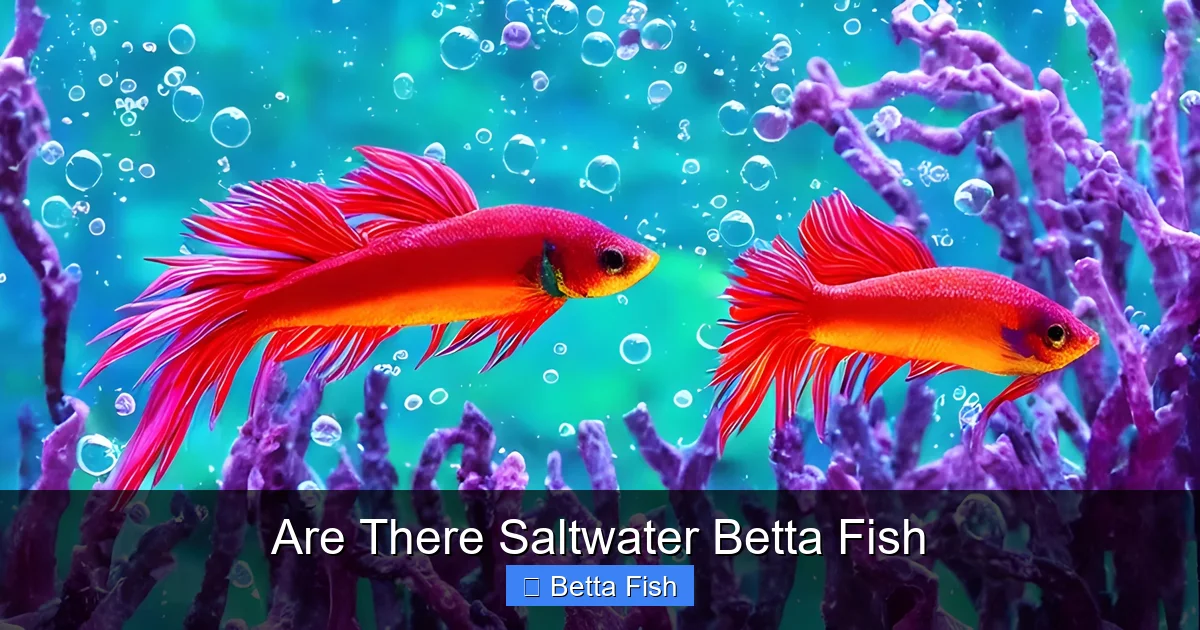
Visual guide about Are There Saltwater Betta Fish
Image source: tankofish.com
Physiology and Osmoregulation
Betta fish regulate their internal salt balance through specialized cells in their gills and kidneys. In a freshwater environment, they constantly take in water and excrete excess salts. Switch them to a high‑salinity tank, and their kidneys cannot keep up—leading to dehydration, organ failure, and death.
Why the Misconception?
Occasional “salt baths” are a common treatment for parasites and fungal infections. Because a small amount of marine salt can soothe a betta’s skin, hobbyists sometimes mistake this therapeutic use for a permanent habitat requirement. This is a classic case of misunderstanding a short‑term remedy for a long‑term lifestyle.
2. The Truth About “Saltwater Betta” Claims
Marketing Gimmicks
Some online stores list “saltwater betta fish” as a product, but they are usually describing a betta that has been treated with a low‑dose salt solution before shipping. The fish remain freshwater species; the label is purely a sales hook.

Visual guide about Are There Saltwater Betta Fish
Image source: curacao-nature.com
Scientific Consensus
Research published by freshwater ichthyologists confirms that bettas lack the physiological adaptations needed for true marine environments. In short, there are no naturally occurring saltwater betta fish. Any claim otherwise is either a misinterpretation or a deliberate marketing ploy.
Case Study: Failed Marine Betta Experiment
In 2018, an aquarium hobbyist attempted to keep a male betta in a 10‑gallon reef tank with a specific gravity of 1.020. Within 48 hours, the fish showed signs of lethargy, loss of color, and swollen gills. The betta died despite the hobbyist’s careful monitoring. The incident was documented in several hobby forums and reinforced the consensus that bettas cannot survive long‑term in saltwater.
3. Safe Use of Salt in Betta Care
When to Add Salt
Adding a small amount of aquarium salt can help with:
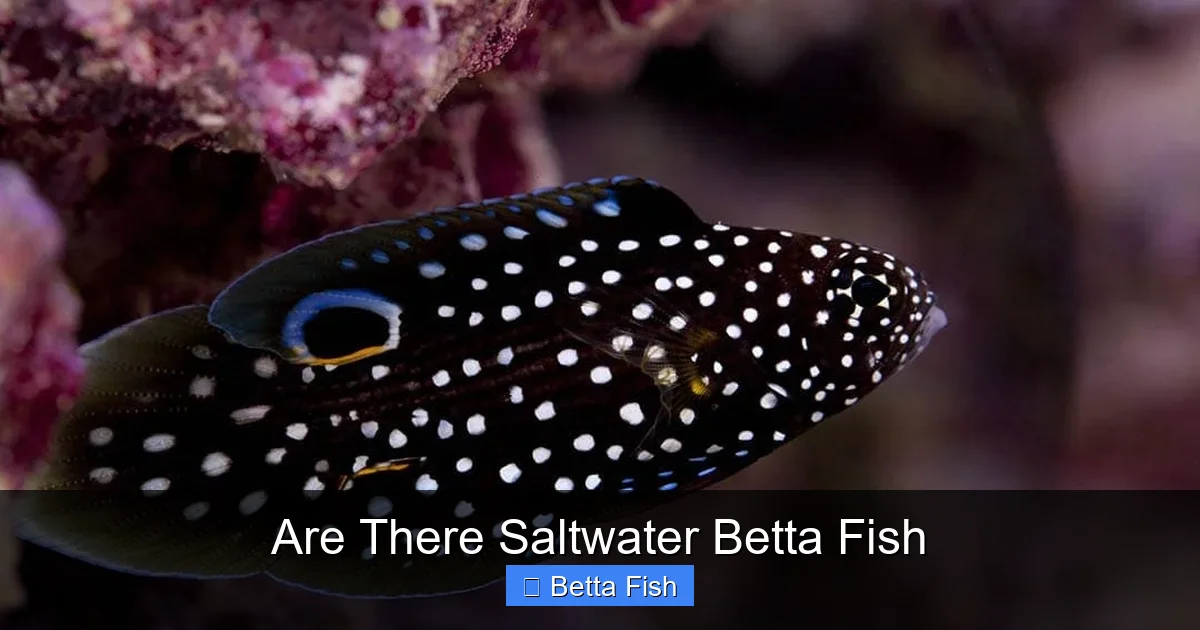
Visual guide about Are There Saltwater Betta Fish
Image source: hepper.com
- Treating external parasites (e.g., ich)
- Reducing stress during transport
- Preventing fungal infections after a cut
The typical dosage is 1 gram of non‑iodized marine salt per 5 gallons of water, used for a 24‑hour bath, then fully rinsed.
Step‑by‑Step Salt Bath
- Prepare a separate container with the same water temperature as the main tank.
- Dissolve the correct amount of salt (about a pinch per gallon).
- Gently place the betta in the solution for 15‑30 minutes.
- Observe for any signs of distress; if the fish becomes frantic, remove it immediately.
- Return the betta to its regular freshwater tank and monitor for improvement.
Common Mistakes
Do not add salt directly to the main tank as a permanent additive. This raises the specific gravity and can kill beneficial bacteria, plant life, and the betta itself. Always use a separate treatment container.
4. Alternatives for a “Marine Look”
Marine‑Like Freshwater Species
If you love the turquoise or neon blues often seen in reef tanks, consider these freshwater options that thrive in similar lighting:
- Dwarf Gourami (Trichogaster lalius): Displays vivid blues and reds.
- Celestial Pearl Danio (Danio margaritatus): Small, sparkling, and loves planted tanks.
- Rainbowfish (Melanotaenia spp.): Known for iridescent scales that reflect light like marine fish.
Setting Up a Reef‑Style Freshwater Tank
Use LED lighting that mimics oceanic spectra, add live plants like Java moss or Cryptocoryne, and incorporate decorative coral‑looking resin structures. This creates a marine ambience without compromising your betta’s health.
5. Frequently Asked Questions About Betta Salinity
Can I keep a betta in a brackish tank?
Brackish water (specific gravity 1.005‑1.010) is still too salty for bettas over the long term. Short‑term exposure may be tolerated, but chronic stress will result.
Do bettas need any salt in their regular diet?
No. Betta food is formulated for freshwater fish. Adding salt to food offers no benefit and can harm the fish’s delicate digestive system.
What signs show my betta is stressed by salt?
Lethargy, loss of color, clamped fins, frequent hiding, and rapid gill movement are red flags. If you see these, perform a fresh‑water water change immediately.
Is there a difference between marine salt and aquarium salt?
Marine salt contains trace minerals ideal for reef tanks, while aquarium salt is a simple sodium chloride blend. For betta treatments, any pure, non‑iodized salt works—just avoid additives.
Can juvenile bettas tolerate more salt than adults?
Younger fish have even less developed osmoregulatory systems, so they are more vulnerable. Never expose fry to salt unless prescribed by a veterinarian.
Conclusion: Keep It Fresh, Keep It Happy
The short answer to the headline question is clear: there are no true saltwater betta fish. Betta splendens are freshwater specialists, and their health depends on staying in water that mimics their native habitats. A brief, low‑dose salt dip can be a useful tool for treating specific ailments, but it is never a substitute for a proper freshwater setup.
By respecting the betta’s natural biology, you’ll enjoy vibrant colors, lively behavior, and a longer lifespan. If the allure of a marine‑style display is strong, recreate the look with freshwater alternatives and decorative elements instead of risking your betta’s life.
Further Reading
For more detailed information on betta care and related topics, check out these helpful guides:
Frequently Asked Questions
Are bettas ever found in the ocean?
No. All wild bettas live in inland freshwater environments; they have never been recorded in marine or brackish habitats.
Can I use sea salt instead of aquarium salt for a betta bath?
Yes, as long as the sea salt is pure, non‑iodized, and free of additives. Dissolve it fully before the bath.
Will adding a little salt improve my betta’s coloration?
Occasional low‑dose salt can reduce stress, which may help colors appear brighter, but it will not change the fish’s genetic coloration.
Do female bettas handle salt better than males?
Both sexes have the same osmoregulatory limits. Gender does not affect salt tolerance.
Is it safe to keep a betta with small marine fish?
No. Marine species require higher salinity, which is fatal to bettas. Keep them in a dedicated freshwater tank.
What should I do if my betta shows signs of salt stress?
Immediately perform a partial water change with fresh, de‑chlorinated water, monitor behavior, and consider consulting a vet if symptoms persist.