Is Fish Better Broiled or Grilled
So, is fish better broiled or grilled? Both methods have unique benefits. Broiling gives you tender, evenly cooked fish with a light char, while grilling delivers bold smoky flavors and crispy edges. Your best choice depends on the fish type, your kitchen setup, and the flavor profile you want.
Key Takeaways
- Broiling is ideal for delicate fish: It uses overhead heat to cook thin fillets gently, keeping them moist and tender.
- Grilling adds bold smoky flavor: Direct flame and charcoal create that unmistakable grilled taste you cannot get from broiling.
- Fish type matters most: Thick, meaty fish like tuna and swordfish handle grilling well, while flaky fish like cod and tilapia shine when broiled.
- Both methods are healthy: Neither adds excess fat. Both preserve the natural omega-3 content of fish.
- Temperature control is critical: Too much heat either way can dry out fish quickly, so watch your cook times closely.
- Seasoning strategies differ: Broiled fish benefits from marinades, while grilled fish pairs well with dry rubs and oil-based prep.
📑 Table of Contents
- Is Fish Better Broiled or Grilled? Let’s Find Out
- Why the Cooking Method Matters for Fish
- What Does Broiling Do to Fish?
- What Does Grilling Do to Fish?
- Broiled vs Grilled Fish: Head-to-Head Comparison
- Best Fish to Broil or Grill
- Tips for Perfect Broiled or Grilled Fish
- Common Mistakes When Broiling or Grilling Fish
- Expert Insights on Choosing Between Broiling and Grilling
- Quick Tips Summary
- Conclusion: So, Is Fish Better Broiled or Grilled?
Is Fish Better Broiled or Grilled? Let’s Find Out
If you love eating fish, you have probably stood in front of your kitchen wondering about this. Is fish better broiled or grilled? The truth is, both cooking methods have loyal fans. Each one brings something special to the table. Broiling gives you gentle, even heat from above. Grilling delivers that smoky, outdoor-cooking feel. Your choice really comes down to the fish you are using and the result you want on your plate.
This guide covers everything you need to know. We will compare both methods side by side. You will learn which fish works best for each technique. And you will pick up practical tips to make every cook a success. Let us dive right in.
Why the Cooking Method Matters for Fish
Fish is not like a thick steak. It cooks fast. It dries out quickly. So the way you apply heat makes a big difference. Broiling uses your oven’s top heating element. The heat comes from directly above. Think of it like a powerful, indoor grill. Grilling uses heat from below, usually through charcoal, gas flames, or wood pellets.
The heat source changes how the fish interacts with the cooking surface. Broiling keeps fish contained on a pan. Grilling lets flavors escape into the air and stick to the grates. Both create delicious results. But they do it in very different ways.
Another important factor is fish fillets thickness. Thin fillets can overcook on a grill in just a few minutes. Thicker cuts handle direct flame better. Your choice of method should always match what you are cooking.
If you are curious about the difference between freshwater and saltwater fish for these methods, check out this comparison of freshwater vs saltwater fish. The type of fish you choose matters a lot.
What Does Broiling Do to Fish?
How Broiling Works
Broiling is simple. You place your seasoned fish on a broiler pan or sheet tray. Then you slide it under the preheated broiler at the top of your oven. The intense overhead heat cooks the top surface quickly. It creates a light golden-brown finish without turning the fish over.
Most ovens broil at very high temperatures. Some go up to 500°F or higher. This means cook times are short. A thin fillet might only need four to six minutes. Thicker pieces may take eight to ten. You always want to watch the fish closely. It can go from perfect to dry in a hurry.
Benefits of Broiling Fish
- Even cooking: The heat is consistent across the surface. No hot spots from uneven grill flames.
- Moisture retention: Because the fish stays on a pan, juices stay trapped underneath.
- Easy cleanup: Just use a sheet pan or broiler pan. No grill grates to scrub.
- Indoor convenience: You do not need a backyard or outdoor setup.
- Great for beginners: Less guesswork. Set a timer and watch the fish.
Best Fish for Broiling
Delicate, flaky fish do very well under the broiler. Think about fish like cod, tilapia, haddock, and sole. These have thinner fillets. They cook quickly and evenly under direct overhead heat. You can also broil salmon fillets with great results. The broiler gives the top a nice light crisp while keeping the inside buttery.
What Does Grilling Do to Fish?
How Grilling Works
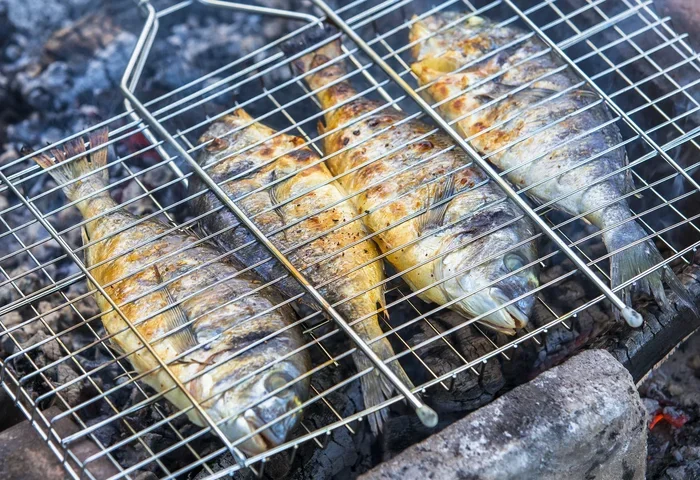
Grilling places fish directly over a heat source. That heat can be charcoal, gas, or electric. The fish sits on a grate. Heat travels up from below, searing the bottom surface. Then you flip once to cook the other side.
Grilling typically uses high heat. Temperatures often reach 400 to 500°F on the grate surface. This creates those famous grill marks. It also produces a smoky aroma that seeps into the fish. You simply cannot replicate that flavor in an oven.
Benefits of Grilling Fish
- Smoky flavor: Charcoal and wood add depth. This is the biggest draw for grill lovers.
- Crispy exterior: Direct high heat caramelizes the surface. You get a satisfying crunch with every bite.
- Versatile seasoning: Dry rubs, marinades, and glazes all work beautifully on the grill.
- Social cooking: Grilling is often a shared activity. It brings people together outdoors.
- Handles thick cuts well: Steak-like fish such as swordfish and tuna handle the grill with ease.
Best Fish for Grilling
Strong, meaty fish hold up best on the grill. Salmon is a top pick. It has enough fat to stay moist under high heat. Tuna steaks are another favorite. They can take a quick sear and stay rare inside. Swordfish, mahi-mahi, and shrimp also grill beautifully. If you are debating between salmon and tuna specifically, you can read our salmon vs tuna comparison for more details on each fish.
Broiled vs Grilled Fish: Head-to-Head Comparison
Let us put the two methods side by side. This makes it easy to see which one fits your needs.
| Factor | Broiled Fish | Grilled Fish |
|---|---|---|
| Heat Source | Overhead (oven element) | Below (charcoal, gas, electric) |
| Flavor Profile | Clean, mild, buttery | Smoky, bold, charred |
| Texture | Tender, flaky, lightly crisp top | Crispy exterior, firm inside |
| Best Fish Types | Cod, tilapia, sole, haddock, salmon fillets | Tuna, swordfish, salmon steaks, mahi-mahi |
| Cook Time | 4–10 minutes | 3–8 minutes per side |
| Setup Required | Oven only, minimal prep | Outdoor grill, more setup |
| Cleanup | Easy (pan and rack) | Moderate (grill grates, tools) |
Flavor Differences
Grilled fish wins on bold, smoky taste. The flames and charcoal leave behind complex flavors. Broiled fish tastes lighter and more natural. It lets the fish itself be the star. Neither is better overall. It depends on what kind of eating experience you want.
Texture Differences
Broiling keeps the inside very moist. The top gets a gentle golden crust. Grilling creates a firmer bite. The exterior is crispier. The interior can range from flaky to meaty depending on the fish.
Health Considerations
Both methods are healthy fish dishes options. Neither requires added oil in large amounts. Broiling uses a pan, so a little butter or oil helps. Grilling lets excess fat drip away. This can make grilled fish slightly leaner. But both preserve the valuable omega-3 fatty acids that make fish so good for you.
Want more information on how fish compares to other healthy oils and supplements? Here is a helpful omega-3 vs fish oil breakdown for further reading.
Best Fish to Broil or Grill
Fish That Shines When Broiled
Some fish simply perform better with overhead heat. Here are top picks for the broiler:
- Cod: Mild, flaky, and affordable. It broils beautifully in under six minutes.
- Tilapia: Very thin fillets cook fast. Great for weeknight dinners.
- Haddock: Similar to cod but with a slightly sweeter taste. A favorite for fish and chips too.
- Sole: Extremely delicate. The broiler handles it gently without drying it out.
- Salmon fillets: Rich in flavor and fat. The broiler gives the top a lovely crisp finish.
When choosing between sea fish and freshwater fish for broiling, both work well. For more on this topic, you can explore our sea fish vs freshwater fish guide.
Fish That Shines When Grilled
These fish have the structure and fat content for the grill:
- Salmon steaks: Thick enough to hold up. The smoky flavor pairs perfectly with grilled preparation.
- Tuna steaks: Grill them rare. A quick sear on each side is all you need.
- Swordfish: Meaty and dense. It takes high heat without falling apart.
- Mahi-mahi: Firm, slightly sweet flesh. Grills quickly with a gorgeous color.
- Shrimp: Not fish, but a close cousin. Grilled shrimp is hard to beat.
Tips for Perfect Broiled or Grilled Fish
General Tips That Apply to Both
- Pat fish dry first: Moisture on the surface prevents browning. Use a paper towel before seasoning.
- Season generously: Salt, pepper, garlic, and lemon work on almost every fish. Do not be shy.
- Preheat your equipment: Whether it is the broiler or grill, always preheat. This ensures even cooking from the start.
- Do not overcrowd: Give each piece space. Airflow matters for both methods.
- Use a thermometer: Fish is done at 145°F internal temperature. This removes the guesswork.
Broiling Tips
- Place the oven rack 4 to 6 inches from the broiler element. This gives you the best browning.
- Line your broiler pan with foil for easy cleanup. Poke holes in the foil to let heat circulate.
- Watch the fish constantly. Broilers can burn food in under a minute if you look away.
- Add a thin layer of oil or butter on top before broiling. This helps the seasoning stick and the surface crisp.
- Try a lemon herb fish marinade before broiling. Lemon juice, dill, garlic, and olive oil make a classic combo.
Grilling Tips
- Oil the grill grates before cooking. Use a paper towel dipped in oil held with tongs. This prevents sticking.
- Keep a spray bottle of water nearby. It helps control flare-ups from fatty fish like salmon.
- Do not flip too often. Let the fish develop a crust before you move it. Usually one flip is enough.
- If using thin fillets, consider a fish basket. It keeps small pieces from falling through the grates.
- For extra flavor, try a butterflied fish preparation. Butterfly a whole trout or snapper. Lay it flat on the grill for even cooking.
Common Mistakes When Broiling or Grilling Fish
Mistake 1: Using the Wrong Fish
Thin, delicate fish falls apart on a grill. Thick, meaty fish dries out in a broiler. Always match the fish to the method. This is the single biggest mistake home cooks make.
Mistake 2: Overcooking
Fish dries out fast. Even a minute too long can ruin a fillet. Pull it off heat just before it feels fully done. Carryover heat will finish the job. The center should be slightly translucent when you serve it.
Mistake 3: Skipping the Dry Step
Wet fish steams instead of searing. Always pat it dry. This one simple change improves your results dramatically.
Mistake 4: Not Preheating
Cold surfaces mean slow cooking. That leads to uneven results. Whether broiling or grilling, always preheat fully before the fish goes on.
Mistake 5: Forgetting About Resting
Let the fish rest for two minutes after cooking. This lets the juices redistribute. It makes a noticeable difference in texture.
Expert Insights on Choosing Between Broiling and Grilling
Professional chefs often have strong opinions on this topic. Many say the best method depends entirely on the setting. A chef working in a city apartment will lean toward broiling. A chef with access to a backyard grill will gravitate toward grilling.
One common piece of advice is to match intensity to the fish. Delicate fish needs gentle treatment. Broiling provides that. Bold fish can handle aggressive heat. Grilling delivers that punch. Another tip is to always keep it simple. The best grilled or broiled fish often needs just salt, pepper, lemon, and heat. Let the quality of the fish speak for itself.
Some chefs also recommend a hybrid approach. You can sear fish on the grill first. Then finish it under the broiler. This gives you smoky flavor and a perfectly cooked interior. It is a restaurant technique that works beautifully at home.
Quick Tips Summary
- Broil thin, flaky fish like cod, tilapia, and sole.
- Grill thick, meaty fish like tuna, swordfish, and salmon steaks.
- Pat fish dry before cooking, no matter which method you use.
- Preheat your broiler or grill fully before adding fish.
- Watch closely during cooking. Fish goes from perfect to overdone very fast.
- Season boldly but simply. Lemon, herbs, garlic, and salt cover most needs.
- Rest your fish for two minutes before serving.
Conclusion: So, Is Fish Better Broiled or Grilled?
There is no single winner here. Is fish better broiled or grilled? Both methods have real strengths. Broiling gives you tender, evenly cooked fish with minimal effort. It is perfect for weeknights and delicate fillets. Grilling brings bold, smoky flavor and a satisfying crispness. It is ideal for social gatherings and hearty fish cuts.
The real answer is to try both. Cook the same type of fish using each method. Taste the difference. You will quickly discover what your palate prefers. The beauty of fish is that it cooks fast. You can experiment without spending hours in the kitchen.
So next time you are standing in front of the stove or the grill, do not stress. Choose the method that fits your fish, your mood, and your situation. Either way, you are going to enjoy a flavorful fish meal that is healthy, satisfying, and delicious. Happy cooking!
Frequently Asked Questions
Is fish better broiled or grilled for beginners?
Broiling is usually easier for beginners. It uses your oven, requires less setup, and the fish stays in one place. You just slide it under the broiler and set a timer. Grilling takes more practice with temperature control and flipping.
Can you broil fish on aluminum foil?
Yes, you can. Line your broiler pan with aluminum foil for easy cleanup. Poke a few holes in the foil so heat can circulate underneath. Just make sure the foil is rated for high oven temperatures.
What is the best fish to grill for beginners?
Salmon is a great starting fish for grilling. It has enough fat to stay moist under high heat. It also holds together well on the grate. Skin-on salmon fillets are especially forgiving for new grillers.
Does broiling or grilling remove more fat from fish?
Grilling tends to remove slightly more fat. Excess drips away through the grill grates. Broiling traps juices on the pan below. Both are still low-fat cooking methods overall. Fish is naturally lean regardless of preparation.
How do you prevent fish from sticking on the grill?
Oil the grill grates right before cooking. Use a paper towel dipped in vegetable oil. Hold it with tongs and rub it across the hot grates. Also make sure the grill is fully preheated. A hot surface releases food more easily.
Is broiled fish as healthy as grilled fish?
Yes, both are very healthy options. They preserve the natural omega-3 nutrients in fish. Neither method requires heavy oil or butter. Grilled fish may be slightly leaner due to fat dripping away. But broiled fish still makes an excellent nutritious meal.