How Often Do Betta Fish Go Up for Air
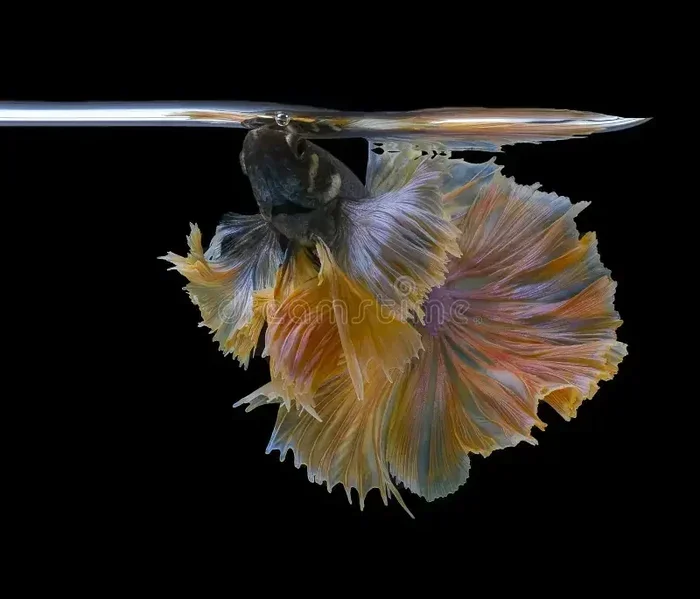
Betta fish go up for air several times a day because they rely on their labyrinth organ to breathe surface oxygen. While it is normal for bettas to gulp air at the surface, frequent or labored breathing can signal poor water quality, low oxygen, or stress. Understanding why your betta does this helps you keep your fish healthy and thriving.
Have you ever watched your betta fish swim up to the top of the tank and take a gulp of air? It might look a little strange, but this behavior is completely natural. So how often do betta fish go up for air, and when should you actually worry?
Betta fish are unique creatures. Unlike most other fish, they have a special organ called the labyrinth that allows them to breathe atmospheric air. This means they rely on both their gills and the oxygen at the water’s surface to survive. In this article, we will walk you through everything you need to know about this behavior, what it means, and how to keep your betta happy and healthy.
Key Takeaways
- Betta fish breathe air naturally: Their labyrinth organ lets them pull oxygen from the surface, so going up for air is completely normal behavior.
- Frequency matters: A healthy betta may visit the surface a few times per hour, but constant gasping is a red flag.
- Water quality is the biggest factor: Dirty water, high ammonia, and low oxygen force bettas to breathe at the surface more often.
- Temperature affects oxygen levels: Warmer water holds less dissolved oxygen, which can increase surface breathing.
- Tank size and filtration play a role: A properly sized tank with gentle filtration keeps oxygen levels stable and reduces stress.
- Know the warning signs: If your betta seems lethargic, loses color, or breathes heavily at the surface, take action immediately.
- Regular maintenance prevents problems: Consistent water changes and proper feeding keep your betta comfortable and less reliant on surface air.
📑 Table of Contents
- Why Do Betta Fish Go Up for Air?
- How Often Do Betta Fish Go Up for Air?
- What Causes Excessive Air-Gulping in Betta Fish?
- How to Reduce Excessive Surface Breathing
- When to Be Concerned About Your Betta’s Air-Gulping
- How Proper Betta Care Prevents Breathing Problems
- Common Mistakes That Lead to Excessive Surface Breathing
- Final Thoughts
Why Do Betta Fish Go Up for Air?
Betta fish go up for air because of the way their bodies are designed. They possess a labyrinth organ that works like a primitive lung. This organ lets them absorb oxygen directly from the air above the water surface.
In the wild, bettas live in shallow, slow-moving waters like rice paddies, marshes, and drainage ditches. These environments often have low dissolved oxygen levels. Over time, bettas evolved the labyrinth organ as a survival tool. This is why why betta fish go up for air is such a common question among new fish owners.
Here are the main reasons your betta visits the surface:
- Natural breathing: The labyrinth organ requires access to fresh air to function properly.
- Low dissolved oxygen: When the water has insufficient oxygen, bettas compensate by breathing more at the surface.
- Warm water temperatures: Warmer water holds less oxygen, making surface visits more frequent.
- Poor water quality: High ammonia or nitrite levels stress bettas and can cause labored breathing.
- Overcrowded tank: Too many fish in a small space reduces available oxygen.
Understanding the Labyrinth Organ
The labyrinth organ is a remarkable adaptation. It sits near the gills and contains thin, bony plates covered in blood vessels. When a betta gulps air at the surface, the oxygen passes through these plates and enters the bloodstream. This process works alongside the gills, giving bettas a dual breathing system that most fish do not have.
Because of this organ, bettas can actually survive in very low-oxygen environments where other fish would struggle. However, this does not mean they should live in poor conditions. Providing clean, well-oxygenated water always helps your betta thrive.
How Often Do Betta Fish Go Up for Air?
The frequency of surface visits varies from fish to fish. A healthy betta might rise to the surface every few minutes or just a few times per hour. Some bettas barely break the surface, while others seem to linger right at the top. Both can be normal.
Here is a general guideline for what is considered normal:
- A few times per hour: This is perfectly normal and healthy.
- Occasional long gulps: Betta fish often take deep breaths at the surface, especially after swimming around.
- Surfacing during feeding time: Many bettas gulp air when they see food coming.
If your betta is constantly at the surface, gasping rapidly, or staying at the top for extended periods, that is when you should pay closer attention. Frequent, labored breathing is not normal and usually points to an underlying issue.
Normal vs. Abnormal Surface Behavior
It is important to tell the difference between normal and abnormal behavior. A betta that swims up calmly, takes a quick breath, and returns to swimming is fine. A betta that stays at the surface, breathes with its mouth wide open, or looks like it is struggling needs help.
Think of it this way. You take deep breaths during exercise, but you do not gasp for air all day long. The same logic applies to your betta.
What Causes Excessive Air-Gulping in Betta Fish?
If your betta seems to be at the surface more than usual, several factors could be at play. Identifying the cause is the first step toward fixing the problem.
Poor Water Quality
The number one cause of excessive surface breathing is poor water quality. When ammonia or nitrite levels rise in the tank, bettas experience stress and their gills become damaged. This makes it harder for them to extract oxygen from the water, so they turn to the surface for air.
Regular water changes are essential. Aim for 25 to 30 percent water changes every week. If you are unsure how to do this properly, check out our guide on how often to change water for betta fish for a step-by-step walkthrough.
Low Dissolved Oxygen
Even though bettas can breathe air, they still need adequate dissolved oxygen in the water. Several factors reduce oxygen levels:
- High water temperature: Warm water holds less oxygen than cool water.
- Overstocked tanks: Too many fish consume oxygen faster than it can be replenished.
- Lack of water movement: Stagnant water does not exchange gases effectively at the surface.
- Decaying organic matter: Uneaten food and waste consume oxygen as they break down.
High Ammonia and Nitrite Levels
Ammonia and nitrite are toxic to bettas. Even small amounts can cause serious health problems. When these chemicals build up, bettas often breathe heavily at the surface as their gills become irritated. Testing your water regularly with a liquid test kit is the best way to catch these problems early.
Inadequate Tank Size
Small bowls and tiny tanks are the enemy of healthy bettas. A tank that is too small accumulates toxins quickly and has very little water volume to dilute waste. A 5-gallon tank is the minimum recommended size for a single betta. Larger tanks are even better because they provide more stable water conditions and better oxygen exchange.
How to Reduce Excessive Surface Breathing
If your betta is going up for air too often, do not panic. There are several practical steps you can take to improve the situation and make your fish more comfortable.
1. Perform Regular Water Changes
This is the single most effective thing you can do. Replacing a portion of the tank water with dechlorinated, temperature-matched fresh water removes accumulated toxins and replenishes dissolved oxygen.
Follow this simple routine:
- Test the water for ammonia, nitrite, and nitrate levels.
- Remove 25 to 30 percent of the tank water using a gravel vacuum.
- Replace with treated water at the same temperature.
- Repeat weekly for consistent water quality.
2. Keep the Water Temperature Stable
Betta fish thrive in water temperatures between 76 and 82 degrees Fahrenheit. Use a reliable aquarium heater to maintain a steady temperature. Avoid placing the tank near windows, air conditioners, or heaters that can cause temperature swings.
Remember that warmer water holds less oxygen. If your tank runs on the warmer side, you may need to increase surface agitation slightly to boost oxygen exchange.
3. Use Gentle Filtration
Betta fish do not like strong currents. However, they still benefit from filtration that keeps the water clean and oxygenated. Sponge filters are an excellent choice because they provide mechanical and biological filtration without creating a harsh current.
If you are wondering about air pumps and filters, check out our articles on do betta fish like air pump circulation and do betta fish like air filters for detailed guidance.
4. Do Not Overfeed
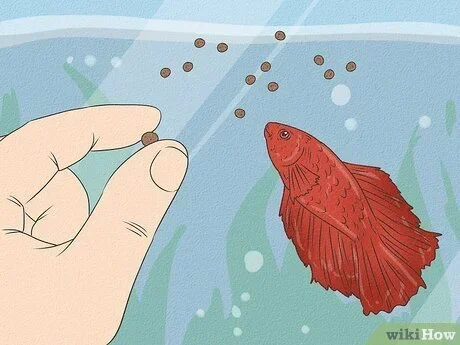
Overfeeding leads to excess waste in the tank, which spikes ammonia levels and depletes oxygen. Feed your betta small amounts two times a day. Only give them as much food as they can eat in two to three minutes. Remove any uneaten food promptly.
5. Add Live Plants
Live aquatic plants naturally produce oxygen through photosynthesis. They also absorb harmful chemicals like ammonia and nitrate. Adding a few easy-to-grow plants like java moss, anubias, or amazon sword can significantly improve water quality and oxygen levels in your betta tank.
When to Be Concerned About Your Betta’s Air-Gulping
Most of the time, a betta visiting the surface is nothing to worry about. However, there are situations where surface breathing signals a serious problem. Knowing the warning signs can save your fish’s life.
Signs That Something Is Wrong
- Constant, rapid gulping at the surface: Your betta never seems to leave the top of the tank.
- Labored breathing with an open mouth: The gills flare rapidly and the mouth opens wide.
- Lethargy and loss of color: Your betta looks pale, stays in one spot, and has no energy.
- Clamped fins: Fins are held close to the body instead of being spread out naturally.
- Loss of appetite: Your betta refuses food for more than a day or two.
- Swimming sideways or struggling to stay upright: This can indicate advanced stress or illness.
If you notice any combination of these signs, test your water immediately. Check ammonia, nitrite, nitrate, and pH levels. A water change and temperature adjustment often provide quick relief. For more serious cases, consider a salt bath or consulting a fish veterinarian.
Can Bettas Drown?
A common misconception is that bettas can drown if they cannot reach the surface. In reality, bettas cannot drown in the traditional sense because they can breathe air. However, if the water quality is so poor that the fish cannot get enough oxygen from either the air or the water, the betta can suffocate. This is why maintaining clean water and proper oxygen levels is so important.
For a deeper dive into this topic, read our article on do betta fish have to breathe air to understand the full picture of betta respiration.
How Proper Betta Care Prevents Breathing Problems
The best way to keep your betta from gulping excessively at the surface is to provide excellent care from the start. A well-maintained tank with stable parameters reduces stress and keeps your fish healthy.
Daily Care Routine
- Feed your betta a balanced diet of high-quality pellets and occasional treats.
- Observe your fish for any changes in behavior or appearance.
- Check the tank temperature to ensure it stays within the ideal range.
- Remove any uneaten food or debris from the tank.
Weekly Care Routine
- Perform a 25 to 30 percent water change.
- Test water parameters using a liquid test kit.
- Clean the glass and remove any algae buildup.
- Rinse filter media in removed tank water (never tap water).
For a complete care guide, visit our how do you care for a betta fish article that covers everything from tank setup to feeding schedules.
Setting Up the Right Tank
A proper tank setup makes a huge difference in your betta’s breathing and overall health. Here are the essentials:
- Tank size: Minimum 5 gallons, 10 gallons or more is ideal.
- Heater: Maintains a stable temperature between 76 and 82 degrees Fahrenheit.
- Filter: Gentle sponge filter that does not create strong currents.
- Substrate: Soft sand or smooth gravel that is easy to clean.
- Decorations: Plants and caves that provide hiding spots and reduce stress.
- Lighting: Standard aquarium LED light on a 10 to 12 hour cycle.
A well-set-up tank keeps oxygen levels stable, reduces waste buildup, and gives your betta a comfortable environment where it does not need to constantly search for air at the surface.
Common Mistakes That Lead to Excessive Surface Breathing
Even experienced fish keepers make mistakes. Here are the most common errors that cause bettas to gulp air at the surface more than they should.
Using a Bowl Instead of a Tank
Betta bowls look cute, but they are terrible for fish health. Bowls have small water volumes, no room for filtration, and poor gas exchange. This leads to low oxygen levels and rapid toxin buildup. Upgrade to a proper tank as soon as possible.
Skipping Water Changes
Some owners believe that if they do not see debris, the water is fine. This is not true. Invisible toxins like ammonia and nitrite build up even in clean-looking water. Skipping water changes is one of the fastest ways to compromise your betta’s health.
Overcrowding the Tank
Betta fish are solitary creatures. They do not need tank mates, and adding other fish increases oxygen demand and waste production. Keep your betta alone in its tank to prevent stress and breathing problems.
Using Chlorinated Tap Water
Never add untreated tap water directly to your betta tank. Chlorine and chloramine are harmful to fish and damage gill tissue, making it harder for your betta to breathe. Always use a water conditioner or dechlorinator before adding new water.
Final Thoughts
So how often do betta fish go up for air? The answer is that it depends on the individual fish and its environment. A healthy betta will visit the surface regularly to breathe, and this is perfectly normal. However, if your fish is constantly gasping or staying at the top of the tank, it is time to investigate the water quality, temperature, and overall tank conditions.
By understanding your betta’s natural behavior and providing proper care, you can ensure your fish lives a long, happy, and healthy life. Keep the water clean, maintain stable parameters, and watch your betta thrive. Your attention to detail makes all the difference.
Frequently Asked Questions
How often is it normal for a betta fish to go up for air?
A healthy betta typically visits the surface a few times per hour. Some fish do it more frequently, and that can still be normal as long as the breathing appears calm and relaxed. If the gulping looks rapid or frantic, that is a sign of a problem.
Why does my betta fish keep going up for air?
Frequent surface visits usually point to low dissolved oxygen, poor water quality, or high ammonia levels. Check your water parameters and perform a water change if needed. For more details, read our article on why does my betta fish keep going up for air.
Can betta fish breathe underwater without going to the surface?
Betta fish can absorb some oxygen through their gills underwater, but they also need to breathe air from the surface using their labyrinth organ. Without access to the surface, a betta cannot get enough oxygen to survive long-term.
Does water temperature affect how often bettas go up for air?
Yes, warmer water holds less dissolved oxygen, which means bettas may need to visit the surface more often in heated tanks. Keep the temperature between 76 and 82 degrees Fahrenheit to maintain a healthy balance of warmth and oxygen.
What should I do if my betta is gasping at the surface?
Start by testing the water for ammonia, nitrite, and nitrate levels. Perform an immediate 25 to 30 percent water change with dechlorinated water. Check the temperature and ensure the filter is running properly. If the behavior continues, consider adding more surface agitation or live plants to boost oxygen levels.
Is it normal for betta fish to sleep near the surface?
Yes, bettas often rest near the surface or even float in place while sleeping. This is different from gasping for air. A sleeping betta will appear still and relaxed, while a stressed betta will show rapid, labored breathing and may have clamped fins or loss of color.
=== CONCLUSION ===
Understanding how often do betta fish go up for air is one of the most important parts of being a responsible betta owner. Your fish’s surface breathing tells you a lot about its health and the quality of its environment. A few visits to the top of the tank every hour is normal and expected. Constant gasping, on the other hand, is a clear signal that something needs your attention.
Keep up with regular water changes, maintain stable water parameters, and provide a clean, comfortable tank. Your betta will reward you with vibrant colors, energetic swimming, and a long, healthy life. Pay attention to the signs, act quickly when needed, and enjoy the wonderful world of betta fish keeping.