How to Keep a Betta Fish Tank Clean for Healthy Fish
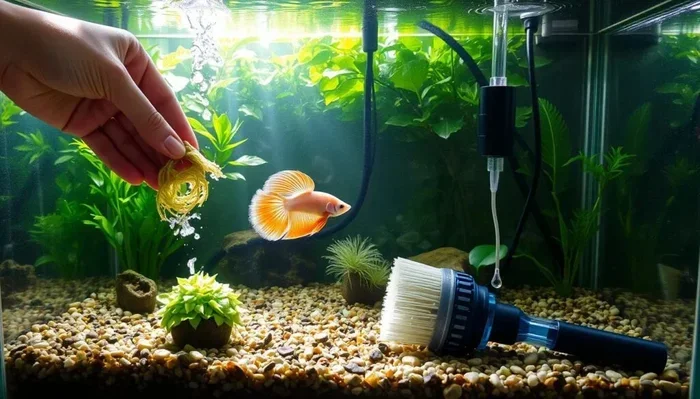
Keeping your aquarium spotless is the secret to a thriving betta. In this guide, you will learn exactly how to keep a betta fish tank clean without stressing your fish. We cover water changes, filter care, and safe cleaning tools. You will also avoid common mistakes that harm your pet. Follow these easy steps for a clear, healthy tank every day.
Your betta fish deserves a clean and safe home. A dirty tank can cause stress, sickness, and a short life. Many new owners worry about how to keep a betta fish tank clean without harming their pet. The good news is that simple habits make a huge difference. You do not need fancy tools or hours of work. You just need a steady routine and the right knowledge.
This guide walks you through every step. We will cover water changes, filter care, and safe cleaning methods. You will learn what to avoid and what to do each week. By the end, you will feel confident in your tank maintenance skills. Your betta will swim in clear water and show off its bright colors. Let us dive in.
Key Takeaways
- Weekly water changes matter: Replace 25 to 50 percent of the water each week to remove waste and keep ammonia levels low.
- Use a gentle filter: A soft filter keeps water moving without fighting your betta. Clean it monthly to maintain good water flow.
- Never use soap or chemicals: Harsh cleaners leave toxic residue. Stick to tank-safe tools and dechlorinated water only.
- Vacuum the substrate: A simple gravel vacuum removes uneaten food and fish waste from the bottom of the tank.
- Test your water regularly: Check for nitrites and nitrates to catch problems early and keep your betta safe.
- Clean decorations carefully: Rinse plants and ornaments in removed tank water to preserve beneficial bacteria.
- Match temperature during changes: Always add water that matches the tank temperature to avoid temperature shock.
📑 Table of Contents
- Start With the Right Tank Setup
- Master the Weekly Water Change
- Clean the Filter Without Harming Bacteria
- Keep the Substrate and Decorations Spotless
- Avoid Common Cleaning Mistakes
- Build a Simple Maintenance Schedule
- Expert Tips for a Cleaner Tank
- Quick Tips for Busy Owners
- Common Mistakes to Avoid
- Final Thoughts on a Clean Betta Home
Start With the Right Tank Setup
A clean tank begins with a smart setup. Small bowls or tiny containers trap waste fast. They also make water changes harder. A larger tank gives you more stable water and easier cleaning. Most experts suggest at least five gallons for one betta. This size holds beneficial bacteria that break down waste. It also gives your fish room to swim and explore.
Why Tank Size Affects Cleanliness
Small volumes of water get dirty quickly. Fish waste and uneaten food build up fast. This raises ammonia levels and stresses your betta. A bigger tank dilutes waste and slows down bad changes. You will spend less time fixing problems and more time enjoying your fish. If you are unsure about size, you can read more about keeping a betta in a vase to see why small containers often fail.
Choose a Simple Filter
A filter helps keep water clear and healthy. It moves water through a sponge or cartridge that traps debris. Some owners worry about strong currents. Bettas prefer calm water, so pick a gentle filter. A sponge filter or a low-flow hang-on-back unit works well. You can learn more about whether bettas need a filtered tank to match your setup.
Master the Weekly Water Change
Water changes are the heart of tank cleaning. They remove waste, refresh minerals, and keep water safe. You do not need to replace all the water at once. In fact, a full change can shock your fish and wipe out good bacteria. Aim for twenty-five to fifty percent each week. This balance keeps the tank stable and clean.
Gather Your Supplies First
Before you start, collect a few simple items. You will need a clean bucket, a gravel vacuum, and a water conditioner. Use a bucket that never held soap or chemicals. Even a tiny residue can harm your fish. Conditioner removes chlorine and chloramine from tap water. This step is vital for safe water changes.
Step-by-Step Water Change Routine
Follow this easy routine each week. It takes only a few minutes and keeps your tank in great shape.
- Unplug any heaters or filters that sit below the water line.
- Use your gravel vacuum to suck up waste from the substrate.
- Remove twenty-five to fifty percent of the old water.
- Treat the new water with a dechlorinator.
- Check that the new water matches the tank temperature.
- Slowly add the fresh water back into the tank.
- Plug your equipment back in and watch your betta swim.
This simple cycle removes debris and keeps nitrates low. It also gives you a chance to spot problems early. Look for cloudy water, strange smells, or leftover food. Catching issues early saves your fish from stress.
Clean the Filter Without Harming Bacteria
Your filter does heavy lifting. It traps solid waste and hosts helpful bacteria. These bacteria break down toxic ammonia into safer compounds. If you clean the filter too hard, you can kill these good bugs. The goal is to remove dirt while keeping the media healthy.
Rinse in Old Tank Water
Never use tap water on filter media. Tap water often contains chlorine that kills bacteria. Instead, save a cup of old tank water during your water change. Gently swish the sponge or cartridge in that water. This loosens grime without destroying your biological filtration. You can read more about using a filter in a betta tank to choose the right style.
When to Replace Filter Parts
Some filter parts wear out over time. Cartridges and sponges may clog or break down. Replace them only when needed, and do it in stages. If you change everything at once, you may lose too much bacteria. A slow replacement keeps your tank stable. Watch for reduced water flow as a sign that maintenance is due.
Keep the Substrate and Decorations Spotless
The bottom of the tank collects waste, food, and plant matter. This layer can become a hidden source of poor water quality. Decorations and plants also trap debris over time. A quick weekly rinse keeps everything fresh and safe.
Vacuum the Gravel or Sand
Use a gravel vacuum to reach into the substrate. Move it slowly across the bottom. The suction pulls out waste without digging too deep. If you have live plants, be gentle around the roots. You can also use a smaller siphon for tight corners. This step removes the buildup that fuels algae growth.
Rinse Decorations Safely
Plants, rocks, and ornaments need a light cleaning now and then. Remove them only if you can do it quickly. Soak them in a bowl of old tank water and scrub with a soft brush. Never use soap or bleach unless you know how to rinse every trace away. For safe ideas on tank decor, see adding lucky bamboo to a betta tank for a natural touch.
Avoid Common Cleaning Mistakes
Even well-meaning owners make errors that hurt their fish. The biggest mistake is using soap or household cleaners. These products leave toxic traces that can kill a betta fast. Another common error is changing too much water at once. Large swings in water chemistry stress fish and weaken their immune systems.
Never Use Soap or Chemicals
Soap seems harmless, but it is dangerous for aquariums. It strips the protective slime coat from fish and damages gills. Even a tiny drop can cause serious harm. If you want to know more, read why soap should never touch a betta tank. Stick to clean water, conditioner, and tank-safe tools only.
Do Not Overclean the Tank
A spotless tank sounds ideal, but too much cleaning can backfire. Scrubbing every surface each week removes helpful bacteria. This can cause ammonia spikes and cloudy water. Focus on waste removal, not perfection. A balanced routine keeps the tank healthy without resetting your whole ecosystem.
Watch Your Water Source
The water you add matters just as much as the water you remove. Tap water often needs treatment before it goes in the tank. Some owners wonder about bottled or purified water. You can explore using bottled water in a betta tank to see if it fits your routine. In most cases, treated tap water works well and costs less.
Build a Simple Maintenance Schedule
Consistency beats intensity. A short weekly routine keeps your tank clean with less effort. You can also add small daily habits that prevent big problems. The key is to stay observant and act early.
Daily Quick Checks
Spend one minute each day looking over the tank. Check that the filter runs smoothly. Remove any leftover food after a few minutes. Watch your betta for signs of stress or dull colors. These quick checks help you catch issues before they grow.
Weekly Deep Care
Set one day each week for your main cleaning routine. This is the time for water changes, substrate vacuuming, and filter rinsing. Keep your supplies together so the task feels easy. A steady schedule also helps you track what works best for your tank.
Monthly Equipment Check
Once a month, inspect your heater, filter, and lights. Make sure cords stay dry and connections stay secure. Replace worn parts before they fail. This small habit prevents sudden breakdowns and keeps your betta safe.
Expert Tips for a Cleaner Tank
Small tweaks can make a big difference. These expert habits reduce waste and keep water clear longer. Try a few of them and see how your tank responds.
- Feed less, not more: Overfeeding creates waste and cloudy water. Offer only what your betta eats in two minutes.
- Use live plants: Plants absorb nitrates and help balance the tank. They also give your betta shelter and enrichment.
- Add a cleanup crew carefully: Some snails can help graze on algae. You can learn about keeping a snail with a betta before adding one.
- Keep the lid secure: A tight lid reduces evaporation and keeps debris out. It also prevents your betta from jumping out.
- Match water temperature: Always add water that feels close to the tank temperature. Sudden changes can shock your fish.
These tips support a stable environment. They also reduce the amount of deep cleaning you need later. A little prevention goes a long way in betta fish care.
Quick Tips for Busy Owners
If your schedule is tight, focus on the essentials. You do not need a perfect routine. You just need a reliable one. Here are the fastest ways to keep your tank in good shape.
- Change twenty-five percent of the water every week.
- Vacuum the gravel during each water change.
- Rinse the filter in old tank water once a month.
- Remove uneaten food right after feeding.
- Test the water monthly for ammonia and nitrates.
These five habits cover the basics. They keep waste low and water safe. You can build from there as you gain confidence.
Common Mistakes to Avoid
A few errors can undo your hard work. Watch for these pitfalls and skip them from the start. Your betta will thank you with better health and brighter colors.
- Using soap, bleach, or household cleaners in the tank.
- Changing all the water at once and shocking the fish.
- Rinsing filter media in untreated tap water.
- Overfeeding and leaving leftover food to rot.
- Ignoring cloudy water or strange odors.
Avoiding these mistakes keeps your maintenance simple. It also protects the delicate balance inside your aquarium.
Final Thoughts on a Clean Betta Home
Learning how to keep a betta fish tank clean is mostly about steady habits. Weekly water changes, gentle filter care, and careful substrate cleaning do most of the work. Add a few smart feeding habits and regular checks, and your tank will stay clear and safe. Your betta will have the clean water it needs to thrive. Start small, stay consistent, and enjoy the beauty of a healthy aquarium.
Frequently Asked Questions
How often should I clean my betta fish tank?
You should perform a partial water change every week. Vacuum the gravel and rinse the filter in old tank water during that routine. This keeps waste low and your betta healthy.
Can I use tap water for my betta tank?
Yes, but you must treat it first. Tap water often contains chlorine that harms fish and beneficial bacteria. Use a dechlorinator before adding it to the tank.
Do I need to remove my betta during cleaning?
Usually, you do not need to move your fish. Gentle water changes and substrate vacuuming are safe with your betta inside. Only remove the fish if you are doing a deep clean or repair.
What temperature should the new water be?
The new water should match the tank temperature closely. Sudden temperature changes can shock your betta and cause stress. Use a thermometer to check before adding the water.
Is a filter necessary for a betta tank?
A filter helps keep water clear and supports good bacteria. It is not always mandatory, but it makes maintenance much easier. Choose a gentle filter that does not create strong currents.
Can I use soap to clean tank decorations?
No, soap leaves toxic residue that can hurt your fish. Rinse decorations in old tank water or warm water without any additives. If you must disinfect items, rinse them extremely well afterward.