Is Krill Oil Better Than Fish Oil for Joints
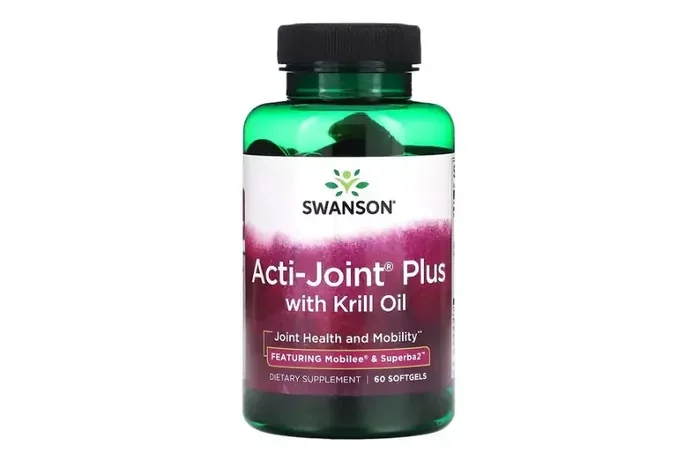
Is krill oil better than fish oil for joints? Many people ask this question, and the answer depends on your needs. Krill oil offers superior absorption and powerful anti-inflammatory benefits, while fish oil remains a trusted and affordable option. Both supplements deliver omega-3 fatty acids that support joint health, but they work in slightly different ways.
Your joints take a beating every single day. Whether you are walking up stairs, typing at a desk, or playing with your kids, your knees, hips, and hands work hard. Over time, this wear and tear can lead to pain, stiffness, and swelling. Many people turn to supplements for relief, and two of the most popular options are krill oil and fish oil.
So, which one should you pick? Is krill oil better than fish oil for joints? That is exactly what we are going to explore today. We will break down the science, compare the benefits, and give you a clear answer you can use. No fluff, no confusing jargon, just straightforward advice.
The truth is, both supplements have something valuable to offer. But they are not created equal. Krill oil has some unique advantages that make it stand out, especially when it comes to joint health. On the other hand, fish oil has been studied for decades and remains a gold standard. Let us dive in and see how they stack up.
Key Takeaways
- Better Absorption: Krill oil contains phospholipids that help your body absorb omega-3s more efficiently than fish oil.
- Stronger Anti-Inflammatory Power: Krill oil has unique antioxidants like astaxanthin that fight joint inflammation at the source.
- Fish Oil Is More Affordable: If budget matters, fish oil capsules offer great value and proven joint support.
- Both Reduce Joint Pain: Studies show that omega-3s from either source can ease stiffness and improve joint mobility.
- Quality Matters: Always choose a reputable brand with third-party testing for purity and potency.
- Consult Your Doctor: Talk to a healthcare professional before starting any new supplement, especially if you take blood thinners.
- Consistency Is Key: Whichever you choose, take it daily for at least 8-12 weeks to see real results.
📑 Table of Contents
- What Are Krill Oil and Fish Oil?
- How Omega-3s Support Joint Health
- Krill Oil vs Fish Oil: Key Differences for Joints
- Which One Works Better for Joint Pain?
- How to Choose the Right Supplement
- Common Mistakes People Make with Joint Supplements
- Expert Insights on Krill Oil and Joint Health
- Final Verdict: Is Krill Oil Better Than Fish Oil for Joints?
What Are Krill Oil and Fish Oil?
Before we compare, let us understand what these two supplements actually are. Both come from marine sources, but they differ in important ways.
What Is Fish Oil?
Fish oil is extracted from the tissues of fatty fish like salmon, sardines, and anchovies. It is rich in two key omega-3 fatty acids: EPA and DHA. These compounds play a big role in reducing inflammation throughout the body. Fish oil has been studied extensively, and researchers have found strong evidence supporting its benefits for heart health, brain function, and joint support.
Fish oil typically comes in softgel capsules or liquid form. It is widely available and affordable, which is why it has remained so popular for decades.
What Is Krill Oil?
Krill oil comes from tiny shrimp-like creatures called krill, which live in cold ocean waters. Krill oil also contains EPA and DHA, but here is the big difference. In krill oil, these omega-3s are bound to phospholipids instead of triglycerides. This structural difference matters because phospholipids are easier for your body to absorb.
Krill oil also contains a powerful antioxidant called astaxanthin. This gives krill oil its red color and provides extra protection against oxidative stress. That antioxidant factor is one reason many people ask, is krill oil better than fish oil for joints.
How Omega-3s Support Joint Health
To understand why these supplements help joints, you need to know a little about inflammation. When your immune system detects damage or irritation, it triggers an inflammatory response. Short-term inflammation is actually good, it helps your body heal. But chronic, low-grade inflammation is a different story. It can damage joint cartilage and cause persistent pain.
Omega-3 fatty acids help calm this inflammatory response. They do this by blocking certain molecules called pro-inflammatory cytokines. Think of omega-3s as a natural fire extinguisher for your joints. They help reduce the heat and swelling that cause stiffness and discomfort.
Both fish oil and krill oil deliver these omega-3s, but the way your body processes them can vary. This is where the comparison gets interesting.
Krill Oil vs Fish Oil: Key Differences for Joints
Now let us get to the heart of the matter. How do these two supplements actually compare when it comes to joint support?
Absorption Rate
One of the biggest advantages of krill oil is its absorption rate. Because the omega-3s in krill oil are attached to phospholipids, they are more easily absorbed by your cells. Fish oil omega-3s, on the other hand, are in triglyceride form, which requires more digestive work to break down.
This means that with krill oil, more of the active compounds reach your joints faster. If you are looking for quick relief from joint stiffness, this is a significant advantage.
Anti-Inflammatory Power
Krill oil contains astaxanthin, a carotenoid antioxidant that fish oil lacks. Astaxanthin works alongside the omega-3s to provide a double layer of anti-inflammatory protection. Studies suggest that this combination may be more effective at reducing joint inflammation than omega-3s alone.
For those dealing with chronic joint pain, this extra antioxidant boost can make a real difference. You can read more about how krill oil stacks up against other oils in our article on is krill oil better than fish oil.
Dosage and Potency
Fish oil capsules typically contain higher amounts of EPA and DHA per serving. A standard fish oil capsule might deliver 500 to 1,000 mg of combined omega-3s. Krill oil capsules usually contain less per serving, around 300 to 500 mg.
However, because krill oil is absorbed more efficiently, you may not need as high a dose to get the same benefits. This is why comparing raw numbers alone can be misleading. The bioavailability of the omega-3s matters just as much as the quantity.
Sustainability and Purity
Krill is harvested from some of the cleanest waters on Earth, and the harvesting process is considered sustainable. Fish oil can vary widely in purity depending on the source. Lower-quality fish oil may contain traces of heavy metals or other contaminants. Krill oil is less likely to have these issues because krill sits lower on the food chain.
If you are concerned about what is in your supplement, krill oil may offer some peace of mind. You can also explore our article on is krill oil or fish oil better for you for more insights.
Which One Works Better for Joint Pain?
Let us address the big question directly. If you have to choose just one supplement for joint health, which should it be?
The answer depends on your situation. Here are some scenarios to help you decide:
- You have mild joint stiffness: Fish oil may be enough. It is affordable, widely available, and has a long track record of supporting joint health.
- You have chronic inflammation or arthritis: Krill oil may be the better choice. The combination of phospholipid-bound omega-3s and astaxanthin offers stronger anti-inflammatory action. Check out our comparison on which is better for arthritis krill oil or fish oil.
- You want faster results: Krill oil absorbs more quickly, so you may notice benefits sooner.
- You are on a tight budget: Fish oil wins here. It costs less per serving and still delivers solid joint support.
- You take blood thinners: Talk to your doctor before using either supplement, as omega-3s can affect blood clotting.
Some people also combine both supplements for a broader range of benefits. This approach can give you the affordability of fish oil along with the superior absorption of krill oil.
How to Choose the Right Supplement
Not all supplements are created equal. Whether you choose krill oil or fish oil, here are some tips to make sure you get a quality product.
Look for Third-Party Testing
Choose brands that have been tested by independent labs. Look for certifications from organizations like IFOS, NSF, or USP. These seals ensure that the product contains what the label claims and is free from harmful contaminants.
Check the EPA and DHA Content
Do not just look at the total fish oil or krill oil amount. Focus on the actual EPA and DHA content per serving. Higher is generally better, but what matters most is getting enough of these two specific fatty acids.
Consider Your Diet and Lifestyle
If you already eat fatty fish two to three times a week, you may not need a high-dose supplement. On the other hand, if you rarely eat fish, a daily supplement can fill that gap and support your joint health in a meaningful way.
Practical Tips for Best Results
- Take your supplement with a meal that contains fat. This improves absorption.
- Be patient. It typically takes 8 to 12 weeks of consistent use to notice real joint improvements.
- Stay consistent. Skipping doses will slow your progress.
- Pair your supplement with an anti-inflammatory diet rich in fruits, vegetables, and whole grains.
- If you are comparing options for joint support alongside glucosamine, you might want to read about is glucosamine or fish oil better for joints.
Common Mistakes People Make with Joint Supplements
Avoid these pitfalls to get the most out of your krill oil or fish oil supplement:
- Expecting overnight results. Joint health supplements work gradually. Give them at least two months before judging effectiveness.
- Choosing the cheapest option. Low-quality supplements may be diluted or contaminated. You get what you pay for.
- Ignoring your overall diet. No supplement can fix a diet full of processed foods and sugar. Eat whole, nutrient-rich foods to support your joints.
- Not checking for interactions. If you take medications, especially blood thinners, consult your doctor before adding omega-3 supplements.
- Switching products too often. Stick with one quality supplement for a full trial period before deciding if it works for you.
Expert Insights on Krill Oil and Joint Health
Many nutrition experts lean toward krill oil for joint support, and for good reason. The phospholipid structure allows omega-3s to integrate directly into cell membranes, including the cells that line your joints. This direct integration means faster and more targeted relief.
Dr. Andrew Weil, a well-known integrative medicine specialist, has noted that krill oil shows promise for reducing joint pain and stiffness, particularly in people with mild to moderate arthritis. While more large-scale studies are needed, the existing evidence is encouraging.
That said, do not count fish oil out. It remains one of the most researched supplements on the planet. Decades of clinical trials support its role in reducing inflammation and supporting overall health. If krill oil is not available or is too expensive for you, fish oil is still an excellent choice.
For a deeper dive into the broader comparison, check out our piece on is krill oil or fish oil better for you.
Final Verdict: Is Krill Oil Better Than Fish Oil for Joints?
So, what is the bottom line? Is krill oil better than fish oil for joints? Based on the available evidence, krill oil does have some clear advantages. Its superior absorption, built-in antioxidant protection, and strong anti-inflammatory properties make it a powerful choice for joint health.
However, fish oil is not a loser in this comparison. It is effective, affordable, and backed by decades of research. If budget is a concern or you simply want a straightforward option, fish oil will get the job done.
Ultimately, the best supplement is the one you will take consistently. Choose a high-quality product from a trusted brand, stick with it for at least two months, and give your joints the support they deserve.
Both krill oil and fish oil deliver the omega-3s your joints need to stay healthy and mobile. The choice between them comes down to your personal needs, budget, and how quickly you want to see results. Whichever path you choose, your joints will thank you for it.
Frequently Asked Questions
Can I take krill oil and fish oil together?
Yes, you can take both together, but it is usually not necessary. Taking a combined approach may lead to exceeding the recommended omega-3 intake. If you want to use both, talk to your doctor first to determine the right dosages for your needs.
How long does it take for krill oil to help with joint pain?
Most people start noticing improvements in joint stiffness and pain after 8 to 12 weeks of consistent daily use. Some individuals report feeling benefits sooner, but results vary depending on the severity of your joint issues and your overall diet.
Are there side effects of taking krill oil for joints?
Krill oil is generally well-tolerated. Some people may experience mild side effects like fishy burps, nausea, or loose stools. Because krill oil has mild blood-thinning properties, those on anticoagulant medications should consult their doctor before use.
Is krill oil safe for people with shellfish allergies?
Krill is a type of crustacean, so people with shellfish allergies should avoid krill oil. Fish oil, which is derived from fish rather than shellfish, may be a safer alternative for those with shellfish sensitivities.
What dosage of krill oil is best for joint health?
Most studies suggest a daily dose of 1,000 to 3,000 mg of krill oil for joint support. However, it is best to start with a lower dose and gradually increase. Always follow the manufacturer’s instructions and consult your healthcare provider for personalized advice.
Does krill oil help with arthritis symptoms?
Yes, krill oil may help reduce arthritis symptoms like joint pain, stiffness, and swelling. The omega-3 fatty acids and astaxanthin in krill oil work together to combat inflammation. You can read more about this in our article on which is better for arthritis krill oil or fish oil.
=== CONCLUSION ===
Is krill oil better than fish oil for joints? The evidence leans toward krill oil, especially for its superior absorption and added antioxidant benefits. But fish oil remains a solid, budget-friendly option that delivers real results. Both supplements provide the omega-3 fatty acids your joints need to stay healthy and pain-free. Choose the one that fits your lifestyle, stick with it, and give your joints the care they deserve.