How Much Should You Feed a Male Betta Fish
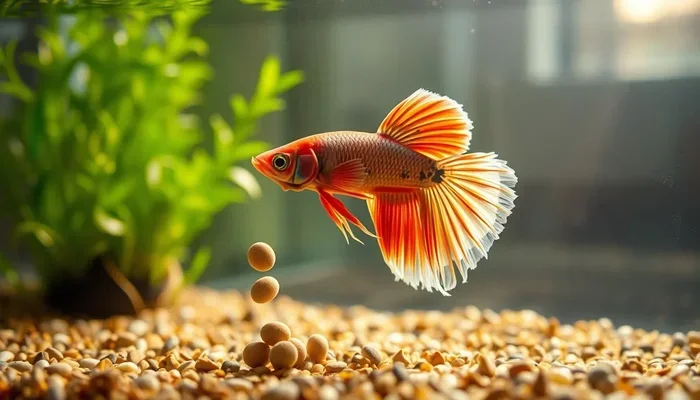
Feeding your male betta fish the right amount is one of the most important parts of betta care. A male betta should eat about 2-3 pellets per meal, twice a day. Overfeeding is the biggest mistake most betta owners make, and it can lead to serious health problems like bloating, poor water quality, and a shortened lifespan.
Key Takeaways
- Portion control is key: Male bettas need only a small amount of food per meal, roughly the size of their eyeball.
- Feed twice daily: A consistent morning and evening feeding schedule works best for most male bettas.
- Overfeeding causes big problems: Excess food ruins water quality and can lead to bloating, constipation, and swim bladder issues.
- Variety matters: Rotate between high-quality pellets, flakes, and occasional treats like bloodworms and peas for balanced nutrition.
- Watch for warning signs: A bloated belly, uneaten food on the tank floor, and lethargy all point to overfeeding.
- Fasting days help: Skipping one feeding per week gives your betta’s digestive system a much-needed break.
- Young bettas need more food: Baby and juvenile male bettas require more frequent feedings than adult bettas.
📑 Table of Contents
- Why Feeding Amount Matters So Much for Male Betta Fish
- How Much Food Should a Male Betta Fish Eat Per Meal?
- How Often Should You Feed a Male Betta Fish?
- Signs You Are Feeding Your Male Betta Too Much
- Best Foods for Male Betta Fish and How to Serve Them
- Tips for Building a Healthy Feeding Routine
- How Feeding Changes as Your Male Betta Ages
- Conclusion
Why Feeding Amount Matters So Much for Male Betta Fish
Many new betta owners make the same mistake. They think more food means a happier fish. That is simply not true. Feeding a male betta fish the right amount is one of the most important things you can do for its health and longevity.
A male betta fish has a very small stomach. It is roughly the size of their eyeball. That means they need only tiny portions at each meal. When you give them too much food, it does not just go to waste. It sinks to the bottom, decays, and poisons the water. This creates a toxic environment that can make your betta seriously ill.
On the flip side, underfeeding is also a concern. A malnourished betta will lose its vibrant colors, become lethargic, and face a weakened immune system. Finding the right balance is the sweet spot every betta owner should aim for.
Proper betta fish feeding is not just about the quantity of food. It also involves the type of food, the frequency of meals, and the overall betta fish care routine. When you get the feeding right, you will notice a more active, colorful, and lively fish. It is one of the easiest ways to improve your betta’s quality of life.
How Much Food Should a Male Betta Fish Eat Per Meal?
The answer to this question depends on a few factors. These include your betta’s age, size, and activity level. But there is a general rule that works for almost all male bettas. Keep reading to find out what that rule is and how to apply it every single day.
The Eyeball Rule for Portion Sizes
The most widely recommended guideline is the eyeball rule. Each meal should be about the size of your betta’s eyeball. For an adult male betta, this typically translates to two to three small pellets per feeding. If you are using flakes, a small pinch will do the same job.
This portion size gives your betta enough nutrition without overwhelming its digestive system. It also reduces the amount of uneaten food that can dirty the tank. How much to feed a betta fish really comes down to keeping portions small and consistent.
If you are ever unsure, it is better to underfeed slightly than to overfeed. Bettas are resilient fish, but their stomachs are not designed for large meals. Think of it like snacking, not feasting.
Types of Food and How They Affect Portion Size
Not all betta foods are created equal. The type of food you use can change how much you should feed your fish. Here is a quick breakdown of common betta foods and their portion sizes:
- High-quality pellets: 2-3 pellets per meal. These are the most popular choice and provide balanced nutrition.
- Flakes: A small pinch, about the size of a dime. Flakes tend to expand in water, so less is more.
- Bloodworms (frozen or freeze-dried): 1-2 worms per meal as a treat. These are high in protein but should not be the main diet.
- Brine shrimp: A small handful of frozen or live brine shrimp makes a great occasional treat.
- Daphnia: A few daphnia pellets or frozen cubes work well as a supplement.
Remember that treats like bloodworms and brine shrimp should make up no more than 10-20% of your betta’s diet. The staple food should always be a high-quality pellet or flake designed specifically for bettas. This ensures your fish gets all the betta fish nutrition it needs to thrive.
How Often Should You Feed a Male Betta Fish?
Frequency matters just as much as portion size. How many times a day you feed your betta depends on its age and overall health. Most adult male bettas do well with a consistent twice-daily feeding schedule. Let us break this down further so you can find the perfect routine for your fish.
The Ideal Daily Feeding Schedule
A good routine looks like this. Feed your male betta once in the morning and once in the evening. Space the meals about 8-12 hours apart. This mimics the natural eating patterns wild bettas would follow in their environment.
Morning feedings are great because your betta is hungry after a long night of rest. Evening feedings work well because it gives your fish time to digest before sleeping. Stick to this schedule as closely as you can. Consistency helps your betta feel secure and maintains a stable betta fish feeding schedule.
If you ever miss a feeding, do not panic. Skipping one meal occasionally is perfectly fine. In fact, it can be beneficial. Just get back on track at the next scheduled feeding time.
What About Fasting Days?
Here is a tip many experienced betta owners swear by. Skip one feeding per week. This gives your betta’s digestive system a chance to process any remaining food and reset. Fasting days can help prevent constipation and bloating, which are common issues in captive bettas.
Some owners fast their bettas for 24 hours once a week. Others skip just one meal. Either approach works well. Just make sure you are not skipping feedings for young or growing bettas, as they need more frequent meals for proper development.
If you want to learn more about feeding frequency and whether daily feeding is necessary, check out this guide on how often you should feed a betta fish for a deeper dive into the topic.
Signs You Are Feeding Your Male Betta Too Much
Overfeeding is the number one killer of pet bettas. It is also one of the easiest problems to prevent. Knowing the signs of overfeeding can save your fish from a lot of suffering. Let us look at what to watch for and what to do about it.
Common Overfeeding Symptoms
Your betta will tell you if you are feeding too much. You just need to pay attention. Here are the most common signs that your feeding amounts are too high:
- A bloated or swollen belly: This is the most obvious sign. If your betta’s belly looks larger than usual and not in a healthy way, you are likely overfeeding.
- Uneaten food sinking to the bottom: If food sits in the tank for more than a few minutes, you are giving too much.
- Lethargy and inactivity: A betta that barely moves after eating may be feeling the effects of a heavy meal.
- Floating or swimming erratically: Overfeeding can cause swim bladder issues, leading to unusual swimming behavior.
- Cloudy or dirty water: Excess food decays quickly and can cause ammonia spikes in the tank.
If you notice any of these signs, reduce the portion size immediately. You may also want to do a partial water change to improve tank water quality. Catching overfeeding early makes a huge difference in your betta’s long-term health.
What Happens When You Overfeed a Betta Fish?
Overfeeding does not just cause a bloated belly. It sets off a chain reaction that affects your entire tank. Uneaten food breaks down and releases ammonia. Ammonia is toxic to fish, even in small amounts. This can lead to fin rot, infections, and in severe cases, death.
Overfeeding can also cause constipation and swim bladder disease. These conditions make it hard for your betta to swim properly. Your fish may float sideways or struggle to stay upright. In many cases, a few days of fasting can resolve mild constipation. But prevention through proper portion control is always the better approach.
If you want to learn more about the dangers of giving your betta too much food, this article on can you feed a betta fish too much covers the topic in great detail.
Best Foods for Male Betta Fish and How to Serve Them
The food you choose matters just as much as how much you serve. Not all fish foods are suitable for bettas. Male bettas are carnivorous by nature, so they need a diet rich in protein. Let us explore the best food options and how to prepare them properly.
Pellets vs. Flakes: Which Is Better?
High-quality betta pellets are generally the best staple food for male bettas. They are specifically formulated to meet the nutritional needs of bettas. Pellets also sink slowly, which makes it easier for your betta to find and eat them before they dissolve.
Flakes can work too, but they have some downsides. Flakes tend to break apart quickly and cloud the water. They also expand in the water, which means a small pinch can look like a lot more food than it actually is. If you use flakes, start with a very small amount and remove any uneaten flakes after a few minutes.
When choosing pellets, look for brands where fish meal or whole fish is listed as the first ingredient. Avoid pellets filled with fillers like corn or wheat. These offer little nutritional value and can cause digestive issues.
Treat Foods: Bloodworms, Peas, and More
Treats add variety and excitement to your betta’s diet. They also provide additional nutrients that pellets alone may not offer. Here are some of the best treat options for male bettas:
- Bloodworms: A favorite among bettas. Use frozen or freeze-dried bloodworms as an occasional treat, not a daily meal.
- Brine shrimp: Rich in protein and great for boosting your betta’s appetite and color.
- Daphnia: A natural laxative that can help with constipation. Serve frozen or freeze-dried daphnia in small amounts.
- Peas: Yes, bettas can eat peas. They are an excellent source of fiber. Just make sure to remove the shell and serve a tiny piece. You can learn the proper way to do this in our guide on how to feed a pea to a betta fish.
Treats should be given no more than 2-3 times per week. The bulk of your betta’s diet should always be a high-quality staple food. This balance ensures your fish gets complete nutrition without the risk of dietary imbalances.
Tips for Building a Healthy Feeding Routine
Now that you know how much and how often to feed your male betta, let us talk about building a routine that actually works. A good feeding routine is about more than just dropping food in the tank. It is about creating consistency and paying attention to your fish’s needs.
Quick Tips for Feeding Success
- Feed at the same times every day. Routine helps your betta feel secure and maintain a healthy metabolism.
- Remove uneaten food within 5 minutes. This keeps the water clean and prevents ammonia buildup.
- Soak pellets before feeding. Dry pellets can expand in your betta’s stomach and cause bloating. A quick soak softens them.
- Watch your betta eat. Observing mealtime helps you spot changes in appetite early. A healthy betta should eat eagerly and finish its food within a few minutes.
- Adjust portions based on behavior. If your betta leaves food uneaten, reduce the portion size. If it finishes everything quickly, you may be able to add a tiny bit more.
- Keep a feeding log. Writing down what and when you feed helps you track patterns and catch problems early.
Common Mistakes to Avoid
Even experienced betta owners can fall into bad feeding habits. Here are some common mistakes to watch out for:
- Feeding too much at once: This is the most common mistake. Stick to small portions and remember the eyeball rule.
- Feeding too frequently: Some owners think more meals mean a healthier fish. For adult bettas, twice a day is plenty.
- Relying on treats as the main diet: Bloodworms and brine shrimp are treats, not staples. Too many treats lead to nutritional imbalances.
- Ignoring uneaten food: Leftover food decays fast and tanks water quality. Always remove it promptly.
- Changing food brands too often: Sudden diet changes can upset your betta’s stomach. Transition slowly if you need to switch foods.
Avoiding these mistakes alone will put you ahead of most betta owners. Combine that with a consistent routine, and your male betta will thrive for years to come.
How Feeding Changes as Your Male Betta Ages
Your betta’s feeding needs will change over time. A young betta has different requirements than an older betta. Understanding these changes helps you provide the best care at every stage of life.
Feeding Young Male Bettas
Baby and juvenile male bettas grow quickly and need more frequent meals. Young bettas under 6 months old do best with 3-4 small feedings per day. These should be very small portions of high-quality food, such as crushed pellets or baby brine shrimp.
As your betta grows, you can gradually reduce the number of daily feedings. By the time your betta reaches adulthood at around 6 months, you should transition to the twice-daily feeding schedule. This gradual change prevents digestive upset and supports healthy growth.
Feeding Senior Male Bettas
Older bettas tend to be less active and have slower metabolisms. You may need to reduce their portions slightly as they age. Some senior bettas also become pickier eaters. If your older betta refuses food, try offering a different type of food or a small treat like a bloodworm to spark their appetite.
Always monitor your senior betta’s weight and behavior. A sudden loss of appetite in an older fish can be a sign of illness. When in doubt, consult a veterinarian who specializes in fish health.
Conclusion
Feeding your male betta fish the right amount is one of the simplest yet most impactful things you can do as a betta owner. Stick to small portions, feed twice a day, and watch for signs of overfeeding or underfeeding. A well-fed betta is a happy, active, and colorful fish that will bring you joy for years.
Remember the eyeball rule, keep treats occasional, and always remove uneaten food. These small habits make a huge difference in your betta’s overall health and lifespan. If you ever feel unsure about your feeding routine, revisit these guidelines and adjust based on your fish’s individual needs.
Your male betta depends on you for its well-being. Getting the feeding right is the foundation of great betta fish care. Start today, stay consistent, and enjoy watching your beautiful fish thrive.
Frequently Asked Questions
How much should I feed my male betta fish per day?
A male betta should eat about 2-3 small pellets per meal, twice a day. This totals roughly 4-6 pellets daily, depending on the size of the pellets and your betta’s appetite. Always follow the eyeball rule and adjust portions based on how quickly your fish eats.
Can I feed my male betta fish once a day instead of twice?
Yes, feeding once a day is acceptable for some male bettas, especially if you give a slightly larger portion. However, most experts recommend twice-daily feedings to maintain steady energy levels and consistent digestion. If you feed once a day, consider adding a fasting day on certain days of the week.
What happens if I accidentally overfeed my betta fish?
A single overfeeding is unlikely to cause serious harm. However, repeated overfeeding leads to bloating, constipation, and poor water quality. If you accidentally overfeed, remove uneaten food immediately and consider skipping the next meal to give your betta’s digestive system a chance to recover.
Are freeze-dried foods good for male betta fish?
Freeze-dried foods can be a good treat option for male bettas. They are convenient and retain most of their nutritional value. However, they can expand in the stomach, so it is best to soak them in tank water for a few minutes before feeding. Always use freeze-dried foods as a supplement, not a staple diet.
Should I feed my male betta fish the same food every day?
Variety is important for a balanced diet. While high-quality pellets should be the staple, rotating in occasional treats like bloodworms, brine shrimp, or daphnia provides additional nutrients and keeps mealtime interesting. Aim for variety at least 2-3 times per week.
How can I tell if my male betta is still hungry after a meal?
A healthy betta will show interest in food but should not appear desperate or frantic after eating. If your betta still seems hungry after a proper portion, you can offer a tiny additional amount. However, be cautious, as bettas are opportunistic eaters and will beg for food even when they are full.