Is It Abusive to Have Betta Fish
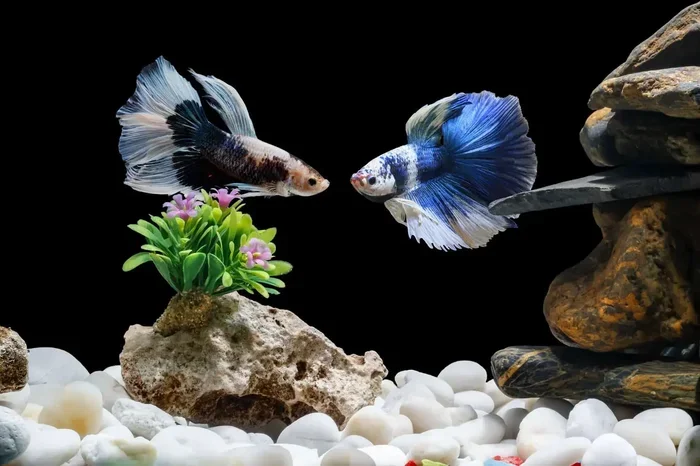
Is it abusive to have betta fish? The answer depends entirely on how you care for them. Betta fish need proper tank size, clean water, and a healthy environment to thrive. Many people unknowingly keep bettas in conditions that harm their well-being. This guide covers what constitutes betta fish abuse and how to provide ethical, compassionate care for your colorful companion.
Is it abusive to have betta fish? This question has sparked heated debates among fish keepers, animal lovers, and curious pet owners alike. The truth is more nuanced than a simple yes or no. Betta fish are often misunderstood creatures, and many well-meaning owners accidentally create harmful conditions without realizing it.
The short answer is that keeping betta fish is not inherently abusive. However, the way many people care for them can cross the line into neglect. A betta fish kept in a tiny bowl with no filter, no heater, and unchanged water is suffering. That is not a reflection of the fish being “low maintenance.” It is a reflection of inadequate care.
Understanding what bettas truly need is the first step toward responsible ownership. This article breaks down the myths, the realities, and the practical steps you can take to ensure your betta lives a healthy, happy life.
Key Takeaways
- Small bowls are harmful: Keeping bettas in tiny containers restricts movement and causes stress.
- Water quality matters enormously: Poor water conditions lead to illness and shortened lifespan.
- Betta fish are solitary: They do not need companions but do need enrichment and stimulation.
- Proper tank setup prevents cruelty: A filtered, heated tank of at least 5 gallons is the minimum standard.
- Knowing the signs of distress helps: Recognizing abnormal behavior early can save your betta’s life.
- Responsible ownership is achievable: With the right knowledge, keeping betta fish is neither abusive nor difficult.
📑 Table of Contents
What Does It Mean to Keep a Betta Fish?
Before we judge whether something is abusive, we need to understand what betta fish actually require. Betta fish, also known as Siamese fighting fish, originate from the warm, slow-moving waters of Southeast Asia. They are not the disposable pets that pet stores sometimes make them out to be.
A betta fish in the wild has access to sprawling rice paddies, slow rivers, and warm, plant-filled waters. Replicating even a fraction of that environment in a home tank goes a long way toward ethical fish keeping. When people talk about betta fish abuse, they are usually referring to conditions that deny the fish its basic biological needs.
Basic Needs of a Betta Fish
Every betta fish needs certain fundamentals to live a good life. These include:
- Adequate space: At least a 5-gallon tank, preferably larger.
- Clean water: Regular water changes and proper cycling.
- Stable temperature: A heater maintaining 76–82°F (24–28°C).
- Filtration: Gentle filtration to remove toxins without creating strong currents.
- Enrichment: Plants, hiding spots, and room to explore.
- Proper nutrition: High-quality food fed in appropriate amounts.
When any of these needs go unmet, the fish experiences stress, illness, and a shortened lifespan. That is where the line between care and neglect becomes clear.
Common Myths About Betta Fish Keeping
Many people believe that bettas are cheap, easy fish that can survive in a coffee mug. This myth has caused real harm to millions of bettas worldwide. Let us debunk some of the most dangerous misconceptions.
Myth 1: Bettas Can Live in Tiny Bowls
This is perhaps the most harmful myth in the fish-keeping world. A betta fish in a 1-gallon bowl or a tiny cup is like a person locked in a closet. They need room to swim, explore, and exhibit natural behaviors. Keeping betta fish in small containers leads to ammonia buildup, stress, and boredom.
If you are currently keeping your betta in a small bowl, consider upgrading to a proper tank. Check out our guide on do betta fish have to have water changes to learn how water maintenance plays a critical role in their well-being.
Myth 2: Bettas Do Not Need a Filter
Some people believe bettas are too “fancy” or “delicate” for a filter. In reality, bettas benefit greatly from gentle filtration. Filters remove harmful ammonia and nitrites that build up in any aquarium. Without a filter, water quality deteriorates rapidly, which directly impacts fish health.
For more on this topic, visit our article on are betta fish supposed to have a filter.
Myth 3: Bettas Are Low-Effort Pets
Nothing could be further from the truth. While bettas are hardier than many tropical fish, they still require consistent care. Regular water changes, temperature monitoring, and proper feeding are all part of responsible ownership. Treating them as “set it and forget it” pets often leads to suffering.
Myth 4: Bettas Are Happy Alone Because They Are Mean
Betta fish are territorial, but that does not mean they are unhappy alone. In fact, betta fish loneliness is not really a concern because they are naturally solitary creatures. The real issue is whether their environment is stimulating enough, not whether they need a tank mate.
Signs That Betta Fish Keeping Might Be Harmful
How do you know if your setup is crossing into abusive territory? There are clear warning signs that indicate your betta is not thriving.
Physical Signs of Stress
Watch for these physical indicators that your betta fish is suffering:
- Faded or dull colors: A healthy betta should display vibrant fins and body color.
- Clamped fins: Fins held close to the body signal discomfort or illness.
- Loss of appetite: Refusing food consistently is a red flag.
- White spots or residue: These often indicate disease caused by poor water conditions.
- Labored breathing: Gasping at the surface or rapid gill movement suggests water quality issues.
Behavioral Signs of a Suffering Betta
Behavior changes are often the earliest warning signs. If your betta is lethargic, hiding constantly, or pacing the glass, something is wrong. A healthy betta should be curious, responsive, and actively exploring its environment.
If you notice these signs, check your water parameters immediately. Visit our guide on do betta fish have to have special water to understand what water conditions bettas need to stay healthy.
Common Mistakes That Lead to Harm
Many well-intentioned owners make mistakes that inadvertently harm their bettas. Here are the most common ones:
- Using untreated tap water: Chlorine and chloramine in tap water are toxic to fish. Always use water conditioner.
- Skipping water changes: Even with a filter, partial water changes are essential.
- Overfeeding: Excess food rots and pollutes the water quickly.
- Keeping the tank in direct sunlight: This causes temperature spikes and algae blooms.
- Housing multiple males together: Male bettas will fight, sometimes to the death.
For tips on proper feeding habits, read our article on do betta fish have to be fed every day.
How to Keep Betta Fish Humanely and Ethically
The good news is that keeping betta fish responsibly is straightforward once you know what to do. Ethical betta care is not expensive or complicated. It simply requires attention and commitment.
Choose the Right Tank Size
A 5-gallon tank is the minimum for a single betta. Larger tanks, such as 10 gallons, are even better because they provide more stable water parameters. A bigger volume of water dilutes toxins and gives your betta room to swim freely.
Remember, a betta fish is a living creature with a brain and nervous system capable of experiencing stress and discomfort. Providing adequate space is a basic act of respect.
Set Up Proper Filtration and Heating
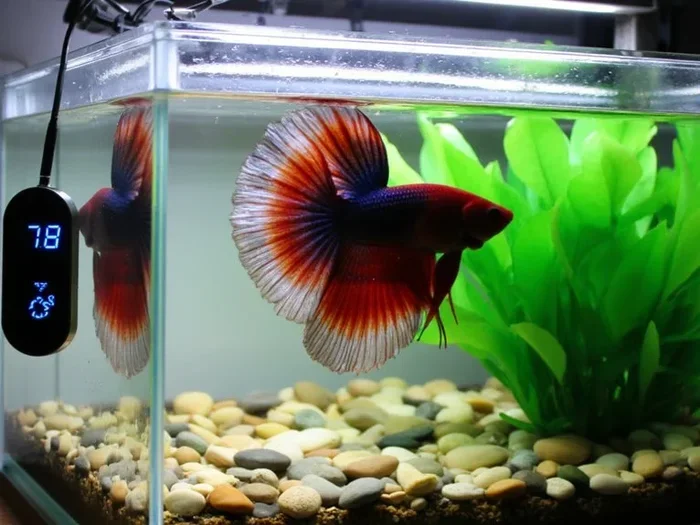
A gentle sponge filter is ideal for betta tanks. It provides biological filtration without creating strong currents that tire out your fish. A reliable heater keeps the water in the 76–82°F range, mimicking the warm tropical conditions bettas naturally inhabit.
Create an Enriched Environment
Betta fish are curious animals. They enjoy exploring, hiding, and observing their surroundings. Add live or silk plants, caves, and open swimming areas. Avoid sharp plastic decorations that can tear their delicate fins.
For insights on keeping your betta happy and healthy, check out our article on how to know if your betta fish is happy.
Maintain a Consistent Care Routine
Consistency is the backbone of ethical fish keeping. Here is a simple routine to follow:
- Daily: Feed small amounts once or twice a day. Observe your fish for any changes in behavior.
- Weekly: Test water parameters for ammonia, nitrite, and nitrate levels.
- Bi-weekly: Perform a 25–30% water change using conditioned water at the correct temperature.
- Monthly: Clean the filter media gently in removed tank water to preserve beneficial bacteria.
The Role of Tank Setup and Water Quality
Water quality is the single most important factor in betta fish welfare. Poor water conditions are the leading cause of disease, stress, and early death in captive bettas. Understanding the nitrogen cycle and how to manage it is essential for every betta owner.
Understanding the Nitrogen Cycle
The nitrogen cycle is the process that converts toxic ammonia (from fish waste and uneaten food) into less harmful nitrites and then nitrates. A fully cycled tank has beneficial bacteria that handle this conversion automatically. Without a cycled tank, ammonia levels spike, which is essentially poisoning your fish.
This is why simply dumping a betta into a new bowl without cycling it is a form of neglect. The fish has no defense against the toxic buildup that follows.
Water Parameters for Betta Fish
| Parameter | Ideal Range |
|---|---|
| Temperature | 76–82°F (24–28°C) |
| pH | 6.5–7.5 |
| Ammonia | 0 ppm |
| Nitrite | 0 ppm |
| Nitrate | Under 20 ppm |
Regular testing with a liquid test kit is the best way to ensure these parameters stay within safe ranges. Test strips are less accurate but still useful for quick checks.
Final Thoughts on Betta Fish Welfare
So, is it abusive to have betta fish? The answer is no — not when they are kept properly. Betta fish keeping becomes harmful only when owners neglect their basic needs. A well-maintained tank with clean water, proper temperature, adequate space, and a stimulating environment is the foundation of ethical care.
The responsibility falls on us as owners to educate ourselves and provide the best possible life for our pets. Every betta fish deserves to swim freely, eat well, and live without unnecessary stress. When we meet that standard, fish keeping is a rewarding and compassionate hobby.
If you are new to betta care or suspect your current setup could be improved, start with small changes. Upgrade the tank size, add a gentle filter, and establish a consistent water change routine. Your betta will thank you with vibrant colors, active behavior, and a longer, healthier life.
Remember, a betta fish is not a decoration or a disposable pet. It is a living creature that depends entirely on you for its well-being. Treat it with the care and respect it deserves, and you will have a loyal, beautiful companion for years to come.
Frequently Asked Questions
Is keeping a betta fish in a small bowl considered abuse?
Yes, keeping a betta fish in a tiny bowl without filtration or heating can be considered neglectful. Bettas need at least a 5-gallon tank with proper water conditions to thrive. A small bowl leads to rapid toxin buildup and chronic stress, which significantly shortens the fish’s lifespan.
Can betta fish feel pain or stress?
Yes, betta fish have nervous systems that allow them to experience pain and stress. Signs of stress include clamped fins, loss of color, lethargy, and loss of appetite. Providing a proper environment minimizes stress and promotes a healthy, happy fish.
Do betta fish need a heater in their tank?
Yes, betta fish are tropical fish and require stable warm water temperatures between 76 and 82 degrees Fahrenheit. Without a heater, room temperature fluctuations can make them vulnerable to illness and weaken their immune system over time.
Is it okay to keep two betta fish together?
Two male bettas should never be housed together, as they will fight aggressively and may injure or kill each other. Female bettas can sometimes be kept in groups called sororities, but this requires a larger tank and careful planning. For most owners, keeping a single betta is the safest and most humane choice.
How often should I change my betta fish’s water?
For a well-filtered 5-gallon or larger tank, performing a 25–30% water change every two weeks is ideal. Tanks smaller than 5 gallons may need weekly changes of 20–30%. Always use water conditioner to remove chlorine and chloramine before adding new water.
What should I do if my betta fish shows signs of illness?
If your betta shows signs of illness such as white spots, clamped fins, or loss of appetite, test your water parameters immediately. Poor water quality is the most common cause of fish disease. Quarantine the fish if possible and consult a veterinarian or experienced fish keeper for treatment advice.
=== CONCLUSION ===
Keeping betta fish is not abusive when done correctly. The key lies in understanding their needs and meeting them consistently. From proper tank size and water quality to enrichment and nutrition, every detail matters. By avoiding the common mistakes outlined in this article and committing to a care routine, you ensure your betta lives a life free from unnecessary suffering. Take the knowledge you have gained here and apply it — your betta fish deserves nothing less than the best care you can provide.