Are Betta Fish Supposed to Have a Filter
Betta fish can thrive with or without a filter, but the right choice depends on tank size, maintenance habits, and water quality goals. Using a gentle filter simplifies cleaning and keeps parameters stable, while a well‑maintained filter‑free setup can work for small bowls if you stay on top of water changes.
Key Takeaways
- Filters aren’t mandatory: Bettas survive in filter‑free bowls, but water quality must be closely monitored.
- Gentle flow is best: Strong currents stress bettas; choose low‑flow or sponge filters.
- Maintenance matters: With a filter you change 20‑30% water weekly; without one you may need 30‑50% water changes.
- Tank size matters: 5‑gal (or larger) tanks benefit greatly from a filter; 1‑gal bowls can work without one.
- Biological filtration is key: Whether built‑in or via live plants, establishing good bacteria prevents ammonia spikes.
- Cost vs. convenience: Filters add expense but save time; filter‑free setups are cheaper but demand more hands‑on care.
- Choose the right filter: Sponge, hang‑on‑back, or internal filters with adjustable flow are ideal for bettas.
📑 Table of Contents
- Introduction: Why This Question Pops Up
- Understanding Betta Biology and Water Needs
- What Does a Filter Actually Do?
- Pros of Using a Filter for Betta Tanks
- Cons of Using a Filter for Betta Tanks
- When a Filter Is the Best Choice
- When You Can Skip the Filter
- Choosing the Right Filter for Your Betta
- Maintenance Routine: Filter vs. No Filter
- Real‑World Example: Two Setups Compared
- Bottom Line: Are Betta Fish Supposed to Have a Filter?
- Practical Tips to Keep Your Betta Happy
- Conclusion
Introduction: Why This Question Pops Up
If you’ve ever walked into a pet store and seen a bright‑red betta swimming proudly in a tiny bowl, you might wonder, are betta fish supposed to have a filter? The short answer is “it depends.” In the early days of the hobby, bettas were sold in tiny, unfiltered containers because they are hardy and can gulp air from the surface. Today, most hobbyists aim for a healthier environment that mimics the fish’s natural habitat in the shallow streams of Southeast Asia.
This article will walk you through the science behind filtration, the pros and cons of using a filter, and how to decide what’s best for your finned friend. We’ll also share practical tips, real‑world examples, and answers to common questions—all written in a friendly, conversational tone.
Understanding Betta Biology and Water Needs
Natural habitat and breathing habits
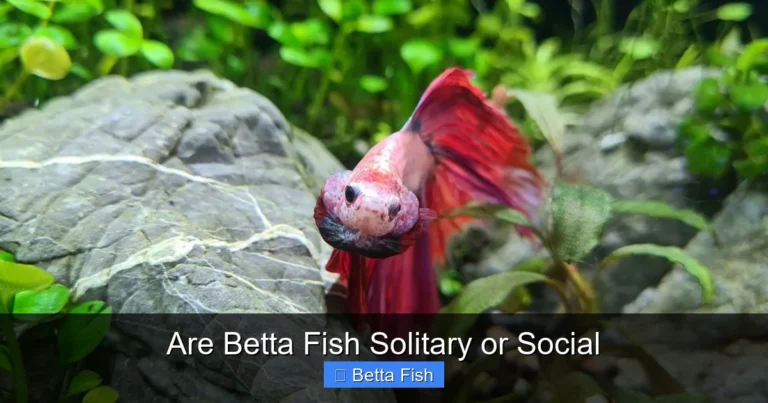
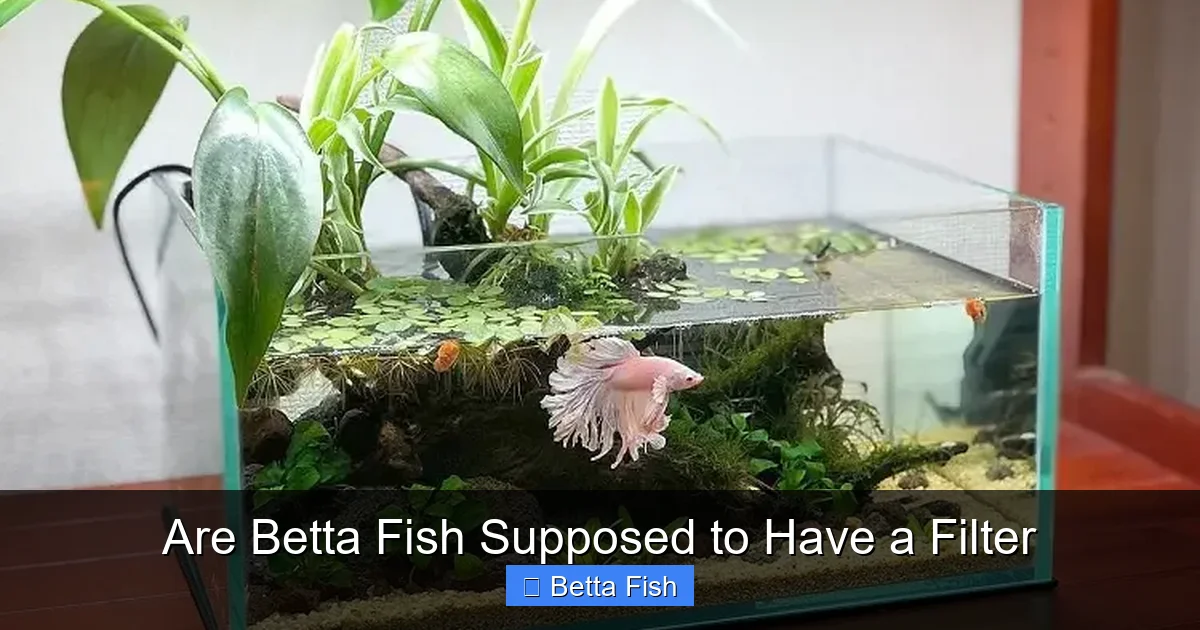
Bettas (Betta splendens) are native to the rice paddies, slow‑moving streams, and leaf‑littered pools of Thailand, Cambodia, and Vietnam. The water is warm (around 78‑82°F), soft, and low in oxygen. Betta’s labyrinth organ lets them breathe atmospheric air, which is why they can survive in low‑oxygen bowls.
Visual guide about Are Betta Fish Supposed to Have a Filter
Image source: bettafishworld.com
Why water quality still matters
Even though they can gulp air, bettas are still fish. Ammonia, nitrite, and high nitrate levels are toxic and can cause stress, fin rot, and a weakened immune system. Good water quality is the foundation of any healthy betta setup, whether you use a filter or not.
What Does a Filter Actually Do?
Mechanical, chemical, and biological filtration
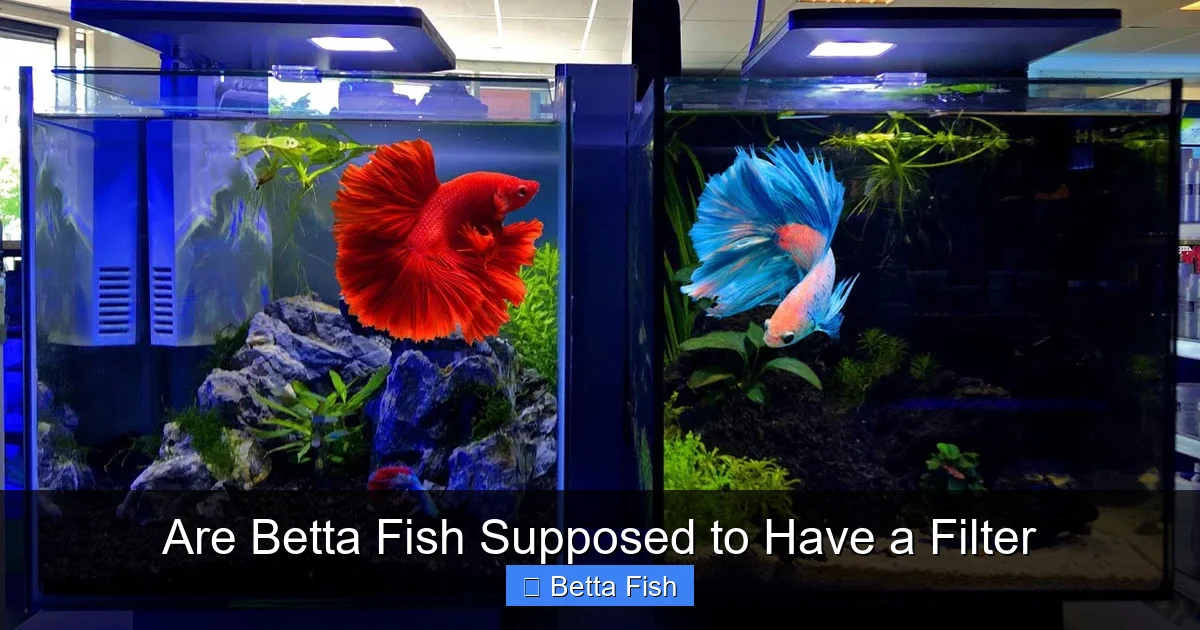
A complete filtration system tackles three problems:
Visual guide about Are Betta Fish Supposed to Have a Filter
Image source: i.ytimg.com
- Mechanical: Traps particles like uneaten food and fish waste.
- Chemical: Removes dissolved toxins (activated carbon is a common media).
- Biological: Provides a surface for beneficial bacteria to convert toxic ammonia → nitrite → nitrate.
In a filter‑free tank, you must rely on water changes, plants, and the substrate to perform these tasks.
Flow rate and betta comfort
Bettas are “flame‑tail” fighters who prefer calm waters. A strong current can exhaust them and make them hide. When choosing a filter, look for models with adjustable flow or a sponge pre‑filter that diffuses the water stream.
Pros of Using a Filter for Betta Tanks
Stable water parameters
Filters continuously process waste, keeping ammonia and nitrite at near‑zero levels. This stability reduces the frequency of large water changes and helps maintain a consistent pH.
Visual guide about Are Betta Fish Supposed to Have a Filter
Image source: bettafish.org
Less daily maintenance
With a reliable filter, you typically perform a 20‑30% water change once a week. That’s far easier than the 30‑50% changes many filter‑free owners need to keep water safe.
Supports a planted aquarium
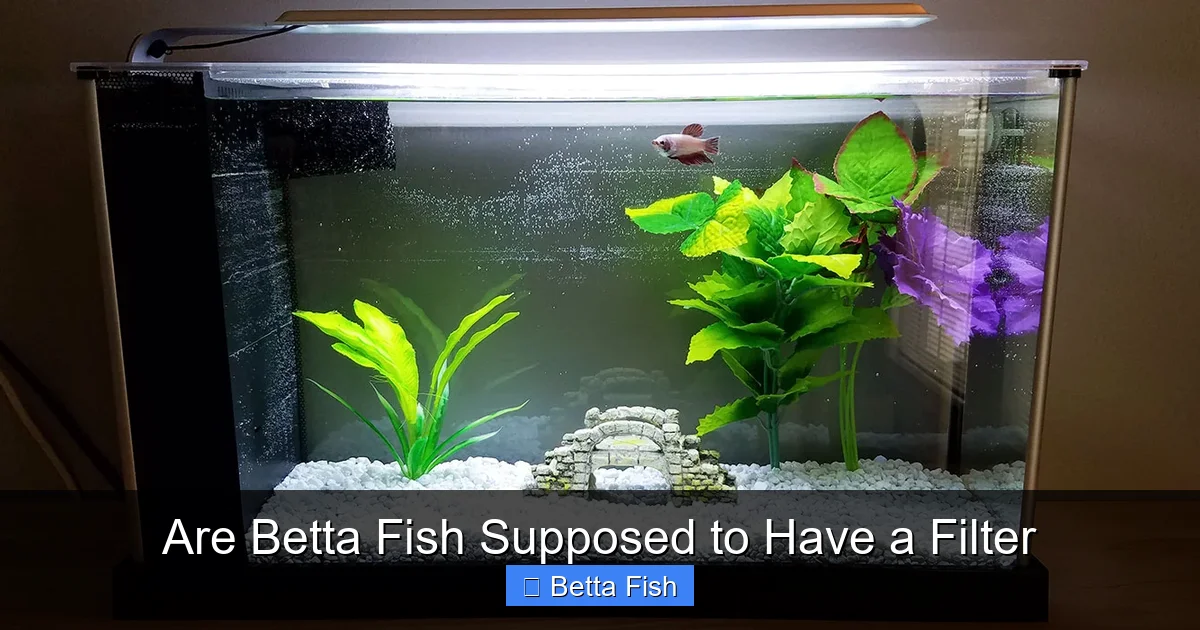
Plants benefit from gentle water movement, which delivers nutrients and carbon dioxide evenly. A low‑flow filter can create a perfect balance for a natural‑look betta tank.
Reduces disease risk
By constantly breaking down waste, a filter lowers the chance of harmful bacterial blooms that cause fin rot or velvet disease.
Cons of Using a Filter for Betta Tanks
Potential for too much current
Some filters, especially power filters, push water too fast for a betta’s delicate fins. This can cause stress and even damage the dorsal fin.
Initial cost and space
Even a small sponge filter costs $5‑$15, plus the need for a tank lid to prevent the filter from being knocked out.
Maintenance of the filter itself
Filters need periodic cleaning or media replacement. Neglecting this can lead to clogged flow and reduced efficiency.
When a Filter Is the Best Choice
Tank size 5 gallons or larger
In a 5‑gal (or bigger) tank, a filter provides a stable environment and makes weekly water changes manageable. A gentle hang‑on‑back (HOB) filter with a flow‑adjust knob or a sponge filter works well.
Busy owners or beginners
If you’re new to fishkeeping or have a hectic schedule, a filter can act as a safety net. It gives you extra time to learn other aspects of betta care without worrying about daily water checks.
Community or mixed‑species tanks
When you add peaceful tank mates—like snails, shrimp, or small catfish—a filter helps keep the water clean for all inhabitants.
For a step‑by‑step guide on cleaning a filtered tank, see our article on how to clean a betta fish tank with filter.
When You Can Skip the Filter
Small bowls (1‑2 gallons) with diligent care
If you choose a tiny bowl, you can keep it safe without a filter by performing frequent water changes (30‑50% every two days) and using a fine mesh net to remove debris.
Live plants as natural bio‑filters
Plants like Java fern, Anubias, and Marimo moss absorb ammonia and nitrate, acting as living filters. Pair them with a substrate that harbors beneficial bacteria.
Short‑term setups
For a temporary display (e.g., a weekend show), a filter may not be necessary as long as you monitor water quality closely.
Need tips on cleaning a bowl without a filter? Check out how to clean a betta fish tank without a filter.
Choosing the Right Filter for Your Betta
Sponge filters
These are the gold standard for betta tanks. They provide excellent biological filtration, gentle flow, and are easy to clean. Place the sponge in a small air‑driven reactor or attach it to a HOB outlet.
Hang‑on‑back (HOB) filters with flow control
Look for models that let you dial the flow down to a trickle. Adding a pre‑filter sponge can further soften the current.
Internal filters
Compact internal filters sit inside the tank and often include a spray bar that can be angled away from the betta’s resting spot.
DIY options
Some hobbyists create a “filter box” using a small plastic container, filter floss, and an air pump. This low‑cost solution works well for 2‑5‑gallon setups.
Maintenance Routine: Filter vs. No Filter
With a filter
- Weekly 20‑30% water change.
- Rinse sponge or filter media in tank water (not tap water) to preserve beneficial bacteria.
- Check flow rate and adjust if the betta seems stressed.
Without a filter
- Water change 30‑50% every 2‑3 days.
- Remove uneaten food and debris with a fine net.
- Test ammonia and nitrite at least twice a week.
For detailed water‑change steps, see how to do a betta fish water change.
Real‑World Example: Two Setups Compared
Setup A – 5‑gallon tank with sponge filter
Owner Jane installed a 2‑inch sponge filter, added Java moss, and set the flow to a gentle bubble. She performs a 25% water change weekly. After six months, her betta shows vibrant colors, no fin rot, and stable nitrate (~20 ppm).
Setup B – 1‑gallon bowl, no filter
Owner Mark does a 40% water change every two days and carefully removes waste with a turkey baster. His betta is healthy, but he spends 30‑45 minutes each week on maintenance and worries about sudden spikes in ammonia.
Both owners succeed, but Jane’s setup requires less daily vigilance, illustrating how a filter can simplify care.
Bottom Line: Are Betta Fish Supposed to Have a Filter?
The answer is nuanced. Betta fish are adaptable and can live in filter‑free bowls if you commit to frequent water changes and diligent monitoring. However, for most hobbyists—especially those with tanks 5 gallons or larger—a low‑flow filter provides a safer, more convenient environment that promotes long‑term health.
Consider your tank size, lifestyle, and willingness to perform regular water changes. If you decide a filter is right for you, choose a gentle option, keep the flow low, and maintain the filter regularly. If you prefer a filter‑free setup, be prepared for more hands‑on maintenance and keep a close eye on water parameters.
Practical Tips to Keep Your Betta Happy
- Test water weekly with a liquid test kit (ammonia, nitrite, nitrate, pH).
- Use a heater to maintain 78‑82°F; temperature fluctuations stress bettas.
- Provide hiding spots—plants, caves, or silk nets—to reduce stress.
- Feed high‑quality pellets or frozen foods once or twice daily, and remove leftovers.
- Perform regular partial water changes to keep nitrate below 40 ppm.
Conclusion
Whether you choose to add a filter or not, the ultimate goal is clear water, stable parameters, and a stress‑free environment. Filters make the job easier for many keepers, but they are not an absolute requirement for a healthy betta. By understanding the role of filtration, matching the flow to your fish’s needs, and staying consistent with maintenance, you can answer the age‑old question—are betta fish supposed to have a filter?—with confidence tailored to your own situation.
Frequently Asked Questions
Do bettas need a filter if they live in a small bowl?
Not strictly, but you must perform very frequent water changes (30‑50% every 2‑3 days) and monitor water quality closely.
What type of filter is safest for bettas?
Sponge filters or low‑flow hang‑on‑back filters with adjustable settings are the safest because they provide gentle water movement.
Can a filter cause fin rot in bettas?
Fin rot is caused by poor water quality, not the filter itself. However, a filter that creates strong currents can stress the fish, making it more susceptible to disease.
How often should I clean the filter in a betta tank?
Rinse the filter media once a week in tank water during your regular water change. Replace carbon every 4‑6 weeks.
Is a heater still needed if I have a filter?
Yes. Bettas need warm water (78‑82°F) regardless of filtration. Use a reliable aquarium heater and a thermometer.
Can I keep live plants without a filter?
Yes, live plants act as natural bio‑filters. Combine them with frequent water changes and a good substrate for best results.