Do Betta Fish Have to Be Fed Every Day

Betta fish do not strictly need to be fed every single day, but they thrive on a consistent, moderate feeding routine. Providing the right amount once or twice daily, watching for appetite changes, and adjusting for age and water conditions will keep your betta healthy and vibrant.
Key Takeaways
- Consistency beats frequency: A regular feeding schedule (once or twice daily) is more important than feeding every single day.
- Small portions prevent problems: Offer only what your betta can eat in 2‑3 minutes to avoid water‑quality issues.
- Age matters: Fry need multiple small meals; adults can be fed less often.
- Watch the water: Over‑feeding leads to cloudy water and disease; regular water changes help.
- Adjust for temperature: Warmer water speeds metabolism, so feeding may need slight tweaks.
- Know the signs: Appetite loss can signal stress, illness, or poor water conditions.
- Use quality food: High‑protein pellets or frozen foods give balanced nutrition.
📑 Table of Contents
- Introduction: Why Feeding Frequency Matters for Betta Fish
- Understanding Betta Metabolism
- Do Betta Fish Have to Be Fed Every Day?
- How Much Should You Feed? Portion Control Is Key
- Signs Your Betta Is Getting Too Much or Too Little Food
- Practical Feeding Calendar: Sample Weekly Plan
- Impact of Water Quality on Feeding
- Common Mistakes New Betta Owners Make
- Answering the Core Question: Do Betta Fish Have to Be Fed Every Day?
- Conclusion: A Balanced Approach for a Happy Betta
Introduction: Why Feeding Frequency Matters for Betta Fish
When you first bring home a gorgeous betta, the excitement can turn into a flurry of questions: “How much should I feed it?” “Do I need to feed it every day?” “What if I miss a feeding?” These are common concerns because bettas have a reputation for being low‑maintenance, yet they still need proper nutrition to stay bright, active, and disease‑free.
In this article we’ll dive deep into the feeding habits of betta fish, explore the science behind their metabolism, and give you a clear, step‑by‑step plan that works for beginners and seasoned hobbyists alike. By the end, you’ll know exactly how often to feed your betta, how much to give, and what signs tell you it’s time to adjust the routine.
Understanding Betta Metabolism
How a Betta’s Body Processes Food
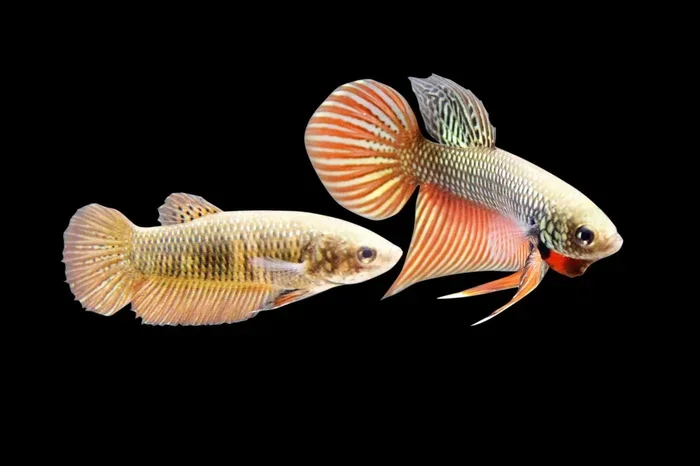
Betta fish are tropical carnivores. Their natural diet in the wild consists of insects, larvae, and tiny crustaceans. Because they are “mouthbrooders,” they have a fast‑acting digestive system that can handle frequent, small meals. However, in a captive environment, the metabolism can be influenced by water temperature, activity level, and stress.

Visual guide about Do Betta Fish Have to Be Fed Every Day
Image source: img95.699pic.com
Temperature’s Role
Warmer water (around 78‑80°F or 25‑27°C) speeds up digestion, meaning bettas may need a slightly larger portion or an extra feeding compared to cooler water. Conversely, in cooler water their metabolism slows, and they can go longer between meals without losing condition.
Age and Life Stage
- Fry (0‑3 months): Require 3‑5 tiny feedings a day because they are growing rapidly.
- Juveniles (3‑6 months): Can be fed 2‑3 times daily.
- Adults (6 months+): Usually do well with 1‑2 feedings per day, or even every other day if portions are adjusted.
Do Betta Fish Have to Be Fed Every Day?
The Short Answer
No, bettas do not *have* to be fed every single day, but they do benefit from a consistent routine. Skipping a day occasionally will not harm a healthy adult, but regular under‑feeding can lead to weight loss, dull colors, and a weakened immune system.

Visual guide about Do Betta Fish Have to Be Fed Every Day
Image source: img-cdn.publive.online
Why Consistency Beats Daily Feeding
Betta fish thrive on predictability. When they know when to expect food, they are less stressed. Stress hormones can suppress appetite and make them more susceptible to disease. Therefore, setting a schedule—whether it’s once daily at the same time or twice daily with a 12‑hour gap—creates a stable environment.
When Skipping a Day Is Okay
- If your betta is an adult with a healthy weight and vibrant fins.
- If you’ve fed a slightly larger portion the previous day.
- When you’re on vacation and can’t feed daily, using an automatic feeder set to a low dose is safe.
Never skip feeding for more than 2‑3 consecutive days without a good reason; this can quickly lead to health decline.
How Much Should You Feed? Portion Control Is Key
Estimating the Right Amount
A good rule of thumb is to feed an amount that your betta can swallow in 2‑3 minutes. For most adult bettas, this is about 2‑4 small pellets or a pea‑sized dab of frozen/brine shrimp. If the food remains uneaten after 5 minutes, remove it to keep the water clean.

Visual guide about Do Betta Fish Have to Be Fed Every Day
Image source: gd-hbimg.huaban.com
Types of Food and Their Benefits
- Pellets: Formulated for bettas, they sink slowly, mimicking natural hunting.
- Freeze‑dried or frozen bloodworms: High protein, great for occasional treats.
- Live foods (e.g., daphnia): Stimulate natural foraging, but use sparingly to avoid over‑feeding.
- Vegetable supplements: A tiny amount of blanched peas can aid digestion.
Feeding Frequency Guide
| Life Stage | Feeding Frequency | Portion |
|---|---|---|
| Fry | 3‑5 times/day | Pinhead amount of crushed fry food |
| Juvenile | 2‑3 times/day | 2‑3 small pellets |
| Adult | 1‑2 times/day | 2‑4 pellets or 1‑2 frozen brine shrimp |
Signs Your Betta Is Getting Too Much or Too Little Food
Over‑Feeding Symptoms
- Cloudy or foul‑smelling water within 24‑48 hours.
- Visible uneaten food floating after meals.
- Bloated abdomen or “swell belly” appearance.
- Frequent constipation, which can be eased with a small pea.
Under‑Feeding Symptoms
- Loss of color intensity; fins become dull.
- Reduced activity; the betta spends more time at the bottom.
- Weight loss, noticeable when the body looks thinner.
- Increased susceptibility to disease (fin rot, ich).
How to Adjust
If you notice any of the above, reduce or increase the portion by one pellet and monitor for 3‑4 days. Small adjustments are usually enough.
Practical Feeding Calendar: Sample Weekly Plan
Monday‑Friday: Standard Routine
Feed once in the morning (around 9 am) with 2‑3 pellets. Observe if your betta eats everything within 2 minutes. If yes, you’re on target.
Saturday: Treat Day
Offer a small frozen bloodworm or daphnia as a treat. Keep the regular pellet amount unchanged.
Sunday: Light Day
Skip the morning feeding if your betta ate well all week, but give a single pellet in the evening. This occasional “fast” can help prevent over‑feeding and keeps the digestive system active.
Vacation or Travel
Use an automatic feeder set to dispense 1‑2 pellets every 12 hours, or ask a friend to feed using the same amounts you use at home. Consistency is key, even when you’re away.
Impact of Water Quality on Feeding
Why Clean Water Matters
Excess food that isn’t eaten quickly decomposes, raising ammonia and nitrite levels. High ammonia can cause gill irritation and loss of appetite. Regular water changes (20‑30 % weekly) keep the environment stable.
How to Perform a Betta‑Friendly Water Change
When you do a water change, gently siphon out debris and uneaten food. Replace with water that matches the tank’s temperature and pH. For a step‑by‑step guide, see our article on how to do a water change for betta fish.
Testing Parameters
Use a liquid test kit weekly to check ammonia, nitrite, nitrate, and pH. If ammonia spikes after a feeding day, cut the portion back.
Common Mistakes New Betta Owners Make
Feeding Too Much “All‑You‑Can‑Eat” Style
Many beginners think more food equals a happier fish. In reality, over‑feeding leads to poor water quality and health issues.
Relying on One Food Type
Betta fish benefit from a varied diet. Rotating pellets, frozen foods, and occasional live foods mimics natural feeding and prevents nutritional deficiencies.
Ignoring Temperature and Stress
Cold water slows digestion, so a betta in a cooler tank may not finish a standard portion. Warm water speeds up metabolism, so you might need to feed a touch less.
Answering the Core Question: Do Betta Fish Have to Be Fed Every Day?
In short, daily feeding is not a strict requirement for a healthy adult betta, but a regular schedule of 1‑2 feedings per day is the most reliable way to keep them thriving. Consistency, appropriate portion size, and clean water are the three pillars of successful betta nutrition.
Remember the following checklist:
- Feed at the same time(s) each day.
- Offer only what can be eaten in 2‑3 minutes.
- Watch water quality and perform regular changes.
- Adjust portions based on temperature, age, and activity.
- Provide variety in the diet.
Follow these guidelines, and your betta will reward you with vibrant colors, graceful fins, and a lively personality.
Conclusion: A Balanced Approach for a Happy Betta
Betta fish are resilient, but they are not invincible. Feeding them every day is a safe habit, yet not an absolute necessity if you manage portions wisely. By focusing on consistency, portion control, and water quality, you give your betta the best chance to live a long, colorful life. For more on overall betta care, check out our guide on are betta fish easy to care for and learn how to make your tank a thriving home.
Frequently Asked Questions
How often should I feed my adult betta?
Most adult bettas do well with one to two feedings per day, offering only what they can eat in a few minutes.
Can I feed my betta once every two days?
Occasionally skipping a day is fine if you give a slightly larger portion the previous day, but regular feeding gaps longer than 48 hours can lead to weight loss.
What is the best type of food for betta fish?
High‑quality betta pellets combined with occasional frozen or live foods provide balanced nutrition and keep your fish interested.
How do I know if my betta is over‑fed?
Cloudy water, uneaten food, a bloated belly, or frequent constipation are clear signs of over‑feeding.
Should I adjust feeding in colder water?
Yes. In cooler water bettas digest more slowly, so you may need to reduce the portion size or feed once daily instead of twice.
Is an automatic feeder safe for bettas?
Automatic feeders can work if set to dispense a small amount (1‑2 pellets) at regular intervals. Always test the feeder first to avoid over‑feeding.