Can Gold Fish and Betta Kept Together

Goldfish and betta fish should not be kept together in the same tank. Goldfish are coldwater fish that prefer temperatures around 65–72°F, while bettas are tropical fish that thrive in warmer water around 76–82°F, making their environmental needs incompatible. Additionally, goldfish produce a lot of waste and can grow much larger, often outcompeting or even nipping at the betta’s delicate fins, leading to stress and potential injury for both species.
Key Takeaways
- Never cohabitate: Goldfish and bettas have incompatible temperature and care needs.
- Temperature conflict: Goldfish prefer cold water; bettas require warm, stable tropical temperatures.
- Aggression risk: Bettas are territorial and may attack slow-moving, long-finned goldfish.
- Water quality differs: Goldfish produce heavy waste, creating toxic conditions for sensitive bettas.
- Separate tanks are essential: Provide species-specific environments for optimal health.
- Observe behavioral signs: Fin-nipping or hiding indicates immediate separation is necessary.
- Consult experts first: Always research before mixing any fish species together.
📑 Table of Contents
- Introduction: The Dream of a Shared Tank
- The Core Problem: Drastically Different Water Needs
- Temperament and Aggression: A Recipe for Disaster
- Size and Space: The Tank Size Dilemma
- Diet and Feeding: Another Point of Conflict
- Health Risks: Stress Leads to Sickness
- Better Alternatives: Finding the Right Tank Mates
- Conclusion: Prioritize Their Well-being
Introduction: The Dream of a Shared Tank
It’s a scene that plays out in pet shops everywhere. You’re standing in front of a gorgeous display. On one side, a Betta fish with flowing, vibrant fins. On the other, a school of shimmering Goldfish. A thought pops into your head: “They both look so peaceful. Wouldn’t they look amazing together in one tank?”
It’s a very common question. The idea of combining two of the most popular beginner fish is incredibly appealing. You imagine a beautiful, diverse aquarium that’s easy to manage. But before you grab a net, we need to have an honest conversation. The short answer to whether gold fish and betta kept together is a good idea is a firm no.
Simply put, these two fish are not compatible. Their needs are almost opposite. Putting them together creates a stressful and often dangerous environment for both. In this article, we’ll break down exactly why this combination fails. We’ll look at their different needs and give you the facts you need to keep both species happy and healthy. Let’s dive in.
The Core Problem: Drastically Different Water Needs
The biggest reason you can’t house these fish together comes down to water. While they both live in water, their ideal environments are worlds apart. Think of it like trying to make a cactus and a fern happy in the same pot. It just won’t work.
Bettas are Tropical Fish
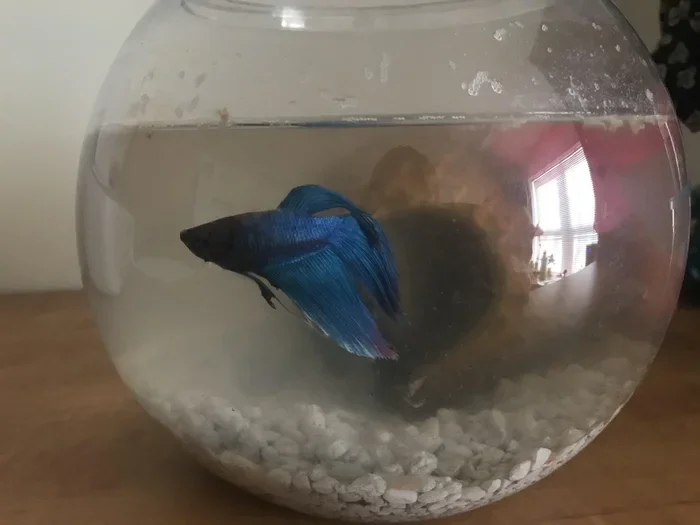
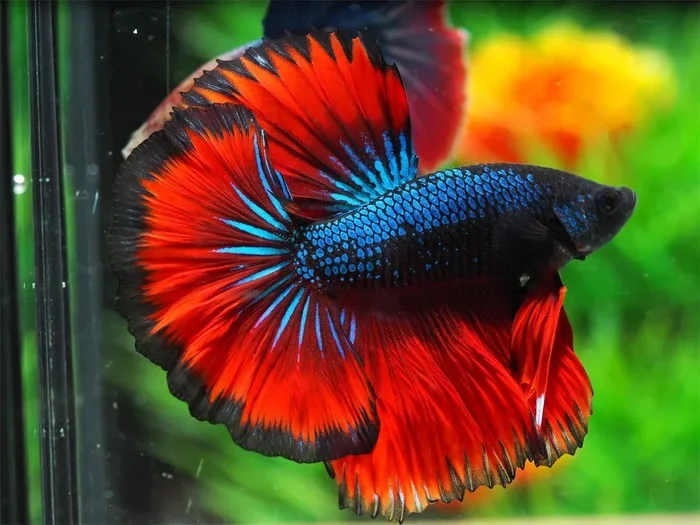
Betta fish, also known as Siamese fighting fish, come from the warm, slow-moving waters of Southeast Asia. They need tropical conditions to thrive. This means they require a consistent water temperature between 76-82°F (24-28°C). Without a heater, a Betta’s metabolism slows down. This makes them sluggish and weakens their immune system, leading to illness.
Goldfish are Coldwater Fish
Goldfish are a different story entirely. They are coldwater fish. They prefer temperatures between 68-74°F (20-23°C). In fact, warmer water holds less dissolved oxygen. For a Goldfish, a tank heated for a Betta can feel suffocating. They need that cooler, oxygen-rich water to stay healthy and active.
| Feature | Betta Fish | Goldfish |
|---|---|---|
| Temperature | 76-82°F (24-28°C) | 68-74°F (20-23°C) |
| pH Level | 6.5 – 7.5 | 7.0 – 8.4 |
| Water Hardness | Soft to Medium | Medium to Hard |
| Primary Waste | Average | Very High (Ammonia) |
As you can see, their needs are incompatible. Choosing a middle-ground temperature will stress both fish. It’s a compromise that helps neither one.
Temperament and Aggression: A Recipe for Disaster
Water temperature is a major hurdle, but it’s not the only one. The personalities of these two fish also clash. This can lead to stress, injury, and even death.
The Betta’s Fiery Personality
Why are they called fighting fish? Because they are aggressive. Male Bettas are especially territorial. They will attack other fish they see as a threat, especially those with bright colors or long, flowing fins. A Goldfish’s tail can look like a rival Betta, triggering an attack. Even female Bettas can be nippy. If you’re curious about how Bettas interact with each other, you can learn more about it in our article on keeping multiple betta fish together.
The Goldfish’s Clumsy Nature
Goldfish are generally peaceful. They are social and like to be in groups. However, they are also clumsy and slow-moving. They are not built for a fight. A Betta can easily bully a Goldfish, nipping at its fins and causing stress. The Goldfish is an easy target. It can’t defend itself against a determined Betta.
This mismatch creates a terrible dynamic. The Betta is stressed by the presence of other fish. The Goldfish is stressed by the constant threat of attack. Neither can live a peaceful life.
Size and Space: The Tank Size Dilemma
Another huge factor is the physical needs of each fish. Both species need a lot of space, but for different reasons. Combining them creates an impossible space requirement.
Goldfish are Messy Giants
Those cute little Goldfish you see at the fair grow. A lot. Common Goldfish can reach over a feet long. Even Fancy Goldfish need a lot of room. They are incredibly messy fish. They produce a huge amount of waste, which quickly pollutes the water with ammonia. This is why they need large tanks, often 20 gallons for the first fish and 10 gallons for each additional one. They also need powerful filtration to handle their waste.
Bettas Need Their Own Territory
While Bettas can live in smaller tanks, they still need space. A minimum of 5 gallons is recommended. More importantly, they need space to establish territory. In a small or crowded tank, a Betta feels trapped and becomes more aggressive. They need plants and decorations to break up sightlines and create hiding spots.
Imagine trying to house a large, messy Goldfish and a territorial Betta in one tank. You’d need a massive aquarium to give them both enough room. Even then, the water quality would be a constant battle. The high waste production of the Goldfish would create toxic conditions that a Betta is very sensitive to.
Diet and Feeding: Another Point of Conflict
Even their diets are different. This makes feeding time another source of stress in a shared tank.
What Do Bettas Eat?
Bettas are carnivores. They need a protein-rich diet. High-quality Betta pellets, frozen bloodworms, and brine shrimp are perfect for them. They have small stomachs, so they eat small amounts.
What Do Goldfish Eat?
Goldfish are omnivores. They eat both plant and animal matter. They enjoy flakes, pellets, and vegetables like peas. They are also constant grazers. They will eat almost anything they can fit in their mouths.
In a shared tank, the Goldfish will likely eat all the food before the Betta gets a chance. Goldfish are fast and greedy eaters. The Betta may starve or become malnourished. You would have to find a way to separate them for feeding, which is stressful for everyone involved.
Health Risks: Stress Leads to Sickness
When you combine all these factors, the result is chronic stress. A stressed fish is a sick fish. This is the most heartbreaking part of trying to force this combination.
Common Illnesses from Stress
Stress weakens a fish’s immune system. This makes them vulnerable to a host of diseases. Here are a few common ones:
- Fin Rot: This is a bacterial infection that eats away at the fins. It’s often caused by poor water quality or fin nipping from other fish.
- Ich (White Spot Disease): A parasite that looks like tiny white dots on the fish’s body. It’s very common in stressed fish.
- Dropsy: A serious internal infection that causes the fish to swell up. It’s often fatal.
Both Bettas and Goldfish are prone to these illnesses when their environment is wrong. A shared tank is the wrong environment for both of them. You’d be setting them up for a life of sickness.
Better Alternatives: Finding the Right Tank Mates
So, if they can’t live with Goldfish, what can live with a Betta? And what tank mates are good for Goldfish? Let’s look at some better options.
Good Tank Mates for Bettas
Bettas do best alone. But if you have a larger tank (10 gallons or more), you can try some peaceful, non-threatening companions. The key is to avoid fish that are bright, have long fins, or are aggressive. Good options include:
- Corydoras Catfish: These are peaceful bottom dwellers. They are great for cleaning up leftover food.
- Neon Tetras: These small, fast fish are usually ignored by Bettas. They need to be in a school of at least six.
- Mystery Snails: Snails are a fantastic choice. They are peaceful and help keep the tank clean. You can read more about it in our guide on keeping snails and betta fish together.
- Amano Shrimp: These are larger shrimp that can usually hold their own. They are excellent algae eaters. For more details, check out our article on shrimp and betta fish cohabitation.
Always monitor the tank closely when adding new friends. Every Betta has a unique personality. Some are more tolerant than others.
Good Tank Mates for Goldfish
Goldfish are social and do well with other Goldfish. They are the best companions for each other. You can also consider other coldwater fish of a similar size and temperament. Some options are:
- Other Goldfish: Fancy Goldfish do well with other Fancy Goldfish. Just make sure the tank is big enough.
- White Cloud Mountain Minnows: These are small, peaceful coldwater fish. They are fast enough to avoid being eaten by adult Goldfish.
The best choice is always to research thoroughly before adding any new fish to a tank. Compatibility is key to a healthy aquarium.
Conclusion: Prioritize Their Well-being
It’s tempting to want to create a diverse and beautiful aquarium. We all do. But the most beautiful tank is a healthy one. The answer to “can gold fish and betta kept together” is a clear and simple no. Their needs are just too different.
Trying to house them together leads to stress, aggression, poor water quality, and disease. It’s a situation where both fish lose. The kindest and most responsible thing you can do is to provide them with their own separate, species-appropriate homes.
Give your Betta a warm, filtered tank of at least 5 gallons. Give your Goldfish a large, cool tank with powerful filtration. By meeting their individual needs, you’ll be rewarded with two vibrant, healthy, and happy fish. They may not be in the same tank, but they’ll both be thriving. And that’s what truly matters.
Frequently Asked Questions
Can goldfish and betta fish be kept together in the same tank?
It is generally not recommended to keep goldfish and betta fish together. Goldfish are cold-water fish, while bettas are tropical fish that require warmer water temperatures. Their different environmental needs make cohabitation difficult and stressful for both species.
Why can’t goldfish and betta fish live together?
Goldfish produce a lot of waste and prefer cooler water, which can harm a betta’s health. Additionally, bettas are territorial and may become aggressive toward the slow-moving goldfish, leading to potential injury or stress for both fish.
What happens if you put a betta with a goldfish?
If you attempt to keep a betta with a goldfish, the betta may attack the goldfish due to its territorial nature. The goldfish may also suffer from the warmer water required by the betta, leading to health issues and a shortened lifespan.
Can goldfish and betta kept together in a large tank?
Even in a large tank, keeping goldfish and betta fish together is risky. The fundamental difference in their temperature requirements and the betta’s aggressive tendencies make it nearly impossible to create a safe and healthy environment for both.
What are the best tank mates for a betta instead of goldfish?
Instead of goldfish, consider peaceful, tropical fish like neon tetras, corydoras, or ghost shrimp. These species thrive in similar warm water conditions and are less likely to provoke a betta’s aggression.
Is it ever safe to keep goldfish and betta fish in the same aquarium?
It is almost never safe to keep goldfish and betta fish in the same aquarium. The risk of stress, disease, and aggression is too high, and it is best to house them in separate, species-appropriate tanks.