Is Betta Tropical Fish What Every Owner Must Know Now

Is betta tropical fish? Yes, bettas are native to warm Southeast Asian waters, so they absolutely need tropical conditions to thrive. Keeping them in cold water or small bowls leads to stress, illness, and a shorter lifespan. You must maintain stable warm water temperatures, proper filtration, and a balanced diet to keep your betta happy. This guide covers everything you need to know about their natural habitat, tank setup, feeding habits, and common care mistakes. Read on to learn how to give your betta the best life possible.
Many new fish keepers ask the same question: is betta tropical fish? The short answer is yes. Bettas come from warm, slow-moving waters in Thailand, Cambodia, and Vietnam. They evolved in climates where the water stays warm year-round. That means your home aquarium must mimic those conditions if you want your fish to stay healthy. Cold water stresses them out. It weakens their immune system and makes them prone to disease.
Understanding their tropical nature changes everything about how you set up their tank. You cannot treat a betta like a goldfish or a cheap starter fish for a tiny bowl. They need warmth, clean water, and enough space to swim. When you give them the right environment, they show off their bright colors and active personalities. They also live much longer. A well-cared-for betta can easily reach three to five years with proper care.
This guide breaks down exactly what tropical care means for bettas. We will cover temperature needs, tank size, filtration, feeding, and tank mate choices. You will also learn how to spot stress early and avoid common mistakes. By the end, you will know exactly how to create a safe, warm home for your fish.
Key Takeaways
- Bettas are tropical fish: They originate from warm, shallow waters in Southeast Asia and require stable temperatures between 78 and 80 degrees Fahrenheit.
- Heaters are essential: Room temperature water is usually too cold for bettas and can cause immune system weakness and lethargy.
- Tank size matters: A minimum of 5 gallons is recommended to maintain stable water parameters and give your betta enough swimming space.
- Water quality is critical: Regular water changes, proper filtration, and a water conditioner keep harmful toxins low and your fish healthy.
- Diet needs variety: High-quality betta pellets should be the staple, but occasional treats like frozen or live foods provide better nutrition.
- Tank mates require caution: Male bettas are territorial and often do best alone, though some peaceful species can coexist in larger tanks.
- Stress shows quickly: Faded colors, hiding, clamped fins, or loss of appetite are clear signs that something in the environment needs fixing.
📑 Table of Contents
- Understanding the Tropical Nature of Bettas
- Ideal Tank Setup for a Tropical Betta
- Water Quality and Maintenance for Tropical Care
- Feeding Your Betta the Right Tropical Diet
- Tank Mates and Community Living
- Signs of Stress and Common Health Issues
- Common Mistakes New Betta Owners Make
- Expert Insights and Best Practices
- Final Thoughts on Tropical Betta Care
Understanding the Tropical Nature of Bettas
Bettas are often sold in tiny cups, which makes many people think they are low-maintenance fish. That is a dangerous myth. Is betta tropical fish? Yes, and their tropical background shapes every part of their care. In the wild, they live in rice paddies, shallow streams, and flooded plains. These waters stay warm and often have soft, slightly acidic conditions. They also have plenty of plants and hiding spots.
Natural Habitat and Water Conditions
Wild bettas thrive in warm water that rarely drops below 75 degrees Fahrenheit. They are used to stable temperatures and gentle water movement. Strong currents tire them out because their long fins make swimming harder. They also prefer water with good oxygen exchange but not harsh flow. This is why many bettas do well in planted tanks with calm water.
Why Temperature Matters So Much
Warm water keeps a betta metabolism working properly. When the water gets too cold, their digestion slows down. They become sluggish and stop eating as much. Their immune system also weakens, which opens the door to common fish illnesses. A stable heater is not a luxury. It is a basic need for tropical fish like bettas.
Common Myths About Betta Hardiness
People sometimes say bettas can survive in cold water or tiny spaces because they breathe air. While it is true they have a special labyrinth organ for breathing surface air, that does not make them cold-water fish. They still need warm, clean water to stay healthy. Survival is not the same as thriving. You want your betta to live well, not just get by.
Ideal Tank Setup for a Tropical Betta
Setting up the right tank is the biggest step in answering is betta tropical fish with proper care. A tropical setup means more than just a heater. It also means stable water, good filtration, and a space that feels safe. A small, unfiltered bowl creates temperature swings and dirty water fast. That is stressful for any tropical fish.
Tank Size and Shape
A 5-gallon tank is the minimum most experts recommend for a single betta. Larger tanks are even better because they hold stable water conditions more easily. Rectangular tanks usually work better than tall, narrow ones. Bettas like horizontal swimming space and easy access to the surface for breathing. A wider tank also gives you more room for plants and decorations.
Heaters and Temperature Control
A reliable aquarium heater keeps the water in the ideal tropical range. Most bettas do best when the temperature stays between 78 and 80 degrees Fahrenheit. Choose a heater with an adjustable thermostat and the right wattage for your tank size. It helps to use a separate thermometer so you can check the real water temperature. Heaters can fail, so regular checks matter.
Filtration and Water Flow
Bettas need clean water, but they do not like strong currents. A gentle filter works best. Sponge filters are a popular choice because they provide biological filtration without pushing water around too much. If you use a hang-on-back filter, you can often adjust the flow or baffle it to reduce current. The goal is clear, healthy water with calm movement.
Water Quality and Maintenance for Tropical Care
Good water quality is the backbone of tropical fish care. Bettas are sensitive to ammonia, nitrite, and nitrate buildup. Even if they breathe air, they still absorb water through their gills and skin. Poor water quality irritates them and leads to health problems. That is why routine maintenance matters so much.
The Nitrogen Cycle Explained Simply
Every tank goes through a cycle where beneficial bacteria break down fish waste. First, ammonia rises from waste and uneaten food. Then bacteria convert ammonia into nitrite. After that, another group of bacteria turns nitrite into nitrate. Nitrate is less toxic, but it still builds up over time. You remove it through water changes and plants. A cycled tank is a healthy tank.
Water Changes and Testing
Weekly water changes help keep nitrate levels manageable. A common approach is to replace about 25 to 30 percent of the water each week. Use a gravel vacuum to remove waste from the substrate. Always treat new water with a conditioner before adding it to the tank. It removes chlorine and chloramine that can harm your fish. Testing your water regularly helps you catch problems early.
Temperature Stability During Maintenance
When you do water changes, match the new water temperature to the tank temperature as closely as possible. Sudden temperature drops can shock a tropical fish. It is also smart to keep your heater submerged and working properly. If you unplug it during cleaning, restart it only after the water level is safe. Stable care keeps your betta comfortable.
Feeding Your Betta the Right Tropical Diet
Feeding is another area where tropical care matters. Bettas are carnivorous by nature. In the wild, they eat insects, larvae, and small crustaceans. That means they need protein-rich food, not just generic flakes made for all tropical fish. A good diet supports bright colors, strong fins, and healthy growth.
Best Foods for Bettas
High-quality betta pellets should be the main part of the diet. Look for foods with whole protein sources near the top of the ingredient list. Frozen or live foods like bloodworms and brine shrimp make excellent treats. They add variety and mimic natural feeding habits. You can also offer small amounts of other foods, but avoid overfeeding.
How Often and How Much to Feed
Most bettas do well with one or two small feedings per day. A good rule is to offer only what they can eat in a couple of minutes. Uneaten food sinks and decays, which hurts water quality. Fasting your betta one day a week can also help prevent overfeeding issues. If your fish looks bloated or stops eating, reduce portions and monitor closely.
Can You Mix Betta Food With Other Tropical Fish Food
This is a common question for people who keep multiple species. Some owners wonder whether general tropical foods work for bettas or whether betta food works for other fish. The answer depends on the formula. Many tropical flakes are too low in protein for bettas, while betta pellets may be too rich for some community fish. If you want to compare options, you can read more in this guide on can you feed betta food to tropical fish. It explains how diet differences affect different species.
Tank Mates and Community Living
Bettas are famous for their bold personalities, but they are not always friendly with other fish. Male bettas are especially territorial. That does not mean they can never share a tank, but it does mean you need to choose tank mates carefully. A tropical community tank can work if the setup is calm, spacious, and well-planted.
When Bettas Do Best Alone
Many bettas are happiest in a species-only tank. This removes the risk of fin nipping, chasing, and stress. It also makes feeding and monitoring easier. If your betta is aggressive or easily stressed, a solo setup is usually the safest choice. A peaceful solo tank can still be beautiful with plants, wood, and gentle decor.
Choosing Compatible Tank Mates
If you want company for your betta, look for calm, peaceful fish that do not nip fins. Small schooling species can work in larger tanks because they stay in groups and keep to themselves. Avoid fish with long, flowing fins that might trigger aggression. Also avoid very small fish that could be seen as food. Slow introductions and careful observation are important.
Space and Hiding Places
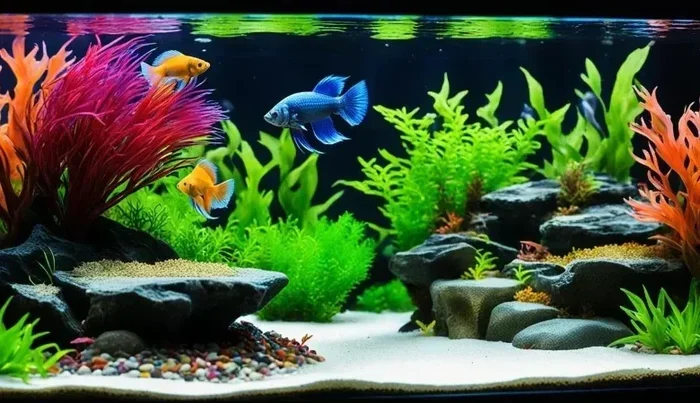
A community tank needs more space than a single-fish tank. Plants, rocks, and driftwood help break up lines of sight and give fish places to hide. This reduces tension and gives weaker fish a chance to escape chasing. If you are thinking about adding other tropical fish, it helps to review advice on can you put betta fish with other tropical fish. The right answer depends on your tank size, layout, and the individual betta personality.
Signs of Stress and Common Health Issues
A tropical fish under stress often shows it before serious illness appears. Bettas are no exception. Watching your fish daily helps you notice small changes early. Stress usually comes from poor water quality, wrong temperature, overcrowding, or aggressive tank mates. Fixing the cause is often more important than treating the symptom.
Warning Signs to Watch For
Look for faded colors, clamped fins, heavy breathing, or constant hiding. A betta that stops eating or lays on the bottom more than usual may be unwell. Some bettas also flash against objects or rub their bodies when irritated. These signs do not always mean disease, but they do mean something is off in the environment.
Common Tropical Fish Problems
Fin rot, ich, and fungal issues are some of the problems that can show up in poorly maintained tanks. Temperature swings can also weaken a betta and make it more vulnerable. Clean water, stable warmth, and proper nutrition prevent many issues before they start. If a problem does appear, act quickly and keep the tank conditions steady.
Quick Tips for Healthier Bettas
- Keep the temperature steady with a reliable heater and thermometer.
- Test water regularly and change it on a consistent schedule.
- Avoid overfeeding and remove leftover food promptly.
- Use smooth decorations that will not tear delicate fins.
- Add live or silk plants to create a calm, natural environment.
Common Mistakes New Betta Owners Make
Even well-meaning owners make mistakes when they are learning. Some of these mistakes come from old myths. Others come from buying equipment that looks cute but does not meet the fish needs. Avoiding these errors makes tropical care much easier.
Too Small a Tank
Tiny bowls and vases may look decorative, but they are hard to keep stable. Small water volumes change temperature quickly and collect waste fast. That creates stress for a tropical fish. A larger tank is easier to maintain, not harder.
No Heater or Poor Temperature Control
Some people assume room temperature is enough. In many homes, it is not. A betta living in cool water may survive for a while, but it usually becomes less active and more vulnerable to illness. A proper heater is one of the simplest ways to improve care.
Overfeeding and Poor Cleanup
Overfeeding causes more problems than many beginners expect. Extra food decays and raises ammonia and nitrate levels. That means more stress for your fish and more work for you. Feed small portions and keep up with maintenance.
Ignoring Water Testing
You cannot see ammonia or nitrite with the naked eye. If you only judge the tank by how clear the water looks, you may miss serious problems. A simple test kit gives you useful information and helps you act before your betta gets sick.
Expert Insights and Best Practices
Experienced keepers usually focus on consistency. Tropical fish do best when their environment stays predictable. That means steady heat, regular water changes, and a feeding routine they can rely on. Small daily observations often prevent big problems later.
It also helps to think of the tank as a small ecosystem. Plants, filter bacteria, and water quality all work together. When you keep the system balanced, your betta spends less energy dealing with stress and more energy being active and healthy. A calm tank is usually a beautiful tank.
If you are still deciding on setup details, remember that simplicity often works best. A properly sized tank, a gentle filter, a heater, and a good feeding plan cover most of what a betta needs. You do not need a complicated aquarium to succeed. You need a stable one.
Final Thoughts on Tropical Betta Care
So, is betta tropical fish? Yes, and that fact should guide every choice you make for their care. Warm water, clean conditions, enough space, and a protein-focused diet all support a longer, healthier life. When you respect their tropical needs, bettas reward you with color, character, and interesting behavior. They are not difficult fish when they are kept correctly. They are simply fish with specific needs that deserve proper care.
If you are setting up your first betta tank, start with the basics. Give them warmth, stability, and a clean home. Watch them closely, feed them well, and avoid the common mistakes that cause unnecessary stress. With the right approach, your betta can thrive and become a truly enjoyable part of your home.
Frequently Asked Questions
Is betta tropical fish or cold water fish?
Bettas are tropical fish, so they need warm water rather than cold water. They do best when the temperature stays in a stable tropical range. Cold water can weaken their immune system and slow their digestion.
What temperature do betta fish need?
Most bettas thrive when the water stays between 78 and 80 degrees Fahrenheit. A reliable heater and thermometer help you keep the temperature steady. Sudden drops in temperature can stress them out.
Can bettas live in a bowl without a heater?
They may survive for a while, but a bowl without a heater is usually not ideal. Small bowls lose heat quickly and often have poor water stability. A larger, heated tank is a much better home for a betta.
Do betta fish need a filter?
Yes, filtration helps keep the water clean and supports beneficial bacteria. The filter flow should be gentle because bettas do not like strong currents. A sponge filter or adjusted hang-on-back filter often works well.
What do betta fish eat in a tropical tank?
Bettas need protein-rich foods like quality betta pellets, frozen bloodworms, or brine shrimp. These foods match their natural diet better than many generic tropical flakes. Feed small portions and avoid overfeeding.
Can I keep other tropical fish with a betta?
Sometimes, but it depends on the betta personality and the tank setup. Peaceful, non-nippy fish can work in a larger, well-planted tank. Male bettas are often safest in a species-only tank.