How Long Does Betta Fish Sleep
Betta fish don’t sleep like humans; they take short, frequent rests throughout the day and night. On average, a betta will rest 8‑10 hours daily, broken into many naps, and proper tank conditions help them get the rest they need.
Key Takeaways
- Rest, not deep sleep: Betta fish have brief rest periods rather than long, continuous sleep cycles.
- Typical total rest time: They usually rest 8‑10 hours per 24‑hour period.
- Light matters: Consistent, dim lighting cues bettas when it’s time to rest.
- Tank setup influences rest: Hiding spots, stable temperature, and low noise help bettas relax.
- Stress reduces rest: Aggressive tank mates, sudden changes, and poor water quality shorten rest periods.
- Watch for signs: A betta that isn’t resting may show faded color, erratic swimming, or loss of appetite.
- You can improve rest: Use a day‑night timer, add plants, and keep a regular feeding schedule.
📑 Table of Contents
- Introduction: Why Betta Sleep Matters
- What Does Sleep Look Like in Betta Fish?
- Daily Sleep Cycle: Day and Night Patterns
- Factors That Affect How Long a Betta Sleeps
- How to Encourage Healthy Sleep for Your Betta
- Common Myths About Betta Sleep
- Putting It All Together: A Sample 24‑Hour Routine
- Conclusion: Sleep Is a Key to a Happy Betta
Introduction: Why Betta Sleep Matters
When you first bring a betta fish home, you might notice it floating near the surface, flaring its fins, or darting around the tank. It’s easy to think a betta is always “on.” But like all animals, bettas need rest. Understanding how long a betta sleeps helps you create a healthier environment, spot early signs of illness, and keep those brilliant colors shining.
In this article we’ll explore exactly how many hours a betta rests, what “sleep” looks like for a fish, and the everyday steps you can take to give your betta the best possible nap schedule. Think of it as a friendly chat with a fellow hobbyist—no jargon, just clear advice you can start using today.
What Does Sleep Look Like in Betta Fish?
Rest vs. True Sleep
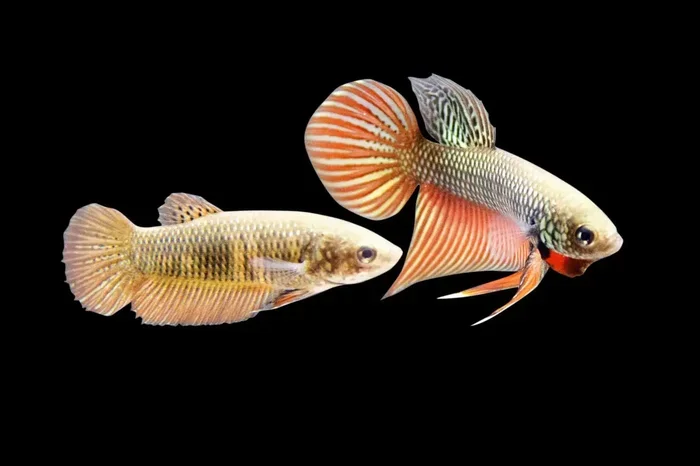
Fish don’t have eyelids, so they can’t close their eyes. Instead, they enter a state of reduced activity called “rest.” During rest, a betta’s metabolism slows, its muscles relax, and it becomes less responsive to its surroundings. This is the fish equivalent of a human nap.

Visual guide about How Long Does Betta Fish Sleep
Image source: japanesefightingfish.org
Typical Rest Behaviors
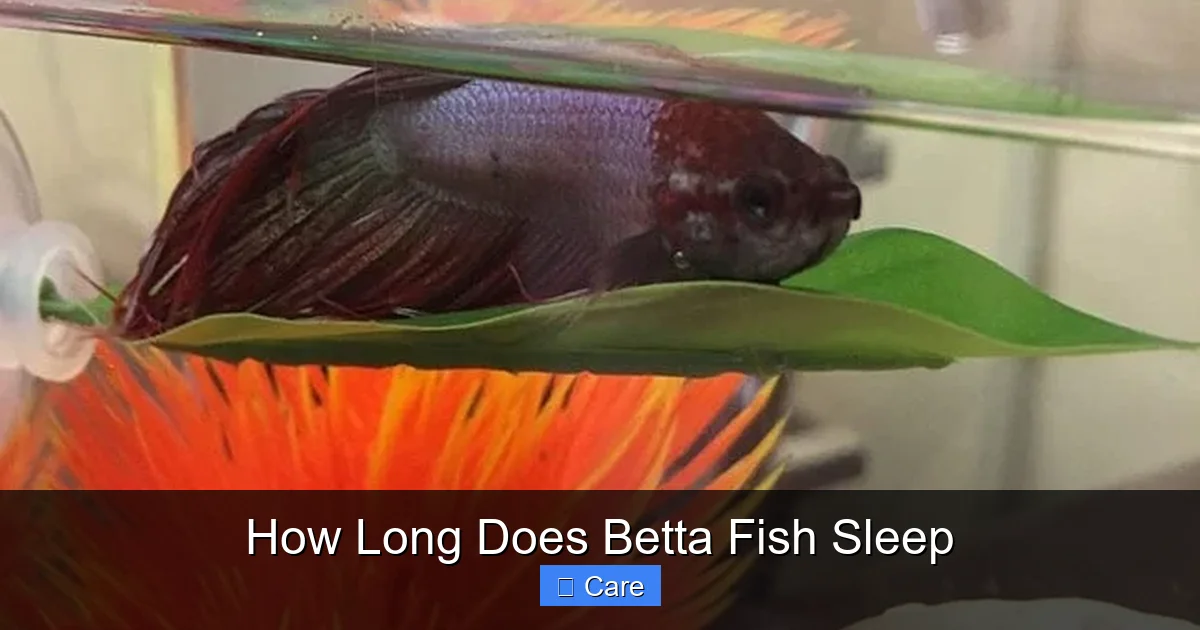
- Hovering near the bottom: A betta may float just above the substrate, staying still for several minutes.
- Hiding among plants or decorations: When a secure spot is available, bettas love to tuck themselves in.
- Reduced fin movement: Fins become less fluttery, and the fish may appear “floppy.”
How Long Are Individual Rest Periods?
Each rest bout usually lasts 5‑15 minutes. Betta fish repeat these short rests many times throughout a 24‑hour cycle, adding up to a total rest time of roughly 8‑10 hours.
Daily Sleep Cycle: Day and Night Patterns
Daytime Naps
Even in daylight, a betta will take several short naps. The key is a stable light cycle. If the aquarium light is on for 10‑12 hours, the betta will naturally take naps during that period, especially when the light is dimmer or when it feels safe.

Visual guide about How Long Does Betta Fish Sleep
Image source: i.ytimg.com
Nighttime Rest
At night, bettas tend to stay near the bottom or hide. The darkness signals a longer rest period, but because they are still “resting” rather than entering a deep sleep, the night rest can be a bit more continuous—often 3‑5 hours of relatively still behavior.
Influence of Light Timing
Using an automatic timer for your aquarium light is the simplest way to keep a consistent day‑night rhythm. A 10‑hour light on, 14‑hour dark off schedule works well for most bettas.
Factors That Affect How Long a Betta Sleeps
Water Quality
Ammonia spikes, high nitrite, or fluctuating pH can stress a betta, causing it to stay alert and reduce rest time. A clean, well‑cycled tank encourages natural rest cycles.
Visual guide about How Long Does Betta Fish Sleep
Image source: fishlab.com
Temperature
Betta fish are tropical; they thrive at 76‑82°F (24‑28°C). If the water is too cold, metabolism slows and the fish may become lethargic, appearing to “sleep” longer but actually being unhealthy. Too warm, and the fish becomes hyper‑active and restless.
Tank Size and Layout
Even though bettas can live in small tanks, a larger space (at least 5 gallons) provides more hiding places and room to explore, both of which promote healthier rest patterns.
Companion Fish
Betas are territorial. Adding fast‑moving or aggressive tank mates can make a betta feel unsafe, cutting short its rest periods. If you keep a community tank, choose peaceful, non‑fin‑nipping species.
Feeding Schedule
Overfeeding or feeding at erratic times can keep a betta active longer than needed. A consistent feeding routine (twice daily, small portions) helps regulate its energy levels and rest.
How to Encourage Healthy Sleep for Your Betta
Provide Hiding Spots
Live plants, synthetic foliage, or smooth caves give your betta a place to feel secure. Position them near the bottom where the fish naturally rests.
Control Lighting
- Use a timer to keep lights on for 10‑12 hours.
- Consider a dim “moonlight” LED for the night period if you like to watch your fish after dark.
- Avoid bright, direct light that can startle the betta.
Maintain Stable Water Parameters
Test the water weekly for ammonia, nitrite, nitrate, and pH. Perform 20‑30% water changes every week to keep conditions optimal.
Set a Consistent Feeding Routine
Feed a small amount of high‑quality betta pellets or frozen foods twice a day. Remove uneaten food after 5 minutes to keep water clean.
Limit Noise and Vibration
Although fish can’t “hear” like us, sudden vibrations from equipment can cause stress. Secure filters, avoid tapping on the glass, and keep the tank away from heavy foot traffic.
Monitor and Adjust
Spend a few minutes each day watching your betta’s behavior. If you notice fewer rest periods, check water parameters first, then look at lighting and tank mates.
Common Myths About Betta Sleep
Myth 1: Betta Fish Never Sleep
False. Betta fish rest frequently; they just don’t close their eyes.
Myth 2: A Betta That Floats All Day Is Healthy
Floating constantly can indicate stress, poor water quality, or disease (e.g., swim bladder issues). A healthy betta will have varied activity—swimming, resting, and exploring.
Myth 3: You Can’t Improve a Betta’s Rest
Incorrect. Simple changes like adding plants, using a timer, and keeping water stable can dramatically improve rest quality.
Putting It All Together: A Sample 24‑Hour Routine
Below is a practical schedule you can adapt to your own routine.
- 06:00 – 07:00: Lights turn on gradually (use a “sunrise” timer). Betta begins gentle activity.
- 07:30: First feeding (small portion of pellets).
- 08:00 – 10:00: Betta explores, may take a few short rests near plants.
- 12:00: Second feeding.
- 13:00 – 16:00: Rest period; betta often hides or hovers near the bottom.
- 18:00: Lights dim slowly (sunset effect).
- 19:00 – 22:00: Night rest; betta stays relatively still, may “sleep” for 3‑5 hours.
- 22:00 – 24:00: Lights off, quiet environment.
Adjust times to match your personal schedule, but keep the light‑dark ratio consistent.
Conclusion: Sleep Is a Key to a Happy Betta
Understanding that betta fish rest for about 8‑10 hours a day—broken into many short naps—helps you create a tank environment that supports that natural behavior. By managing light, water quality, temperature, and providing secure hiding spots, you give your betta the best chance to thrive.
Remember, a well‑rested betta shows vibrant colors, active foraging, and a calm demeanor. Keep an eye on its rest patterns, make small adjustments when needed, and enjoy watching your beautiful fish live its best, well‑rested life.
Frequently Asked Questions
How many hours does a betta fish actually sleep?
Betta fish typically rest for 8‑10 hours each day, but this rest is split into many short periods rather than one long sleep.
Can I see a betta fish with its eyes closed?
No. Betta fish lack eyelids, so they never close their eyes. Rest is identified by stillness, reduced fin movement, and hiding behavior.
What signs show my betta isn’t getting enough rest?
Look for faded colors, constant swimming, loss of appetite, or frequent surface gasping. These may indicate stress or poor water conditions.
Do bettas need a dark room to sleep?
A dark period is important, but total darkness isn’t required. A consistent light‑dark cycle, with dim lighting at night, works best.
Will adding live plants improve my betta’s sleep?
Yes. Live or artificial plants provide hiding spots and make the betta feel secure, encouraging longer and more frequent rest periods.
Can I keep a betta with other fish and still get proper sleep?
It’s possible if you choose peaceful, non‑fin‑nipping tank mates and provide plenty of hiding places. Otherwise, a single‑species setup is safest for uninterrupted rest.