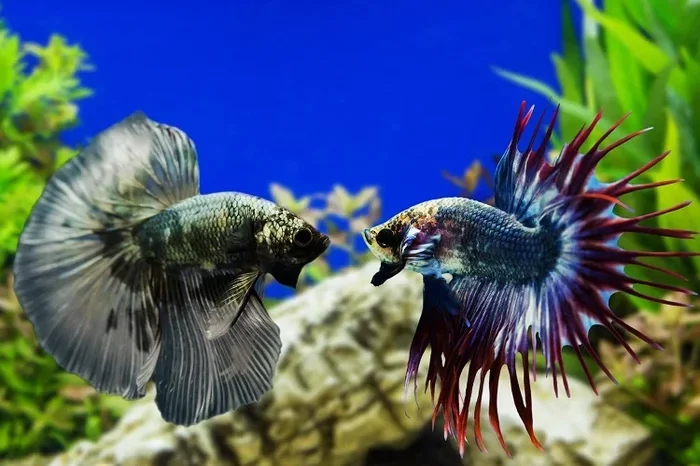
Will Male and Female Betta Fish Fight Find Out Now
Will male and Female Betta Fish Fight is a common question for new aquarium owners. The short answer is yes, they can show aggression, but it depends on tank size, temperament, and proper introductions. With the right setup and careful monitoring, you can reduce stress and create a peaceful environment for both fish.
Key Takeaways
- Aggression is natural: Male and female betta fish may fight due to territorial instincts, especially during breeding or in cramped spaces.
- Tank size matters: A spacious tank with hiding spots helps reduce tension and gives both fish room to establish boundaries.
- Proper introductions prevent conflict: Using a divider or gradual acclimation can help them adjust before sharing the same water.
- Watch for stress signs: Flaring, chasing, fin nipping, or hiding are clear signals that the pairing may not be working.
- Separate when needed: If aggression escalates, keeping them apart is the safest choice for their long-term health.
- Breeding requires caution: Temporary pairing for mating should always be supervised and followed by immediate separation.
- Individual temperament varies: Not every betta behaves the same way, so careful observation is the best guide for your tank.
📑 Table of Contents
- Will Male and Female Betta Fish Fight Understanding Betta Behavior
- Why Will Male and Female Betta Fish Fight in the Same Tank
- Safe Tank Setup When Asking Will Male and Female Betta Fish Fight
- Signs of Conflict and How to Respond
- Breeding and Temporary Pairing Considerations
- When to Keep Them Separate for Safety
- Final Thoughts on Will Male and Female Betta Fish Fight
Will Male and Female Betta Fish Fight Understanding Betta Behavior
Many aquarium hobbyists ask will male and Female Betta Fish Fight when they first consider adding a pair to their tank. The truth is that betta fish are naturally territorial creatures. They often react to perceived threats by flaring their gills, chasing, or nipping. This behavior is not random. It comes from their instinct to protect their space and secure breeding opportunities.
Male bettas are especially known for their bold displays. They often see other fish as rivals, even when those fish are females. Female bettas can also show aggression, though their behavior is usually less intense. Still, conflicts can happen when space is limited or when the fish feel crowded. Understanding these natural instincts helps you make better choices for your aquarium.
It is also important to remember that betta fish are individuals. Some are calm and tolerant. Others are highly reactive. This means you cannot rely on a single rule for every tank. Instead, you should watch their behavior closely and adjust your setup as needed. If you want to learn more about general betta aggression, you may find it helpful to read about whether betta fish fight other betta fish or how they interact with different tank mates.
Why Will Male and Female Betta Fish Fight in the Same Tank
When people wonder will male and Female Betta Fish Fight, the answer often depends on the environment. A small or poorly arranged tank can create tension quickly. Betta fish need clear territories and enough swimming space. Without that, they may feel trapped and respond with aggression.
Several common factors can trigger conflict:
- Limited space: Overcrowding makes it hard for fish to avoid each other.
- Lack of hiding spots: Plants, caves, and decorations help reduce stress.
- Bright reflections or sudden movement: These can make bettas feel threatened.
- Breeding instincts: Males may become more assertive around females during mating periods.
- Unfamiliar tank mates: New fish can disrupt the balance of the tank.
Another key point is that betta fish do not always fight for no reason. Sometimes they are reacting to stress, poor water quality, or incompatible tank conditions. If the water is dirty or the temperature is unstable, aggression may increase. That is why good maintenance matters just as much as tank layout.
If you are curious about how bettas behave with other species, it can also help to explore topics like whether betta fish fight guppies or if they get along with other peaceful community fish. These comparisons show that betta temperament is highly situational.
Safe Tank Setup When Asking Will Male and Female Betta Fish Fight
If you are planning to keep a male and female together, your tank setup should support calm behavior. A well-planned aquarium gives both fish a better chance to coexist peacefully. The goal is to reduce competition and create visual barriers so they do not feel constantly exposed to one another.
Here are some practical setup tips:
- Use a tank that is large enough for both fish to establish their own zones.
- Add live or artificial plants to break up line of sight.
- Include gentle filtration that does not create strong currents.
- Maintain stable water temperature and clean water conditions.
- Avoid sharp decorations that could injure fins or increase stress.
A good layout can make a big difference. For example, a tank with open swimming areas and several planted corners gives the fish options. One fish can rest near the surface while the other explores a different area. This kind of arrangement often lowers tension because neither fish feels cornered.
It is also wise to think about the overall community. If you already have other fish, you should consider whether the bettas can share the space comfortably. Some hobbyists research questions like whether betta fish fight snails or whether they can live with guppies before building a community tank. These details matter because every species adds its own dynamic.
Signs of Conflict and How to Respond
Even with a good setup, you still need to monitor behavior. If you are asking will male and Female Betta Fish Fight, you should know what aggression looks like. Early signs are often easy to spot if you pay attention.
Common warning signs include:
- Flaring gills: A betta may puff up to look larger and more intimidating.
- Chasing: One fish may repeatedly pursue the other around the tank.
- Hiding: A stressed fish may stay behind plants or decorations most of the day.
- Fin clamping: Tightly held fins can signal fear or discomfort.
- Loss of appetite: Stress often affects feeding behavior.
If you notice these signs, do not ignore them. Mild chasing can sometimes be part of normal adjustment, but ongoing aggression is a different story. In that case, you should act quickly. One option is to add more hiding places or rearrange the tank to reset the territory. Another option is to separate the fish temporarily so they can calm down.
Sometimes the issue is not the male and female pairing itself, but the overall tank balance. For example, if you have multiple males or too many active fish, the stress level can rise. That is why many keepers also look into questions such as whether two female betta fish fight or whether all male betta fish fight each other when planning their aquariums.
Breeding and Temporary Pairing Considerations
Breeding changes the dynamic between male and female bettas. During this period, the male may become more protective, and the female may show different behavior as she responds to mating cues. This is one of the moments when people most often ask will male and Female Betta Fish Fight because the risk of conflict can increase.
If you plan to breed bettas, careful preparation is essential. A separate breeding tank is usually the safest choice. This gives the pair a controlled environment without the pressure of other fish or a large community setup. It also makes it easier to observe their behavior and step in if needed.
A few breeding tips can help reduce problems:
- Introduce the female gradually using a divider or container at first.
- Watch for courtship behavior before allowing full contact.
- Remove the female after spawning if aggression rises.
- Keep the water clean and stable to support eggs and future fry.
- Be ready to separate the pair if either fish becomes overly stressed.
Breeding is rewarding, but it should never be rushed. Patience matters. If the fish are not ready, forcing them together can lead to injury or exhaustion. It is better to wait and try again than to risk harm.
If you are exploring betta reproduction, you may also want to understand related topics like whether a male betta fish can lay eggs without a female or whether a female betta fish can lay eggs without a male. These questions help clarify what is biologically possible and what actually happens in a healthy breeding setup.
When to Keep Them Separate for Safety
Sometimes the best answer to will male and Female Betta Fish Fight is to keep them apart. Separation is not a failure. It is a responsible choice when the fish are not compatible or when the tank cannot support peaceful cohabitation.
You should consider separation if:
- Chasing becomes constant and intense.
- One fish is hiding all the time.
- There are visible injuries such as torn fins.
- Feeding stops or one fish is bullied away from food.
- The tank is too small to reduce tension effectively.
A separate tank does not have to be complicated. Even a simple, well-maintained second setup can give each fish a safer home. If you want to keep both fish long term, you can still enjoy them individually. Many hobbyists find that separate tanks actually make care easier because each fish has its own routine and environment.
It also helps to think about compatibility before adding any new fish. If you are unsure whether a male and female can share space, you may want to review guidance on whether you can place a male and female betta fish together or whether you can keep one male and female betta fish together. These topics reinforce the same core idea: compatibility depends on the fish and the setup, not just the species name.
Expert Tips for Peaceful Betta Pairings
Experienced keepers often say that success comes from observation, not assumption. If you want to reduce the chances that will male and Female Betta Fish Fight becomes a real problem, focus on steady care and careful introductions.
Here are a few expert-friendly habits:
- Add the female first or use a divider during the early adjustment period.
- Keep lighting moderate so the tank does not feel too exposed.
- Feed both fish evenly so competition over food is reduced.
- Test water regularly to prevent stress from poor conditions.
- Be ready to intervene early instead of waiting for damage to occur.
Another helpful habit is to learn the normal behavior of your specific fish. Once you know what calm looks like for them, you can spot trouble faster. That makes it easier to decide whether to rearrange the tank, separate the pair, or continue monitoring.
Common Mistakes to Avoid
Many problems happen when keepers assume all bettas will behave the same way. To lower the risk that will male and Female Betta Fish Fight turns into a serious issue, avoid these common mistakes:
- Using a tank that is too small for two fish.
- Skipping hiding spots and visual barriers.
- Introducing the pair too quickly without observation.
- Ignoring early stress signals.
- Overcrowding the tank with too many other fish.
- Neglecting water changes and filtration care.
Avoiding these mistakes gives your bettas a much better chance of staying calm. It also makes your aquarium easier to manage because you are building a stable environment from the start.
Final Thoughts on Will Male and Female Betta Fish Fight
So, will male and Female Betta Fish Fight? They can, but they do not always. The outcome depends on temperament, tank size, setup, and how carefully you introduce and monitor them. Some pairs adjust well and live peacefully with enough space and cover. Others need separation to stay healthy and stress-free.
The best approach is to respect their natural behavior and plan accordingly. Give them room, watch their interactions, and be ready to make changes when needed. With patience and good care, you can create an aquarium that supports both safety and calm. If you ever feel unsure, remember that observing your fish is the most reliable guide you have.
Frequently Asked Questions
Do male and female betta fish always fight?
No, they do not always fight. Some pairs can coexist peacefully if the tank is large enough and has plenty of hiding spots. However, aggression can still happen, so careful monitoring is important.
How can I tell if my betta fish are fighting or just interacting?
Fighting usually involves repeated chasing, flaring, fin nipping, or one fish hiding constantly. Normal interaction is usually brief and calm. If one fish seems stressed or injured, it is more likely conflict than harmless behavior.
What size tank is best for a male and female betta?
A larger tank is always better because it gives both fish more space and reduces tension. A spacious setup with plants and decorations helps them establish separate areas. Small tanks often increase stress and make fighting more likely.
Should I separate them if I see chasing?
If chasing is mild and brief, you may be able to monitor the situation. If it becomes constant or one fish looks stressed, separation is the safer choice. It is better to act early than wait for injuries.
Can male and female betta fish live together long term?
Sometimes they can, but it depends on their temperament and the tank environment. Some keepers successfully maintain them together, while others find separation is safer. Observation and flexibility are key.
What should I do if my betta fish get injured during conflict?
Separate the fish immediately and provide a quiet, clean recovery space. Check water quality and reduce stressors in the tank. If the injury looks serious, careful monitoring and proper maintenance are especially important for healing.