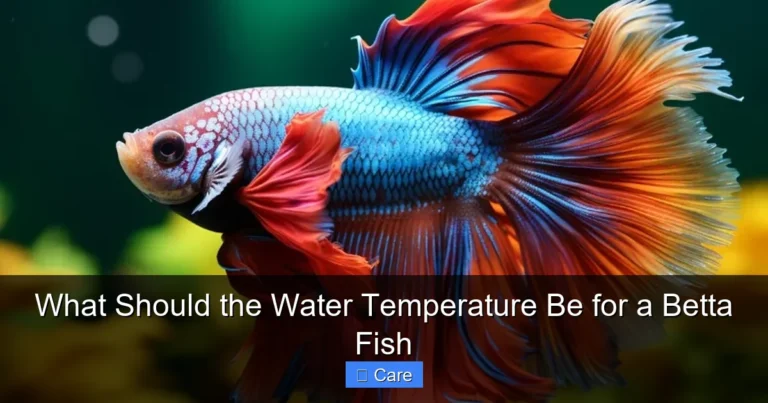
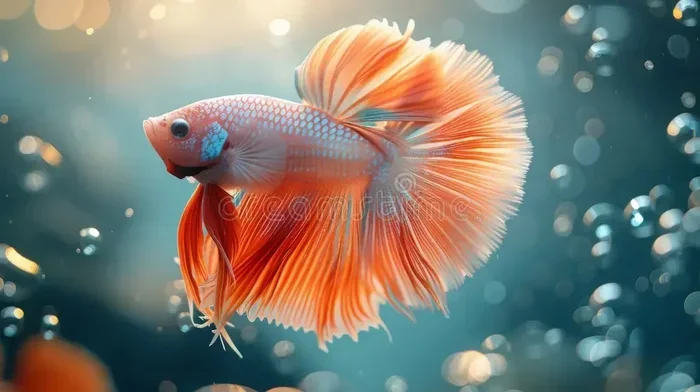
Is Betta Fish Freshwater The Truth About Their Natural Habitat

Yes, betta fish are freshwater species that naturally live in shallow, warm waters across Southeast Asia. They prefer slow-moving or still water with plenty of hiding spots and stable temperatures. Setting up a proper freshwater tank with gentle filtration and regular water changes keeps them healthy and active. Understanding their natural habitat helps you create a stress-free home that matches their instincts.
Many new fish keepers ask a simple question right away. Is betta fish freshwater? The short answer is yes. These colorful fish come from fresh water in the wild. They do not need salt. They do not need brackish setups. They need clean, warm, fresh water that feels safe and calm.
This matters because the wrong water setup can stress a betta quickly. Stress leads to dull colors, low energy, and illness. When you understand where these fish come from, it becomes much easier to care for them. You can build a tank that feels natural instead of forced. That is the real secret to a happy betta.
Key Takeaways
- Freshwater natives: Bettas originate from shallow freshwater streams, rice paddies, and floodplains in Southeast Asia.
- Warm water matters: Keep water between 76 and 82 degrees Fahrenheit to support their metabolism and immune system.
- Gentle flow preferred: They thrive in calm water, so use low-flow filters or add plants to break current.
- Clean water is essential: Regular partial water changes remove toxins and keep your betta active and vibrant.
- Space and shelter help: A well-decorated tank with hiding spots reduces stress and encourages natural behavior.
- Avoid sudden changes: Match new water to tank temperature and chemistry to prevent shock during changes.
- Habitat knowledge improves care: Learning about their wild environment helps you make better tank choices every day.
📑 Table of Contents
- Why the Freshwater Question Matters for Betta Care
- The Natural Habitat of Bettas and What It Teaches Us
- Tank Setup for a Freshwater Betta
- Water Quality and Freshwater Maintenance
- Common Misunderstandings About Bettas and Water
- Feeding and Behavior in a Freshwater Environment
- Expert Tips for a Healthy Freshwater Betta Tank
Why the Freshwater Question Matters for Betta Care
People often hear mixed advice when they start keeping bettas. Some say they can live in tiny bowls. Others say they need fancy saltwater setups. The truth sits somewhere simple. Bettas are freshwater fish with very specific comfort needs. If you match those needs, they usually show off their bright colors and active personality.
Water type affects everything. It changes how a betta breathes, swims, eats, and rests. It also affects how long they stay healthy. A good freshwater setup gives them room to move, places to hide, and stable conditions. That is why this topic is worth understanding from the start.
Where Bettas Come From in the Wild
Bettas originate from warm regions in Southeast Asia. In the wild, they live in shallow freshwater habitats. These places can include slow streams, rice fields, and seasonal flood areas. The water there is usually soft, warm, and low in strong current.
This background explains a lot about their behavior. They are used to water that does not push them around. They like places where they can rest near the surface or tuck into plants and roots. They also prefer environments where the water stays warm day and night.
What Freshwater Means for Their Health
Fresh water supports their body functions in a natural way. Bettas have a special organ that helps them breathe air from the surface, but they still depend on clean water for overall health. Good freshwater conditions help their scales stay bright. They also support healthy fins and steady energy.
Poor water quality creates problems fast. Ammonia and nitrite can build up if the tank is too small or poorly maintained. That can irritate their gills and weaken their immune system. Clean, stable freshwater is one of the best gifts you can give a betta.
The Natural Habitat of Bettas and What It Teaches Us
If you want to care for a betta well, it helps to think about their natural home. Their wild environment is not a deep ocean. It is not a fast river either. It is usually a quiet freshwater space with warmth, cover, and gentle conditions.
This is useful because it tells you what to avoid. Strong currents can tire them out. Very cold water can slow them down. Bare tanks can make them feel exposed. When you copy the calm, warm, freshwater feel of their natural habitat, they usually settle in much better.
Shallow Water and Warm Temperatures
Bettas do best in warm water. A range around 76 to 82 degrees Fahrenheit is often ideal for home tanks. Warm water helps them digest food, stay active, and fight off illness. It also supports their natural rhythm.
Shallow water matters too, not because they need a tiny tank, but because it reflects the calm, warm places they naturally prefer. In captivity, that means stable temperature and a setup that does not create harsh conditions. A heater and a reliable thermometer are simple tools that make a big difference.
Plants, Roots, and Hiding Spots
In the wild, bettas often use vegetation and submerged roots as cover. That gives them a sense of security. In a tank, live or artificial plants can offer the same comfort. Leaves, caves, and soft decorations also help.
Hiding spots are especially useful during rest periods or when the tank is new. A betta that feels safe is less likely to panic. It may also show more natural behavior, like exploring gently or resting near a plant stem.
Tank Setup for a Freshwater Betta
A good betta tank starts with the right size and shape. Bettas are often kept in small spaces, but they usually do better with more room and better water stability. More water volume can help temperature and chemistry stay steady. That matters a lot for long-term care.
The setup should also feel calm. A bare, noisy, or overly bright tank can be stressful. A simple, clean freshwater environment with gentle filtration and some cover is usually a strong choice. If you want a more detailed look at how much room a betta prefers, you can read Do Betta Fish Like A Lot Of Space.
Choosing the Right Tank Size
Tank size is one of the biggest decisions you will make. A larger tank is not just about swimming room. It also gives you more stable water. That means fewer sudden changes in temperature and chemistry. It also gives your betta a more comfortable environment overall.
Smaller containers can work for short periods, but they often need very frequent care. They can heat up and cool down quickly. They can also collect waste faster. If you want a low-stress setup, choose a tank that is easy to maintain and large enough to keep water conditions steady.
Filtration and Water Movement
Bettas usually prefer calm water. Strong flow can make swimming harder and cause stress. That does not mean you should skip filtration. Filtration helps keep the water clean and safe. The goal is gentle movement, not a rushing current.
If your filter seems too strong, you can adjust the output or baffle it slightly. Plants and decorations can also soften the flow. If you are curious about how air movement affects bettas, you may also find Do Betta Fish Like Air Pump Circulation useful. The main idea is simple: keep the water clean, but keep the current mild.
Temperature and Heater Needs
A stable heater is often essential for betta care. These fish are not cold-water species. They need warmth to stay healthy and active. A reliable heater helps prevent swings that can shock their system. It also keeps the tank closer to the warm freshwater conditions they prefer.
Always check the temperature regularly. Thermometers are simple, cheap, and very helpful. Even a small drop can matter over time. Consistent warmth is one of the easiest ways to support a betta’s well-being.
Water Quality and Freshwater Maintenance
Clean water is the foundation of betta care. Even a beautiful tank can become unhealthy if waste builds up. Ammonia, nitrite, and nitrate can all cause problems if they rise too high. That is why maintenance matters just as much as decoration.
The good news is that betta care does not have to be complicated. A regular routine usually works best. Partial water changes, gravel cleaning, and filter upkeep can keep the tank in good shape. If you want to understand how often water changes matter, see Do Betta Fish Have To Have Water Changes.
Conditioning Tap Water
Tap water can work well, but it usually needs treatment. Chlorine and chloramine can harm fish. A good water conditioner helps make tap water safer for a freshwater tank. It is a simple step, but it is very important.
Before adding new water, match it as closely as possible to the tank. Temperature matching is especially important. Sudden changes can stress a betta, even if the water itself is clean. Slow and steady is the safer approach.
Testing and Monitoring Water Parameters
Testing helps you see what your eyes cannot. Water can look clear and still contain harmful compounds. A basic test kit can help you track ammonia, nitrite, nitrate, and pH. This makes it easier to catch problems early.
You do not need to test every day forever, but regular checks are smart, especially in a new tank. Once you learn your tank’s pattern, it becomes easier to maintain. Monitoring gives you confidence and helps you act before small issues grow.
Common Misunderstandings About Bettas and Water
There are a lot of myths about bettas. Some come from old care advice. Some come from seeing bettas sold in small containers. Those containers are convenient for display, but they do not always show the best long-term setup. It helps to separate marketing from real care needs.
One common misunderstanding is that bettas can live in any water as long as they survive for a while. Survival is not the same as thriving. A betta may last in poor conditions, but it may also become dull, sluggish, or sick. Better freshwater care usually leads to a more active and colorful fish.
Bettas and Cold Water
Bettas are not built for cold water. Cooler temperatures can slow their digestion and weaken their immune response. That is why a warm freshwater setup is so important. If you are wondering whether cooler conditions are safe, you can check Can I Keep My Betta Fish Is Cold for more context.
If the water gets too cool, a betta may become less active. It may also eat less. In some cases, temperature stress can open the door to illness. A steady, warm environment is usually much safer and more comfortable.
Bettas and Water Type Confusion
Another confusion is about what kind of water bettas need. Some people think they need special water or complicated additives. In many cases, clean treated tap water is enough when managed properly. The key is stability, safety, and good maintenance.
You do not need to make the setup fancy to make it successful. You need to make it consistent. A simple freshwater tank with warm water, gentle flow, and routine care often works better than a complex setup that is hard to maintain.
Feeding and Behavior in a Freshwater Environment
Water quality affects appetite and behavior. In a clean freshwater tank, bettas often show more interest in food and exploration. In poor water, they may lose appetite or hide more. That is another reason maintenance matters so much.
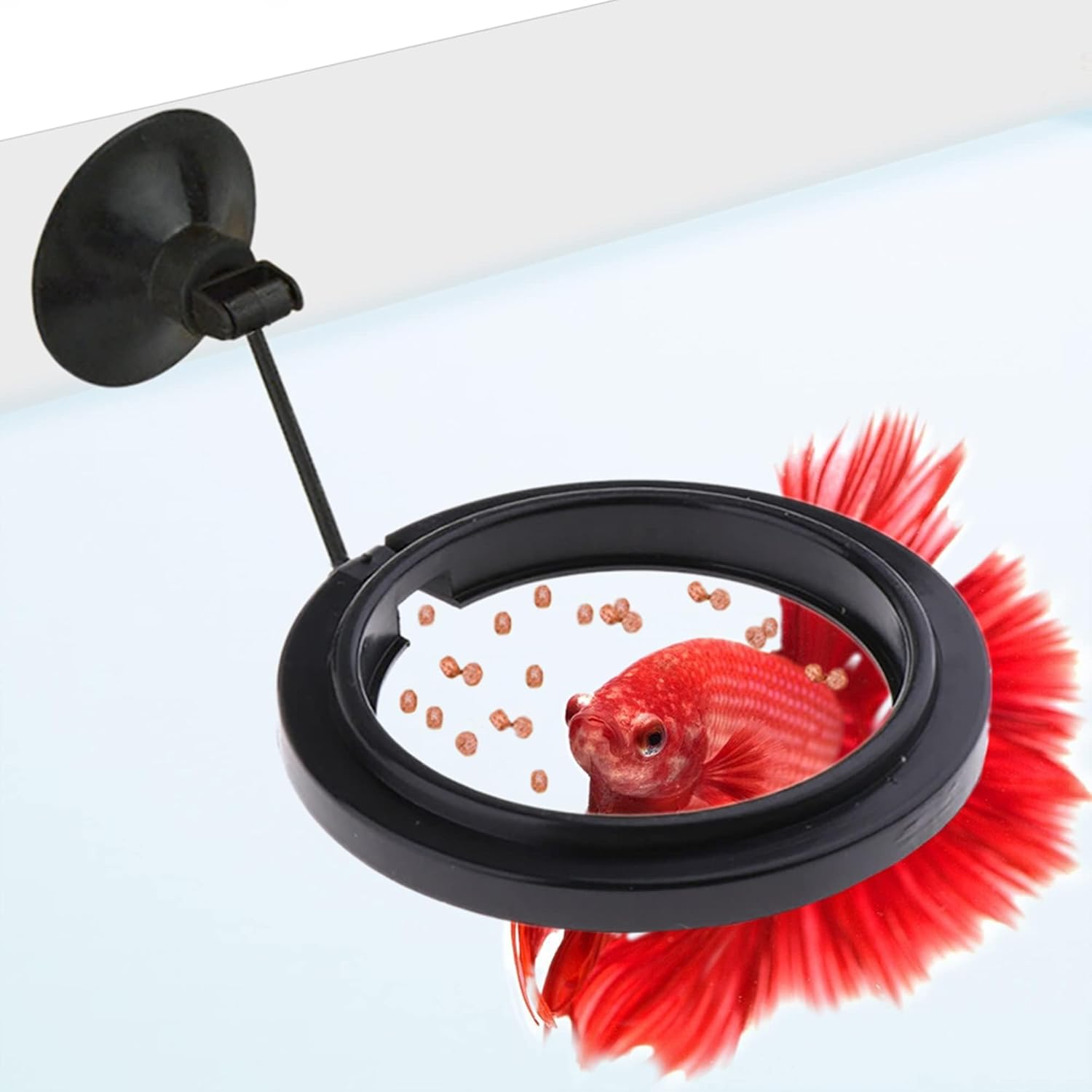
Feeding should be moderate and consistent. Overfeeding can cloud the water and create waste problems. Small portions are usually better than large ones. A healthy feeding routine supports both the fish and the tank.
How Water Conditions Affect Activity
Bettas often respond quickly to their environment. If the water is warm and clean, they may swim with more confidence. If the water is dirty or unstable, they may become withdrawn. Watching their behavior can give you useful clues about tank conditions.
If your betta seems unusually tired, check the basics first. Temperature, filtration, and water quality are good places to start. Sometimes a simple adjustment is all that is needed to help them feel like themselves again.
Compatible Tank Mates and Freshwater Balance
Some keepers want to add other fish or creatures. That can work in some cases, but it depends on the tank size, layout, and water conditions. Bettas can be territorial, so careful choices matter. Calm tank mates and enough space can make a difference.
If you are thinking about adding snails, you may want to explore Can Freshwater Snail Live With A Betta Fish. The main point is to keep the freshwater environment balanced and avoid overcrowding. A tank that is too busy can increase stress for everyone inside it.
Expert Tips for a Healthy Freshwater Betta Tank
Good betta care is mostly about consistency. A stable freshwater tank with warm water, gentle filtration, and regular maintenance usually gives the best results. You do not need perfection. You need a routine you can keep.
It also helps to observe your fish often. Bettas can tell you a lot through their posture, color, and activity. When something changes, look at the water first. Most problems begin with the environment, not the fish itself.
Quick Tips for Better Freshwater Care
- Keep water warm and steady with a reliable heater.
- Use gentle filtration instead of strong current.
- Add plants or decorations for cover and comfort.
- Change part of the water on a regular schedule.
- Condition tap water before adding it to the tank.
- Watch your betta’s behavior for early warning signs.
- Avoid overcrowding and keep the setup simple.
Common Mistakes to Avoid
- Using a tank that is too small for stable water.
- Setting the filter flow too high.
- Skipping water conditioner before changes.
- Letting the temperature swing too much.
- Overfeeding and letting waste build up.
- Ignoring testing until problems appear.
- Adding too many fish or decorations at once.
If you keep things simple and consistent, your betta has a much better chance to thrive. A freshwater setup that feels calm, warm, and clean is a strong foundation. From there, regular care does most of the work.
So, is betta fish freshwater? Yes, and that fact shapes everything about good care. These fish belong in warm, clean, low-stress water that feels close to their natural home. When you give them that kind of environment, you are not just keeping them alive. You are helping them live well.
Frequently Asked Questions
Do betta fish need freshwater or saltwater?
Bettas need freshwater. They are not saltwater fish and do not require salt in their tank. Clean, warm freshwater with good filtration is the best choice for their long-term health.
What temperature should freshwater betta water be?
Bettas usually do best in warm water around 76 to 82 degrees Fahrenheit. A steady temperature helps them stay active and supports healthy digestion. A reliable heater and thermometer make it easier to maintain that range.
Can I use tap water for a betta tank?
Yes, tap water can work well if you treat it first. A water conditioner helps remove chlorine and chloramine that can harm fish. It is also important to match the new water temperature to the tank before adding it.
Do bettas like strong water current?
Bettas usually prefer calm water with gentle movement. Strong current can stress them and make swimming harder. A mild filter output or planted tank layout can help soften the flow.
How often should I change betta water?
Regular partial water changes are usually best for keeping the tank healthy. The exact schedule depends on tank size, filtration, and feeding habits. Testing the water and watching for waste buildup can help you decide what your tank needs.
Can bettas live in a small bowl of freshwater?
They can survive in small containers for a while, but small bowls are often harder to keep stable. More water usually means better temperature and water quality stability. A larger, well-maintained tank is usually a better long-term home.