How to Keep Betta Fish Tank Clean for Happy Healthy Fish
Keeping your aquarium pristine is the most important step for betta health. This guide shows how to keep betta fish tank clean without stressing your pet. You will learn about water changes, filter maintenance, and safe cleaning tools. Follow these tips to prevent disease and enjoy a beautiful, thriving tank every single day.
Key Takeaways
- Weekly Water Changes: Replace 20-30% of the water every week to remove waste and maintain water quality.
- Filter Maintenance: Clean filter media in old tank water to preserve beneficial bacteria while ensuring proper flow.
- No Soap or Chemicals: Never use soap, bleach, or harsh chemicals when cleaning decorations or glass surfaces.
- Vacuum the Substrate: Use a gravel vacuum to remove uneaten food, debris, and fish waste from the bottom.
- Match Water Parameters: Always treat new water with a conditioner and match the temperature to avoid shocking your fish.
- Monitor Water Quality: Test water regularly for ammonia, nitrite, and nitrate levels to catch issues early.
- Consistent Routine: Establish a regular cleaning schedule to keep the environment stable and stress-free for your betta.
📑 Table of Contents
How to Keep Betta Fish Tank Clean for a Thriving Aquarium
Betta fish are beautiful pets. They need a clean home to stay healthy. A dirty tank causes stress and disease. You want your fish to live a long life. Learning how to keep betta fish tank clean is simple. You do not need fancy tools. You just need a routine.
Many new owners make mistakes. They wait too long to clean. They use the wrong products. These errors hurt the fish. This guide helps you avoid those problems. We will cover water changes. We will talk about filters. We will discuss safe cleaning habits. You will feel confident caring for your tank.
A clean tank looks better too. It shows off your fish colors. It makes your room look nice. Most importantly, it keeps your betta happy. Let us dive into the details. You will learn easy steps. You will save time and money. Your fish will thank you.
Weekly Water Changes Are Essential
Water quality is the biggest factor. Fish produce waste every day. This waste turns into toxins. Ammonia and nitrite are dangerous. They burn the fish gills. You must remove this waste. Regular water changes are the best way.
You should change 20 to 30 percent of the water. Do this once a week. Some people wait longer. This is a bad idea. Small changes are safer. They do not shock the fish. Large changes can stress your pet. Consistency matters more than volume.
How to Perform a Water Change
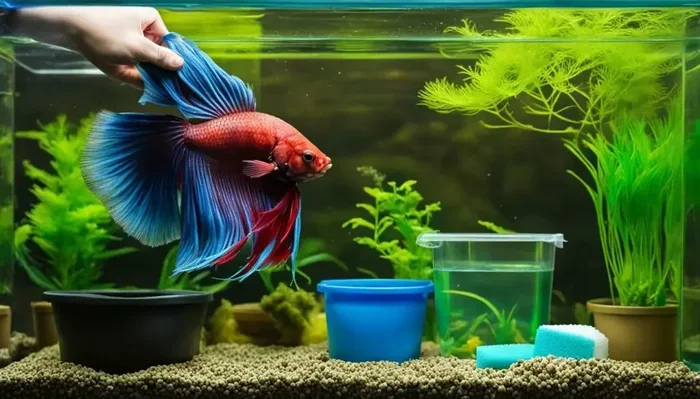
Start by gathering your supplies. You need a bucket. You need a gravel vacuum. You need a water conditioner. Make sure the bucket is clean. It should never have soap in it. Soap is toxic to fish.
Follow these steps for success:
- Unplug Equipment: Turn off heaters and filters. This prevents damage during the water drop.
- Vacuum the Gravel: Push the tube into the substrate. Suck up dirt and waste. Be gentle with the fish.
- Remove Old Water: Take out the desired amount. Put it in the bucket. Dispose of it properly.
- Prepare New Water: Fill the bucket with tap water. Add conditioner immediately. This removes chlorine and chloramine.
- Match the Temperature: Check the new water temp. It should match the tank water. Sudden changes cause shock.
- Add New Water: Pour the water slowly. Aim for the glass wall. This reduces noise and stress.
This process takes about 15 minutes. It is worth the effort. Your fish will swim better. The water will look clear. You are building a healthy cycle.
Filter Maintenance Keeps Water Pure
Filters are the heart of the tank. They remove debris. They host good bacteria. These bacteria break down waste. You need to keep the filter running. But you also need to clean it. A clogged filter stops working. Dirty filters grow bad bacteria.
Many owners ask do betta fish have to be in a filtered tank. The answer is yes for most setups. A filter helps maintain stability. It keeps the water moving. Stagnant water grows algae. It also lowers oxygen levels. A clean filter supports life.
Cleaning Filter Media Safely
You cannot just rinse the filter with tap water. Tap water has chlorine. Chlorine kills good bacteria. If you kill the bacteria, the tank crashes. Ammonia spikes happen fast. This is dangerous for your betta.
Here is the safe way to clean:
- Turn Off the Filter: Stop the flow before touching anything.
- Remove Media: Take out the sponge or cartridges.
- Use Old Tank Water: Pour some removed water into a bowl. Swish the media in this water.
- Wipe the Housing: Use a soft cloth to clean the inside of the filter box.
- Reassemble: Put everything back together. Turn the power on.
Do this every month. Or do it when the flow slows down. Check the intake tube too. Debris often gets stuck there. A clean filter saves energy. It also lasts longer. You protect your fish by maintaining this tool.
Safe Cleaning Tools and Products
You need the right tools. Using the wrong items causes harm. Soap is the biggest enemy. Never use dish soap on tank parts. Residue stays on the glass. Fish absorb toxins through their skin. It can kill them quickly.
You might wonder can you use soap to clean a betta fish tank. The answer is a hard no. Soap strips the natural oils from fish. It damages their slime coat. This leaves them open to infection. Stick to water and elbow grease.
Recommended Cleaning Supplies
Build a cleaning kit for your tank. Keep it separate from household cleaners. This prevents accidents. Here are the best items to have:
- Gravel Vacuum: This removes waste from the bottom. It comes in different sizes. Choose one that fits your hose.
- Algae Scraper: Use this for the glass. Plastic blades are safe for acrylic tanks. Metal blades work for glass.
- Bucket: Dedicate one bucket only for the tank. Do not use it for chemicals.
- Water Conditioner: This neutralizes harmful chemicals. It makes tap water safe instantly.
- Test Kit: Liquid tests are more accurate. They check ammonia and nitrite levels.
You may also have decorations. Sometimes they get slimy. You can remove them for cleaning. Scrub them with old tank water. Do not use chemicals on them. If they are porous, they hold bacteria. Cleaning them helps control algae growth.
Managing Algae and Debris
Algae is a common problem. It grows when there is light and nutrients. A little algae is normal. It can even be good for grazing. Too much algae looks bad. It competes with your plants. It makes the tank dirty.
You need to control the light. Do not leave the light on all day. Eight hours is enough. Turn it off at night. This mimics the natural cycle. It also slows down algae growth.
Removing Algae Manually
Scrubbing is the best method. Use your algae scraper. Go across the glass gently. The algae will fall to the bottom. Vacuum it up during your water change. You can also use an algae pad. Squeeze it in the tank water.
Some people add algae eaters. This is tricky with bettas. Bettas can be aggressive. You must check compatibility. You might ask can i keep betta fish in my community tank. Some species work, but many do not. Snails are often safer. Nerite snails eat algae well. They do not breed in freshwater. This keeps the population under control.
Debris also accumulates. Uneaten food sinks to the bottom. It rots and creates waste. Feed your fish only what they eat. Remove leftovers after a few minutes. This reduces the cleaning load. It keeps the water cleaner for longer.
Water Parameters and Temperature
Clean water is not just about dirt. It is about chemistry too. Tap water has chlorine. This kills fish. You must treat every drop. A conditioner is essential. It detoxifies heavy metals too.
Temperature is another key factor. Bettas are tropical fish. They need warm water. Cold water slows their metabolism. It makes them sick. You need a heater for stability.
Adding New Water Correctly
When you add water, be careful. You might ask can you add warm water to betta fish tank. Yes, but you must match the temp. Boiling water is dangerous. It can cook the fish. Use a thermometer. Adjust the new water to match the tank.
You also need to know can i add tap water to my betta fish tank. Tap water is fine if treated. Some areas have hard water. This affects pH levels. Test your source water first. If it is too hard, you might need bottled water. You can learn about can you use bottled water in a betta fish tank if your tap is poor quality.
Here is a quick comparison of water sources:
- Tap Water: Cheap and easy. Needs conditioner. Quality varies by location.
- Bottled Water: Consistent quality. More expensive. Check for added minerals.
- Distilled Water: Pure but lacks minerals. Needs remineralization. Not ideal for long term.
Stability is the goal. Fish hate sudden changes. Keep the parameters steady. Test the water monthly. This catches problems early. You can fix issues before they hurt the fish.
Establishing a Cleaning Routine
Consistency wins every time. A routine makes cleaning easy. You do not forget tasks. You stay on top of maintenance. Write down your schedule. Put it on your fridge or phone.
Daily tasks are simple. Check the fish behavior. Look for signs of illness. Feed the fish properly. Remove any dead leaves from plants. Weekly tasks involve water changes. Monthly tasks involve filter cleaning.
Signs Your Tank Needs Attention
Watch your fish closely. They tell you when something is wrong. Gasping at the surface is a bad sign. It means low oxygen or high toxins. Hiding all the time is another clue. You might wonder do betta fish hide to die. Sometimes they hide when stressed. Clean water reduces this stress.
Cloudy water is a visual cue. It means bacteria are blooming. This happens in new tanks. It also happens with overfeeding. Do a water change immediately. Check your filter flow. If the fish hangs at the top, check the oxygen. You can read more about do betta fish hanging at top of tank to understand this behavior.
Here is a sample weekly schedule:
- Monday: Check temperature and heater function.
- Wednesday: Scrub algae off the glass.
- Friday: Perform 25% water change and vacuum gravel.
- Sunday: Test water parameters and inspect filter flow.
Adjust this based on your tank size. Smaller tanks get dirty faster. Larger tanks are more stable. A 5-gallon tank needs more care than a 10-gallon. You can explore do betta fish like 10 gallon tank setups for more stability. Bigger volumes dilute waste better. This makes cleaning slightly easier.
Expert Insights on Tank Hygiene
Experts agree on one thing. Prevention is better than cure. A clean tank prevents disease. It saves you vet bills. It saves your fish life. Do not wait for problems to start. Be proactive with your care.
Another tip is about substrate. Sand holds waste on top. Gravel hides waste inside. Vacuum gravel carefully. Push the vacuum deep enough. But do not dig too hard. You do not want to uproot plants. If you have sand, hover the vacuum above it. This lifts waste without sucking up sand.
Finally, trust your eyes and nose. A clean tank smells like earth. A dirty tank smells rotten. If it smells bad, clean it now. Visual clarity matters too. If you cannot see the back glass, it is time to scrub. Your fish deserves a clear view. It reduces their stress levels.
Conclusion
Learning how to keep betta fish tank clean is the best gift you can give your pet. A clean environment means a healthy fish. It means less disease and more color. You now know the steps. You understand water changes. You know how to care for filters. You have the right tools.
Start your routine today. Do not wait for the water to look dirty. Consistency keeps the tank stable. Your betta will swim happily. You will enjoy watching them thrive. Clean tanks are rewarding. They bring peace and beauty to your home. Keep up the good work. Your fish are counting on you.
Frequently Asked Questions
How often should I clean my betta fish tank?
You should perform a partial water change every week. Clean the filter once a month to remove debris. Daily checks help you spot issues early. Consistency keeps the water safe for your fish.
Can I use soap to clean the tank decorations?
No, you should never use soap on any tank items. Soap residue is toxic to fish and damages their slime coat. Use warm water and a dedicated algae scraper instead. Rinse everything thoroughly before putting it back.
Do betta fish need a filter to keep the tank clean?
Yes, a filter helps maintain water quality by removing waste. It also hosts beneficial bacteria that break down toxins. Without a filter, you must change water much more frequently. A gentle filter is best for bettas.
Is tap water safe for my betta fish tank?
Tap water is safe if you treat it with a water conditioner first. Conditioners remove chlorine and chloramine which are harmful. Always test your tap water parameters before adding it. Matching the temperature is also crucial to avoid shock.
What happens if I don’t clean the tank regularly?
Waste builds up and turns into toxic ammonia and nitrite. This burns the fish gills and causes illness. Algae will grow out of control and cloud the water. Eventually, the poor water quality can kill your betta fish.
Can I add warm water directly to the tank?
You can add warm water, but it must match the tank temperature. Adding water that is too hot or too cold stresses the fish. Use a thermometer to ensure the new water is consistent. Sudden temperature changes are dangerous for bettas.