Can Bettas Live with Other Fish
Yes, bettas can sometimes live with other fish, but it’s not a simple yes or no answer. Their success depends entirely on the individual betta’s personality, a properly sized and decorated tank, and carefully chosen, non-threatening tank mates. Forget the old myth that bettas must always live alone—with careful planning and observation, you can create a thriving community tank that includes your beautiful betta.
So, you’ve fallen in love with the flowing fins and captivating personality of a betta fish. You’ve set up a beautiful, heated tank just for them. But then you see those stunning neon tetras or a school of adorable corydoras at the pet store and think, “Wouldn’t it be nice if my betta had friends?” You’re not alone in asking, “Can bettas live with other fish?”. It’s one of the most common questions in the aquarium hobby, and the answer is one that every responsible betta owner needs to hear: It depends.
For decades, bettas (or Siamese fighting fish) were wrongly labeled as solitary, aggressive monsters that must be kept alone. While it’s true that male bettas will fight to the death with other male bettas, the reality of their ability to live in a community tank is far more nuanced. The key is understanding that a betta is an individual with its own personality, and its success as a community member hinges on your ability to provide the right environment and the right companions. This guide will dive deep into the facts, separating myth from reality, and give you a clear, actionable roadmap to determine if your betta can be a peaceful neighbor.
Key Takeaways
- Your Betta’s Personality is Everything: Some bettas are docile community fish, while others are relentless fighters. You must observe your specific betta’s behavior before and after introducing any other fish.
- Tank Size is Non-Negotiable: A true community tank with a betta requires a minimum of 20 gallons. Smaller “nano” tanks drastically increase stress and aggression, making coexistence nearly impossible.
- Choose Mates That Are Fast, Peaceful, and Non-Flashy: Ideal tank mates are active schooling fish that can quickly evade a curious betta, have no flowing fins, and are not brightly colored in a way that triggers the betta’s instinct to attack.
- Avoid Fish That Look or Act Like Rivals: Never house bettas with other long-finned, slow-moving fish (like guppies or fancy goldfish) or fish known for fin-nipping (like tiger barbs). This is a recipe for disaster.
- The Tank Setup is Your Primary Defense: A heavily planted tank with abundant vertical and horizontal hiding spots, broken lines of sight, and a secure lid (bettas jump!) is critical to reduce territory disputes and provide escape routes.
- Acclimation and Constant Monitoring are Mandatory: Introducing a betta to a community requires a meticulous process, often using a tank divider first. You must watch for signs of stress or aggression daily, especially during the first few weeks.
- Always Have a Backup Plan: Before you add any fish, ensure you have a separate, cycled hospital tank ready to house either the betta or the new fish if the introduction fails.
📑 Table of Contents
- Understanding the Betta: More Than Just a Fighter
- The Foundation: Tank Setup for Success
- Ideal Tank Mates: The “Peaceful & Fast” Rule
- Risky and Problematic Companions: What to Avoid
- The Introduction Process: Patience is a Virtue
- Troubleshooting and When to Call It Quits
- Conclusion: A Rewarding Challenge with the Right Approach
Understanding the Betta: More Than Just a Fighter
To answer “can bettas live with other fish?”, we must first understand the animal itself. The betta’s reputation comes from its history. In their native rice paddies of Southeast Asia, male bettas were bred for aggression and pitted against each other in fights, much like roosters. This selective breeding for centuries hardened the stereotype. However, in the wild, a male betta’s territory is vast—sometimes a square meter or more—and he spends his time guarding it from other males, not hunting every creature that moves. He is a territorial fish, not a purely predatory one.
The Labyrinth Organ and Its Implications
Bettas belong to a special group of fish called anabantoids, which possess a labyrinth organ. This is a primitive lung that allows them to gulp air from the surface. This adaptation means they are not solely dependent on oxygen from the water through their gills. While this makes them hardy in terms of water quality (to a point), it also means they have a strong instinct to hang out near the top of the tank. This is crucial when choosing tank mates; you want to avoid fish that are strictly top-dwellers and compete for the same space, as this will lead to constant skirmishes at the water’s surface.
Personality Over Species
Just like people, bettas have unique temperaments. You might have a mellow “bettazilla” who ignores everything and floats lazily among plants, or a feisty “betta brat” who flares at his own reflection and chases any finger near the glass. You cannot predict this based on color or fin type. The only way to know is to observe your specific betta over time. This personal assessment is the very first and most important step in considering tank mates.
The Foundation: Tank Setup for Success
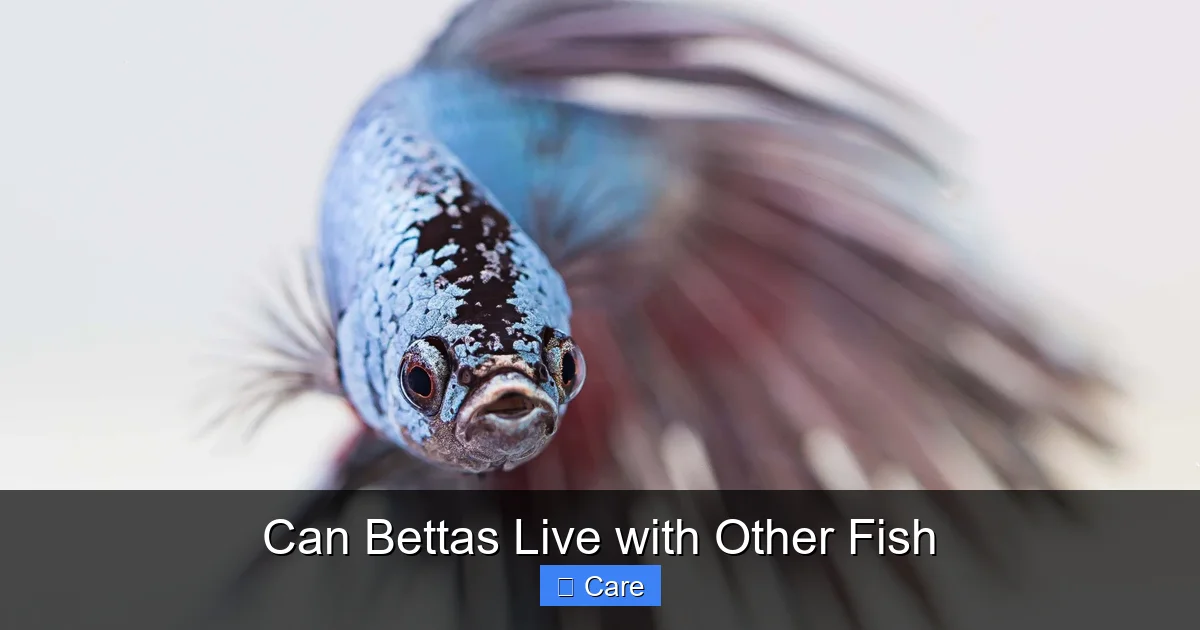
If you’re serious about creating a community tank, your betta’s home is not just a container; it’s a carefully curated environment designed to minimize conflict. The right setup can make the difference between peaceful coexistence and a stressful, bloody disaster. Forget the tiny, decorative “betta bowls” you might have seen. A community tank requires substantial space and complexity.
Visual guide about Can Bettas Live with Other Fish
Image source: pawtracks.com
Tank Size: The Golden Rule
Let’s be unequivocal: a 5-gallon tank is for a single betta only. To even begin considering other fish, you need a minimum of 20 gallons (75 liters). This is not a suggestion; it’s a requirement. Why? A larger volume dilutes the betta’s pheromones and waste products, reducing overall stress. It provides a much greater area for the betta to establish a personal territory, which means it’s less likely to see the entire tank as “its” domain to defend. In a 20-gallon, you have the space to create distinct zones with plants and decorations, allowing smaller fish to have their own areas away from the betta’s chosen spot.
Creating a Fortress: Plants, Hiding Spots, and Visual Barriers
Your goal is to break the line of sight. A betta that can see another fish constantly will perceive it as an intruder. Use a combination of:
- Live or Silk Plants: Tall plants like Amazon swords, Vallisneria, or floating plants like frogbit and water lettuce create a beautiful canopy at the surface, giving top-dwelling fish places to rest and reducing surface tension visibility. Busy, leafy plants near the bottom provide hiding spots for bottom-feeders.
- Hardscape: Driftwood, rocks, and ceramic ornaments create caves, overhangs, and tunnels. Place these strategically to divide the tank into visual sections.
- PVC Pipes and Betta Logs: These are fantastic, dedicated hiding spots just for your betta. Giving him a guaranteed retreat makes him feel more secure and less likely to patrol every inch aggressively.
The Importance of a Secure Lid
Bettas are expert jumpers. A startled betta can leap out of an open tank in seconds. A tight-fitting lid is absolutely essential for any betta tank, but even more so in a community where unexpected chases can occur. Ensure there is no gap larger than a coin.
Ideal Tank Mates: The “Peaceful & Fast” Rule
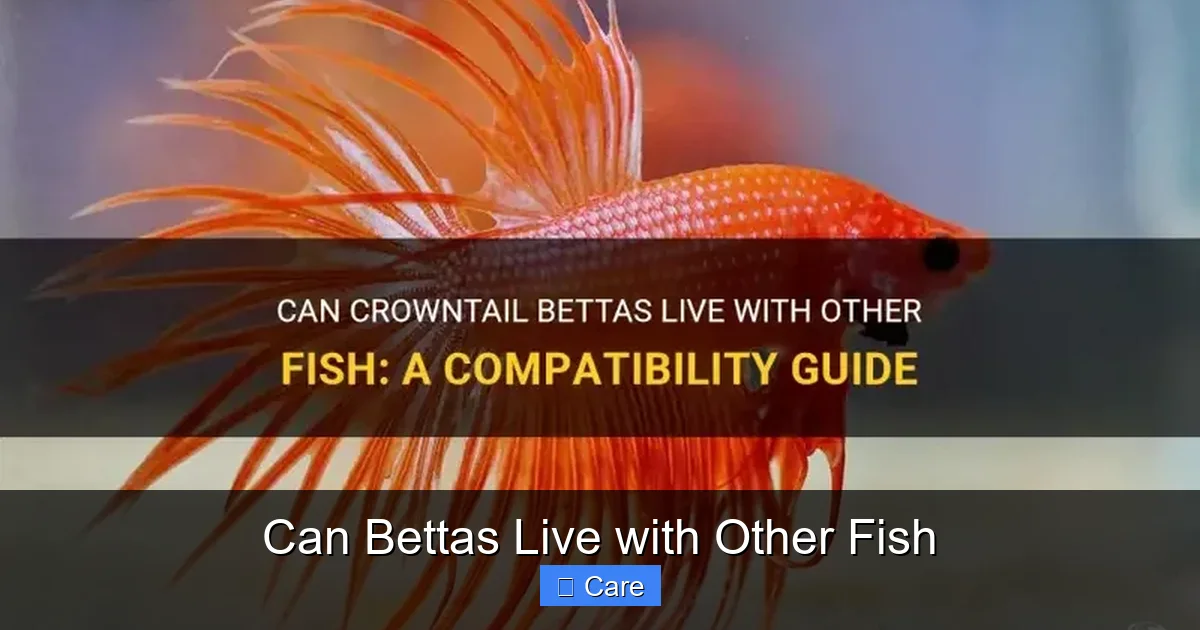
Now for the fun part: choosing potential roommates. The perfect betta tank mate follows a simple profile: peaceful, active, fast, and not flashy. They should be fish that mind their own business, are too quick for the betta to catch, and don’t resemble a rival betta (no long, flowing fins or brilliant, iridescent scales that scream “rival male”).
Visual guide about Can Bettas Live with Other Fish
Image source: petshun.com
The Classic Schoolers: Fast, Active Swimmers
These fish occupy the middle and upper levels of the tank. Their key advantage is speed and schooling behavior, which confuses a predator and makes singling one out difficult.
- Neon Tetras & Cardinal Tetras: The quintessential choice. Their tiny size (1.5 inches), speed, and tendency to form tight, shimmering schools make them excellent. They stay mid-tank and are generally indifferent to a betta above them. A school of 8-10 is ideal.
- Harlequin Rasboras: Similar to tetras but slightly larger and hardier. They are active, peaceful, and their orange/red coloration is different enough from a red betta not to trigger constant aggression.
- Ember Tetras: A fantastic nano fish option for a 20+ gallon. Their tiny, fiery orange color is beautiful, and they are shy but active schoolers.
- White Cloud Mountain Minnows: Exceptionally hardy, active, and peaceful. They prefer cooler water (68-72°F), so they are only suitable if your betta is also comfortable in that range (most prefer 78-80°F). This temperature mismatch makes them a risky but sometimes successful pairing if you keep the tank at a moderate 75°F.
The Bottom Dwellers: Keeping a Low Profile
These fish occupy a completely different strata of the tank, minimizing interaction with the top-dwelling betta.
- Bronze Corydoras Catfish: Perhaps the best and most popular betta companion. These small, armored catfish are peaceful, social (keep in groups of 5+), and spend their days sifting the substrate for food. They are too heavy and armored to be considered prey, and they rarely venture to the surface.
- Kuhli Loaches: These eel-like, nocturnal loaches are fascinating and peaceful. They burrow and hide during the day, coming out at night. They are an excellent, low-interaction choice.
- Otocinclus Catfish (“Otos”): The dedicated algae eater. They are tiny, shy, and cling to glass and plants. They are best for well-established tanks with plenty of algae biofilm. They are very delicate, so only consider them if your water parameters are pristine.
Other Peaceful Options
- African Dwarf Frogs: A truly unique and compatible pet. They are fully aquatic, breathe air like bettas, and are slow-moving. They occupy the bottom/mid levels and are peaceful. They require similar water conditions and can even be hand-fed. A wonderful, low-interaction choice.
- Ghost Shrimp or Amano Shrimp: These larger shrimp species (especially Amanos) are often ignored by bettas. They are efficient cleaners and add activity to the lower levels. However, some bettas will see them as snacks. It’s a calculated risk. Cherry shrimp, being small and colorful, are almost always eaten.
Risky and Problematic Companions: What to Avoid
Just as important as knowing who *might* work is knowing who absolutely will not. These pairings are almost guaranteed to end in stress, injury, or death.

Visual guide about Can Bettas Live with Other Fish
Image source: petshun.com
Fish with Long, Flowing Fins
This is the cardinal sin. A male betta’s instinct is to attack any fish that looks like a rival male betta. This includes:
- Fancy Guppies: Their large, colorful, flowing tails are a direct trigger. Even a peaceful betta will likely nip and harass a guppy to death.
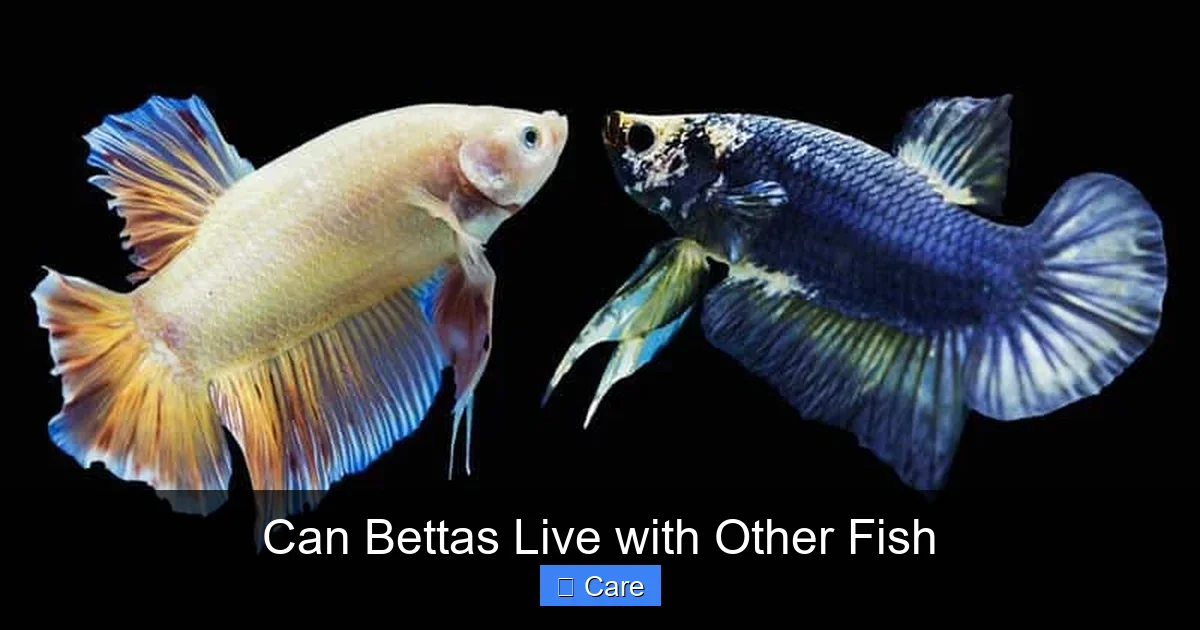
- Fighting Fish (Other Bettas): Never, under any circumstances, house two male bettas together. Female bettas can sometimes be kept in a “sorority” tank (5+ females in a heavily planted 40+ gallon), but this is an advanced setup with its own risks.
- Fancy Goldfish: Beyond the fin issue, their cold-water preference (65-72°F) is completely incompatible with tropical bettas.
Fin-Nippers and Aggressive Barbs
Some fish are notorious for nipping at the long, flowing fins of slow-moving fish.
- Tiger Barbs: The classic fin-nipper. They are active, aggressive in groups less than 6, and will relentlessly harass a betta’s fins.
- Serpae Tetras: Another known fin-nipper, despite being a tetra. They can be quite nippy, especially in smaller schools.
- Most “Tiger” or “Puntius” species: Exercise extreme caution with this family.
Brightly Colored, Slow-Moving Fish
Even without long fins, a slow fish with bright red or blue coloration can be seen as a rival or easy prey.
- Other Red or Blue Fish: A red betta may see a red platy or a blue gourami as a challenge.
- Very Slow Swimmers: Fish like some fancy angelfish (as juveniles), or discus, are too slow and may be bullied. Adult angelfish can also become large enough to see a small betta as food.
The Introduction Process: Patience is a Virtue
You have your 20-gallon, heavily planted tank. You’ve chosen a school of neon tetras and a corydoras trio. You think you’re ready to dump everyone in together. Stop. The introduction is the most critical phase and must be done with military precision. Rushing this step is the #1 reason community attempts fail.
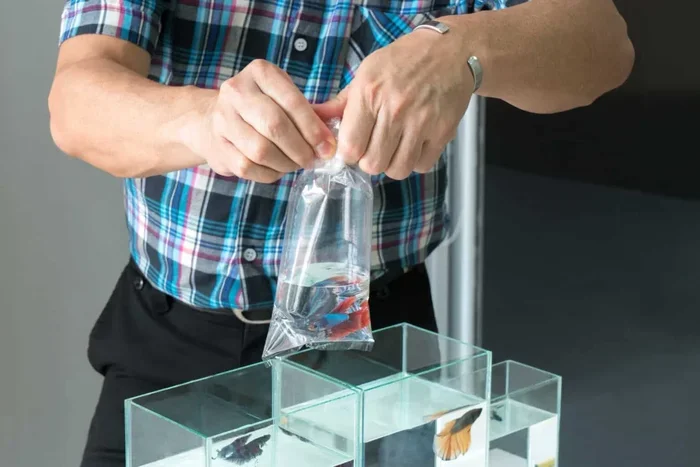
Step 1: The Solo Betta (2-4 Weeks)
Your betta must be fully settled in his new tank alone for at least 2-4 weeks. This allows him to establish his territory, claim his favorite spots, and feel secure. A stressed betta from a new environment will be far more defensive. During this time, observe his behavior. Is he flaring at you? Chasing his reflection? Or is he largely calm, exploring, and building a bubble nest (a sign of contentment)? The latter is a good initial indicator.
Step 2: The Tank Divider Method (The Gold Standard)
This is the safest method. Use a clear acrylic or mesh divider to split the tank into two separate, cycled compartments.
- Place your established betta on one side.
- Add your new fish school to the other side. They will acclimate to the new tank and water parameters separately.
- For 1-2 weeks, let them see each other through the divider. Observe the betta’s reaction. Does he flare and charge the divider, or does he largely ignore them? Some flaring is normal territorial behavior. Constant, frantic aggression is a red flag.
- If after a week the betta seems more curious than homicidal, you can try removing the divider during a time when you can watch closely (e.g., a weekend).
Step 3: Direct Observation and The “Drop”
If using a divider isn’t possible, you can use the “drop” method in a large, well-planted tank. Turn off the lights, and use a cup or net to gently transfer the new fish into the tank. The darkness reduces the immediate visual stimulus that triggers a chase. Immediately turn the lights back on and watch from a distance for at least an hour. Have a net and a backup tank ready to remove either the betta or the new fish at the first sign of relentless chasing, nipped fins, or the new fish hiding and not eating.
Troubleshooting and When to Call It Quits
Even with perfect planning, things can go wrong. Your betta might surprise you with a sudden burst of aggression. Here’s how to diagnose and act.
Recognizing Stress and Aggression
Signs of Stress in the Betta: Clamped fins, pale color, lethargy, loss of appetite, frantic swimming, hiding constantly, rubbing against objects (flashing).
Signs of Aggression from the Betta: Flaring gills and fins (making himself look larger), charging at other fish, nipping at fins (you’ll see torn or ragged fins on the other fish), relentless patrolling of a specific area.
Signs of Stress in Tank Mates: Hiding 24/7, not eating, frantic swimming, faded colors, missing scales or torn fins.
The Intervention Plan
If you see signs of persistent aggression or stress:
- Immediate Separation: Your backup hospital tank is now your primary tank. Move the victimized fish (or the aggressive betta) into it immediately to prevent injury or death.
- Re-evaluate the Pairing: Was the tank too small? Were there not enough hiding spots? Was the school of tetras too small (they need a proper school to feel secure)? Was the betta simply not a community fish?
- The Last Resort – Solo Living: There is absolutely no shame in returning your betta to a single-species tank. Many bettas simply are not cut out for community life. Forcing it leads to a poor quality of life for everyone involved. A happy, healthy single betta in a well-decorated 5-gallon tank is far better than a stressed, aggressive betta in a community.
The Betta Sorority: A Special Case
While this article focuses on adding other species to a male betta’s tank, it’s worth noting that female bettas can sometimes be kept in groups (called a sorority). This is an advanced setup requiring a minimum 40-gallon tank, heavy planting, and at least 5-6 females of similar size introduced simultaneously. It is not for beginners and carries its own risks of hierarchy fighting and fatalities. Never house a male betta with female bettas outside of a carefully managed breeding tank, as he will kill her.
Conclusion: A Rewarding Challenge with the Right Approach
So, can bettas live with other fish? The thoughtful, experienced answer is: Yes, many can, but it is a privilege, not a right. Your betta is not a generic pet; he is an individual with a strong will and a complex history. Success is built on a foundation of immense space, a fortress-like aquascape, and the careful selection of fast, peaceful, non-threatening neighbors. It demands patience during the introduction and vigilant observation afterward.
Start with the understanding that your betta might simply prefer to be a solo king. That is perfectly okay. But if you are willing to put in the research, the effort, and the resources for a proper 20+ gallon setup, the reward is a stunning, dynamic community tank where your betta holds his court with grace and his tank mates go about their business in peace. It is one of the most beautiful sights in the freshwater hobby. Do it right, or don’t do it at all. Your fish will thank you for it.
Frequently Asked Questions
Can I keep a male betta with a female betta?
No, you should never house a male and female betta together long-term outside of a controlled breeding environment. The male will see the female as a rival or a threat to his territory and will likely attack and kill her. Even for breeding, the pair must be monitored constantly and separated immediately after spawning.
What about shrimp? Will my betta eat them?
It’s a gamble. Large, fast shrimp like Ghost Shrimp or Amano Shrimp have a decent chance of survival as they are often ignored. However, small, colorful shrimp like Cherry Shrimp are almost always seen as a snack and will be eaten. You must be prepared to lose any shrimp you add and have a backup plan for the betta if he becomes obsessed with hunting them.
My betta flares at his new tank mates constantly. Is that normal?
Some initial flaring (puffing up gills and fins) is normal territorial behavior as the betta assesses the new fish. You should watch to see if it escalates into persistent, frantic chasing and nipping. If the betta spends hours each day in relentless pursuit of the other fish, that is not normal and indicates the pairing is failing. The other fish must be able to swim away and find refuge.
Can I keep a betta with a gourami?
Generally, no. Gouramis (like the common Dwarf Gourami) are closely related to bettas and have a similar body shape. They are labyrinth fish and often have a similar temperament. Housing two territorial, surface-dwelling fish with similar body types is a very high-risk endeavor that usually leads to conflict. There are rare, anecdotal exceptions, but it is not a recommended or reliable pairing.
How long should I wait before introducing tank mates to a new betta?
You should wait at least 2-4 weeks after bringing your betta home before introducing any other fish. This allows the betta to fully acclimate to its new tank, establish its territory, and recover from any transport stress. Introducing new fish to a betta that is already stressed or insecure from a recent move is a recipe for immediate aggression.
My betta was fine with his tank mate for a week, but now he’s started chasing them. What happened?
This can happen as the betta’s territory becomes more firmly established or as the new fish grow bolder. It could also be triggered by a change in water parameters, a new decoration that shifted the “territory lines,” or simply the betta’s personality emerging once he felt fully at home. This is a clear sign to re-evaluate the situation. Have a backup tank ready and be prepared to separate them if the chasing is constant and causing stress or injury to the other fish.