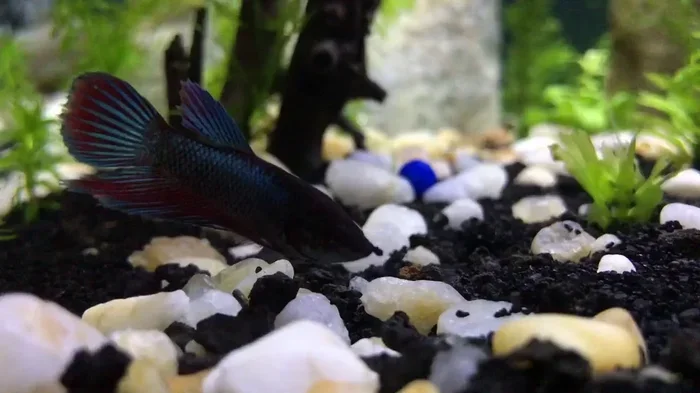
Why Is the Water in My Betta Fish Tank Cloudy

Cloudy water in a betta tank is usually a sign of imbalance, not a permanent problem. By checking filtration, feeding habits, and water parameters, you can clear the water quickly and keep your betta thriving. Follow these easy tips and prevent future cloudiness for a crystal‑clear home.
Key Takeaways
- Identify the cause: Over‑feeding, bacterial blooms, and poor water changes are the top reasons for cloudy betta water.
- Act fast: A partial water change and proper filtration can clear most clouds within 24‑48 hours.
- Maintain balance: Regular testing and a consistent cleaning schedule prevent future cloudiness.
- Watch your betta: Cloudy water can stress your fish; monitor behavior for signs of illness.
- Use the right water: Conditioned tap water or pre‑treated RO water keeps ammonia low and clarity high.
- Know when to seek help: Persistent cloudiness may mean a hidden disease or equipment failure.
- Helpful resources: Learn more about water changes, bubble issues, and tank setup with our related guides.
📑 Table of Contents
- Introduction: When Your Betta’s Home Looks Like a Foggy Pond
- 1. What Causes Cloudy Water? The Usual Suspects
- 2. How to Diagnose the Problem Quickly
- 3. Step‑by‑Step Fixes to Clear the Water
- 4. Preventing Future Cloudiness: A Routine That Works
- 5. When Cloudiness Persists: Signs It’s Time to Seek Help
- Conclusion: Clear Water, Happy Betta
Introduction: When Your Betta’s Home Looks Like a Foggy Pond
Imagine you’ve just set up a beautiful 5‑gallon tank for your new betta. The plants are in place, the heater hums softly, and the little fighter flares his fins in excitement. Then, a day or two later, the water looks milky, like a shaken bottle of milk. It’s easy to panic, but cloudy water is a common hiccup that most betta owners can fix.
In this article we’ll answer the question “why is the water in my betta fish tank cloudy?” step by step. We’ll cover the science behind cloudiness, the everyday habits that cause it, and the exact actions you can take to restore crystal‑clear water. By the end, you’ll feel confident that a little cloud won’t cloud your enjoyment of your betta.
1. What Causes Cloudy Water? The Usual Suspects
Before you grab a sponge, it helps to know what’s actually making the water look dirty. Below are the most common culprits.

Visual guide about Why Is the Water in My Betta Fish Tank Cloudy
Image source: cdn.ohanapreschool.edu.vn
1.1 Bacterial Bloom – The Most Frequent Reason
When a new tank is cycled, beneficial bacteria multiply rapidly to break down ammonia. During this “cycling” phase, a sudden surge of bacteria can turn the water white or milky. This is called a bacterial bloom and is perfectly normal.
1.2 Over‑Feeding and Food Particles
Betta fish love to gobble, and uneaten flakes or pellets sink to the bottom, decay, and release tiny particles that cloud the water. Even a small excess can cause a noticeable haze within hours.
1.3 Improper Filtration or No Filter
Betta tanks often use small sponge filters or no filter at all. Without a filter to trap suspended particles, even a tiny amount of waste stays suspended, making the water look cloudy.
1.4 New Substrate or Decorations
Fresh gravel, sand, or ornaments release dust and fine particles when first placed in water. A quick rinse before adding them usually prevents this, but many hobbyists skip that step.
1.5 Water Conditioner Overuse
Some conditioners contain additives that can cause a temporary cloud if used in excess. Follow the label and dose only what’s needed for the water volume.
2. How to Diagnose the Problem Quickly
When you notice cloudiness, a quick check‑list can pinpoint the cause within minutes.

Visual guide about Why Is the Water in My Betta Fish Tank Cloudy
Image source: imgv2-2-f.scribdassets.com
2.1 Check the Water Parameters
- Ammonia & Nitrite: Use a test kit. If either reads above 0 ppm, a bacterial bloom is likely.
- pH and Temperature: Extreme pH swings can stress bacteria and cause cloudiness.
2.2 Inspect Feeding Habits
Look at the bottom of the tank. If you see uneaten food, cut back the portion size or feed less often.
2.3 Examine Filtration
Is the filter running? Is the sponge clogged? A blocked filter can’t trap particles, so water stays milky.
2.4 Observe the Betta’s Behavior
A stressed betta may hide, gasp at the surface, or show faded colors. Cloudy water that makes your fish act oddly may indicate an underlying health issue.
3. Step‑by‑Step Fixes to Clear the Water
Now that you know why the water is cloudy, follow these practical steps to bring back clarity.

Visual guide about Why Is the Water in My Betta Fish Tank Cloudy
Image source: static.wikia.nocookie.net
3.1 Perform a Partial Water Change
Replace 25‑30 % of the water with conditioned tap water. This dilutes excess bacteria and removes suspended particles. For detailed instructions, see our guide on how to change the water in a betta fish tank.
3.2 Clean or Upgrade the Filter
If you use a sponge filter, rinse it in tank water (not tap water) to preserve beneficial bacteria. Consider adding a small hang‑on back filter if you don’t already have one; even a low‑flow unit makes a big difference.
3.3 Reduce Feeding Amount
Feed only what your betta can eat in 2‑3 minutes, once or twice a day. Remove any leftovers promptly.
3.4 Rinse New Substrate
If you just added gravel or sand, siphon out the cloudy water and rinse the substrate with dechlorinated water before putting it back.
3.5 Use a Water Clarifier (Optional)
Commercial clarifiers contain fine particles that bind to suspended matter, making it easier for the filter to capture. Use sparingly and follow the label.
4. Preventing Future Cloudiness: A Routine That Works
Prevention is easier than cure. Adopt these habits and you’ll rarely see a cloudy tank again.
4.1 Establish a Regular Maintenance Schedule
- Weekly: Test water, remove debris, and clean the glass.
- Bi‑Weekly: Perform a 25 % water change.
- Monthly: Clean the filter media and replace any worn parts.
4.2 Cycle Your Tank Properly Before Adding the Betta
A fully cycled tank has a stable colony of nitrifying bacteria, which prevents sudden blooms. If you’re starting from scratch, allow 4‑6 weeks of cycling, testing regularly.
4.3 Choose the Right Water Source
Tap water is fine when treated with a conditioner, but some hobbyists prefer filtered or RO water to avoid minerals that can fuel bacterial growth. Learn more about safe water sources in our article Can My Betta Fish Live In Tap Water.
4.4 Keep the Tank Covered
Betta fish love to jump. A lid prevents dust from falling in and also keeps the water from evaporating too quickly, which can concentrate waste.
4.5 Monitor Your Betta’s Health
A healthy betta helps maintain water quality. If you notice white spots, loss of color, or erratic swimming, check our health guide Why Is My Betta Fish Turning White for next steps.
5. When Cloudiness Persists: Signs It’s Time to Seek Help
Sometimes cloudiness won’t clear despite your best efforts. Here’s what to look for.
5.1 Persistent High Ammonia or Nitrite
If tests stay above 0 ppm after several water changes, you may have a dead filter, over‑stocked tank, or a failing heater that’s stressing the bio‑cycle.
5.2 Foul Odor or Slime
A sour smell or a slimy film on the glass indicates bacterial overgrowth beyond normal. Consider a more thorough tank clean and possibly a larger filter.
5.3 Betta Showing Illness Symptoms
Cloudiness combined with lethargy, loss of appetite, or unusual swimming patterns suggests disease. Consult a vet or an experienced hobbyist.
5.4 Seek Expert Advice
Post a clear photo and water test results on a betta forum or contact a local aquarium store. Fresh perspectives often spot issues you missed.
Conclusion: Clear Water, Happy Betta
Cloudy water in a betta fish tank is usually a sign of a simple imbalance—over‑feeding, a bacterial bloom, or a filter that needs attention. By testing water parameters, performing regular partial water changes, and keeping a tidy tank, you can solve the problem quickly and keep your betta vibrant and active. Remember, a clear tank isn’t just pretty; it’s a sign of a healthy environment where your betta can thrive for years to come.
Frequently Asked Questions
Why does my betta’s water turn cloudy right after I add new decorations?
New gravel, sand, or ornaments release fine dust particles into the water. Rinse them thoroughly before placing them in the tank to avoid temporary cloudiness.
Can a bacterial bloom harm my betta?
Usually not. A bacterial bloom is a natural part of cycling a new tank. It clears on its own within a few days, but keep an eye on ammonia levels to be safe.
How often should I change the water to prevent cloudiness?
A 25‑30 % water change every 1‑2 weeks is ideal for most betta setups. More frequent changes help if you over‑feed or have a small tank.
Is it okay to use a heater without a filter?
It’s possible, but a filter is strongly recommended. Without filtration, waste particles stay suspended, leading to cloudy water and higher ammonia.
My betta is hiding and the water is cloudy—what should I do?
Test for ammonia and nitrite first. Perform a partial water change, reduce feeding, and check the filter. If the fish continues to hide, consider a health check for disease.
Can tap water cause cloudy water if I don’t use a conditioner?
Yes. Chlorine and chloramine create bubbles that look like cloudiness. Always treat tap water with a conditioner designed for betta tanks before adding it.