Is a Longer Fishing Pole Better or a Shorter One
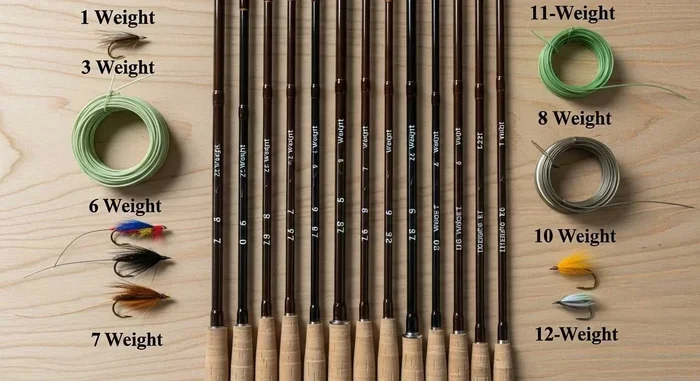
Is a longer fishing pole better or a shorter one? The answer depends on your fishing style, target species, and fishing environment. A longer fishing pole generally offers greater casting distance and better leverage for fighting bigger fish, while a shorter fishing pole provides superior accuracy and easier maneuverability in tight spaces.
Key Takeaways
- Longer rods excel at distance: A longer fishing pole lets you cast farther, making it ideal for reaching deeper waters or targeting species that stay away from the shore.
- Shorter rods offer precision: If you need accuracy over distance, a shorter fishing pole gives you better control, especially in crowded or confined fishing spots.
- Rod power and action matter too: Length is just one factor. The power, action, and material of your fishing rod all play a role in your overall performance.
- Match your rod to your style: Whether you fish in saltwater or freshwater, from a boat or the shore, your pole length should match your specific fishing technique.
- Beginners should start versatile: A medium-length rod around 6.5 to 7 feet is a great all-around choice for those just getting into fishing.
- Practice makes perfect: No matter the length, spending time on the water and practicing your casting technique will always improve your results.
📑 Table of Contents
Why Fishing Pole Length Matters
If you have ever stood on a riverbank or boat and wondered whether your rod is the right size, you are not alone. The question of is a longer fishing pole better or a shorter one comes up constantly among beginners and experienced anglers alike. The truth is that rod length is one of the most important choices you will make when building your fishing setup.
Your fishing pole length affects almost everything. It changes how far you can cast. It influences how accurately you can place your lure. It even determines how well you can fight a strong fish once it is on the line. Understanding these effects helps you make smarter decisions every time you head out to the water.
Think of it this way. You would not run a race in snow boots. You would not cook a steak on a tiny portable stove. The right tool for the job makes everything easier. The same logic applies to fishing rod length. Pick the wrong size and you will struggle. Pick the right one and your fishing improves dramatically.
Benefits of a Longer Fishing Pole
A longer fishing pole typically measures over 7 feet. Many serious anglers prefer rods in the 8 to 10 foot range for specific situations. So what makes a longer rod such a strong choice?
Greater Casting Distance
The biggest advantage of a longer fishing pole is distance. A longer rod loads more energy into your cast. This means your lure flies farther across the water. If you are trying to reach deep spots, far-out reefs, or areas where fish hold at a distance, a long rod gives you a real edge.
This is especially true for surf fishing. Standing on the beach, you often need to cast well beyond the breaking waves. A longer rod helps you put your bait exactly where the fish are feeding. It also works great for bank fishing where you cannot wade or boat out to the good spots.
Better Leverage for Fighting Fish
Longer rods give you more leverage when fighting a big fish. The extra length lets you apply steady pressure over a longer arc. This helps you set the hook firmly and keep the fish under control. You can use braided or mono fishing line more effectively because the rod gives you the backbone to handle strong pulls.
Think of the rod like a lever. The longer the lever, the more force you can apply at the tip. This is why many big-game anglers choose longer rods. They need that power and control when a massive fish takes the line and runs.
Improved Line Control
A longer rod keeps your line higher off the water. This reduces drag and lets your lure move more naturally. It also helps you manage your line during long fights. Less contact with the water surface means fewer tangles and a cleaner presentation overall.
Benefits of a Shorter Fishing Pole
Now let us flip the coin. A shorter fishing pole usually measures under 6.5 feet. Many anglers reach for these compact rods, and for good reason. Sometimes less really is more.
Superior Accuracy
When you need to place your lure in a tiny target zone, a shorter rod shines. Under a dock, beside a fallen tree, or into a narrow cut between rocks, a short rod lets you place your bait with surgical precision. Shorter rods are accuracy machines.
This precision is critical in freshwater fishing. Many bass and panfish hide in tight cover. You need to drop your lure right on top of them. A long rod would overshoot or make the presentation awkward. A short rod keeps you in control.
Better Maneuverability
Shorter fishing poles are easier to handle in tight spaces. If you fish from a kayak, a small boat, or a crowded bank, you know how important it is to move quickly without bumping into things. Short rods fit into these environments perfectly. They are light, nimble, and responsive.
In fact, if you enjoy kayak fishing, shorter rods are often the better choice. They store easily and allow you to cast without hitting the kayak sides. Many anglers who fish from small watercraft swear by compact setups for this exact reason.
Easier for Beginners
If you are new to fishing, a shorter rod is forgiving. It is lighter. It is easier to swing. It does not require as much technique to cast effectively. Beginners can focus on learning the basics like knot tying, hook setting, and reading the water without fighting a long, unwieldy rod.
How to Choose the Right Fishing Pole Length
So, is a longer fishing pole better or a shorter one? The real answer is: it depends. Here are the key factors to think about before you make your choice.
Consider Your Fishing Environment
Where will you fish most often? Open ocean, big lakes, and wide rivers call for longer rods. Small streams, ponds, and crowded banks work better with shorter ones. Your environment shapes your gear more than almost anything else.
For saltwater fishing, longer rods are common. You often need to cast far and fight strong fish. For freshwater fishing in tight spots, shorter rods give you the edge you need.
Think About Your Target Species
Different fish demand different approaches. Big predatory fish like pike, muskie, and large bass often need longer rods for distance and power. Smaller species like panfish, trout, and sunfish respond better to shorter, lighter rods that offer delicacy and accuracy.
Match Your Casting Style
Do you use a baitcaster or a spinning rod? Both can work at various lengths, but longer rods pair especially well with baitcasting setups when you want distance. Spinning setups with shorter rods excel at precise, gentle presentations.
You can also explore more about longer versus shorter fishing rod comparisons to understand the nuances between specific lengths and how they match different fishing techniques.
Power and Action Matter Too
Rod length is only one piece of the puzzle. Rod power refers to how much pressure the rod can handle. Rod action describes where the rod bends. A long rod with the wrong power or action will still perform poorly. Always consider all three factors together: length, power, and action.
Quick Tips for Choosing Rod Length
- Distance fishing: Choose 8 feet or longer.
- General all-around fishing: 6.5 to 7.5 feet works great.
- Accuracy and cover fishing: Go with 5.5 to 6.5 feet.
- Kayak or small boat fishing: Under 6.5 feet is ideal.
- Surf fishing: 9 to 11 feet gives you the reach you need.
Fishing Pole Length for Different Styles
Your preferred fishing style plays a big role in choosing the right rod length. Here is a closer look at how length changes across common fishing scenarios.
Spinning vs. Baitcasting Rods
Spinning rods are usually shorter, ranging from 5.5 to 7.5 feet. They handle lighter lines and lures well. Baitcasting rods tend to be longer, from 6.5 to 9 feet. They handle heavier lines and provide more casting power. Both styles can be effective. It really comes down to what you are fishing for and where.
Ice Fishing Rods
Ice fishing is a whole different world. Rods are very short, often just 2 to 3 feet. You are fishing through a small hole, so long casts are impossible. Short rods let you detect bites quickly and work your lure in the tiny space below the ice. Length here is all about function.
Trolling Rods
Trolling setups are often quite long, sometimes 7 to 9 feet. The extra length helps spread lures far behind the boat and manage the steady pull of trolling. The rod works hard for hours, so it needs to be strong and long enough to handle constant pressure.
Common Mistakes When Choosing Fishing Pole Length
Even experienced anglers sometimes pick the wrong rod length. Here are a few mistakes to avoid.
Buying Based on Looks Alone
A cool-looking rod does not mean it will perform well for your needs. Always think about function first. A long rod looks impressive, but if you fish in a small creek, it is the wrong choice. Pick gear that matches your actual fishing situations.
Ignoring Versatility
Some anglers buy only one rod length and try to make it work for everything. A single rod cannot do it all. Consider having at least two rods: one longer rod for distance and power, and one shorter rod for accuracy and finesse. This covers more situations and improves your chances on the water.
Overlooking Comfort
A rod that is too long or too heavy will tire you out fast. Fishing is supposed to be fun. If your arm is sore after an hour, your rod may be wrong for you. Always hold the rod before buying. Check the balance. Make sure it feels comfortable in your hands. Fishing performance drops fast when you are fighting fatigue.
Forgetting to Practice
Even the best rod length will not help if you do not practice. Spend time on the water working on your casting. Adjust your technique. Learn how different lengths feel during a cast. The more you practice, the more natural the right rod length will feel. Over time, you will develop a feel for what works best in any given situation.
Expert Insights on Rod Length
Professional anglers often say that there is no single best rod length. It is always about matching the tool to the task. Many pros carry a full quiver of rods at tournaments. They swap out rods depending on the situation. A long rod for the first cast to a distant spot. A short rod for working fish in tight structure. The versatility is key.
One common piece of advice is to start with a medium-length all-around rod. Something around 6.5 to 7 feet works well for most situations. From there, you can branch out and add specialized rods as you discover your preferences. This approach keeps things simple while you learn what suits your style best.
Another tip from experienced anglers: pay attention to rod material. Graphite rods are lighter and more sensitive. Fiberglass rods are tougher and more flexible. The material interacts with the length to create the rod’s overall personality. A long graphite rod feels very different from a long fiberglass one. Always test before you commit.
Strong Conclusion
So, is a longer fishing pole better or a shorter one? Now you know the answer is not a simple yes or no. A longer fishing pole gives you distance, leverage, and line control. A shorter fishing pole gives you accuracy, maneuverability, and ease of use. Both have their place on the water.
The best approach is to understand your fishing style, your target species, and your fishing environment. Match your rod length to those factors and you will see a real improvement in your results. Do not be afraid to own multiple rods. Variety is the angler’s best friend.
Whatever you choose, get out on the water and enjoy the process. Fishing is about more than gear. It is about the experience, the challenge, and the quiet moments on the water. Pick the right fishing pole length, practice your skills, and every trip will reward you. Tight lines and happy fishing!
Frequently Asked Questions
Is a 7 foot or 8 foot fishing rod better?
A 7 foot rod is great for general fishing, offering a balance of accuracy and distance. An 8 foot rod gives you more casting distance and leverage for fighting bigger fish. Your choice depends on whether you need precision or power for your fishing situation.
What is the best fishing pole length for beginners?
Beginners should start with a medium-length rod around 6.5 to 7 feet. This size is easy to handle, light enough for long sessions, and versatile enough for most fishing scenarios. As you gain experience, you can add shorter or longer rods to your collection.
Can a shorter fishing pole catch big fish?
Yes, a shorter fishing pole can absolutely catch big fish. While longer rods offer more leverage, a shorter rod with the right power and strong line can handle large species. The key is matching the rod power, action, and line strength to the fish you are targeting.
Does fishing pole length affect casting accuracy?
Yes, fishing pole length has a direct impact on casting accuracy. Shorter rods are more accurate because they are easier to control and place precisely. Longer rods sacrifice some accuracy for distance. If you need to hit a small target, go shorter.
What fishing rod length is best for saltwater fishing?
Saltwater fishing generally calls for longer rods, typically 7.5 to 9 feet or more. Longer rods help you cast far into the ocean, handle strong saltwater species, and manage heavy tackle. Surf fishing especially benefits from rods in the 9 to 11 foot range.
Is it better to use a longer or shorter rod for kayak fishing?
For kayak fishing, a shorter rod is usually better. Kayaks have limited space, and a short rod makes casting and maneuvering much easier. Most kayak anglers prefer rods under 6.5 feet. They store easily and prevent your line from tangling on the kayak. You can learn more about rod choices for small watercraft by checking this guide on shorter rods for kayak fishing.