Is a Glofish Tank a Good Betta Fish Tank
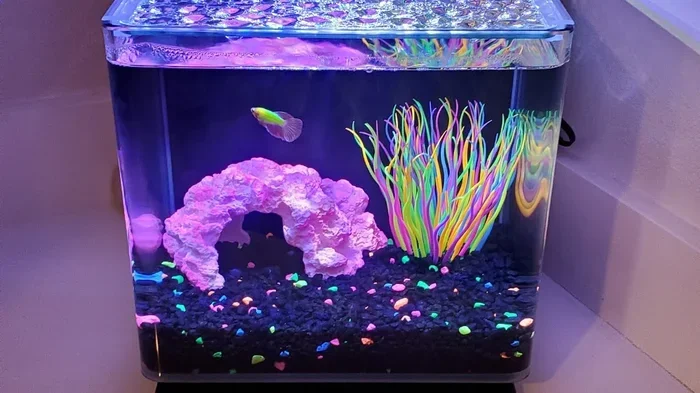
A glofish tank can work for a betta fish, but it comes with important trade-offs. The bright LED lights and colorful décor look stunning, yet they may stress your betta if not set up correctly. Betta fish need gentle flow, stable heat, and soft lighting to truly thrive. This guide breaks down everything you need to know before placing your betta in a glofish-style aquarium.
Is a glofish tank a good betta fish tank? This is a question many fish keepers ask when they fall in love with the glowing, neon look of a glofish aquarium. Glofish tanks are popular. They glow under special lights and look amazing in any room. But betta fish have specific needs that not every tank can meet. The answer is not a simple yes or no. It depends on how you set things up.
In this guide, we will walk through everything you need to know. We will cover tank size, lighting, temperature, filtration, and more. By the end, you will know whether a glofish tank is the right home for your betta.
Let us start with the basics.
A glofish tank is designed to make fish glow. The tanks come with built-in LED lights that shine in bright neon colors. The gravel and decorations often glow too. These tanks look fantastic. They are marketed as fun, colorful aquariums for any home.
But here is the catch. Betta fish do not care about glowing gravel. They care about clean water, gentle flow, and the right temperature. A tank that looks beautiful to us might feel stressful to a betta.
So before you buy a glofish tank for your betta, let us look at the real pros and cons.
The neon glow looks incredible. It can make any room feel lively and fun. Many people love how their glofish tanks light up at night. The bright colors also make the fish stand out beautifully.
Glofish tanks often come as complete kits. This means you get the tank, light, filter, and heater all in one box. For a beginner, this sounds convenient and easy. You do not have to shop for each piece separately.
The built-in LED lights are adjustable. You can dim them or turn them off. This gives you some control over the brightness. But the default setting is often very bright.
Glofish tanks can be small. Many models start at 5 gallons or less. Bettas need space to swim and explore. A tiny tank limits their natural behavior.
The bright lights can stress bettas. In the wild, bettas live in shallow, warm waters with lots of plant cover. They are not used to constant neon glow. Harsh lighting can make them anxious and hide them all day.
Some glofish tanks have strong filters. Bettas are weak swimmers. They do not like fast currents. A powerful filter can tire them out quickly.
Now let us look at what betta fish actually need in a tank.
Betta fish come from Southeast Asia. They live in warm, slow-moving waters like rice paddies and floodplains. Their natural habitat is warm and calm. The water is often shallow but spread out wide.
Bettas need stable water temperatures. The ideal range is between 76°F and 82°F. If the water drops too low, bettas get sick. If it climbs too high, they become stressed. A heater is almost always necessary.
Clean water is non-negotiable. Bettas are sensitive to ammonia and nitrites. Even small amounts can harm them. A good filter helps keep the water clean. But the filter should not create a strong current.
Bettas love to explore. They need enough space to swim around. A cramped tank makes them bored and aggressive. They also like places to hide and rest. Plants and caves give them this comfort.
Soft, natural lighting suits bettas best. They do not need bright neon lights. In fact, too much light can cause stress and encourage algae growth. A gentle light cycle that mimics daylight works great.
Understanding these needs is the first step. Now let us see if a glofish tank can meet them.
Tank size is one of the most important factors. The bigger the tank, the easier it is to keep stable water conditions. Small tanks fluctuate in temperature and chemistry fast. This is bad news for bettas.
Most glofish tanks come in 5-gallon, 10-gallon, or 20-gallon sizes. A 5-gallon tank is the minimum for a single betta. But honestly, a 10-gallon tank gives your betta much more room to thrive. If you can go bigger, do it.
If you are unsure about sizes, check out our guide on What Is A Good Size Tank For A Betta Fish for more details.
Here is a quick comparison of common glofish tank sizes.
- 5 gallons: Works for one betta but offers limited space. Temperature swings happen faster.
- 10 gallons: A good middle ground. More stable water and room to swim.
- 20 gallons: Ideal for a single betta. Easy to maintain and very stable.
Go for the largest tank you can fit. Your betta will be happier and healthier.
Lighting is where glofish tanks really stand out. The built-in LEDs are bright and colorful. They make the tank glow beautifully. But bright light is not always best for bettas.
In their natural habitat, bettas live under dense plant cover. The light that reaches them is filtered and soft. A glofish tank with full-bright LEDs can feel like staring at the sun for them.
The good news is you can adjust the lights. Most glofish tanks let you dim the brightness. You can also set a timer to limit light hours. Aim for 8 to 10 hours of light per day. This mimics a natural day cycle.
Consider adding live or silk plants to your glofish tank. Plants give your betta places to rest and hide. They also help soften the light naturally. This creates a more comfortable environment.
If you want to learn more about lighting choices, read our article on Can You Leave A Betta Fish Tank Light On.
Here are some quick tips for managing light in a glofish tank.
- Dim the lights to 50% brightness or lower for your betta’s comfort.
- Use a timer to keep a consistent 8-10 hour light cycle.
- Turn off the lights at night so your betta can rest.
- Add floating plants like frogbit or salvinia to naturally soften the light.
- Avoid placing the tank in direct sunlight. This can overheat the water and boost algae.
A filter keeps your betta’s water clean. But not all filters are created equal. Bettas hate strong currents. They are not powerful swimmers. A filter that pushes water too hard can exhaust them.
Many glofish tanks come with small hang-on-back filters. These can sometimes be too strong. The good news is you can adjust the flow. Most filters have a valve or flow control. Turn it down to create a gentle current.
Another option is to use a sponge filter. Sponge filters provide excellent biological filtration. They create almost no current at all. This makes them perfect for betta tanks.
If you are wondering about filtration options, our guide on Can You Use A Filter In A Betta Fish Tank covers this topic in depth.
Here is what to look for in a filter for a glofish betta tank.
- Adjustable flow rate. You need to be able to turn the current down.
- Mechanical and biological filtration. This keeps the water clean and safe.
- Small footprint. The filter should not take up too much swimming space.
- Quiet operation. Bettas are sensitive to vibrations and noise.
Clean the filter media regularly. But do not rinse it with tap water. Use tank water instead to preserve the good bacteria. These bacteria are essential for keeping your betta healthy.
Temperature control is critical for bettas. They are tropical fish and need warm water. Most glofish tanks come with a small heater built in. But not all of them are reliable.
Check the heater’s wattage. A 5-gallon tank usually needs a 25-watt heater. A 10-gallon tank needs around 50 watts. The built-in heater in some glofish kits may not be strong enough.
Use a separate thermometer to monitor the water. Do not rely only on the tank’s built-in indicator. A standalone thermometer gives you a much more accurate reading.
If you want to learn more about the ideal temperature range, visit our page on What Is The Best Temperature For A Betta Fish Tank.
Here are some temperature tips for your glofish betta tank.
- Keep the water between 76°F and 82°F at all times.
- Avoid placing the tank near windows or vents. Temperature swings are dangerous.
- Use a reliable heater with a thermostat. This keeps the temperature steady.
- Do a partial water change weekly. This helps maintain stable conditions.
Temperature stability is just as important as the right temperature. A betta that swings between hot and cold will get sick.
Setting up a glofish tank for a betta takes a little extra thought. But it is absolutely doable. Here is a simple step-by-step plan to get you started.
Step 1: Choose the right tank size. Go for at least 10 gallons if possible. This gives your betta room and keeps the water stable.
Step 2: Install a gentle filter. Adjust the flow to the lowest setting. Your betta should be able to swim comfortably without fighting the current.
Step 3: Add a reliable heater. Set it to 78°F. Use a separate thermometer to confirm the temperature.
Step 4: Set up soft lighting. Dim the glofish LEDs or limit their use to 8-10 hours a day. Add plants to break up the light.
Step 5: Add substrate and decorations. Use smooth gravel or sand. Avoid sharp decorations that could tear your betta’s fins.
Step 6: Cycle the tank before adding your betta. This takes about 2 to 4 weeks. It builds up beneficial bacteria that keep the water safe.
Step 7: Add your betta slowly. Float the bag in the tank for 15 to 20 minutes. Then gradually mix tank water into the bag. This helps your betta adjust to the new water.
Following these steps gives your betta the best chance to thrive.
One of the biggest mistakes people make is over-decorating. Glofish tanks come with bright, colorful gravel and ornaments. It is tempting to fill the tank with them all. But bettas need open swimming space. Too many decorations block their path and increase stress.
Another common mistake is ignoring water changes. Even with a filter, waste builds up over time. Do a 25% water change every week. Use treated water that is the same temperature as the tank.
Skipping the tank cycle is a serious error too. Adding a betta to an uncycled tank exposes them to deadly ammonia. Always cycle first.
Overfeeding is also a hidden danger. Bettas only need a small pinch of food once or twice a day. Extra food rots in the water and fouls it fast.
Finally, do not skip the lid. Bettas are jumpers. A glofish tank without a lid can mean a lost fish. Make sure the lid fits snugly and has some airflow.
Now let us answer some common questions.
Can bettas live in a glofish tank long-term? Yes, they can. As long as the tank is at least 10 gallons, the temperature is stable, and the lighting is not too harsh, your betta can live a happy life in a glofish-style setup. The key is creating a comfortable environment that matches their natural needs.
Are glofish tanks safe for betta fish? They can be safe if you make a few adjustments. Dim the lights, ensure gentle filtration, and maintain stable temperatures. The glowing decorations and bright base colors are fine, but your betta’s comfort always comes first.
What is the best glofish tank size for a betta? A 10-gallon glofish tank is the sweet spot. It offers enough space for your betta to swim freely while keeping water parameters stable. If you can manage a 20-gallon tank, even better.
Do bettas like the bright lights in glofish tanks? No, bettas generally prefer soft, dim lighting. The bright neon LEDs in glofish tanks can be stressful. Always dim the lights or limit their use to mimic a natural day and night cycle.
Can you keep other fish with a betta in a glofish tank? It depends on the tank size and the other fish’s temperament. Bettas can be territorial. In a small glofish tank, adding other fish is risky. In a larger tank with plenty of hiding spots, some peaceful species may work.
How often should you change the water in a glofish betta tank? Do a 25% water change every week. This removes waste and keeps the water fresh. Always use water conditioner and match the temperature of the new water to the tank.
A glofish tank can be a good home for a betta fish, but only with the right setup. The bright neon glow and colorful décor make these tanks beautiful. But bettas need gentle flow, warm stable water, soft lighting, and enough space to thrive.
If you are willing to make adjustments — dimming the lights, adding plants, using a gentle filter, and keeping up with water changes — your betta can live a happy and healthy life in a glofish tank. The glowing look of the tank does not have to come at the cost of your fish’s well-being.
Remember, the best tank for your betta is one that meets their needs first and looks great second. Take your time to set things up properly. Your betta will thank you with vibrant colors and active, joyful behavior.
Before you go, consider exploring more about what makes a good betta fish tank to ensure you are giving your fish the best possible home.
Key Takeaways
- Glofish tanks use intense LED lighting that can be too harsh for betta fish if not adjusted properly.
- Tank size matters greatly — a larger glofish tank gives your betta more room to swim and explore.
- Betta fish need stable warm temperatures around 76–82°F, which a glofish tank must be able to maintain.
- A good filter is essential for keeping water clean, but it should have a gentle flow that suits betta fish.
- Decorations in glofish tanks can block swimming space and stress bettas if overdone.
- Not all glofish tank setups work for bettas — careful planning makes the difference between success and failure.
- Consider a standard aquarium with LED lights as a simpler and safer alternative for betta fish.
Frequently Asked Questions
What is is a glofish tank a good betta fish tank?
is a glofish tank a good betta fish tank is an important topic with many practical applications.