Can a Blue Betta Fish Turn Red
Blue bettas can appear to turn red, but true color change is rare and usually linked to genetics, stress, or lighting. Understanding the factors that affect betta coloration helps you keep your fish healthy and showcase its natural beauty.
Key Takeaways
- Genetics set the base palette: A blue betta’s DNA determines whether red can appear.
- Stress can cause temporary fading or reddening: Poor water, temperature swings, or bullying may alter colors.
- Lighting matters: LED or natural light can make blues look greener or reds more vivid.
- Diet influences pigment expression: Foods rich in carotenoids boost reds and oranges.
- True color change is uncommon: Most “red” shifts are illusion or temporary stress responses.
- Regular tank maintenance prevents color loss: Clean water and stable conditions keep colors bright.
- Know when to seek help: Sudden, permanent color loss may signal disease.
📑 Table of Contents
Introduction: Why the Color Question Pops Up
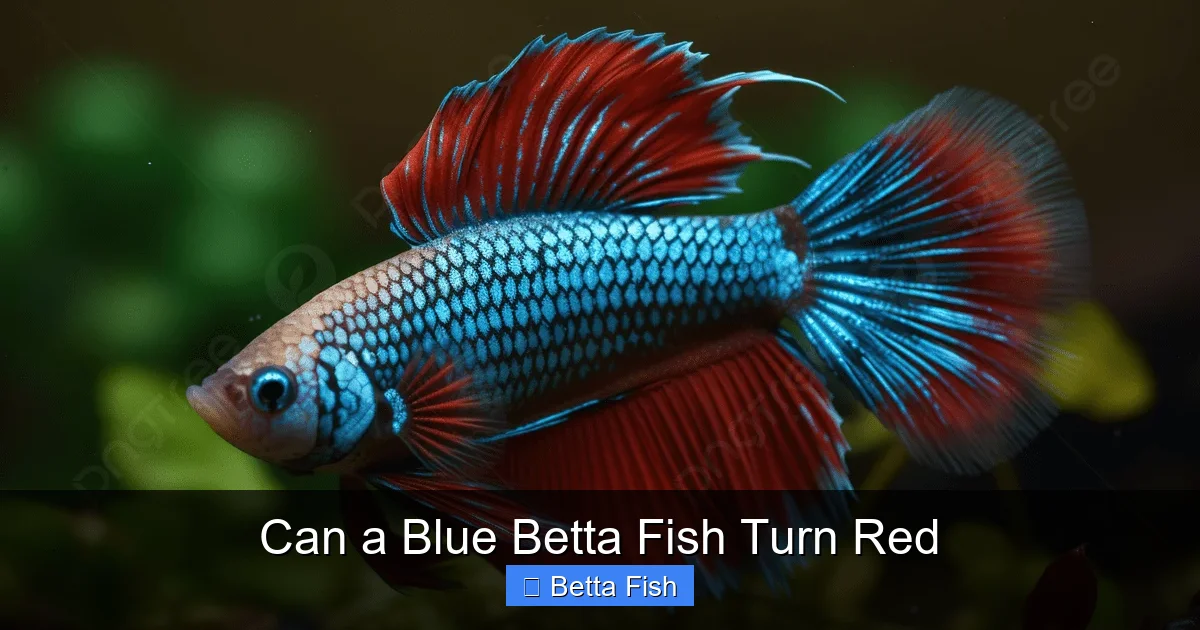
If you’ve ever watched a blue betta flash its fins, you might have noticed that under certain lights the fish seems to take on a reddish hue. It’s a common curiosity among hobbyists: Can a blue betta fish turn red? The short answer is “sometimes, but not in the way many expect.”
In this article we’ll break down the science of betta pigmentation, explore the environmental tricks that make colors appear to shift, and give you practical tips to keep your betta looking its best. Think of it as a friendly chat over a cup of tea, with plenty of easy‑to‑follow advice.
1. The Genetics Behind Betta Coloration
What determines a betta’s original hue?
Betta splendens inherit their colors from two main pigment groups:
Visual guide about Can a Blue Betta Fish Turn Red
Image source: bettafish.org
- Melanophores – produce black and brown tones.
- Xanthophores and erythrophores – create yellows, oranges, and reds.
- Iridophores – reflect light, giving blues, greens, and metallic sheens.
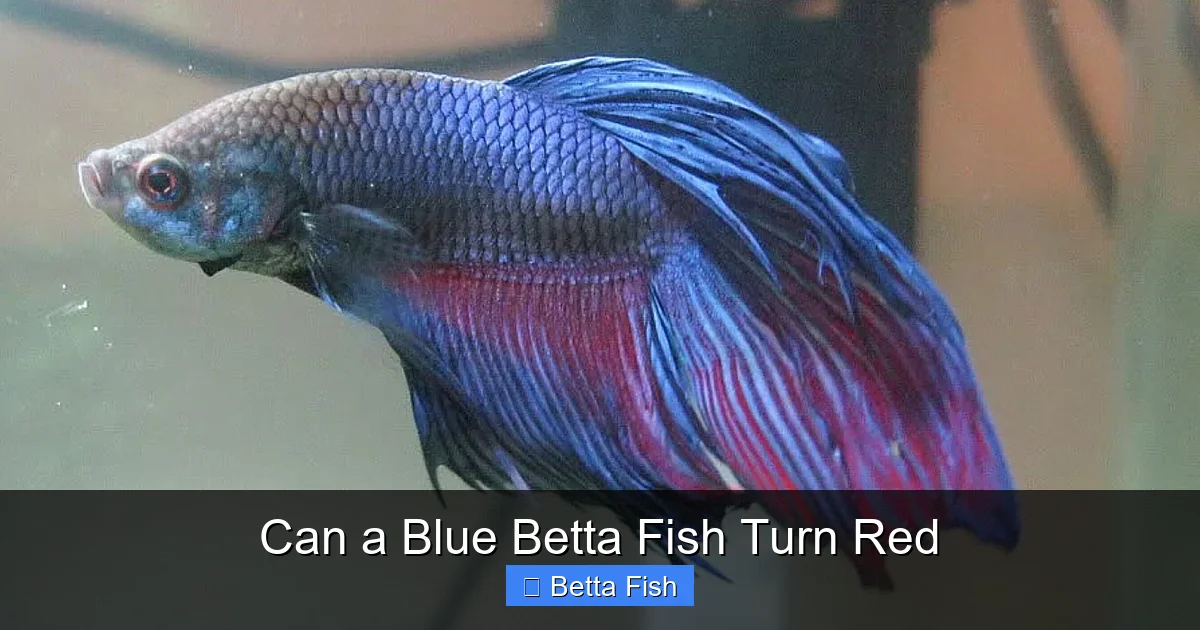
A blue betta has a high concentration of iridophores that reflect short‑wave light, while red pigments (erythrophores) are limited or absent. The genetic blueprint decides how many of each cell type the fish will develop.
Can a blue betta’s genes switch to red?
Generally, no. Once a betta is bred for a blue phenotype, the genes that produce strong red pigments are turned off. However, some “blue‑red” hybrids exist, where a small amount of red pigment is hidden beneath the blue sheen. Under the right lighting, that hidden red can peek through, giving the illusion of a color change.
Internal link example
For those wondering about mixing bettas with other species, see our guide on what fish can live with a male betta for compatible tank mates.
2. Environmental Factors That Trick the Eye
Lighting: The biggest illusion‑maker
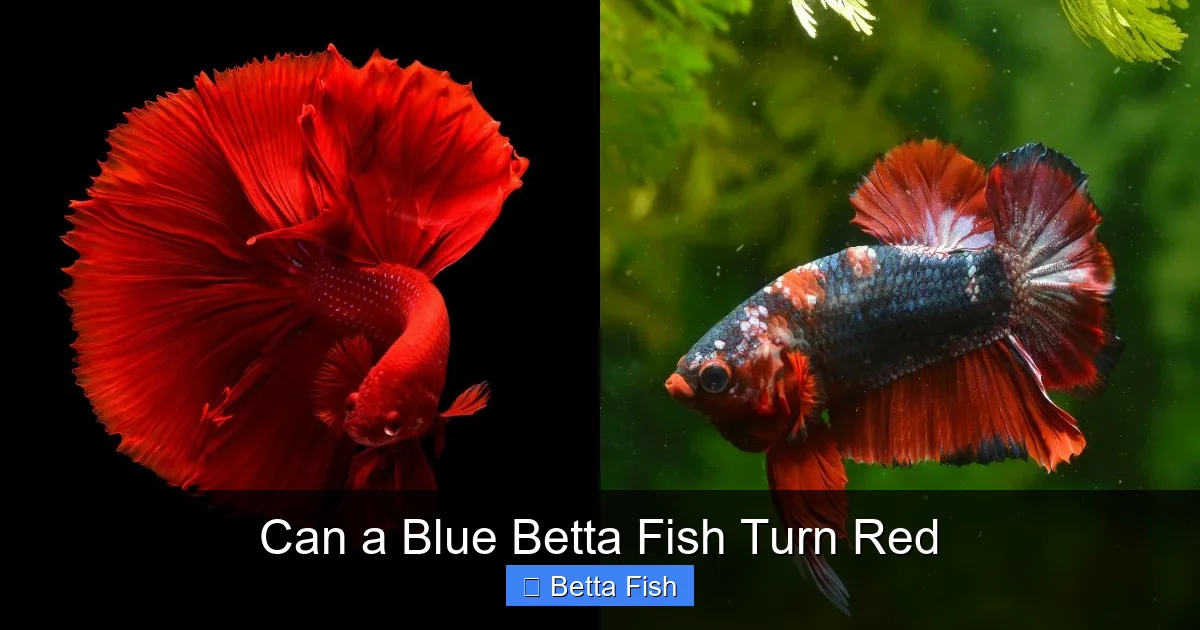
LED lights that emphasize the red spectrum can make any betta appear warmer. Conversely, cool‑white bulbs highlight blues and greens. If you move your tank from a dim corner to a sunny windowsill, the same fish might look dramatically different.
Visual guide about Can a Blue Betta Fish Turn Red
Image source: online-field-guide.com
Water Quality and Temperature
Stress from poor water (high ammonia, low pH) can cause a betta’s colors to fade or shift. A stressed blue betta may lose its intensity, and the underlying red pigments—if any—can become more visible. Maintaining a stable temperature around 78°F (25.5°C) helps keep pigments stable.
Diet’s Role in Color Expression
Carotenoids found in foods like brine shrimp, bloodworms, and specially formulated “color‑enhancing” pellets boost red and orange hues. Even a blue betta given a carotenoid‑rich diet may develop a subtle pinkish tint over weeks.
Practical tip
Try adding a pinch of natural shrimp or a high‑carotenoid pellet once a week. Watch for a gentle pink glow along the fins—this is a normal enhancement, not a permanent color change.
3. When Red Is a Warning Sign
Health issues that cause color loss
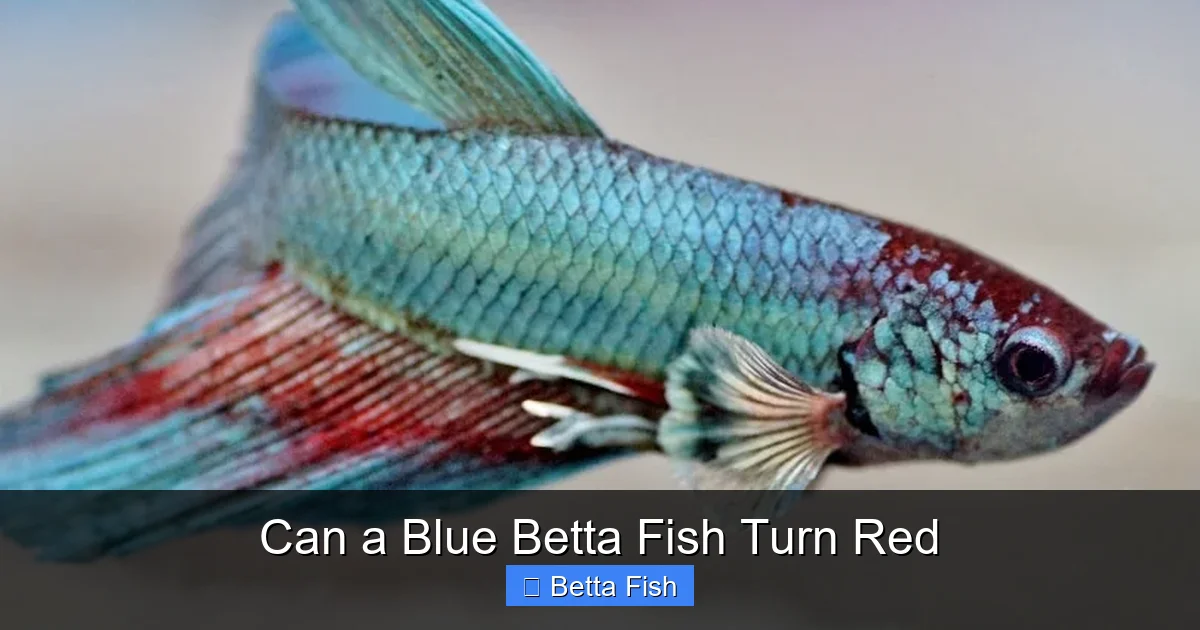
Sudden, permanent dulling or a reddish “blotch” can indicate disease. Common culprits include:
Visual guide about Can a Blue Betta Fish Turn Red
Image source: hepper.com
- Fin rot – bacteria eat away at the tissue, leaving ragged, often pink edges.
- Velvet disease – a parasitic infection that gives the fish a dusty, gold‑red sheen.
- Stress from bullying – aggressive tank mates can cause a betta to lose its vibrant blue and appear washed out.
Spotting the difference
If the red looks uneven, fuzzy, or is accompanied by lethargy, act quickly. Perform a water test, improve filtration, and consider a mild antibacterial treatment.
Internal link example
Need ideas for peaceful companions? Check out can a male betta live with other fish for safe options.
4. Practical Steps to Enhance or Preserve Color
Set up the ideal tank
Use a 5‑gal (or larger) aquarium with a gentle flow filter. Add live plants or silk plants to reduce stress. Keep the water at 78°F and a pH between 6.5‑7.5.
Lighting tricks
Install a full‑spectrum LED that offers both cool and warm settings. Switch between them to showcase the betta’s natural blues during the day and a warmer glow at night, which can bring out hidden reds without altering genetics.
Feeding routine
Feed high‑quality betta pellets once daily, supplemented with a few frozen or live foods twice a week. Avoid overfeeding; excess waste degrades water quality and can dull colors.
Regular maintenance
Change 25% of the water weekly, clean the substrate, and test parameters. Clean water equals bright colors.
When to consider a color‑enhancing supplement
Commercial carotenoid powders can be mixed into food. Use sparingly—once a month is enough to give a subtle boost without over‑pigmenting.
5. Myths and Misconceptions
Myth: “Blue bettas turn red as they age.”
Age can cause a slight fading, but it won’t turn a true blue into a solid red. Older bettas may show more muted tones, which some interpret as a color shift.
Myth: “Changing the water to tap will make them red.”
Tap water can affect pH and hardness, influencing pigment expression, but it won’t cause a dramatic color overhaul. In fact, untreated tap water can stress the fish, leading to dulling.
Myth: “Putting a betta in a bowl makes it turn red.”
Bowl living often leads to poor water quality, which stresses the fish and can cause fading. For a healthy, vibrant betta, a properly sized tank is essential. Learn more about bowl considerations in our article on can you keep betta fish in a bowl.
Conclusion: Embrace the True Colors
While a blue betta may look reddish under certain lights or after a diet boost, its core genetics keep it fundamentally blue. Most “color changes” are temporary responses to environment, stress, or nutrition. By providing stable water, proper lighting, and a balanced diet, you’ll help your betta display its natural brilliance—blue, with perhaps a hint of pink, but rarely a full red transformation.
Enjoy watching your betta’s fins flutter, and remember that a happy, healthy fish is the best canvas for any color the nature gave it.
Frequently Asked Questions
Can a blue betta fish actually become a solid red?
Not under normal circumstances. Genetics lock the primary color, so a true blue betta won’t turn solid red without hybrid breeding.
Why does my blue betta look red under my aquarium lights?
The light spectrum can emphasize hidden red pigments or make blues appear greener, giving the illusion of a red hue.
Can diet make a blue betta appear more reddish?
Yes. Foods high in carotenoids can add a pinkish tint to the fins, especially if the fish already has a small amount of red pigment.
Is a change in color a sign of illness?
Sudden, uneven or blotchy red areas often indicate disease or stress. Check water quality and look for other symptoms.
Will moving my betta to a larger tank affect its color?
A larger, well‑filtered tank reduces stress, which usually helps colors stay bright rather than change dramatically.
How often should I change the water to keep my betta’s colors vivid?
Changing 25% of the water weekly and monitoring parameters keeps the environment stable, supporting vibrant coloration.