Is a Glass or Plastic Fish Tank Better
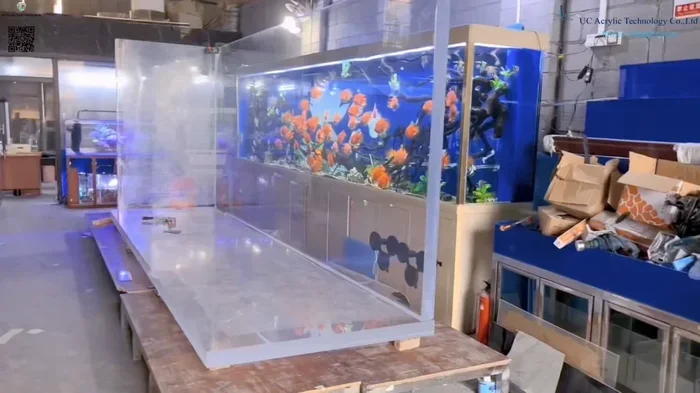
A glass or plastic fish tank can be a great home for your betta. Glass provides excellent clarity and scratch resistance, while plastic is lightweight and tough. Pick the material that fits your budget and lifestyle.
Choosing the right home for your betta fish is exciting. One of the first decisions you face is the tank material. Should you go with a classic glass aquarium or a lightweight plastic tank? Both options have loyal fans, and each brings something different to the table. This guide breaks down the real differences between glass and plastic. You will learn about clarity, durability, cost, and how each material affects your betta’s health. By the end, you will know exactly which glass or plastic fish tank fits your setup and your fish.
Your betta needs more than just water. It needs a safe, comfortable environment that mimics its natural habitat. The tank material plays a bigger role than many new owners realize. Glass offers a crystal-clear view and resists scratches. Plastic can survive drops and is easy to carry. We will explore these traits in depth. We will also look at maintenance, heat retention, and long-term value. Whether you are setting up a tiny desktop tank or a larger aquarium, this article has you covered.
Now let us dive into the details.
Key Takeaways
- Glass tanks offer superior optical clarity: They scratch less easily and stay clearer over time, making your betta fish stand out.
- Plastic tanks are nearly indestructible: They won’t shatter if dropped, which is perfect for busy households or kids.
- Weight matters: Glass is heavy when full, so plastic is easier to move and place on weak shelves.
- Cost varies: Basic plastic tanks are cheaper, but high-quality glass can be a long-term investment.
- Heat retention differs: Glass loses heat faster, while plastic insulates slightly better, affecting betta tank temperature.
- Maintenance is similar: Both need regular cleaning, but plastic can scratch and cloud over time.
📑 Table of Contents
Choosing Between a Glass or Plastic Fish Tank
The Role of Tank Material in Betta Health
The material you choose affects water stability, light penetration, and even the way your betta displays its colors. A glass or plastic fish tank can both provide a healthy home if you select the right grade and maintain it properly. High-quality glass does not leach chemicals, and it offers a stable surface for beneficial bacteria. Plastic tanks made from food-grade acrylic or polycarbonate are also safe. If you are wondering whether a betta can thrive in a plastic tank, the answer is yes—provided the plastic is free of harmful coatings and you cycle the tank before adding your fish.
Quick Tip: Check the Rim Seal
Before you buy any tank, inspect the rim seal. A tight seal prevents leaks and keeps the water level stable. Glass tanks usually have silicone seals that last for years. Plastic tanks may use snap-on frames. Run your finger along the edges to feel for gaps. A small leak today can become a big mess tomorrow. This simple check saves you from accidental spills and keeps your betta safe.
Glass Fish Tanks: Pros and Cons
Optical Clarity and Scratch Resistance
Glass is the gold standard for clarity. It stays transparent for years and does not yellow under normal lighting. Glass also resists scratches far better than plastic. You can use a magnetic algae cleaner without worrying about micro-scratches that cloud the view. This means you will always see your betta fish in sharp detail. The true colors of your fish pop through the glass, making the tank a beautiful focal point in any room.
Weight and Installation Challenges
The biggest downside of glass is weight. A full glass tank can weigh over 10 pounds per gallon. A 10-gallon glass aquarium can feel like carrying a small bowling ball. You need a sturdy, level surface to place it on. If you are unsure about the right size for your space, read our guide on the best tank size for a betta fish to plan your setup safely.
Common Mistakes with Glass Tanks
- Placing the tank on a weak shelf that bows over time.
- Using abrasive cleaners that strip the protective coating.
- Skipping the drip tray, which can damage furniture.
- Moving a full tank without emptying it first.
Expert Insight: Why Many Breeders Prefer Glass
Many experienced breeders stick with glass because it does not scratch easily and provides the truest color view of the fish. They also love that glass does not hold heat as strongly, making temperature adjustments easier. A glass tank gives a clean, professional look that lasts a decade or more with proper care.
Plastic Fish Tanks: Pros and Cons
Lightweight and Impact Resistance
Plastic tanks are a dream for anyone who moves setups often. They weigh a fraction of glass and will not shatter if bumped. This makes them ideal for kids, dorm rooms, or crowded shelves. A small plastic tank is easy to relocate for cleaning or redecorating. If you want a portable option, consider a 5 gallon tank made of high-impact plastic. It is light enough to carry with one hand when empty.
Scratch-Prone Surface and Cloudiness
Plastic scratches much more easily than glass. Even a soft gravel vacuum with a hard plastic edge can leave marks. Over time, those scratches scatter light and make the tank look cloudy. You may also notice a film on your betta fish tank, which builds up faster on scratched plastic surfaces. Why does a film form? Bacteria and organic residues cling to micro-scratches, giving the water a hazy appearance. Regular gentle cleaning helps, but the scratches remain.
Quick Tip: Choose Hard Plastic Grades
Look for tanks made from polycarbonate or cast acrylic. These materials resist cracking and yellowing far better than cheap styrene. Read the product description for terms like “high-impact” or “UV-resistant.” Spending a little more on quality plastic saves you from replacing the tank every year.
Common Mistakes with Plastic Tanks
- Using abrasive scrub pads that create permanent scratches.
- Placing the tank in direct sunlight, which warps thin plastic.
- Over-tightening decorations that stress the seams.
- Ignoring the yellowing effect that UV light causes over months.
Glass vs Plastic: Head-to-Head Comparison
| Feature | Glass | Plastic |
|---|---|---|
| Clarity | Excellent, stays clear for years | Good, can yellow over time |
| Scratch Resistance | High | Low |
| Weight | Heavy | Lightweight |
| Durability | Breaks if dropped | Nearly indestructible |
| Heat Retention | Loses heat faster | Insulates slightly better |
| Cost | Higher upfront | Lower upfront |
The table shows that no single material wins in every category. Glass wins on clarity and longevity. Plastic wins on safety and portability. Your choice depends on where you plan to keep the tank and how much handling it will see.
Best Tank Size for a Betta Fish
Minimum Tank Size Recommendations
A single betta needs at least 5 gallons of water to thrive. Smaller tanks cause stress and make water parameters fluctuate fast. If you are new to betta keeping, a 5-gallon glass or plastic tank gives you room to grow. For more guidance, check out our article on is a 5 gallon tank good for a betta fish. The answer is a resounding yes, as long as you add a heater and a filter.
How Material Affects Tank Size Options
Glass is available in larger sizes, often up to 55 gallons or more. Plastic tanks are most common in smaller desktop sizes, usually under 20 gallons. If you want a large planted aquarium for your betta, glass is the practical choice. Plastic works best for compact, mobile setups where you want to move the tank for cleaning or redecorating.
Maintenance and Long-Term Care
Cleaning Glass vs Plastic
Glass tanks accept almost any aquarium-safe cleaner and scrubbing pad. You can use a magnetic cleaner every week without worrying about damage. Plastic tanks need a soft microfiber cloth or a non-abrasive sponge. Never use a scouring pad on plastic. The goal is to remove algae without creating new scratch sites. A clean tank keeps your betta healthy and your view crystal clear.
Preventing Scratches on Plastic
Use a soft-bristled gravel vacuum designed for plastic surfaces. Avoid dragging sharp decorations across the bottom. If you need to move the tank, empty it completely and carry it with both hands. Small precautions add up to years of scratch-free viewing.
Expert Insight: Dealing with Algae
Algae grows on both glass and plastic, but glass is much easier to scrape. A single pass with a razor blade (carefully angled) removes tough algae from glass without scratching. On plastic, you must use a magnetic scrubber or a soft brush. Regular water changes and proper lighting hours keep algae growth under control on either material.
Final Verdict: Which Is Better?
There is no single winner. A glass or plastic fish tank can both provide a happy, healthy life for your betta. Choose glass if you want a permanent, crystal-clear display that you will not need to move often. Choose plastic if you need a lightweight, drop-safe option that you can relocate easily. For most betta owners, a 5- to 10-gallon glass tank offers the best balance of clarity, stability, and value. But if you live in a dorm, have young children, or travel often, a quality plastic tank is a smart and safe alternative. The best tank is the one you will maintain consistently and enjoy watching every day.
Frequently Asked Questions
Can a betta fish live in a plastic tank?
Yes, betta fish can live in plastic tanks as long as the plastic is food-grade and free of harmful chemicals. Many owners successfully keep bettas in high-quality acrylic or polycarbonate tanks. Just ensure the tank is properly cycled and cleaned before introducing your fish.
How often should I clean a glass fish tank?
You should do a partial water change every one to two weeks. Use a gravel vacuum to remove debris without disturbing the beneficial bacteria. Glass tanks are easy to wipe clean, which makes maintenance quick and straightforward.
Is a 5 gallon tank enough for a betta fish?
A 5 gallon tank is the minimum recommended size for a single betta. It provides enough space for swimming and stable water parameters. If you want your betta to truly thrive, consider going larger with a 10 gallon tank.
Why does my plastic fish tank turn cloudy?
Plastic tanks can turn cloudy due to scratches that trap bacteria and algae. Over time, the surface may also yellow from UV exposure. Use only soft cleaning pads and avoid abrasive products to keep the plastic clear and transparent.
Which material retains heat better for a betta tank?
Glass loses heat faster than plastic, especially in cooler rooms. Plastic insulates slightly better, helping to maintain a stable temperature. However, both benefit from a reliable heater and a snug tank lid to reduce heat loss.
Can I use a gravel vacuum on a plastic tank?
Yes, but you must use a soft-bristled vacuum designed for plastic surfaces. Hard metal edges can scratch the tank and create spots where algae grow. Always choose gentle tools for plastic aquariums to preserve the surface.