Is a Filter Necessary for a Betta Fish
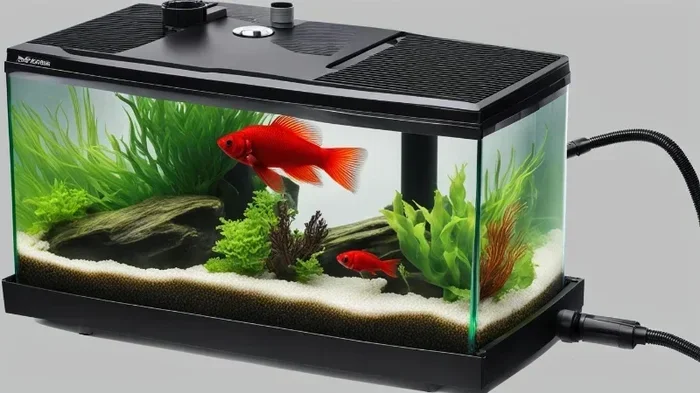
Yes, a filter is necessary for a betta fish tank. A filtration system keeps water clean, removes harmful toxins like ammonia, and supports beneficial bacteria that your betta needs to thrive. Choosing a gentle filter with adjustable flow is the key to a happy and healthy betta.
Keeping a betta fish is one of the most rewarding experiences for any aquarium lover. These colorful fish are beautiful, hardy, and full of personality. But here is a question every betta owner must answer: is a filter necessary for a betta fish?
The short answer is yes. A filtration system plays a vital role in keeping your betta healthy and comfortable. Without proper water quality, even the toughest betta can fall ill. In this guide, we will walk you through everything you need to know about filters for betta fish, including why they matter, which type to choose, and how to set one up the right way.
Key Takeaways
- Filters are essential: They maintain clean water and remove toxic waste that can harm your betta fish.
- Gentle flow matters: Bettas prefer slow water movement, so a sponge filter or adjustable filter is ideal.
- Tank size affects filter choice: The right filtration system depends on your tank size and setup.
- You cannot skip filtration: Even with regular water changes, a filter provides continuous water quality support.
- Biological filtration is key: A good filter grows beneficial bacteria that break down harmful substances naturally.
- Watch for signs of too much flow: If your betta struggles to swim or hides often, the filter may be too strong.
📑 Table of Contents
- Why Is a Filter Important for Betta Fish?
- What Type of Filter Is Best for a Betta Fish?
- Can a Filter Be Too Strong for a Betta Fish?
- How Does Filter Size Relate to Tank Size?
- How Often Should You Clean Your Betta Filter?
- Do You Still Need Water Changes if You Have a Filter?
- Common Mistakes to Avoid When Using a Filter for Betta Fish
- Final Thoughts
Why Is a Filter Important for Betta Fish?
Many people think bettas are low-maintenance fish that can survive in a simple bowl. That is a common myth. Bettas need clean, well-oxygenated water to stay healthy. A filter helps do that job every single day.
Here is what a filtration system does for your betta:
- Removes harmful toxins: Fish waste, leftover food, and decaying plants produce ammonia. Even small amounts of ammonia can be deadly. A filter traps and breaks down these toxins before they build up.
- Supports beneficial bacteria: Inside your filter, beneficial bacteria grow and convert harmful chemicals into less toxic substances. This natural process is called the nitrogen cycle.
- Keeps water clear: A filter removes debris and particles that make water look cloudy. Clear water is not just pretty, it also means a healthier environment for your betta.
- Improves oxygen levels: As water passes through the filter, it increases surface agitation. This helps oxygen dissolve into the water, which your betta needs to breathe.
Without a filter, you would need to perform water changes almost every day to keep ammonia levels safe. That is a lot of work and still not as reliable as a good filtration system.
What Happens Without a Filter?
Some betta owners wonder if they can skip the filter entirely. You can find articles like Can You Keep Betta Fish Without A Filter that discuss this topic in detail. The truth is, a fish can survive without a filter in a very small tank, but it requires constant attention and frequent water changes. Over time, waste builds up fast, and water parameters can swing wildly. This puts enormous stress on your betta and shortens its lifespan.
A filter gives you peace of mind. It works silently in the background, keeping your betta’s habitat stable and safe around the clock.
What Type of Filter Is Best for a Betta Fish?
Not all filters are created equal. Some are too powerful for a betta’s gentle nature. Others are just right. Let us look at the best options for a betta fish tank.
| Filter Type | Flow Rate | Best For | Noise Level |
|---|---|---|---|
| Sponge Filter | Very gentle | Small tanks, betta tanks | Silent |
| Hang-On-Back Filter | Adjustable | Medium to large tanks | Low to moderate |
| Internal Filter | Gentle to moderate | Small to medium tanks | Low |
| Canister Filter | Strong | Large tanks (not ideal for bettas) | Moderate |
The sponge filter is widely considered the best choice for bettas. It provides excellent biological filtration with a very soft water flow. Your betta can swim freely without being pushed around by strong currents.
If you prefer a hang-on-back filter, look for one with an adjustable flow valve. This lets you reduce the current to a level your betta is comfortable with. You can learn more about choosing the right one in our article on A Good Filter For Betta Fish.
Sponge Filter: The Top Pick for Bettas
A sponge filter sits inside the tank and draws water through a porous sponge. Air pumps push water through the sponge, which traps waste and grows beneficial bacteria. The result is gentle, effective filtration that your betta will love.
Here are some reasons to love a sponge filter:
- Almost silent operation
- Very affordable and easy to maintain
- Provides both mechanical and biological filtration
- Safe for baby bettas and shrimp too
- No strong water circulation to stress your fish
Adjustable Hang-On-Back Filters
If you have a larger tank, a hang-on-back filter can work well. The key is to choose one with an adjustable flow rate. Many models let you dial back the output so the water enters the tank gently. This is especially important if your betta has long fins, like a crown tail or halfmoon variety.
Also, make sure the filter intake has a sponge cover. Bettas are curious and sometimes their fins can get caught in the intake tube. A sponge cover prevents this safely.
Can a Filter Be Too Strong for a Betta Fish?
Yes, it absolutely can. While every betta needs a filter, not every filter suits every betta. Water flow that is too fast can cause stress, exhaustion, and even injury. Bettas are not strong swimmers. They prefer calm, still water with gentle movement.
Watch for these signs that your filter flow is too strong:
- Your betta struggles to swim or stays near the bottom
- The fish hides behind decorations or refuses to come out
- You notice your betta is breathing rapidly
- Long fins get tattered or torn from constant current
If you see these signs, reduce the flow or switch to a gentler filter type. You can read more about this in our detailed guide on Can A Filter Be Too Strong For A Betta Fish.
How to Reduce Filter Flow
There are several easy ways to weaken the current in your tank:
- Adjust the flow valve: Most filters have a valve on the outflow tube. Turn it down to reduce water movement.
- Point the output at the wall: Direct the water flow toward the tank wall instead of into the open water. This diffuses the current.
- Add a sponge pre-filter: Cover the intake with a small sponge. This slows the draw and protects your betta.
- Use a sponge filter: These naturally create very gentle flow and are the safest option for bettas.
Finding the right balance is important. Your betta should be able to swim comfortably without fighting the current. A relaxed betta is a healthy betta.
How Does Filter Size Relate to Tank Size?
Choosing the right filter also means matching it to your tank size. A filter that is too small will not clean the water effectively. A filter that is too large may create excessive flow. The goal is to find a balance that fits your setup perfectly.
As a general rule, choose a filter rated for a tank size slightly larger than yours. For example, if you have a 5-gallon tank, look for a filter rated for 10 gallons. This gives you room to adjust the flow downward while still getting effective filtration.
If you are not sure what tank size works best for your betta, check out our article on What Is The Best Tank Size For A Betta Fish for detailed guidance.
Filter Flow Rate Explained
Filter flow rate is measured in gallons per hour (GPH). You want the filter to turn over the entire tank volume about 4 to 5 times per hour. So for a 5-gallon tank, you need a filter with a flow rate of 20 to 25 GPH. But remember, you can always reduce the flow with a valve or baffle.
The real goal is clean water without stressing your fish. This is why many betta keepers prefer sponge filters. They provide steady biological filtration at a flow rate that feels like a gentle breeze to your betta.
How Often Should You Clean Your Betta Filter?
A filter needs regular maintenance to work properly. But here is the important part: you should never rinse all the filter media at once. The sponge and filter media house beneficial bacteria that keep your tank safe.
Follow these simple steps for filter maintenance:
- Once a month, remove the filter media from the tank.
- Rinse the media in old tank water (not tap water). Tap water contains chlorine that kills beneficial bacteria.
- Gently squeeze the sponge to remove trapped debris.
- Never replace all filter media at the same time. Replace one piece at a time, waiting at least two weeks between changes.
- Check the air pump and tubing for any clogs or wear.
Keeping your filter clean ensures it continues to maintain excellent water quality without disrupting the nitrogen cycle. A well-maintained filter can last for years with basic care.
Quick Tips for Filter Maintenance
- Set a monthly reminder to check your filter
- Always use tank water, not tap water, when rinsing media
- Keep a spare sponge filter ready in case you need to replace one
- Watch for changes in water clarity, which may signal a clogged filter
Do You Still Need Water Changes if You Have a Filter?
Yes, absolutely. A filter does not replace the need for regular water changes. While a filter removes waste and toxins continuously, it cannot eliminate all dissolved compounds. Over time, nitrates and other substances build up in the water, even with a filter running.
A good routine is to change 20 to 25 percent of the tank water every one to two weeks. This keeps water parameters stable and gives your betta a fresh, clean environment. Use a water conditioner to remove chlorine and chloramine from tap water before adding it to the tank.
Think of the filter as your first line of defense and water changes as a helpful backup. Together, they create the ideal betta fish habitat where your fish can thrive.
Common Mistakes to Avoid When Using a Filter for Betta Fish
Even experienced fish keepers make mistakes with filtration. Here are the most common ones to watch out for:
- Using a filter that is too powerful: This is the number one mistake. A strong current will stress your betta and make it hard for them to rest comfortably.
- Skipping filter maintenance: A dirty filter loses its effectiveness. Clogged media reduces water flow and can even release trapped waste back into the tank.
- Rinsing filter media with tap water: Chlorine in tap water kills the beneficial bacteria you need. Always use old tank water for rinsing.
- Overloading the filter with media: Stuffing too much media into the filter can restrict water flow and reduce efficiency. Follow the manufacturer’s guidelines.
- Ignoring the intake tube: A bare intake tube can trap your betta’s fins. Always use a sponge pre-filter or intake cover.
Avoiding these mistakes will save you time, money, and most importantly, keep your betta safe and comfortable.
Final Thoughts
So, is a filter necessary for a betta fish? The answer is a clear yes. A proper filtration system is one of the most important investments you can make for your betta’s health and happiness. It keeps the water clean, supports the nitrogen cycle, and creates a stable environment that mimics your betta’s natural habitat.
Choose a gentle filter like a sponge filter or an adjustable hang-on-back model. Match the filter to your tank size and always keep an eye on the water flow. With the right filter and a little regular maintenance, your betta will live a long, vibrant, and joyful life.
Remember, a happy betta is a healthy betta. Take the time to set up the right filtration system, and you will enjoy watching your beautiful fish thrive for years to come.
Frequently Asked Questions
Can a betta fish live without a filter?
A betta fish can survive without a filter, but only in very small tanks with frequent water changes. Without a filter, toxins like ammonia build up quickly, which puts stress on your fish and shortens its lifespan. A filter makes betta care much easier and safer.
What is the best filter for a betta fish tank?
A sponge filter is the best choice for most betta tanks. It provides gentle filtration with very low water flow, which bettas love. If you have a larger tank, an adjustable hang-on-back filter with a flow valve works great too.
How strong should the filter flow be for a betta?
The filter flow should be gentle enough that your betta can swim comfortably without struggling. A flow rate of 4 to 5 times the tank volume per hour is a good starting point, but always adjust it down if you notice your betta seems stressed by the current.
How often should I clean my betta filter?
Rinse your filter media once a month using old tank water. Never use tap water, as the chlorine will kill the beneficial bacteria your tank needs. Replace filter media one piece at a time, waiting at least two weeks between each replacement.
Does a filter replace the need for water changes?
No, a filter does not replace water changes. While a filter removes waste continuously, nitrates and other dissolved compounds still build up over time. A 20 to 25 percent water change every one to two weeks keeps the tank fresh and your betta healthy.
Can a filter be too strong for a betta fish?
Yes, a filter can be too strong for a betta. If the water flow is too fast, your betta may hide, struggle to swim, or show signs of stress like rapid breathing. Choose a filter with adjustable flow or use a sponge filter to keep the current gentle and safe.