How Much to Feed Young Betta Fish

Knowing how much to feed young betta fish is one of the most important skills for any new fish owner. Young bettas need small, frequent meals packed with protein to support their rapid growth. Overfeeding is the biggest danger, so following the right portions and schedule will keep your fish healthy and happy.
If you have just brought home a young betta fish, you might be wondering exactly how much to feed young betta fish. It is one of the most common questions new fish owners ask, and for good reason. Feeding your betta too much or too little can cause serious health issues. The good news is that getting it right is easier than you think once you understand the basics.
Young betta fish are growing fast. They need the right balance of nutrients, proper portion sizes, and a consistent feeding schedule. This guide will walk you through everything you need to know about feeding young bettas at every stage of development. You will learn the ideal portions, how often to feed, what foods to choose, and the mistakes to avoid.
Key Takeaways
- Feed young betta fish 2-4 times daily with tiny portions they can consume in under two minutes.
- Young bettas need high-protein foods like brine shrimp, bloodworms, and specially formulated pellets.
- Overfeeding is the number one mistake new fish owners make and can lead to serious health problems.
- Adjust feeding amounts as your betta grows — what works for a fry won’t work for a juvenile.
- Watch for hunger cues and physical signs to dial in the perfect portion size for your fish.
- Fast your betta one day per week to prevent constipation and keep the digestive system healthy.
- Quality of food matters as much as quantity — always choose nutritious, species-appropriate options.
📑 Table of Contents
- Why Proper Feeding Matters for Young Betta Fish
- How Much to Feed Young Betta Fish by Age
- The Best Foods for Young Betta Fish
- How Often Should You Feed Young Betta Fish
- Common Feeding Mistakes with Young Betta Fish
- Signs You Are Feeding Your Young Betta Correctly
- Quick Tips for Feeding Young Betta Fish
- Final Thoughts
Why Proper Feeding Matters for Young Betta Fish
Betta fish go through several growth stages from fry to juvenile to adult. Each stage has different nutritional needs. During the early weeks of life, a young betta’s body is developing rapidly. The food you provide directly impacts their growth rate, color development, immune system strength, and overall lifespan.
When you understand how much to feed young betta fish, you set the foundation for a healthy, vibrant pet. Underfeeding can stunt growth and weaken the immune system. Overfeeding can cause bloating, constipation, and even fatal organ damage. Finding the sweet spot is the key to raising a strong and beautiful betta.
The Growth Stages of a Young Betta Fish
Young bettas are generally considered fish under four months old. Within that window, there are a few distinct phases:
- Fry stage (0-2 weeks): Newly hatched fry are extremely tiny. They need infusoria or liquid fry food.
- Early juvenile (2-6 weeks): At this point, they can eat baby brine shrimp and finely crushed flakes.
- Late juvenile (6 weeks-4 months): They can handle small pellets, frozen foods, and a wider variety of proteins.
Each stage requires different portion sizes and feeding frequencies. We will break all of this down below.
How Much to Feed Young Betta Fish by Age
The amount of food your young betta needs changes as they grow. A general rule of thumb is to offer only what they can eat in under two minutes. But let us get more specific based on age.
Feeding Betta Fry (0-2 Weeks Old)
Betta fry are incredibly small, usually no bigger than a pencil eraser. At this stage, they cannot eat regular pellets or flakes. They need very fine, liquid-based foods. Feed fry 4-6 times per day in extremely small amounts. A few drops of liquid fry food or infusoria per feeding is plenty.
The stomach of a fry is roughly the size of their eye. That gives you a sense of how tiny their portions need to be. Overfeeding fry is easy to do because they will eagerly snap at any food you offer. Resist the urge to give them more than they need.
Feeding Juvenile Bettas (2-6 Weeks Old)
Once your betta reaches about two weeks old, you can start introducing baby brine shrimp and micro worms. These are protein-rich foods that support healthy growth. Feed juvenile bettas 3-4 times per day with small pinches of food.
A good portion size at this age is about 1-2 tiny brine shrimp per feeding. You can also use high-quality crushed flake food. The key is to watch your fish eat and remove any uneaten food within a few minutes. Leftover food will foul the water and harm your fish.
Feeding Older Juveniles (6 Weeks to 4 Months)
By six weeks, your betta is getting bigger and can handle small pellets and a wider range of foods. This is the stage where many owners start transitioning to an adult feeding routine. Feed 2-3 times per day with 2-3 small pellets per meal.
If you are using frozen or freeze-dried foods like bloodworms, always soak them in tank water before feeding. This prevents the food from expanding inside your fish’s stomach, which can cause serious digestive issues. For more details on pellet portions, check out our guide on how many pellets to feed betta fish daily.
The Best Foods for Young Betta Fish
Not all fish foods are created equal. Young bettas are carnivores by nature. They need a diet that is high in protein and low in fillers. Choosing the right food is just as important as getting the portion size right.
Top Food Options for Growing Bettas
Here are the best food choices for young betta fish:
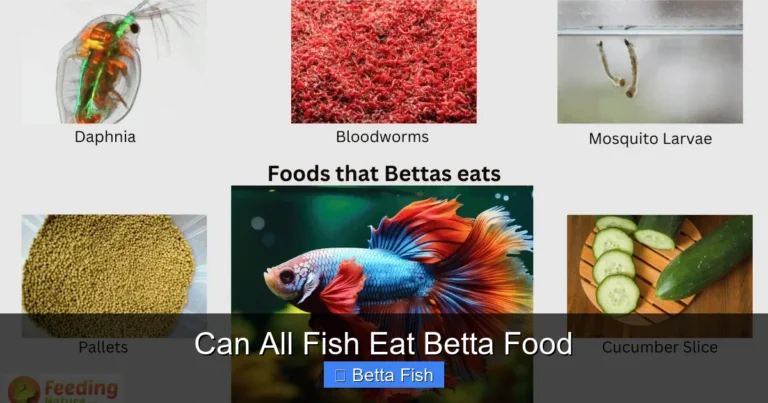
- Baby brine shrimp: A live or frozen superfood packed with protein and nutrients. Ideal for fry and juveniles.
- Micro worms: Easy to culture at home and perfect for young bettas.
- High-quality betta pellets: Look for pellets with fish meal as the first ingredient and minimal fillers.
- Freeze-dried bloodworms: A great treat and protein boost. Use in moderation.
- Crushed flake food: Suitable for juveniles who are too small for whole pellets.
- Vinegar eels: Another excellent live food option for very young fry.
Foods to Avoid for Young Bettas
Some foods can harm young bettas or offer little nutritional value. Avoid the following:
- Flakes designed for tropical community fish. They lack the protein bettas need.
- Bread or crackers. These offer zero nutrition and can cause digestive blockages.
- Raw beef or chicken. Bettas cannot digest mammal protein properly.
- Overly processed fish foods with artificial fillers and colors.
How Often Should You Feed Young Betta Fish
Frequency matters just as much as portion size. Young bettas have fast metabolisms and small stomachs. They need to eat more often than adult bettas, but in much smaller amounts.
Creating a Feeding Schedule
Here is a simple feeding schedule you can follow:
- Morning feeding (8-9 AM): Small portion of pellets or live food.
- Midday feeding (12-1 PM): A light snack like baby brine shrimp.
- Afternoon feeding (4-5 PM): Main meal with pellets or frozen food.
- Evening feeding (7-8 PM): Small final portion, especially for fry.
As your betta grows past four months, you can reduce feeding to twice daily. For more information on feeding frequency, see our article on how often to feed betta fish.
Should You Skip a Day?
Many experienced fish owners recommend fasting your betta for one day per week. This helps prevent constipation and gives the digestive system a break. For young bettas under three months old, skip fasting and maintain their regular schedule. Their growing bodies need consistent nutrition.
Common Feeding Mistakes with Young Betta Fish
Even well-meaning owners make mistakes when feeding young bettas. Here are the most common ones and how to avoid them.
Overfeeding
Overfeeding is the single biggest danger for young betta fish. Bettas will eat almost anything you offer, even when they are full. Uneaten food decays in the tank and spikes ammonia levels, which can be lethal. Always err on the side of less food rather than more.
If you accidentally overfeed, remove the excess food immediately with a small net or turkey baster. For more on this topic, read our article on can you feed a betta fish too much.
Feeding the Wrong Food
It is tempting to grab whatever flake food you have in the cabinet, but young bettas need specific nutrition. They are obligate carnivores. Their digestive systems are designed to process protein-rich animal-based foods. Feeding them the wrong diet can lead to malnutrition and stunted growth.
Inconsistent Feeding Times
Bettas thrive on routine. Feeding at different times each day can stress your fish and disrupt their metabolism. Try to stick to the same schedule every day. Your fish will learn when to expect food and become more active at feeding time.
Ignoring Water Quality
Overfeeding does more than just bloat your fish. It degrades water quality fast. Young bettas are especially sensitive to ammonia and nitrite spikes. Always remove uneaten food and perform regular water changes to keep the tank clean.
Signs You Are Feeding Your Young Betta Correctly
How do you know if your feeding routine is working? There are several clear signs that your young betta is getting the right amount of food.
- Steady growth: Your betta is growing at a healthy rate for their age.
- Vibrant colors: A well-fed betta develops rich, intense colors as they mature.
- Active behavior: Your fish is alert, curious, and swimming actively throughout the day.
- Regular waste: Your betta produces normal, well-formed waste without any signs of constipation.
- Healthy appetite: Your fish eagerly eats at feeding time but does not beg constantly.
On the flip side, warning signs of improper feeding include lethargy, loss of color, bloating, and refusal to eat. If you notice any of these, reassess your feeding schedule and portions right away.
Quick Tips for Feeding Young Betta Fish
- Always soak freeze-dried foods before offering them to your betta.
- Use a small container or turkey baster to deliver tiny portions to fry.
- Rotate between two or three high-quality foods for a balanced diet.
- Feed in a calm, well-lit area so you can watch your fish eat.
- Keep tank water clean with regular partial water changes.
- Do not feed your betta right before or after a water change.
- When in doubt, feed a little less rather than a little more.
Final Thoughts
Feeding your young betta fish the right amount is one of the most impactful things you can do for their health and longevity. Remember that how much to feed young betta fish depends on their age, size, and the type of food you are offering. Stick to small portions, feed frequently for younger fish, and always watch for signs of overfeeding or underfeeding.
A well-fed betta is a happy betta. With the knowledge you have gained from this guide, you are now equipped to raise a healthy, colorful, and thriving fish. Trust your instincts, stay consistent, and enjoy the rewarding experience of caring for your young betta.
Frequently Asked Questions
How much should I feed my young betta fish per meal?
A good rule is to offer only what your betta can eat in under two minutes. For fry, this means just a few drops of liquid food or a couple of baby brine shrimp. For older juveniles, two to three small pellets per meal is usually sufficient. Always adjust based on your fish’s appetite and body condition.
How many times a day should I feed a young betta fish?
Young bettas under six weeks old should be fed four to six times daily. Bettas between six weeks and four months do well with three feedings per day. Once your betta reaches four months, you can transition to twice daily feedings. Consistency in timing is just as important as the number of feedings.
Can I overfeed my young betta fish?
Yes, overfeeding is very easy to do and very dangerous. Young bettas have tiny stomachs that can only handle small amounts of food. Excess food rots in the tank and spikes ammonia levels, which can poison your fish. Always feed less than you think they need and remove any uneaten food promptly.
What is the best food for betta fry?
The best foods for betta fry include infusoria, vinegar eels, and baby brine shrimp. These are small enough for tiny mouths and packed with the protein young bettas need to grow. As they get a little older, you can introduce micro worms and finely crushed high-quality flake food.
Should I feed my young betta fish every day?
Yes, young bettas should be fed every day. They need consistent nutrition to support their rapid growth. Unlike adult bettas, young fish should not be fasted. Once your betta reaches full maturity around four to six months, you can introduce one fasting day per week.
How do I know if my young betta fish is getting enough food?
A well-fed young betta will have steady growth, vibrant colors, and active behavior. They will eat eagerly at feeding times and produce normal waste. If your fish seems lethargic, has faded colors, or is not growing, you may need to increase the portion size or feeding frequency slightly.