How to Transfer Betta Fish to New Water
Transferring betta fish to new water doesn’t have to be stressful—for you or your fish. This guide walks you through the entire process, from preparing fresh water to safely acclimating your betta. You’ll learn simple steps to keep your betta healthy, happy, and thriving during every water change.
Moving your betta fish to new water can feel intimidating, especially if you’re a first-time fish owner. But here’s the good news—it doesn’t have to be complicated. With the right approach, you can make the process smooth, safe, and even routine. Whether you’re doing a partial water change or moving your betta to a completely fresh setup, the steps are straightforward once you know what to do.
Transferring betta fish to new water is one of the most important skills every betta keeper needs. Your fish’s health depends heavily on clean, properly treated water. And let’s be honest—nobody wants to accidentally harm their pet during a simple water swap. In this guide, we break down every step in plain language so you can feel confident and prepared.
We’ll cover everything from preparing fresh water to acclimating your betta without causing stress. You’ll also find practical tips, common mistakes to avoid, and answers to the questions most fish owners ask. Let’s dive in and make your next water change a breeze.
Key Takeaways
- Always prep new water 24 hours ahead: This allows chlorine to dissipate and temperature to stabilize.
- Match the temperature carefully: Bettas thrive in water between 76-82°F, so use a thermometer.
- Acclimate your betta gradually: Drip or float methods prevent shock and reduce stress.
- Never transfer betta fish directly from old water to new water: Gradual transitions are essential for their health.
- Use a water conditioner to remove harmful chemicals: Tap water contains chlorine and chloramine that can harm your fish.
- Monitor your betta after the transfer: Watch for signs of stress or illness in the first 24-48 hours.
📑 Table of Contents
- Why Transferring Betta Fish to New Water Matters
- How to Prepare New Water for Your Betta
- The Step-by-Step Process to Transfer Betta Fish to New Water
- Common Mistakes When Transferring Betta Fish
- How to Monitor Your Betta After the Transfer
- Best Practices for Ongoing Water Quality
- Quick Tips for a Stress-Free Transfer
- Conclusion
Why Transferring Betta Fish to New Water Matters
Betta fish are sensitive creatures. Their small bodies react quickly to changes in their environment. Water quality directly affects their mood, appetite, color, and lifespan. When you neglect regular water changes, harmful chemicals like ammonia and nitrite build up fast. This can lead to serious health problems or even death.
On the other hand, doing water changes the wrong way can be just as dangerous. Sudden shifts in temperature, pH, or chemical levels shock your fish. The goal is to create a stable, clean environment without disrupting your betta’s comfort zone. That’s why learning how to do this properly matters so much.
A well-planned water change for betta fish removes toxins, replenishes oxygen, and keeps your aquarium looking clear. It also gives you a chance to check on your fish more closely. You get to observe their behavior, spot early signs of illness, and make sure everything is running smoothly.
The Science Behind Water Changes
In a closed aquarium system, waste builds up over time. Fish produce ammonia through their gills and waste. Beneficial bacteria convert ammonia into nitrite, and then nitrite into nitrate. But nitrate still accumulates. Regular water changes dilute nitrate and keep levels safe.
Betta fish prefer stable conditions. Their natural habitat—warm, slow-moving rice paddies and shallow streams in Southeast Asia—has relatively consistent water parameters. Replicating that stability in a home tank means paying close attention during every betta fish water change.
How to Prepare New Water for Your Betta
Preparation is the most important step in the entire process. If you skip this part or rush through it, you risk exposing your fish to harmful substances. Taking a little extra time upfront saves you a lot of trouble later.
Step 1: Let the Water Sit
The simplest method is to fill a clean container with fresh water and let it sit for 24 hours. This allows chlorine to evaporate naturally. However, many municipal water supplies now use chloramine instead of chlorine. Chloramine doesn’t evaporate on its own, which means you need a water conditioner to neutralize it.
If you’re new to fish keeping, using a tap water conditioner is the easiest and safest option. Just add the recommended dose to your fresh water and wait the specified time before using it. Most conditioners work within minutes, but letting the water sit overnight never hurts.
Step 2: Check the Temperature
Betta fish are tropical creatures. They need warm water to stay healthy and active. The ideal temperature range is between 76°F and 82°F (24°C to 28°C). Use an aquarium thermometer to check both the old and new water before you start the transfer.
If the new water is too cold or too hot, your betta will experience thermal shock. This causes extreme stress, weakens their immune system, and can even be fatal. Keeping water warm for betta fish is especially important during colder months or in air-conditioned rooms.
Step 3: Match pH and Hardness
Betta fish do best in slightly acidic to neutral water with a pH between 6.5 and 7.5. Water hardness should be moderate—around 3 to 4 dKH. If your tap water differs significantly from these parameters, consider using bottled spring water or a water testing kit to monitor the difference.
Small differences in pH won’t harm your fish immediately, but large swings can cause serious stress. The key is to make gradual changes over time rather than sudden ones. This ties directly into the acclimation process we’ll cover next.
The Step-by-Step Process to Transfer Betta Fish to New Water
Now that your new water is ready, it’s time to move your betta. Follow these steps carefully for a smooth transition. Every step is designed to minimize stress and protect your fish’s health.
Step 1: Gather Your Supplies
Before you start, make sure you have everything within reach. Here’s what you’ll need:
- A clean container or bucket for the new water
- A fish net (soft-mesh is best)
- An aquarium thermometer
- A water conditioner
- A turkey baster or small siphon (for removing old water)
- A clean cup or small container for transferring
Having everything ready prevents panic and mistakes. Fish don’t do well when their owner is scrambling around the room looking for supplies.
Step 2: Remove Some Old Water
Start by removing about 20-30% of the old tank water. Use a siphon or turkey baster to suck up debris from the gravel and old water simultaneously. This keeps the tank clean while making room for fresh water.
If you’re doing a full water change, you’ll need to remove all the water carefully. In that case, make sure your betta is temporarily housed in a clean container with some of the original tank water. Never store your betta in water that has been completely emptied of all beneficial bacteria.
Step 3: Add the New Water Slowly
Pour the prepared new water into the tank gently. Avoid pouring directly onto your betta or disturbing the gravel too much. A slow, steady stream along the side of the tank works best.
If you’re transferring your betta to a new tank entirely, follow these detailed steps for moving betta fish to a new tank. The process is similar, but setting up a new tank requires extra attention to cycling and water parameters.
Step 4: Acclimate Your Betta
Acclimation is the process of gradually adjusting your fish to the new water conditions. There are two popular methods:
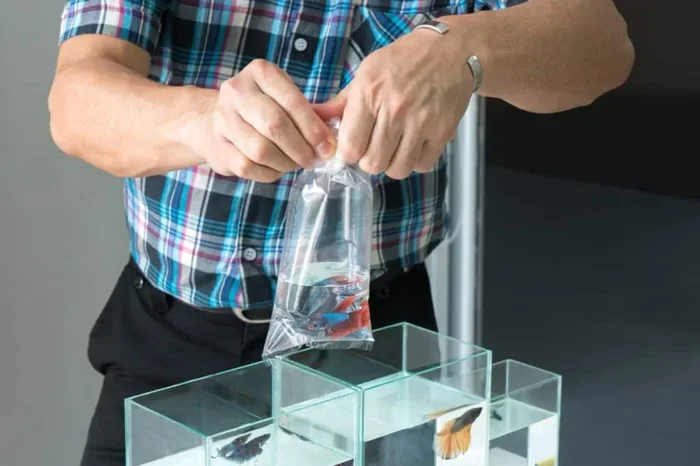
The Float Method: Place the container holding your betta (with its original water) into the new tank. Let it float for 15-20 minutes. This allows the temperatures to equalize. After that, add small amounts of new tank water to the container every 5 minutes over the next 15-20 minutes. Then gently net your betta into the tank.
The Drip Method: This is slower but gentler. Place your betta in a container and use an airline tube to drip new tank water into the container at a slow rate—about 2-4 drops per second. Continue for 30-45 minutes until the container volume has doubled. Then carefully transfer your betta to the new water.
Both methods work well. The drip method is better for sensitive fish or when the water parameters differ significantly. The float method is faster and works well when conditions are already close to matching.
Common Mistakes When Transferring Betta Fish
Even experienced fish keepers make mistakes sometimes. Knowing what to avoid can save you a lot of headaches and keep your betta safe.
Mistake 1: Skipping the Water Conditioner
Tap water contains chemicals that are safe for humans but toxic to fish. Chlorine and chloramine damage gill tissue and strip away protective mucus. Always use a conditioner. This single step is the easiest way to prevent unnecessary harm.
Mistake 2: Changing All the Water at Once
Unless your tank water is dangerously contaminated, never replace 100% of the water. Beneficial bacteria live in the substrate and filter media. Removing all the water wipes out these bacteria and resets your nitrogen cycle. A 20-30% change every week is the sweet spot for most betta setups.
Mistake 3: Ignoring Temperature Differences
Even a 2-3 degree difference can stress your betta. Always measure both water sources with a thermometer. If you’re adding warm water, let it cool first. If you’re adding cool water, warm it slowly to match the tank.
Mistake 4: Moving the Fish Too Quickly
Rushing the acclimation process is one of the biggest causes of post-transfer stress. Your betta needs time to adjust. Patience pays off here—taking an extra 20 minutes for proper acclimation can prevent days of health problems.
How to Monitor Your Betta After the Transfer
Your job isn’t done once the transfer is complete. The first 24-48 hours are critical. Watch your betta closely for any signs of distress.
Normal behavior after a transfer includes some hiding, reduced appetite, and light exploration. These are all expected reactions to a new environment. However, certain warning signs need immediate attention:
- Clamped fins: Fins held close to the body indicate stress or illness.
- Gasping at the surface: This suggests low oxygen or poor water quality.
- White spots or patches: These could signal ich or fungal infection triggered by stress.
- Lethargy beyond 24 hours: Some tiredness is normal, but prolonged lethargy needs investigation.
- Loss of color: A faded appearance often means your betta is under stress.
If you notice any of these signs, test your water parameters immediately. Check ammonia, nitrite, nitrate, pH, and temperature. Often the issue is a simple water quality problem that can be fixed quickly with a partial water change or conditioner adjustment.
For more guidance on handling post-water-change emergencies, check out our article on saving dying betta fish after a water change. It covers urgent steps to take when things go wrong.
Best Practices for Ongoing Water Quality
Transferring your betta to new water is just one part of the equation. Long-term water quality keeps your fish healthy between changes. Here are the habits that make the biggest difference.
Test Your Water Regularly
Invest in a basic liquid test kit. Test strips are convenient but less accurate. You should test for ammonia, nitrite, nitrate, and pH at least once a week. This helps you catch problems before they become emergencies.
Clean the Tank Gradually
When you do water changes, use a siphon to vacuum the gravel. This removes fish waste, uneaten food, and decaying plant matter. Clean only 20-30% of the water per session to preserve beneficial bacteria.
Keep the Tank Stable
Avoid placing your tank near windows, heaters, or drafts. Temperature swings stress bettas more than almost anything else. A stable environment with consistent lighting and temperature promotes long, healthy lives.
Use the Right Equipment
A small sponge filter works well for betta tanks. It provides gentle filtration without creating strong currents that bettas dislike. If you’re using a bowl, regular water changes become even more important since bowls lack filtration systems.
Quick Tips for a Stress-Free Transfer
Here are some bonus tips to make the entire process easier and safer for your betta:
- Do your water change during a calm time of day. Avoid loud noises or sudden movements around the tank.
- Turn off the aquarium light during the transfer. Dim lighting reduces stress and makes your betta less skittish.
- Wash your hands thoroughly before touching any aquarium water. Soap residue is extremely harmful to fish.
- Use water from the same source each time. Switching between different water sources can introduce unexpected parameter changes.
- Keep a quarantine tank on hand if you notice any signs of illness after the transfer. This prevents potential disease from spreading.
- Take photos before and after the transfer. This helps you track changes in your betta’s appearance and behavior over time.
These small habits add up to big benefits. Your betta will be calmer, healthier, and more vibrant when you make water changes a consistent, gentle routine.
Conclusion
Learning how to transfer betta fish to new water is a fundamental skill that every betta owner should master. The process is simpler than it seems, and with the right preparation, it becomes second nature. Remember to always prepare your new water ahead of time, match the temperature carefully, acclimate your fish gradually, and monitor your betta closely after the transfer.
Avoiding common mistakes like skipping water conditioner or changing too much water at once protects your fish from unnecessary stress. And by building a regular maintenance routine, you create a stable, healthy environment where your betta can thrive for years.
Your betta depends on you for its well-being. Every careful water change you perform is an investment in your fish’s health, happiness, and longevity. Start applying these steps today, and you’ll notice a real difference in your betta’s energy, color, and overall behavior. Happy fish keeping!
Frequently Asked Questions
How long does it take to transfer a betta fish to new water?
The actual transfer takes about 30-45 minutes if you follow the acclimation process properly. However, preparing the new water should start 24 hours in advance. The entire process from preparation to completion typically takes one to two hours.
Can I use bottled water for my betta fish?
Yes, but only if it’s free of additives and minerals. Spring water or purified water works well. Avoid distilled water because it lacks beneficial minerals. Always test bottled water parameters before using it in your betta tank.
How often should I change my betta fish water?
For most betta tanks, a 20-30% water change every week is ideal. Larger tanks with filters may need changes every two weeks. Smaller bowls without filters require more frequent changes—every 3 to 5 days.
Why does my betta fish hide after a water change?
Hiding is a normal stress response after a water change. Bettas need time to adjust to new water conditions. If your betta hides for more than 24 hours or shows other signs of distress, check your water parameters immediately.
Do I need to remove my betta from the tank during a water change?
For partial water changes, you don’t need to remove your betta. Just be careful when siphoning near your fish. For full tank cleanings or transfers to a new tank, you will need to temporarily move your betta to a safe container with some of the original water.
What temperature should betta fish water be?
Betta fish water should be between 76°F and 82°F (24°C to 28°C). Use an aquarium thermometer to monitor the temperature. Sudden temperature drops or spikes can cause serious health problems for your betta.