Is a Filter Good for a Betta Fish
Yes, a filter is good for a betta fish — it keeps the water clean, removes harmful toxins, and supports a healthy habitat. A proper filtration system makes tank maintenance easier and helps your betta thrive. However, you need to pick the right type and strength to match your betta’s needs.
Every betta fish owner wants a happy, healthy fish. One question that comes up a lot is whether a filter is good for a betta fish. The short answer is yes. But the full answer has some important details you should know.
A betta fish filter does more than just keep water clear. It removes harmful chemicals, supports good bacteria, and makes your life as an owner much easier. In this guide, we will walk through everything you need to know about using a filter for your betta tank. By the end, you will feel confident about your choice.
Let us start with the basics. Understanding why filtration matters is the first step toward better betta fish care. Once you see the benefits, you will wonder how you ever kept a tank without one.
Key Takeaways
- Filters are essential: They remove toxins and keep water quality high for your betta fish.
- Gentle flow matters: Bettas prefer low water flow, so choose a filter with adjustable output.
- Sponge filters are ideal: They provide effective filtration without stressing your betta.
- Regular maintenance is key: Clean your filter every 2-4 weeks to keep it working properly.
- Beneficial bacteria need support: A filter helps grow good bacteria that break down waste naturally.
- The wrong filter can harm your fish: Too strong a flow can stress your betta and cause health issues.
📑 Table of Contents
Why Does a Betta Fish Need a Filter?
Betta fish may look tough, but they need clean water to stay healthy. In the wild, bettas live in slow-moving streams and rice paddies. The water is always fresh and filtered by nature. In a home aquarium, your filter takes over that job.
Without a filter, waste builds up fast. Fish produce ammonia through their waste and gills. Ammonia is toxic even in small amounts. A filter breaks this cycle down in a few key ways.
How Filtration Works for Bettas
There are three types of filtration. Each one plays a different role in keeping your tank clean.
- Mechanical filtration: This catches debris like food particles and fish waste. It physically removes junk from the water.
- Biological filtration: Good bacteria grow on the filter media. These bacteria convert ammonia into nitrite and then nitrate. This process is called the nitrogen cycle.
- Chemical filtration: Activated carbon absorbs toxins, odors, and discoloration. It keeps the water smelling fresh and looking clear.
All three types work together to create a stable environment. A good aquarium filter should handle all three at a basic level. This gives your betta the best chance to thrive.
Types of Filters for Betta Fish
Not all filters are the same. Some work better for betta tanks than others. Let us look at the most popular options.
Sponge Filters
Sponge filters are often the top choice for betta tanks. They are gentle, affordable, and very effective. Air pumps push water through a sponge, which traps debris and grows beneficial bacteria.
Here is why sponge filters work so well for bettas:
- They create very low water flow, which bettas love.
- They are affordable and easy to clean.
- They provide excellent biological filtration.
- They are safe for small tanks and fry.
If you want a simple, reliable option, a sponge filter is hard to beat. Many experienced betta keepers use them as their go-to choice.
Hang-On-Back Filters
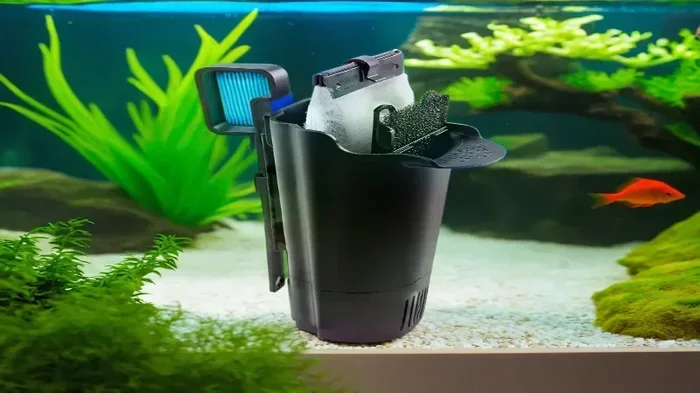
Hang-on-back filters, or HOB filters, hang on the rim of the tank. They pull water up, filter it, and return it to the tank. These filters offer strong mechanical and biological filtration.
However, there is one concern. HOB filters can create a strong flow. Bettas are not strong swimmers. A powerful current can stress them out. The good news is that you can reduce the flow. Most HOB filters come with adjustable outlets or baffles you can add.
Internal Filters
Internal filters sit inside the tank. They are compact and easy to install. These are a good middle-ground option. They offer decent filtration without creating too much flow.
Just make sure you choose one with an adjustable flow rate. You want your betta to swim comfortably, not fight against a current.
Can a Filter Be Too Strong for a Betta Fish?
This is a great question, and the answer is yes. A filter that is too powerful can cause real problems. Strong water flow can exhaust your betta. It may keep them from eating properly or resting comfortably.
Watch for these signs that your filter is too strong:
- Your betta struggles to swim in one place.
- The fish stays near the bottom or hides behind decorations.
- Food gets blown away before your betta can eat it.
- The filter creates a visible current across the tank surface.
If you notice these issues, consider using a sponge filter or adding a baffle to reduce flow. You can also check out our guide on can a filter be too strong for a betta fish for more tips.
Benefits of Using a Filter for Your Betta Fish
Adding a filter to your betta tank brings many advantages. Let us break them down so you can see the full picture.
Better Water Quality
This is the biggest benefit. A filter keeps ammonia and nitrite levels near zero. These chemicals are invisible but dangerous. Even low levels can damage your betta’s gills and immune system.
With a filter running, your water stays cleaner longer. You will still need regular water changes, but they become less frequent and less stressful.
Less Tank Maintenance
Let us be honest. Nobody loves cleaning a fish tank. A good filter makes the job easier. It traps waste before it settles into the gravel or substrate. This means less scrubbing and less scooping.
With a well-maintained filtration system, you can stretch your water change schedule. A filter gives you more free time and a healthier tank.
Healthier and Happier Betta Fish
Clean water means a healthy betta. Fish in well-filtered tanks show better colors, more energy, and stronger appetites. They are also less likely to get sick.
A stable aquarium environment reduces stress. Stress is the number one cause of disease in betta fish. When you remove stress, you remove the root of many common health problems.
Supports the Nitrogen Cycle
The nitrogen cycle is the invisible engine of every aquarium. Beneficial bacteria colonize your filter media and break down toxic waste. Without these bacteria, any tank would quickly become toxic.
A filter gives these bacteria a place to live and grow. The more surface area your filter provides, the more bacteria it can support. This creates a natural balance that keeps your tank stable day after day.
How to Choose the Right Filter for Your Betta Fish
Choosing a filter does not have to be confusing. A few simple guidelines will help you pick the right one.
Match the Filter to Your Tank Size
Filters are rated by tank size. Always choose a filter rated for a tank larger than yours. For example, if you have a 5-gallon tank, pick a filter rated for 10 gallons. This gives you a safety margin and ensures the filter works efficiently.
Curious about tank sizes? Check out our article on what is the best tank size for a betta fish for expert recommendations.
Look for Adjustable Flow
Adjustable flow is a must for betta tanks. You want to be able to dial back the current. This lets your fish swim naturally without fighting the water.
Some filters come with built-in flow control. Others need you to add a baffle or redirect the output. Either way, the goal is the same: gentle, steady water movement.
Consider Filter Media
Good filter media makes a big difference. Look for filters that include room for multiple media types:
- Mechanical media like foam pads to catch debris.
- Biological media like ceramic rings or biomax for bacteria growth.
- Chemical media like activated carbon for toxin removal.
Having options lets you customize your filtration setup. You can swap out media based on your tank’s needs.
Quick Tips for Choosing the Right Filter
- Pick a filter rated for 2x your tank size.
- Choose adjustable flow whenever possible.
- Go with a sponge filter for small betta tanks.
- Avoid internal filters with very strong output.
- Replace filter media every 4 to 6 weeks.
How Often Should You Clean a Betta Fish Filter?
Cleaning your filter is important, but you must do it the right way. Too much cleaning can actually harm your tank by killing beneficial bacteria.
The Right Way to Clean Your Filter
Follow these simple steps to keep your filter in top shape:
- Rinse mechanical media in old tank water. Never use tap water. Chlorine kills beneficial bacteria.
- Gently squeeze foam pads to remove debris. Do not wring them out.
- Replace chemical media like carbon every 2 to 4 weeks.
- Do not replace all biological media at once. Replace only half at a time.
- Clean the filter housing once a month.
A good rule of thumb is to do a partial rinse every 2 to 3 weeks. This keeps the filter working without disrupting the bacteria colony.
Common Mistakes to Avoid
Many new betta owners make filter mistakes. Here are a few to watch out for:
- Using tap water to rinse filter media: This kills good bacteria and resets your cycle.
- Ignoring the filter: A neglected filter becomes a waste trap and can make water quality worse.
- Buying an oversized filter with no flow control: This can create a current that stresses your betta.
- Replacing all media at once: This wipes out your beneficial bacteria colony.
Avoiding these mistakes saves you time and protects your fish. If you want to learn more about keeping bettas healthy without a filter, read our guide on can you keep betta fish without a filter.
Final Thoughts
So, is a filter good for a betta fish? Absolutely. A proper filter is one of the best investments you can make for your betta’s health and happiness. It keeps water clean, supports the nitrogen cycle, and reduces maintenance work.
The key is choosing the right type and strength. A gentle sponge filter or an adjustable hang-on-back filter works wonderfully for most betta setups. Pay attention to water flow, clean your filter regularly, and your betta will thank you with vibrant colors and active behavior.
Remember, every tank is different. What works for one betta may not work for another. Watch your fish closely and adjust as needed. With the right filtration system, you create a home that feels just like nature intended.
Take what you have learned here today and put it into action. Your betta fish deserves clean, healthy water. And you deserve a tank that is easy to maintain. Start with the right filter, and you will see the difference in no time.
Frequently Asked Questions
Can betta fish live without a filter?
Betta fish can survive without a filter, but it is not ideal. Without filtration, waste builds up quickly and water quality drops. You would need to do frequent water changes to keep your betta healthy. A filter makes this job much easier and keeps the environment more stable.
What type of filter is best for a betta fish?
A sponge filter is often the best choice for betta fish. It provides gentle filtration with very low water flow. Hang-on-back filters also work well as long as you can adjust the flow rate. The key is to avoid strong currents that stress your fish.
How strong should a filter be for a betta fish tank?
Choose a filter rated for a tank size larger than yours. For example, a 5-gallon betta tank should use a filter rated for 10 gallons. The flow rate should be gentle enough that your betta can swim comfortably without struggling against the current.
Do betta fish like filtered water?
Yes, betta fish do well with filtered water. Filtration removes harmful toxins and keeps the water clean. However, the flow should be gentle. Bettas prefer slow-moving water that mimics their natural habitat in warm, calm streams.
How often should I clean my betta fish filter?
Clean your filter every 2 to 4 weeks. Rinse mechanical media in old tank water, not tap water. Replace chemical media every 2 to 4 weeks. Never replace all biological media at once, as this can crash your nitrogen cycle.
Will a filter help my betta fish live longer?
Yes, a filter can help your betta fish live longer. Clean water reduces stress and prevents disease. A stable environment with proper filtration supports your betta’s immune system and overall health. Combined with good feeding and regular care, a filter is a valuable tool for a long, happy life for your fish.