Is 100 Sq Yard Better for Fish Farm
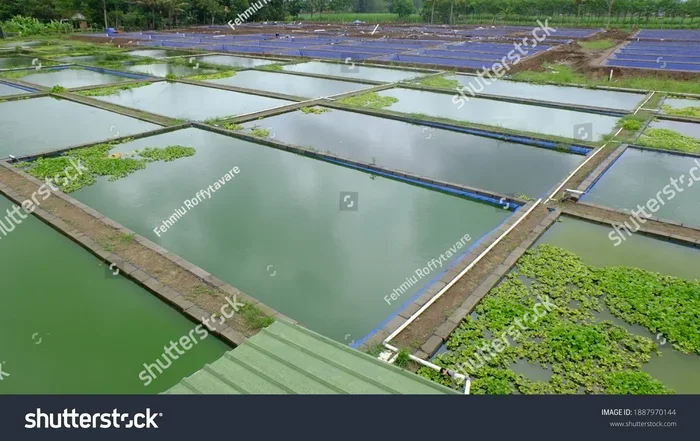
A 100 sq yard fish farm can work well for small-scale operations, especially for betta fish and similar species. The right layout, filtration, and fish density make all the difference in success. Let us break down whether this space fits your goals and how to get the most from it.
Starting a fish farm is exciting. Whether you want to raise betta fish for sale, breed ornamental species, or grow food fish on a small scale, the size of your space matters a lot. One question we hear often is whether 100 sq yard is enough to get started. The short answer is yes, but there are important details to understand before you dive in.
A 100 sq yard fish farm gives you about 900 square feet of growing space. That is enough to run a productive small-scale operation if you plan it right. But “enough” depends on what fish you are raising, how many you want to keep, and what your goals are. In this guide, we will walk you through everything you need to know about using 100 sq yard for fish farming.
Key Takeaways
- 100 sq yard is a solid starting size for backyard fish farming and betta breeding setups.
- Fish density and water quality are the two biggest factors that determine if your space is enough.
- Proper filtration and aeration can make a small fish farm thrive even in limited square footage.
- Layout planning matters — dividing the space into zones improves breeding, growing, and maintenance.
- Start small and scale up once you understand how your fish respond to the environment.
- Local regulations and permits may affect what you can do with a 100 sq yard fish farm.
📑 Table of Contents
- Why 100 Sq Yard Works for Small Fish Farms
- Fish Density: How Many Fish Can 100 Sq Yard Hold?
- Setting Up Your 100 Sq Yard Fish Farm
- Water Quality and Maintenance for a 100 Sq Yard Farm
- Benefits of a Small Fish Farm
- Common Mistakes to Avoid
- How 100 Sq Yard Compares to Other Farming Methods
- Final Thoughts on 100 Sq Yard Fish Farming
Why 100 Sq Yard Works for Small Fish Farms
Not everyone needs a massive operation. Many successful fish farmers start with a small backyard fish farm and grow from there. A 100 sq yard plot gives you room to set up multiple tanks or ponds without feeling cramped. It is big enough to be productive but small enough to manage without hiring a large team.
For betta fish specifically, 100 sq yard offers plenty of room. Betta fish need clean water, stable temperatures, and low stress. You can set up several breeding tanks, growing tanks, and a filtration station within this space. That kind of setup is hard to achieve in a smaller area.
Understanding Square Yardage in Fish Farming
When we talk about fish farm size, square yardage tells us the surface area available. A 100 sq yard space could be a 10 by 10 yard plot, or a 5 by 20 yard layout. The shape matters because it affects water flow, light exposure, and ease of access. A long narrow pond may have different conditions than a wide shallow one.
Here are some common ways people use a 100 sq yard space:
- Multiple raised tanks: Great for betta breeding and keeping individual fish.
- A large pond with partitions: Works well for growing fish in separate age groups.
- A mix of tanks and open water: Lets you breed fish in tanks and grow them in ponds.
Each layout has its benefits. The key is matching your setup to the species you are raising and the number of fish you plan to keep.
Fish Density: How Many Fish Can 100 Sq Yard Hold?
This is the most important question. The answer depends on the type of fish, the water volume, and your filtration system. Overcrowding leads to poor water quality, disease, and slow growth. Understocking wastes valuable space.
Betta Fish Density Guidelines
Betta fish are territorial. Each male betta needs its own tank. If you are breeding bettas, a 100 sq yard space can comfortably hold 20 to 30 breeding setups, depending on tank size. Each breeding tank might be 5 to 10 gallons, plus space for grow-out tanks and a filtration area.
For female bettas or sorority tanks, you can keep more fish per gallon. A well-planned 100 sq yard farm could support several hundred bettas if you use a proper tank layout and maintain excellent water quality.
Comparing Fish Farm Sizes
Here is a quick comparison of common fish farm sizes and what they can handle:
- 50 sq yard: Good for a hobbyist with 10 to 15 tanks. Best for testing setups.
- 100 sq yard: Ideal for small commercial or semi-commercial betta farming.
- 500 sq yard and above: Better for larger-scale operations with multiple species.
As you can see, 100 sq yard hits a sweet spot. It is large enough to be serious but small enough to manage hands-on.
Setting Up Your 100 Sq Yard Fish Farm
A good setup makes all the difference. You want zones for breeding, growing, quarantine, and filtration. Each zone serves a purpose and keeps your fish healthy.
Step 1: Plan Your Layout
Before you build anything, sketch out your space. Divide the 100 sq yard into functional areas:
- Breeding zone: Where you set up pairs or groups for breeding.
- Grow-out zone: Where juvenile fish mature before sale.
- Quarantine zone: A separate area for new fish or sick fish.
- Filtration and equipment zone: Houses pumps, filters, and water treatment supplies.
- Workspace: A small area for feeding, water testing, and record keeping.
Even in a 100 sq yard space, having clear zones helps you stay organized. It also makes daily tasks faster and more efficient.
Step 2: Choose the Right Tanks and Ponds
You can use a mix of tanks and small ponds. For betta fish, plastic or fiberglass tanks work well. They are easy to clean and move if needed. If you want a more natural setup, consider small lined ponds within the 100 sq yard area.
Make sure each tank has a lid. Betta fish can jump, and covering tanks prevents escapes and keeps debris out. Use fine mesh screens if you are breeding, since fry are very small.
Step 3: Install Filtration and Aeration
Water quality is everything in fish farming. A 100 sq yard farm needs reliable filtration. Hang-on-back filters, sponge filters, or small canister filters all work well for this scale. The goal is to remove waste, maintain beneficial bacteria, and keep the water crystal clear.
Aeration is just as important. Air pumps and air stones add oxygen to the water. Betta fish can breathe surface air, but they still benefit from well-oxygenated water. Good aeration also helps your filtration system work better.
Water Quality and Maintenance for a 100 Sq Yard Farm
Keeping water clean in a small-scale fish farm requires a consistent routine. Unlike large commercial operations, you do not have industrial equipment. So your maintenance habits make or break your success.
Daily Tasks
- Feed fish the right amount. Overfeeding creates excess waste.
- Check water temperature. Betta fish prefer 76 to 82 degrees Fahrenheit.
- Look for signs of illness or stress in your fish.
- Remove any uneaten food after feeding time.
Weekly Tasks
- Test water parameters: ammonia, nitrite, nitrate, and pH.
- Do partial water changes (20 to 30 percent).
- Clean filters and check equipment function.
- Inspect tanks for cracks, leaks, or damage.
Monthly Tasks
- Deep clean tanks and remove algae buildup.
- Replace filter media as needed.
- Review your fish inventory and growth records.
- Adjust your feeding schedule based on fish size and health.
Staying on top of maintenance keeps your fish healthy and your farm running smoothly. A well-maintained 100 sq yard fish farm can produce consistent results season after season.
Benefits of a Small Fish Farm
Running a small fish farm has many advantages. You do not need a huge investment to get started. A 100 sq yard setup keeps costs low while still giving you room to grow your operation.
Small farms are also easier to manage. You can monitor every tank closely. This means you catch problems early, whether it is a disease outbreak or a water quality issue. Close attention leads to healthier fish and better yields.
Another benefit is flexibility. If something is not working, you can change your setup quickly. You are not locked into a large system that takes weeks to reconfigure. With a 100 sq yard farm, you can experiment, learn, and adapt as you go.
Many people also find that small-scale fish farming is a great way to start a side business. Selling betta fish, feeder fish, or ornamental species can generate steady income. And because your space is manageable, you can handle everything yourself without needing employees.
Common Mistakes to Avoid
Even with the best setup, mistakes happen. Here are the most common ones new fish farmers make with a 100 sq yard space:
- Overstocking too soon: It is tempting to add more fish than your space can handle. Start with fewer fish and add more as you gain experience.
- Skipping quarantine: New fish can bring diseases. Always quarantine new arrivals before adding them to your main tanks.
- Ignoring water testing: Clear water is not always safe water. Test parameters regularly.
- Using the wrong filter: Every tank needs appropriate filtration. A filter that is too small will not keep up with waste.
- Neglecting temperature control: Betta fish are sensitive to temperature swings. Use a heater and monitor it daily.
Avoiding these mistakes saves you time, money, and heartache. A little prevention goes a long way in fish farming.
How 100 Sq Yard Compares to Other Farming Methods
There are different ways to raise fish. Some people use large ponds, while others prefer indoor tanks. Each method has pros and cons. Here is how a 100 sq yard setup compares.
Indoor Tank Farming
Indoor tanks give you full control over temperature and water conditions. But they take up more room per fish and require more equipment. A 100 sq yard indoor setup works best for high-value fish like bettas.
Outdoor Pond Farming
Outdoor ponds use natural sunlight and require less equipment. They are great for species like tilapia or koi. However, outdoor ponds are affected by weather and predators. A 100 sq yard outdoor pond can work well if you protect it properly.
Indoor vs. Outdoor for Betta Fish
For betta fish, indoor setups are usually better. You control the environment more precisely. A 100 sq yard indoor farm lets you breed and raise bettas year-round without worrying about cold snaps or rainstorms.
When you compare indoor and outdoor options, 100 sq yard gives you enough flexibility to choose either approach. The best choice depends on your climate, budget, and the species you are raising.
Final Thoughts on 100 Sq Yard Fish Farming
A 100 sq yard fish farm is a fantastic starting point for anyone serious about fish farming. It gives you enough space to raise healthy fish, set up proper systems, and even run a small business. Whether you are focused on betta fish or other species, this size offers the perfect balance of space and manageability.
The key to success is planning. Know your fish, understand their needs, and design your layout before you start. Keep up with maintenance, watch your water quality, and never stop learning. With the right approach, a 100 sq yard farm can exceed your expectations.
Start small, stay consistent, and grow your operation at your own pace. A 100 sq yard fish farm is not just enough — it is a great foundation for a thriving fish farming venture.
Frequently Asked Questions
Is 100 sq yard enough space for a commercial fish farm?
It can be, especially for small-scale commercial operations. For betta fish or ornamental species, 100 sq yard provides enough room for multiple tanks and a good setup. However, for large-scale food fish production, you would need more space.
What fish are best for a 100 sq yard fish farm?
Betta fish, guppies, mollies, and small ornamental species work great in this space. They do not need huge tanks and can be raised in a well-organized 100 sq yard setup. Choose fish that match your goals and skill level.
How much does it cost to set up a 100 sq yard fish farm?
Costs vary depending on your setup. A basic system with tanks, filters, and heaters might cost a few hundred dollars. If you invest in higher-end equipment, the cost goes up. Starting simple and upgrading over time is the smartest approach.
Can I raise both betta fish and other species in 100 sq yard?
Yes, you can. A 100 sq yard space gives you enough room to keep bettas alongside other small species like guppies or tetras. Just make sure each species has the right water conditions and enough space to thrive.
Do I need a permit for a 100 sq yard fish farm?
It depends on your location. Some areas require permits for any fish farming activity, while others only regulate larger operations. Check with your local authorities before starting your farm to make sure you are compliant.
How long does it take to see results from a 100 sq yard fish farm?
Betta fish reach breeding age in about 4 to 6 months. With proper care, you can start seeing results within the first few months. Full profitability usually comes after the first year as you refine your processes and build a customer base.
=== INTERNAL LINKS ===
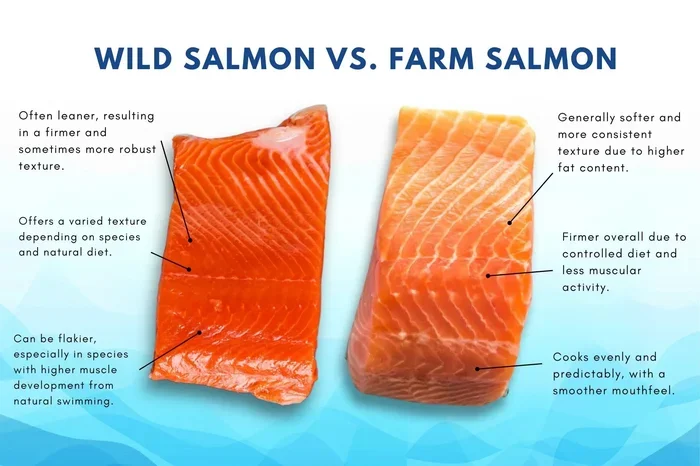
For more on fish farming and space requirements, check out is farm raised fish better than wild caught to understand the pros and cons of different fish sources.
Want to learn more about choosing the right fish species? Read which fish is better for you for helpful guidance on picking the best fish for your setup.
Looking for tips on tank setup? Our article on which is better sand or gravel for a fish tank covers substrate choices that work great in small fish farms.