Is 20 Gal H Fish Tank to Deep for Betta
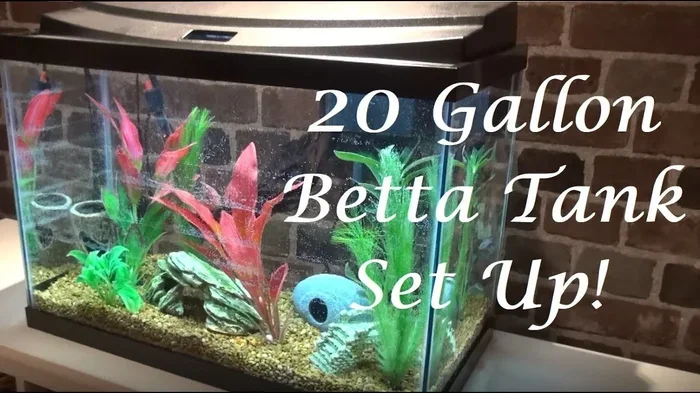
A 20 gallon high fish tank can work well for a betta fish, but depth does matter. Bettas are not strong swimmers and prefer shallower water levels. The key is managing water flow, surface access, and tank height so your betta stays comfortable and healthy.
You may have seen a sleek 20 gallon high tank at your local pet store and thought it would look amazing for your betta. The tall glass panel gives a stunning view, and the extra height seems like it would give your fish plenty of room. But here is the real question: is a 20 gal H fish tank too deep for betta?
The short answer is no, it is not too deep, but it does need the right setup. Bettas are labyrinth fish, which means they breathe air from the surface. A tank that is too tall can make it harder for your betta to reach the top comfortably. The good news is that with a few simple adjustments, a 20 gallon high tank can be a fantastic home for your betta fish.
In this guide, we will break down everything you need to know about tank depth, swimming behavior, water flow, and setup tips. By the end, you will know exactly how to make a tall tank work beautifully for your betta.
Key Takeaways
- Tank depth affects betta comfort: Bettas struggle in very deep tanks because they need easy surface access for breathing.
- A 20 gal H tank is usable: With the right setup, a tall tank can be a great home for your betta fish.
- Water flow matters a lot: Strong filters in deep tanks can stress your betta out. Use gentle flow options.
- Surface access is critical: Bettas breathe air from the surface, so keep the water level manageable.
- Decorations and plants help: Adding hiding spots and plants breaks up the tall water column and makes your betta feel safe.
- Temperature control is easier in tall tanks: Heat rises, so a 20 gal H tank can hold warmth well with a good heater.
- Know your betta’s limits: Every fish is different. Watch your betta’s behavior and adjust the setup as needed.
📑 Table of Contents
Understanding Tank Depth and Why It Matters for Bettas
Why Tank Depth Matters
Tank depth is one of the most overlooked factors when setting up a betta tank. Most people focus on length and width because those are the measurements that give swimming space. But depth plays a big role in how your betta feels and functions every day.
A betta fish is not built for deep water. They have a labyrinth organ that lets them breathe air from the surface. This means they need to swim up frequently. In a very deep tank, that journey can feel exhausting, especially if the water flow is strong.
Depth also affects water temperature. Warm water rises, so the top of a deep tank may be warmer than the bottom. This can create uneven heating, which stresses your betta. A good tank heater placed correctly helps, but depth still plays a role.
How Deep Is Too Deep for a Betta?
There is no magic number, but most experts agree that tanks deeper than 18 inches can be challenging for bettas. A standard 20 gallon high tank is about 24 inches tall. That is quite tall for a fish that naturally lives in shallow rice paddies and slow-moving streams.
That said, depth alone does not make a tank bad. What matters most is how you set it up. If you can manage the water level, flow, and temperature, your betta can thrive even in a tall tank.
For comparison, a 5 gallon tank is only about 12 inches tall, which is much more natural for a betta. But a 5 gallon tank is too small for long-term happiness. A 20 gal H tank gives your betta much more space, you just need to be smart about how you use the height.
The 20 Gallon High Tank Explained
What Is a 20 Gal H Tank?
A 20 gallon high tank is a standard aquarium that measures 24 inches tall, 12 inches wide, and 24 inches long. It holds about 20 gallons of water. The “H” stands for high, and it is one of the most popular tank sizes among hobbyists.
These tanks are great for displaying fish because the tall profile gives a dramatic view. They are also widely available at pet stores and online retailers, so finding one is easy.
The main advantage of a 20 gallon high tank is the water volume. More water means more stable parameters. Temperature swings and chemical spikes are less likely in a larger tank. This is a big plus for betta fish, who do best in stable conditions.
Dimensions and Water Volume
Here is a quick look at the key dimensions of a 20 gal H tank:
- Height: 24 inches
- Length: 24 inches
- Width: 12 inches
- Water volume: About 20 gallons when filled to the brim
Now here is an important tip. You do not need to fill a 20 gal H tank all the way to the top. In fact, keeping the water level around 12 to 16 inches is ideal for bettas. This reduces the distance your betta needs to swim to reach the surface for air.
If you want even more swimming space, a 20 gallon long tank is another option. It is shorter and wider, which many betta keepers prefer. But a 20 gal H tank can work just as well with the right approach.
Can Betta Fish Swim Comfortably in Deep Tanks?
Betta Swimming Behavior
Betta fish are not strong swimmers. They have long, flowing fins that create drag in the water. In the wild, bettas live in shallow, slow-moving bodies of water like rice paddies, marshes, and slow streams. They are not used to fighting strong currents or swimming long vertical distances.
When you place a betta in a deep tank, you may notice some changes in behavior. Your betta might stay near the bottom or the middle of the tank instead of exploring the full height. Some bettas will hover near the surface, barely moving. Others may seem lethargic or stressed.
These signs do not mean a deep tank is impossible. They mean your betta needs help adjusting. Reducing water flow and keeping the water level lower can make a huge difference.
Surface Access Is Critical
Betta fish need easy access to the water surface. They use their labyrinth organ to gulp air, which is how they get oxygen. If the water level is too high or the surface is hard to reach, your betta may struggle to breathe.
In a 20 gallon high tank, the surface is far from the bottom. Your betta has to swim up 24 inches to breathe. That is a long way for a fish that is not a strong swimmer.
The fix is simple. Keep the water level lower. Filling the tank to about halfway gives your betta a much shorter swim to the surface. It also reduces the overall water pressure at the bottom, which makes your betta more comfortable.
Some betta keepers add floating plants or decorations near the top of the tank. These create natural resting spots close to the surface. Your betta can pause and breathe without having to swim all the way up. This is a great way to make a tall tank feel safer.
Setting Up a 20 Gallon High Tank for Your Betta
Setting up a tall tank for a betta takes a bit more planning than a standard tank. But it is totally doable, and the results are worth it. Here is a step-by-step guide to making your 20 gal H tank a perfect betta home.
Filtration and Water Flow
Filtration is essential for any betta tank, but it becomes even more important in a tall tank. A deep tank has more water volume, which means more waste can build up. You need a filter that keeps the water clean without creating too much flow.
Strong filters can be a nightmare for bettas. Their long fins catch the current, and they end up fighting the water flow all day. This causes stress, exhaustion, and even health problems over time.
Here are some tips for managing filter flow in a 20 gal H tank:
- Choose a filter rated for a smaller tank than your actual tank size. A filter rated for 10 gallons in a 20 gallon tank will reduce flow.
- Use a sponge filter. These provide gentle biological filtration with almost no current.
- Point the filter output toward the back of the tank or behind a decoration to diffuse the flow.
- Add a pre-filter sponge on the intake to prevent your betta from being pulled in.
If you want the best of both worlds, check out this guide on how to set up a fish tank for betta fish for more detailed setup tips.
Temperature and Heating
Betta fish need warm water, typically between 76 and 82 degrees Fahrenheit. In a tall tank, heat rises, which means the top of the water may be warmer than the bottom. This is not always a bad thing, but you need to monitor the temperature at different levels.
Use a good aquarium heater placed near the bottom of the tank. This helps distribute heat more evenly. A thermometer at both the top and bottom of the tank will help you spot any temperature differences.
For more details on the ideal temperature range, check out this article on what is the best temperature for a betta fish tank.
Keep the temperature stable. Sudden changes in temperature can shock your betta and lead to illness. A heater with a built-in thermostat makes this much easier to manage.
Decorations and Plants
Decorations are not just about looks. In a 20 gallon high tank, they serve a very practical purpose. They break up the tall water column and give your betta places to rest and hide.
Live plants are especially beneficial. They provide natural hiding spots, improve water quality, and reduce stress. Some great plant choices for betta tanks include:
- Java fern: Easy to care for and grows well in low light.
- Amazon sword: Provides large leaves for resting and shade.
- Anubias: Hardy and grows on driftwood or rocks.
- Floating plants like duckweed or water lettuce: These create a natural cover near the surface, which bettas love.
Add caves, driftwood, and other decorations at different heights. This gives your betta a sense of territory and helps it feel secure. A well-decorated tank also makes the space feel less overwhelming for a fish in a tall aquarium.
Common Mistakes to Avoid With Deep Betta Tanks
Many new betta keepers make the same mistakes when setting up a tall tank. Avoiding these errors will save you time, money, and stress.
Mistake 1: Filling the tank to the top. This maximizes the water depth and makes it harder for your betta to reach the surface. Keep the water level lower.
Mistake 2: Using a powerful filter. A strong filter creates currents that tire out your betta. Choose a gentle filter or baffle the output.
Mistake 3: Overstocking the tank. A 20 gallon tank can hold more fish than a small tank, but bettas are solitary creatures. One betta is plenty. Adding tank mates requires careful research. Learn more about good tank mates for betta fish.
Mistake 4: Ignoring the water level at the top. If the water level is too close to the rim, your betta may have trouble accessing the surface. Leave a few inches of space between the water and the lid.
Mistake 5: Skipping the nitrogen cycle. A tall tank still needs to be cycled before adding your betta. Uncycled tanks have dangerous ammonia and nitrite levels. Follow a proper cycling process to keep your betta safe.
Final Thoughts on Using a 20 Gal H Tank for Your Betta
A 20 gallon high fish tank is not too deep for a betta fish, as long as you set it up correctly. The key is to manage the water level, reduce flow, and create a comfortable environment that mimics your betta’s natural habitat.
Remember that bettas are individual fish with their own personalities. Some bettas will love a tall tank and explore every level. Others will prefer to stay near the surface and may need a lower water line. Watch your fish and adjust the setup based on its behavior.
A tall tank gives you a beautiful display and a stable environment for your betta. With the right filter, heater, decorations, and plants, your 20 gal H tank can become a thriving home that both you and your betta will enjoy for years to come.
Take your time with the setup. Do not rush the process. A well-planned tank leads to a happy, healthy betta fish that will bring you joy every day.
Frequently Asked Questions
Is a 20 gallon high tank too tall for a betta fish?
No, a 20 gallon high tank is not too tall as long as you manage the water level and filter flow. Keeping the water at about 12 to 16 inches deep makes it much more comfortable for your betta. The height of the tank itself is not the problem, it is how you use the space that matters.
What is the best water level for a betta in a tall tank?
The best water level for a betta in a tall tank is about halfway up, or around 12 to 16 inches from the bottom. This gives your betta easy access to the surface for breathing while still providing plenty of swimming space. It also reduces the distance your betta needs to travel to reach the air it needs.
Can betta fish live in a 20 gallon tall tank with other fish?
Bettas are generally solitary and can be aggressive toward other fish. While a 20 gallon tank offers more space, adding tank mates requires careful research. Some peaceful species like corydoras or kuhli loaches can work, but always monitor their behavior closely. Check out this guide on good tank mates for betta fish for more options.
Do bettas need a filter in a 20 gallon high tank?
Yes, bettas need a filter in any tank, including a 20 gallon high setup. A filter keeps the water clean and removes harmful toxins. The key is to choose a gentle filter with adjustable flow. Sponge filters are an excellent choice because they provide effective filtration without creating strong currents that stress bettas.
How often should I change water in a 20 gallon betta tank?
For a 20 gallon tank, a 25 to 30 percent water change every one to two weeks is ideal. This helps maintain stable water parameters without disrupting the beneficial bacteria in your tank. Always use water that is the same temperature and free of chlorine. Learn more about how to change water in a fish tank for betta to get it right.
What temperature should a 20 gallon betta tank be?
The ideal temperature for a betta tank is between 76 and 82 degrees Fahrenheit. A reliable aquarium heater with a thermostat will help you maintain this range. In a tall tank, heat rises, so placing the heater near the bottom promotes more even warmth throughout the tank. For more details on temperature, see this guide on the best temperature for a betta fish tank.
=== CONCLUSION ===
A 20 gal H fish tank is not too deep for a betta fish when you set it up the right way. The tall profile gives your betta plenty of horizontal swimming space, and the large water volume keeps parameters stable. The main challenges are managing water flow, maintaining surface access, and keeping the temperature even throughout the tank.
By following the tips in this guide, you can turn a 20 gallon high tank into a beautiful and comfortable home for your betta. Focus on gentle filtration, appropriate water levels, and thoughtful decoration. Your betta will thank you with vibrant colors and active behavior.
Start your setup today, and enjoy the rewarding experience of keeping a betta fish in a tall tank. With a little patience and the right approach, your 20 gallon high tank will be a standout in your home.