How.often Dp U Need To.change Betta.fish Tanks
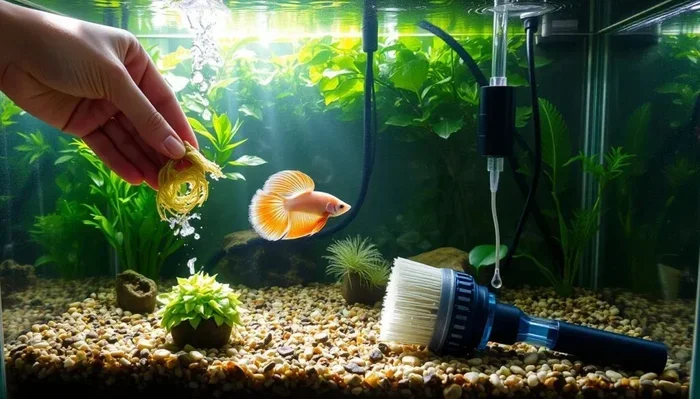
How often do you need to change betta fish tank water? The answer depends on tank size, filtration, and stocking levels. Most experts recommend a 25-50% water change every one to two weeks for a properly filtered tank. Without a filter, you may need to change water more frequently to maintain healthy water parameters for your betta.
This is a comprehensive guide about how.often dp u need to.change betta.fish tanks.
Key Takeaways
- Weekly Maintenance: Small tanks under 5 gallons need water changes every 3-5 days to stay safe.
- Partial Changes Are Best: Always remove 25-50% of the water rather than doing a full swap.
- Watch Your Parameters: Ammonia and nitrate levels dictate how often you really need to change water.
- Filter Matters: A good filter reduces how often you need to change water significantly.
- Temperature Stability: Always match the new water temperature to the tank before adding it.
- Consistency Wins: Stick to a regular schedule rather than guessing when to change water.
[FEATURED_IMAGE_PLACEHOLDER]
Keeping a betta fish tank clean is one of the most important parts of fish care. But the question everyone asks is: how often do you need to change betta fish tank water? The truth is, there is no single answer that fits every setup. Your tank size, filter type, feeding habits, and even the number of fish all play a role.
Many new betta owners either change water too often or not often enough. Both mistakes can harm your fish. Changing water too frequently can strip away beneficial bacteria that keep your tank stable. Not changing it enough leads to toxic buildup that stresses your betta.
This guide breaks down everything you need to know about betta fish water change frequency. You will learn the exact schedules for different tank sizes, how to test your water, and simple steps to make the process easy. By the end, you will feel confident about keeping your betta’s home clean and safe.
Why Water Changes Matter for Betta Fish
Bettas produce waste just like any other fish. That waste breaks down into ammonia, which is toxic even in small amounts. In the wild, rivers and streams constantly dilute these toxins. But in a home aquarium, the water stays still unless you actively change it.
A partial water change removes built-up waste, excess food, and harmful chemicals. It also replenishes essential minerals that your betta needs to thrive. Without regular changes, your tank becomes a toxic environment fast.
The Nitrogen Cycle in Your Tank
Every aquarium goes through the nitrogen cycle. Beneficial bacteria convert ammonia into nitrite and then into nitrate. Nitrate is less harmful but still buildss up over time. Water changes are the only way to remove nitrate effectively.
Here is a simple breakdown of what happens without water changes:
- Day 1-3: Fish waste and food decay, producing ammonia.
- Day 3-7: Beneficial bacteria start converting ammonia to nitrite.
- Week 2-4: Nitrite converts to nitrate, which accumulates steadily.
- Week 4+: Nitrate levels reach dangerous levels without a water change.
This cycle shows why betta tank maintenance is so important. Even with a healthy filter, you still need to physically remove nitrate through water changes. The filter handles biological waste, but only fresh water dilutes what remains.
How Often Should You Change Your Betta Fish Tank Water?
The general rule for how often do you need to change betta fish tank water depends on your specific setup. Let us look at the most common scenarios so you can find what works for you.
For Tanks With a Filter (5 Gallons and Up)
If your betta lives in a filtered tank of 5 gallons or larger, a 25-30% water change every 7-10 days is ideal. The filter handles much of the biological waste, so you do not need to change water as often. However, nitrate still buildss up between changes.
Some aquarists prefer a 50% water change every two weeks instead. Both schedules work well as long as you stay consistent. The key is to never let more than two weeks pass without at least a partial change.
For Tanks Without a Filter (Bettas Bowls and Small Containers)
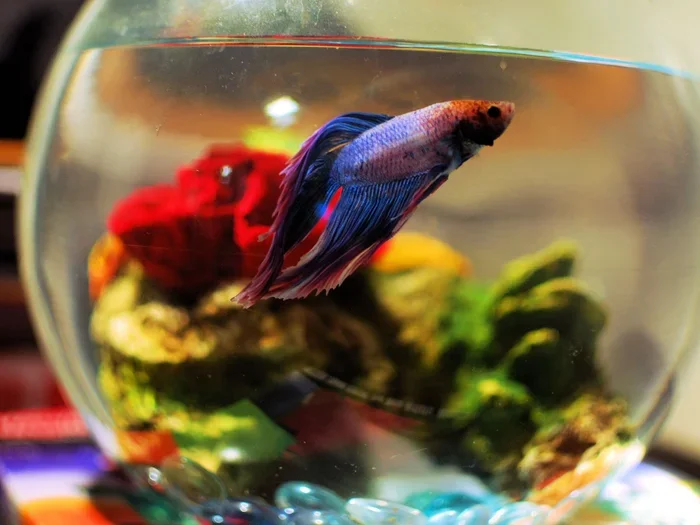
Bettas kept in unfiltered bowls or small containers need much more frequent attention. A bowl under 3 gallons may require a 50% water change every 2-3 days. The lack of beneficial bacteria means waste accumulates faster and there is nothing to break it down.
This is one reason many experts recommend at least a 5-gallon tank with a filter for bettas. It gives your fish a healthier environment and reduces the frequency of water changes you need to perform.
For Tanks With Multiple Fish
Even though bettas are often kept alone, some setups include community tanks. More fish means more waste, which means you need to change water more often. A heavily stocked tank might need a 25% change every 5-7 days.
Always test your water before deciding on a schedule. If ammonia or nitrite reads above zero, you need to change water immediately regardless of your normal schedule.
How to Test Your Water Like a Pro
Guessing when to change water is never a good idea. A simple water test kit takes the guesswork out of fish tank cleaning. You can test for ammonia, nitrite, nitrate, and pH right at home.
Here are the safe ranges for betta fish:
- Ammonia: 0 ppm (zero is the only safe level)
- Nitrite: 0 ppm (zero is the only safe level)
- Nitrate: Below 20 ppm (ideally under 10 ppm)
- pH: 6.5 to 7.5 (stable pH matters more than the exact number)
If your nitrate creeps above 20 ppm between scheduled changes, you may need to change water more frequently. Testing once a week helps you spot trends early and adjust your routine accordingly.
Quick Tips for Accurate Testing
- Always test water at the same time of day for consistent results.
- Replace test kit reagents every year to ensure accuracy.
- Keep a log of your test results to track patterns over time.
- Test the tap water too, since it may contain chlorine or chloramine.
The Step-by-Step Water Change Process
Knowing how often to change betta fish tank water is only half the battle. Doing it correctly matters just as much. A proper water change for betta fish removes waste without stressing your fish or disrupting beneficial bacteria.
Step 1: Prepare Fresh Water
Start by filling a clean bucket with dechlorinated water. Use a water conditioner to neutralize chlorine and chloramine from tap water. Let the water sit for 15-20 minutes so it reaches room temperature. Temperature shock is one of the biggest stressors for bettas.
Step 2: Remove Old Water
Use a gravel vacuum or siphon to remove 25-50% of the tank water. A gravel vacuum also pulls out debris from the substrate, which makes a big difference in water quality. Focus on areas where waste collects, like corners and under decorations.
Step 3: Add Fresh Water Slowly
Pour the new water gently into the tank. Avoid disturbing the substrate too much. If the temperature of the new water matches the tank, your betta will barely notice the change. Add water conditioner directly to the new water before pouring it in for best results.
Step 4: Check Parameters After 24 Hours
Test the water the next day to confirm that ammonia and nitrite remain at zero. This gives you peace of mind that your tank is stable after the change. If levels are off, you may need to adjust your maintenance routine.
Common Mistakes People Make With Water Changes
Even experienced fish keepers make mistakes. Knowing what to avoid saves you time and keeps your betta healthy. Here are the most common errors people make with betta fish tank water changes.
Changing Too Much Water at Once
Some owners panic and drain 80-100% of the tank water. This is a serious mistake. A full water change wipes out all beneficial bacteria and destabilizes the entire ecosystem. Your betta may also go into shock from the sudden change in water chemistry.
Stick to partial changes of 25-50%. This removes waste while preserving the bacterial colonies that keep your tank cycling properly.
Ignoring Water Temperature
Bettas are tropical fish that need stable temperatures between 78-80°F. Adding cold or hot water without matching the temperature causes stress. Stressed fish become more susceptible to disease and lose their vibrant colors.
Always use a thermometer to check the temperature before mixing new water into the tank. A small temperature difference of just a few degrees can bother your fish.
Forgetting to Treat New Water
Tap water contains chlorine and chloramine that are harmful to fish. Even small amounts can damage your betta’s gills and respiratory system. Always use a water conditioner every time you add new water to the tank.
This is a non-negotiable step in how to change a betta fish water routine. Never skip it, even if you think the water looks clean.
How Tank Size Affects Your Water Change Schedule
The size of your betta fish tank directly impacts how often you need to change water. Smaller tanks have less water volume, which means waste concentrates faster. Larger tanks dilute waste more effectively, giving you more breathing room.
Here is a quick comparison of recommended water change frequencies based on tank size:
- 1-3 gallon tank (no filter): 50% change every 2-3 days
- 5 gallon tank (with filter): 25-30% change every 7-10 days
- 10 gallon tank (with filter): 20-25% change every 10-14 days
- 20+ gallon tank (with filter): 15-20% change every 2 weeks
These numbers assume you are feeding your betta appropriately and the tank is not overstocked. If you feed more than recommended or have additional fish, you may need to adjust the schedule to be more frequent.
For more guidance on choosing the right home for your betta, check out our article on how big do betta fish tanks need to be to understand the ideal tank sizes for your fish.
Signs Your Betta Needs a Water Change Sooner
Even with a set schedule, sometimes your tank needs attention before the next scheduled change. Watch for these warning signs that your betta fish water change is overdue:
- Cloudy or murky water that does not clear after settling
- A strong ammonia smell coming from the tank
- Your betta staying near the surface more than usual
- Loss of color or fading of the fins
- Increased lethargy or loss of appetite
- Visible algae blooms that seem to appear overnight
If you notice any of these signs, test your water immediately and do a partial change right away. Acting quickly can prevent serious health problems for your betta.
For more information on what to do if your betta shows signs of distress after a water change, visit our guide on how to save dying betta fish after water change.
Final Thoughts on Betta Fish Tank Water Changes
The bottom line is that how often you need to change betta fish tank water depends on your specific setup. A filtered 5-gallon tank needs less frequent changes than an unfiltered bowl. The key is consistency and observation. Stick to a schedule, test your water regularly, and adjust based on what you see.
Remember that water changes are not just about removing dirt. They are about maintaining a stable, healthy environment where your betta can thrive. A clean tank leads to a happy fish, and a happy fish leads to years of enjoyment for you.
Start by setting a reminder on your phone for weekly or bi-weekly water changes. Once it becomes part of your routine, it takes only minutes. Your betta will thank you with bright colors, active swimming, and a long, healthy life.
For tips on feeding schedules that complement your water change routine, read our article on how often do you need to feed a betta fish to understand the full picture of betta care.
FAQs
Can I change my betta fish tank water every day?
Changing water every day is unnecessary for most setups and can actually harm your tank. Frequent full or large water changes strip away beneficial bacteria and destabilize the nitrogen cycle. Stick to partial changes of 25-30% every 7-10 days for a filtered tank, and you will keep your betta healthy without overdoing it.
What happens if I don’t change my betta fish tank water for too long?
Without regular water changes, ammonia and nitrate levels rise to toxic levels. Your betta may develop gill damage, fin rot, or become lethargic and lose its appetite. In severe cases, prolonged exposure to poor water quality can be fatal. Always stay on a consistent schedule to prevent these problems.
Do I need a water conditioner every time I change water?
Yes, every single time. Tap water contains chlorine and chloramine that are toxic to bettas. A water conditioner neutralizes these chemicals instantly. Skipping this step, even once, can harm your fish’s gills and respiratory system. It is a small step that makes a big difference.
Is it better to change water more often with smaller amounts?
Yes, frequent small changes are generally better than infrequent large ones. They keep nitrate levels stable and minimize stress on your fish. A 20-25% change weekly is often more effective than a 50% change every two weeks. This approach mimics the natural water flow bettas would experience in the wild.
How can I tell if my tap water is safe for my betta fish tank?
Most tap water contains chlorine or chloramine, which are harmful to fish. Check with your local water supplier or use a tap water test kit. Always treat tap water with a conditioner before adding it to your tank. If your water has high mineral content, consider using filtered or bottled water for your betta.
Should I clean the filter during a water change?
No, never clean your filter media during a water change. Rinsing filter media in tap water kills the beneficial bacteria that live there. Instead, gently squeeze filter media in old tank water removed during the water change. Replace filter media only when it falls apart or stops flowing, typically every 4-6 weeks.
Frequently Asked Questions
What is how.often dp u need to.change betta.fish tanks?
how.often dp u need to.change betta.fish tanks is an important topic with many practical applications.