Can I Put Any Other Fish with My Betta

Can you put other fish with your betta? Yes, but not just any fish will do. Bettas are territorial and aggressive, so choosing the right tank mates is critical. This guide covers the best companions, dangerous matches, and expert tips for a peaceful community tank.
[FEATURED IMAGE_PLACEHOLDER]
Key Takeaways
- Bettas are naturally territorial: Male bettas especially will attack fish that invade their space or have long, colorful fins.
- Not all fish are compatible: Species like goldfish, guppies, and tiger barbs are common but risky choices for betta tanks.
- Peaceful bottom-dwellers work best: Corydoras catfish and loaches are excellent because they occupy a different area of the tank.
- Invertebrates make great tank mates: Snails and shrimp are often the safest companions for betta fish.
- Tank size matters a lot: A minimum of 10 gallons is recommended when housing bettas with other fish to reduce aggression.
- Always have a backup plan: Keep a separate tank or divider ready in case your betta shows aggression toward new tank mates.
- Monitor behavior closely: Watch for signs of stress, fin nipping, or hiding during the first 48 hours after introducing new fish.
📑 Table of Contents
Understanding Your Betta’s Personality
So you’ve got a beautiful betta fish swimming around in a tank, and now you’re thinking about adding some company. It’s a natural thought. A tank with just one fish can feel a little empty, and you might wonder if your betta is lonely. Before you rush out to buy tank mates, let’s talk about what makes bettas tick.
Bettas, also known as Siamese fighting fish, have a reputation for a reason. They were originally bred in Thailand for fighting. That aggressive instinct is still very much alive in your pet betta today. Male bettas in particular are fiercely territorial. In the wild, they claim a small patch of water and defend it against all intruders. That instinct doesn’t disappear just because they’re living in a glass tank in your living room.
But here’s the good news. Not every betta is a raging bully. Some bettas have surprisingly calm personalities. They might flare up at their own reflection but remain perfectly peaceful toward other fish. The tricky part is that you won’t know your betta’s true personality until you test the waters. That’s why careful planning and observation are so important when answering the question: can I put any other fish with my betta?
If you’re looking for a detailed breakdown of compatible species, check out our guide on what fish can I put with my betta for a comprehensive list of safe options.
Why You Can’t Just Add Any Fish
It’s tempting to walk into a pet store and grab whatever fish catches your eye. But betta fish are not like most community fish. Throwing just any fish into a betta tank is a recipe for disaster. Here’s why.
Bettas See Long Fins as a Threat
When a betta sees another fish with long, flowing fins, its brain registers a rival. Male guppies, for example, have gorgeous tail fins that look almost like another betta. Your betta will likely attack them on sight. This isn’t about hunger or curiosity. It’s pure territorial instinct. The betta perceives the other fish as a competitor and will not back down.
Aggression Isn’t Limited to Other Bettas
Many people know that two male bettas cannot live together. But aggression extends far beyond their own species. Bettas may attack fish that are brightly colored, fast-moving, or simply in the wrong place at the wrong time. Even peaceful fish can trigger a betta’s fighting response if they swim through the betta’s perceived territory.
Some Fish Nip Fins
The problem isn’t always one-sided. Some fish species are notorious fin nippers. Tiger barbs, for instance, are famous for nipping at the long fins of other fish. A betta with its elaborate tail is an easy target. Fin nipping causes stress, injury, and can lead to serious infections. So even if your betta doesn’t start a fight, another fish might.
Water Parameter Conflicts
Different fish need different water conditions. Bettas prefer warm water between 76 and 82 degrees Fahrenheit with a slightly acidic to neutral pH. Goldfish, on the other hand, prefer cooler water. Keeping species with incompatible needs in the same tank means someone will always be stressed. Stressed fish get sick more easily, and sick fish don’t last long.
The Best Tank Mates for Betta Fish
Now let’s get to the exciting part. There are actually several fish and invertebrates that can live peacefully with betta fish. The key is choosing species that occupy different areas of the tank, have calm temperaments, and don’t have flashy fins that trigger aggression.
Corydoras Catfish
Corydoras are arguably the number one recommended betta tank mate. These small, peaceful catfish live at the bottom of the tank. They mind their own business, scavenging for leftover food and going about their day. Because they stay low and don’t have flashy fins, bettas generally ignore them. A group of six corydoras is ideal since they’re social fish that prefer company. Just make sure your tank is big enough to accommodate them.
Kuhli Loaches
Kuhli loaches are another excellent bottom-dweller option. These eel-like fish are shy and spend most of their time hiding in substrate and decorations. They’re peaceful, interesting to watch, and completely ignore bettas. A group of three to five kuhli loaches works well in a community tank with a betta. They also help keep the tank clean by eating food that settles on the bottom.
Harlequin Rasboras
If you want mid-level swimmers, harlequin rasboras are a fantastic choice. They’re peaceful, schooling fish that stick to themselves. Their subdued coloration doesn’t trigger betta aggression, and they’re fast enough to avoid any confrontations. Keep them in a group of at least six for best results. They add movement and life to the middle section of your tank without causing problems.
Neon Tetras
Neon tetras are small, peaceful, and fast. Their tiny size and quick movements make them difficult for bettas to catch or bother. However, there’s a small risk. Some bettas do chase neon tetras, especially in smaller tanks. If you have a 10-gallon tank or larger and introduce a school of at least eight neon tetras, the odds of a peaceful coexistence go up significantly. Always monitor the first few days closely.
Ghost Shrimp and Cherry Shrimp
Shrimp are often the safest betta tank mates. They’re small, transparent or subtly colored, and spend their time cleaning algae off plants and decorations. Ghost shrimp are particularly good because they’re nearly invisible to bettas. Cherry shrimp are more colorful, which can be a risk with aggressive bettas, but many betta owners keep them successfully. Shrimp also serve as a cleanup crew, which is a nice bonus.
Snails
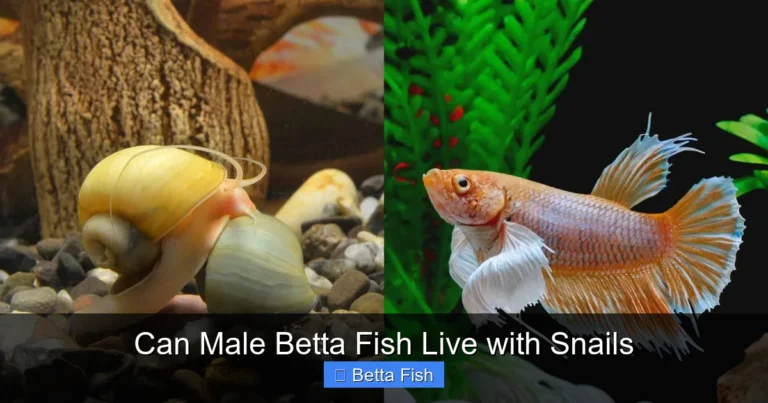
Snails are the ultimate low-risk tank mate. Mystery snails and nerite snails are popular choices. They move slowly, have hard shells for protection, and do an excellent job cleaning algae. Bettas generally ignore snails completely. Some bettas might nip at a snail’s antennae out of curiosity, but this rarely causes serious harm. Snails are a great option if you want to add life to your tank with virtually zero risk.
For more specific recommendations, our article on can you put other fish with a betta dives deeper into species-by-species compatibility.
Fish You Should Never Put with a Betta
Just as important as knowing what works is knowing what doesn’t. Some fish are almost guaranteed to cause problems in a betta tank. Avoid these species at all costs.
Other Male Bettas
This one should be obvious, but it’s worth stating clearly. Two male bettas in the same tank will fight. These fights often end in death. There is no way to make this work without a solid divider. Even with a divider, the constant visual presence of a rival can cause chronic stress for both fish.
Goldfish
Goldfish are one of the worst possible tank mates for bettas. They need much cooler water. They produce enormous amounts of waste. They’re slow-moving with long fins that bettas love to attack. And they grow much larger than most people realize. There is no scenario where a goldfish and a betta should share a tank.
Guppies
Guppies are often sold as beginner fish, but they’re a poor match for bettas. Male guppies have bright, flowing fins that look like a rival betta. Your betta will almost certainly attack them. Female guppies are less flashy but still risky. The constant breeding and fast movements of guppies can also stress a betta. Learn more about this specific pairing in our article on can we put betta fish with guppies.
Tiger Barbs
Tiger barbs are aggressive fin nippers. They’re fast, they’re mean, and they will shred your betta’s beautiful fins. Even a single tiger barb can cause problems. A school of tiger barbs is even worse. These fish have no place in a betta tank.
Aggressive Cichlids
Any cichlid species is a bad idea. Cichlids are territorial, aggressive, and often much larger than bettas. They will dominate the tank and likely kill your betta. This includes popular species like oscars, jack dempseys, and African cichlids.
Betta Fish with Other Betta Fish
Female bettas can sometimes live together in groups called sororities, but this is an advanced setup that requires a large tank, plenty of hiding spots, and careful monitoring. Male and female bettas should only be together temporarily for breeding. Two male bettas should never share a tank. For more on this topic, read our guide on can betta fish live with other betta fish.
Setting Up a Successful Betta Community Tank
Choosing the right fish is only half the battle. You also need to set up the tank properly to give everyone the best chance at a peaceful life.
Tank Size Is Critical
A 5-gallon tank is fine for a single betta. But if you want to add tank mates, you need more space. A 10-gallon tank is the minimum for a small community. A 20-gallon long tank is even better. More space means each fish can establish its own territory. Crowded tanks lead to stress, aggression, and conflict. Don’t try to squeeze too many fish into a small tank.
Provide Plenty of Hiding Spots
Every fish needs a place to retreat when it feels threatened. Use live or silk plants, caves, driftwood, and decorations to create multiple hiding spots throughout the tank. Break up sight lines so fish can avoid each other when needed. Dense planting near the bottom and middle of the tank gives shy fish places to hide while leaving open swimming space near the top for your betta.
Introduce Tank Mates Carefully
Never just dump new fish into your betta’s tank. Use a quarantine tank for at least two weeks to make sure new fish are healthy. When you’re ready to introduce them, rearrange the tank decorations first. This disrupts your betta’s established territory and makes the tank feel like new territory for everyone. Add the new fish before the betta if possible, or use a tank divider during the introduction period.
Monitor Behavior for 48 Hours
The first two days are critical. Watch for signs of aggression from your betta, such as flaring, chasing, or biting. Also watch for signs of stress in the new fish, including hiding constantly, loss of color, or refusal to eat. If aggression is severe, remove the new fish immediately. Mild posturing is normal, but persistent attacks are not.
Maintain Excellent Water Quality
More fish means more waste. A community tank needs more frequent water changes and a robust filtration system. Test your water parameters weekly. Ammonia and nitrite should always be zero. Nitrates should stay below 20 ppm. Poor water quality stresses all fish and makes aggression worse. A healthy tank is a peaceful tank.
Signs Your Betta Is Stressed or Unhappy
Even with the best planning, things can go wrong. Knowing the signs of stress helps you act quickly before the situation gets worse.
Constant hiding: If your betta spends all its time hiding behind decorations or at the bottom of the tank, something is wrong. A happy betta explores its environment and swims actively.
Loss of color: Stress causes bettas to lose their vibrant colors. A pale or washed-out betta is a stressed betta.
Clamped fins: When a betta holds its fins close to its body instead of fanning them out, it’s a sign of stress or illness.
Refusing to eat: Bettas are usually enthusiastic eaters. If your betta ignores food, it’s stressed or sick.
Excessive aggression: Some aggression is normal. But if your betta relentlessly attacks tank mates, the situation isn’t working. You’ll need to separate the fish.
Damaged fins: Torn or ragged fins on your betta or other fish indicate fighting. This needs immediate attention.
If you’re unsure about your betta’s mood, our article on how can I tell if my betta fish is happy provides a detailed checklist of happy versus stressed behaviors.
What to Do When Things Go Wrong
Sometimes, despite your best efforts, the community tank experiment fails. Your betta might be too aggressive, or the other fish might not work out. Here’s what to do.
Have a backup tank ready. A simple 5-gallon tank with a heater and filter can serve as a quarantine or permanent home for either your betta or the tank mates. Always plan for this possibility before you start.
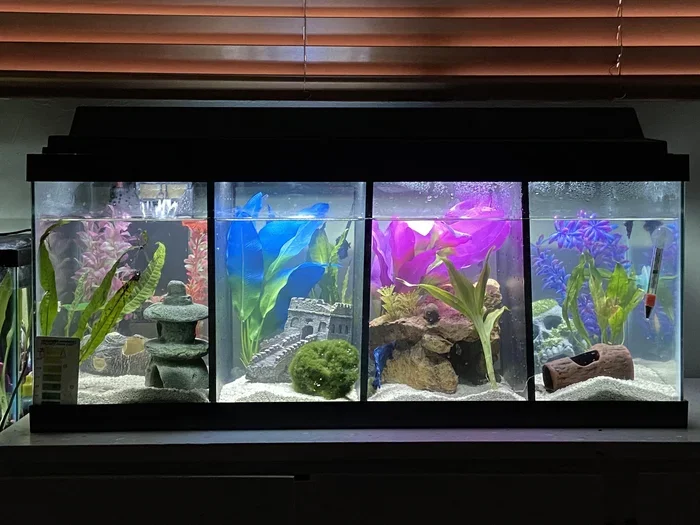
Use a tank divider. If you don’t have a separate tank, a mesh divider can split your tank into two sections. This allows fish to see each other without physical contact. Over time, this can sometimes reduce aggression, but it’s not a guaranteed solution.
Remove the aggressor. If your betta is the problem, consider moving the betta to its own tank and keeping the community fish together. If a tank mate is causing trouble, remove that fish instead.
Don’t force it. Some bettas are simply too aggressive to live with other fish. That’s okay. Your betta can live a perfectly happy life alone in a well-decorated tank. A solo betta with plants, caves, and the right care can thrive for years without any tank mates.
Conclusion
So, can I put any other fish with my betta? The answer is yes, but with careful planning and the right choices. Corydoras catfish, kuhli loaches, harlequin rasboras, shrimp, and snails are all excellent options that can coexist peacefully with betta fish. Avoid aggressive species, fin nippers, and fish with flashy fins like guppies and tiger barbs.
Remember that every betta is different. What works for one betta might not work for another. Start with the safest options, provide plenty of space and hiding spots, and always monitor behavior closely. Have a backup plan ready just in case. With patience and the right approach, you can create a beautiful, peaceful community tank that your betta and its tank mates will thrive in.
The key takeaway is this: you can’t put just any fish with a betta, but you absolutely can find the right companions. Take your time, do your research, and prioritize the well-being of every fish in your tank. Your betta will thank you for it.
Frequently Asked Questions
Can I put any other fish with my betta?
You can put certain peaceful fish with your betta, but not just any fish. Good options include corydoras catfish, kuhli loaches, harlequin rasboras, and snails. Avoid aggressive or long-finned fish that may trigger your betta’s territorial instincts.
What is the best tank size for a betta with other fish?
A minimum of 10 gallons is recommended for a betta community tank. A 20-gallon long tank is even better because it provides more swimming space and allows each fish to establish its own territory, reducing aggression and stress.
Can betta fish live with guppies?
Guppies are generally not recommended as betta tank mates. Male guppies have bright, flowing fins that can trigger betta aggression. Even female guppies may cause problems due to their fast movements and active behavior.
Are snails good tank mates for betta fish?
Yes, snails are excellent tank mates for betta fish. Mystery snails and nerite snails are peaceful, help clean algae, and are generally ignored by bettas. They’re one of the safest options for adding life to a betta tank.
How do I introduce new fish to my betta’s tank?
Quarantine new fish for at least two weeks first. Rearrange tank decorations before adding new fish to disrupt established territories. Monitor behavior closely for the first 48 hours and be ready to separate fish if aggression occurs.
What should I do if my betta attacks other fish?
Remove the affected fish immediately to prevent injury. Use a tank divider or move your betta to a separate tank. Some bettas are simply too aggressive for community living, and that is perfectly normal.