How You Know Your Betta Fish Is Happy

Knowing how you know your betta fish is happy comes down to watching their colors, energy, appetite, and behavior. A happy betta shows bright fins, swims actively, builds bubble nests, and eagerly eats food. This guide covers every clear sign of a content betta fish and shares practical tips to keep your fish thriving.
Have you ever watched your betta fish glide through the water and wondered if it was truly happy? How you know your betta fish is happy is simpler than you might think. Bettas are expressive creatures. They show their feelings through colors, movement, eating habits, and even the little nests they build. Once you learn the signs, you can tell at a glance whether your fish is thriving or struggling.
Understanding betta fish behavior is the key to being a great fish parent. A happy betta has bright, flowing fins and a strong appetite. It explores its tank, interacts with you, and builds bubble nests when it feels safe. On the flip side, a stressed or sick betta will fade in color, hide at the bottom, or stop eating altogether. This guide walks you through every sign of a happy betta fish so you can give your pet the best life possible.
Whether you are a first-time fish owner or a seasoned betta keeper, knowing these happy fish indicators helps you catch problems early and celebrate the good days. Let us dive into the signs that show your betta is living its best life.
Key Takeaways
- Vibrant colors and clear fins are the first visual clues that your betta is healthy and happy.
- Active swimming and curious exploration show your betta feels safe in its tank.
- Building bubble nests and flaring playfully are strong signs of a content betta fish.
- A good appetite and eager feeding response mean your betta is feeling well.
- A clean tank, proper temperature, and enrichment are the foundation of betta fish happiness.
- Watch for stress signs like faded colors or hiding, which signal an unhappy fish.
📑 Table of Contents
Top Signs Your Betta Fish Is Happy
The easiest way to check on your betta is to look for a few key happy betta fish signs. These visible clues tell you a lot about how your fish feels inside its tank. Most of these signs are simple to spot if you know what to look for.
Vibrant, Rich Colors
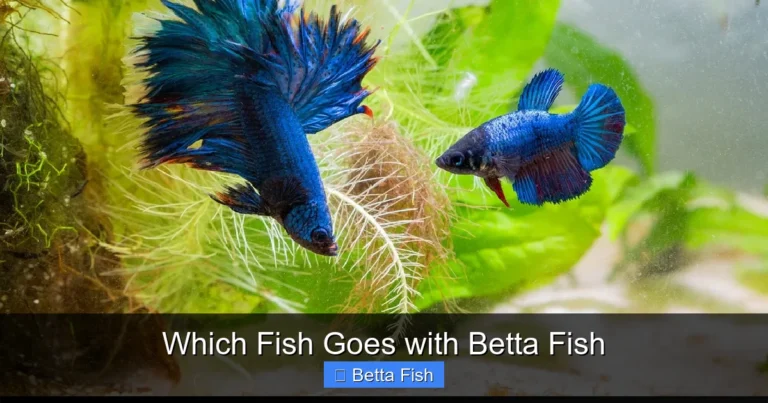
A happy betta fish shows off bold, vivid colors. Think deep blues, bright reds, and lush greens in the fins. When a betta is stressed or sick, its colors fade. You might notice the fish looking pale or washed out. If your betta looks like it is glowing, that is a great sign. The betta fish body language of a colorful fish says, “I feel safe and healthy.”
Strong, Steady Appetite
Betta fish appetite is one of the clearest happiness markers. A happy betta gets excited at feeding time. It swims to the top of the tank eagerly and eats with enthusiasm. If your fish ignores food or spits it out, something might be wrong. Regular feeding with the right amount of food keeps your betta energized and content.
Active, Curious Swimming
A happy betta loves to explore. You will see it swimming around the whole tank, checking out plants, decorations, and even the glass walls. It moves with smooth, steady motions. A stressed betta tends to stay in one corner or hover listlessly near the bottom. Active movement is one of the best betta fish wellness indicators you can watch for.
Body Language and Physical Signs
Betta fish body language is surprisingly easy to read once you understand the basics. Every flick of a fin and every tilt of the body sends a message. Learning this language helps you respond quickly to your fish’s needs.
Fins Held Open and Relaxed
When a betta is happy, its fins spread out naturally. The fins look full and flowing, not clamped tight against the body. Clamped fins are a classic stress sign in fish. If your betta keeps its fins open and relaxed, it feels comfortable in its space. This is one of the most reliable happy betta fish signs to watch.
Flaring as Play, Not Fear
Betta fish flare their fins to show dominance or excitement. A happy betta might flare at you or at its own reflection in a playful way. This is different from aggressive flaring caused by another fish nearby. Playful flaring shows confidence and curiosity. It means your betta feels secure enough to express itself.
Bubble Nests Show Contentment
One of the most fascinating signs of a happy betta fish is a bubble nest. Male bettas build these nests at the surface of the water. They blow tiny bubbles and stick them together. A healthy bubble nest means your betta feels safe and ready for the future. Even if you do not plan to breed your fish, a bubble nest is a wonderful betta fish behavior indicator.
Behavioral Clues of a Happy Betta
Beyond physical signs, your betta’s daily habits reveal a lot about its mood. Betta fish behavior patterns tell you whether your fish enjoys its environment or feels anxious.
Curiosity About the Tank
A happy betta checks out every corner of its tank. It might follow your finger along the glass or watch you move around the room. This curiosity shows the fish feels safe enough to explore. Bettas are naturally curious creatures, and a curious betta is a healthy betta.
Responding to You
Many betta fish learn to recognize their owners. Your betta might swim to the front of the tank when you approach or even do tricks for food. How you play with your betta fish also strengthens this bond. A betta that reacts to your presence is engaged and happy. This kind of interaction is a real joy for any fish keeper.
Peaceful Resting Patterns
Do not worry if your betta rests on a leaf or sits still for a while. Bettas need sleep just like we do. A happy betta rests peacefully and wakes up refreshed. It should not stay motionless for long hours or lie at the bottom constantly. Normal resting patterns are part of a happy fish routine.
Creating the Perfect Environment for a Happy Betta
A big part of how you know your betta fish is happy comes down to the tank setup. A well-designed environment makes all the difference in your fish’s mood and health.
Keep the Water Clean
Clean water is the foundation of betta fish care. A dirty tank causes stress, illness, and faded colors. You should change a portion of the water regularly and keep the filter running. How often you clean your betta fish bowl depends on the tank size, but a good rule is to do partial water changes every week or two.
Maintain the Right Temperature
Bettas are tropical fish and need warm water. The ideal temperature is between 76 and 82 degrees Fahrenheit. How to keep your betta fish warm is essential, especially in cooler rooms. A small heater designed for fish tanks works wonders. A betta in comfortable water is a betta that feels good and acts happy.
Add Enrichment and Decorations
A boring tank makes for a bored fish. Add live or silk plants, caves, and gentle decorations. These give your betta places to explore and rest. You can even teach your betta fish to do tricks or set up games with your betta fish to keep it mentally stimulated. Enrichment is a simple way to boost your fish’s quality of life.
Feed a Balanced Diet
Variety in diet keeps your betta healthy and excited about mealtime. High-quality betta pellets should be the staple. You can add treats like brine shrimp for betta fish or small pieces of boiled pea. Just remember that overfeeding your betta fish can cause health problems. Feed small amounts once or twice a day and remove any uneaten food.
Common Signs of an Unhappy Betta Fish
It is just as important to know what an unhappy betta looks like. Spotting stress signs early helps you fix problems before they become serious.
Faded or Dull Colors
If your betta’s bright colors start to fade, something is off. Stress, poor water quality, or illness can all cause this change. A sick betta fish often looks pale or washed out. Check your water parameters and watch for other symptoms if you notice color loss.
Hiding and Staying Still
A betta that hides all the time or stays at the bottom of the tank is not feeling well. While bettas do rest, constant hiding is a red flag. This behavior could mean the water is too cold, the tank is too bright, or there is a health issue. If you are ever unsure, it helps to learn how do you know if your betta fish is dying so you can act fast in serious situations.
Loss of Appetite
Skipping meals once in a while is normal. But if your betta refuses food for more than a day or two, pay attention. A loss of appetite often signals illness or stress. Try offering a different food type and check the water temperature. If the problem continues, a closer look at betta fish health is needed.
How to Keep Your Betta Fish Happy Long-Term
Keeping a happy betta is an ongoing process. Small, consistent actions add up to a much better life for your fish. Here are some simple habits that make a big difference.
- Do regular water changes. Even small tanks benefit from weekly partial changes. Clean water prevents disease and keeps your betta comfortable.
- Watch the temperature daily. A stable, warm environment reduces stress. A heater with a thermostat makes this easy.
- Add tank mates carefully. Bettas can be territorial. Choose peaceful tank mates or keep your betta solo in a proper-sized tank.
- Offer variety in diet. Rotate between pellets, frozen foods, and occasional treats. This keeps mealtime exciting and nutrition balanced.
- Spend time with your fish. Talking to your betta or gently placing your hand near the tank builds trust. How to grow a bond with your betta fish takes patience but is very rewarding.
Following these steps gives your betta the best chance to live a long, happy life. A well-cared-for betta can thrive for three to five years or even longer. The effort you put in shows in your fish’s bright colors, lively behavior, and overall betta fish wellness.
Quick Tips for a Happier Betta
- Test your water parameters at least once a week.
- Keep the tank away from direct sunlight and cold drafts.
- Use a gentle filter to avoid strong currents that tire your betta out.
- Add floating plants for natural resting spots near the surface.
- Watch your betta every day so you notice changes early.
- Learn the difference between normal behavior and signs your betta fish is sick so you can respond quickly.
Small changes in routine can turn a stressed betta into a joyful one. The more you observe your fish, the better you understand its unique personality and needs.
Conclusion
How you know your betta fish is happy comes down to paying attention to the details. Bright colors, active swimming, a strong appetite, bubble nests, and playful behavior all point to a content fish. On the other hand, faded colors, hiding, and loss of appetite are signs that something needs attention. By providing a clean tank, warm water, good food, and a little enrichment, you create the perfect world for your betta to thrive. Your fish cannot tell you in words how it feels, but its betta fish body language speaks volumes. Watch closely, respond with care, and enjoy the rewarding experience of sharing your home with a happy, healthy betta.
Frequently Asked Questions
How can I tell if my betta fish is happy or sad?
A happy betta shows bright colors, swims actively, eats well, and builds bubble nests. A sad or stressed betta fades in color, hides often, and loses its appetite. Watching these simple signs daily gives you a clear picture of your fish’s mood.
What does a happy betta fish look like?
A happy betta has vivid, flowing fins with rich colors. Its body moves smoothly through the water, and its fins are held open and relaxed. It explores the tank with curiosity and responds to its owner’s presence.
How often should I check my betta fish for signs of happiness?
You should observe your betta every day. Spending a few minutes each morning and evening watching your fish helps you notice changes quickly. Daily observation is the best way to catch problems early and keep your betta thriving.
Can a betta fish be too happy or overstimulated?
Bettas do not get overstimulated in the way some pets do. However, too much activity or a tank that is too small can cause stress. A well-planned tank with plenty of space and gentle enrichment keeps your betta comfortably happy without being overwhelmed.
What should I do if my betta stops showing happy behaviors?
First, check your water quality and temperature. Poor water conditions are the most common cause of behavior changes. If the water is fine, look for physical signs of illness. You can also learn more about how do you know if your betta fish is sick to help identify potential health issues early.
Does tank size affect how happy a betta fish is?
Yes, absolutely. A larger tank gives your betta more room to swim and explore, which directly boosts its happiness. A tank of at least 5 gallons is recommended. A bigger, well-decorated space mimics natural habitats and keeps your betta mentally stimulated and physically active.