How You Know When Your Betta Fish Is Pregnant
Knowing how you know when your betta fish is pregnant involves looking for physical signs like a swollen belly, vertical stripes, and a white ovipositor spot. Behavioral changes such as increased appetite and nesting behavior also signal pregnancy. This guide covers every key sign and what to do next.
Watching your betta fish change can be exciting and a little confusing. If you have a female betta, you might wonder whether that rounder belly means she is pregnant or something else entirely. Understanding the signs of betta fish pregnancy helps you care for your fish at every stage.
Many new fish owners mistake bloating for pregnancy. The truth is, a pregnant betta fish shows very specific physical and behavioral clues that set her apart from a sick or bloated fish. Once you learn these signs, you will feel much more confident in your fishkeeping skills.
This guide walks you through every signal your betta might give you. You will learn what to look for, what to do, and how to tell the difference between pregnancy and common health issues. Whether you are a beginner or a seasoned hobbyist, this information will help you support your fish through the process.
Key Takeaways
- Physical Signs: A rounder belly, vertical stripes, and a visible white spot near the vent are the most reliable indicators.
- Behavioral Clues: Increased appetite, nesting behavior, and restlessness often accompany pregnancy in female bettas.
- Timing Matters: Betta fish gestation lasts roughly 24 to 48 hours after the eggs are released, not from the moment you notice swelling.
- Distinguish From Illness: Many signs of pregnancy overlap with bloating or disease, so careful observation is essential.
- Proper Care: Providing a stress-free environment and proper nutrition supports a healthy pregnant betta fish.
- Next Steps: Preparing a breeding tank and understanding the role of the male betta fish helps ensure successful fry survival.
📑 Table of Contents
Understanding Betta Fish Reproduction
Before diving into the signs, it helps to understand how betta fish reproduce. Female bettas carry eggs inside their bodies, but they do not give birth to live young the way mammals do. Instead, they release eggs, and the male betta fish fertilizes them externally.
The male betta then collects the eggs and places them in a bubble nest. This unique process means that a “pregnant” betta is actually egg-laden, not carrying developing embryos. The term “pregnancy” in bettas refers to the period when the female carries unfertilized or fertilized eggs ready to be released.
How Long Are Betta Fish Pregnant?
A female betta fish does not carry eggs for weeks. The eggs develop inside her over a period of about one to two weeks. Once she releases the eggs, the entire spawning process is relatively quick. The male fertilizes the eggs within seconds of their release.
The bubble nest protects the fertilized eggs for the next 24 to 48 hours until they hatch. So when people ask about betta fish pregnancy, they are really asking about the window when the female is carrying and ready to release eggs.
Physical Signs Your Betta Fish Is Pregnant
The most reliable way to tell if your betta is pregnant is by looking at her body. Physical changes are visible and become more obvious as the eggs develop inside her.
Swollen or Round Belly
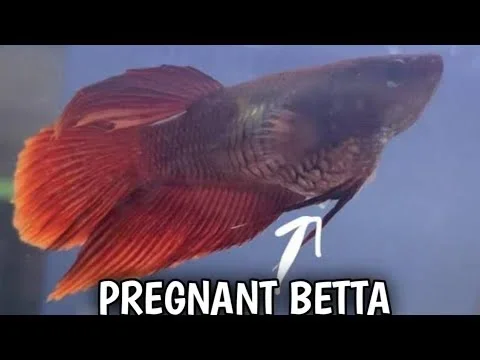
A swollen belly is the most obvious sign of a pregnant betta fish. The belly will look rounder and fuller than usual. However, you should not panic if your fish gets a big belly suddenly. That could be a sign of bloating, which is completely different from pregnancy.
A pregnant betta’s belly will gradually increase in size over one to two weeks. The swelling is usually even all around. If the belly is lopsided or very hard, that could indicate constipation or a more serious health issue.
Vertical Stripes (Breeding Bars)
Female bettas often display vertical stripes on their bodies when they are ready to breed. These stripes are sometimes called “breeding bars” and they run horizontally along the fish’s body. They are usually darker than the fish’s natural color.
These stripes are a strong indicator that your betta is preparing to release eggs. Not all female bettas show these stripes, but when they do appear, it is a clear sign of reproductive readiness.
White Spot Near the Vent (Ovipositor)
Look closely at the area just below your betta’s belly, near the tail. A pregnant betta fish often develops a small white spot called an ovipositor. This is where the eggs will exit her body.
This tiny white dot is easy to miss, but once you know what to look for, it becomes a reliable indicator. If you see this spot combined with a swollen belly, your betta is very likely carrying eggs.
Color Changes
Some female bettas become slightly more vibrant in color when they are carrying eggs. The body may appear brighter or more intense. This change is subtle and not always present, but it can be another clue that your fish is in breeding condition.
Behavioral Signs of a Pregnant Betta Fish
Physical signs tell only part of the story. Your betta’s behavior also changes when she is carrying eggs. Watching how she acts can confirm what her body is telling you.
Increased Appetite
A pregnant betta fish often eats more than usual. She needs extra energy to produce and carry eggs. If your betta suddenly seems hungrier and finishes her food quickly, that could be a sign of egg development.
That said, overfeeding is a real risk. Offer small meals two to three times a day rather than one large feeding. This keeps your fish healthy without causing digestive problems.
Nest Building and Flaring
Interestingly, the female betta may show interest in the bubble nest if a male is present. She might flare at the male or inspect the nest. This behavior is part of the natural mating process and signals that she is ready to spawn.
If you do not have a male betta in the tank, the female may not display this specific behavior. However, restlessness and increased activity can still indicate egg development.
Restlessness and Hiding
Some pregnant bettas become more restless, swimming back and forth or hovering near the surface. Others may hide more than usual. Every fish has a different personality, so watch for changes from her normal routine.
If your normally active betta suddenly becomes lethargic, that could be a sign of illness rather than pregnancy. Pay attention to the full picture, not just one behavior.
Curved Body Position
A pregnant betta may swim with a slightly curved or arched body. This posture helps her carry the eggs more comfortably. You might notice her resting near the bottom of the tank with a gentle curve in her spine.
This is a subtle sign and easy to overlook. Combine it with other physical clues for a more accurate assessment.
How to Tell the Difference Between Pregnancy and Illness
This is one of the most important parts of betta fish care. Many health problems look similar to pregnancy, and mistaking illness for a healthy condition can be dangerous.
Bloating vs. Pregnancy
Bloating causes the belly to swell, but it usually feels firmer and may be accompanied by constipation or swim bladder issues. A pregnant betta’s belly is softer and more evenly round. She will also show other signs like vertical stripes and the ovipositor spot.
If your fish’s belly is very hard and she is having trouble swimming, check our guide on how do you know if your betta fish is sick for help identifying common illnesses.
Dropsy and Other Diseases
Dropsy causes severe swelling and pinecone-like scales. This is a serious condition and has nothing to do with pregnancy. Other diseases like swim bladder disorder can also cause a swollen belly and loss of balance.
The key difference is that pregnancy comes with gradual, even swelling and positive behavioral signs. Disease usually comes with additional symptoms like lethargy, loss of color, clamped fins, or loss of appetite.
When to See a Vet
If you are unsure whether your betta is pregnant or sick, it is always safe to observe her closely for a few days. Take notes on her eating habits, swimming patterns, and physical appearance. If she shows signs of illness, consider consulting a fish veterinarian or experienced aquarist.
What to Do When You Know Your Betta Is Pregnant
Once you confirm that your betta fish is carrying eggs, you can take steps to support her health and prepare for the spawning process.
Create a Comfortable Environment
Keep the water temperature stable between 78 and 80 degrees Fahrenheit. Clean water reduces stress and supports healthy egg development. Perform regular water changes but avoid sudden changes that could shock your fish.
A stress-free tank with gentle filtration and plenty of hiding spots helps your betta feel safe. Plants and decorations give her places to rest and feel secure.
Feed a Nutritious Diet
Offer high-quality betta pellets as the base of her diet. Supplement with frozen or live foods like brine shrimp and bloodworms. These protein-rich foods support egg production and keep your fish in top condition.
Learn more about what bettas can eat in our article on feeding your betta fish brine shrimp and feeding your betta fish human food for safe treat options.
Consider a Breeding Tank
If you plan to breed your bettas, setting up a separate breeding tank is a good idea. This protects the female from the male’s aggression after spawning and gives the eggs a safe environment for development.
A breeding tank should be at least 5 gallons with a gentle heater and sponge filter. Add floating plants or a spawning mop to give the male material to build his bubble nest.
Know When to Separate the Fish
If you keep a male and female together, remove the female once the eggs are released. The male betta may become aggressive during the guarding phase. Separating the fish protects both of them from unnecessary stress and injury.
If you only have a female, she will reabsorb the eggs if no male is present. This is a natural process and nothing to worry about.
Common Mistakes People Make With Pregnant Bettas
Even experienced fish keepers sometimes make mistakes when caring for a pregnant betta. Avoiding these common errors helps ensure a healthy outcome for your fish.
- Assuming all swollen bellies are pregnancy: Bloating, constipation, and disease can mimic the appearance of a pregnant belly. Always look for multiple signs before concluding.
- Overfeeding: A pregnant betta needs quality food, but too much food causes digestive problems. Stick to small, frequent meals.
- Ignoring water quality: Poor water conditions stress your fish and can prevent successful egg development. Test your water regularly.
- Skipping the male betta: If you want to see the full spawning process, you need a male to fertilize the eggs and build a bubble nest. A female alone will simply reabsorb the eggs.
- Disturbing the bubble nest: If a male is present, avoid tapping on the tank or disturbing the nest. This can cause the male to abandon or eat the eggs.
Final Thoughts
Understanding how you know when your betta fish is pregnant empowers you to provide better care for your fish. The combination of a swollen belly, vertical stripes, a white ovipositor spot, and behavioral changes gives you a clear picture of what is happening inside your fish.
Remember that betta fish reproduction is a natural and fascinating process. With the right knowledge and a little patience, you can support your betta through every stage. Whether you are breeding your fish or simply curious about what is happening in your tank, the signs are there if you know where to look.
Pay attention to your fish’s body and behavior. When in doubt, observe, research, and reach out to experienced aquarists for guidance. Your betta fish will thank you with healthy, vibrant energy in return.
Frequently Asked Questions
Can male betta fish get pregnant?
No, male betta fish cannot get pregnant. Only female bettas carry and release eggs. The male’s role is to fertilize the eggs and build a bubble nest to protect them. If you see a male with a swollen belly, it is likely a health issue and not pregnancy.
How long does betta fish pregnancy last?
The eggs develop inside the female for about one to two weeks. Once released, the male fertilizes them immediately. The eggs then hatch in the bubble nest within 24 to 48 hours. The entire process from egg development to hatching takes roughly two to three weeks.
Can a betta fish be pregnant without a male present?
Yes, a female betta can carry eggs without a male. However, without a male to fertilize them, she will eventually reabsorb the eggs. This is perfectly natural and does not harm the female in any way.
What does a betta fish egg look like?
Betta fish eggs are tiny, white, and oval-shaped, often compared to the size of a pinhead. They are not round like mammalian eggs. You will usually see them in clusters, and the male betta collects them carefully to place in the bubble nest.
Is my betta fish fat or pregnant?
A fat betta fish usually has a uniformly round belly that does not change much over time. A pregnant betta’s belly grows gradually, and she will show other signs like vertical stripes, increased appetite, and a white ovipositor spot. Comparing her current appearance to her usual body shape helps you tell the difference.
Should I separate my pregnant betta from other fish?
It is a good idea to keep a pregnant female betta in a peaceful tank with no aggressive tankmates. However, you do not necessarily need to isolate her unless you are planning to breed her with a male. A calm environment reduces stress and supports healthy egg development.