How to Prepare a 10 Gallon Pond for Betta Fish
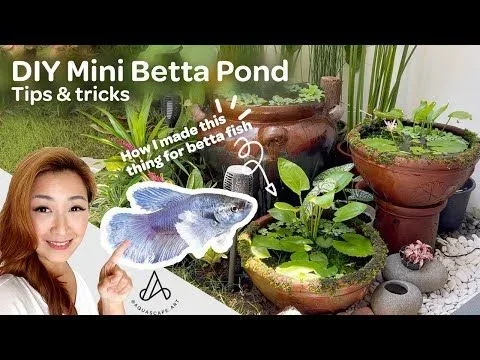
Setting up a 10 gallon pond for your betta fish is easier than you think. This guide walks you through every step, from choosing the right location to preparing clean, safe water. You will learn how to cycle the pond, add plants, and maintain a healthy environment your betta will thrive in.
A 10 gallon pond can be a beautiful and rewarding home for your betta fish. Many fish owners assume ponds are only for outdoor gardens or larger species. But the truth is, a small pond setup works wonderfully for bettas. These colorful fish love space to explore, and a 10 gallon pond gives them just that.
If you have been thinking about moving your betta from a bowl or tank to a pond, this guide is for you. We will cover everything you need to know. From picking the right location to preparing the water, you will find clear, practical steps that make the process simple. Let us get started.
Key Takeaways
- A 10 gallon pond is the ideal size for a single betta fish, offering enough space to swim and explore.
- Proper water preparation is essential — always dechlorinate and condition tap water before adding it to the pond.
- Cycling the pond before adding your betta establishes beneficial bacteria that keep the water safe and clean.
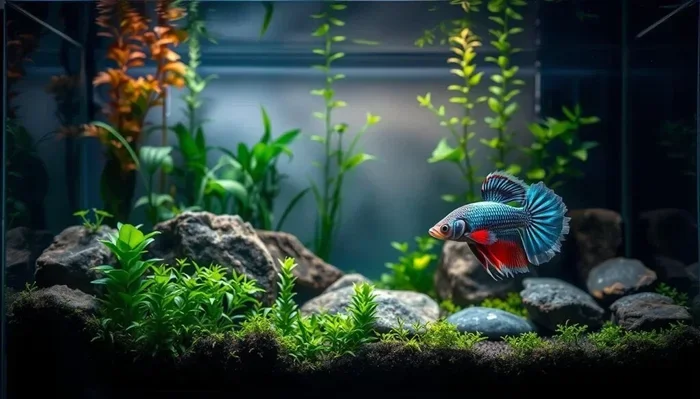
- Live plants and natural decorations create a comfortable, stress-free environment that mimics your betta’s natural habitat.
- Regular maintenance and water changes are the keys to long-term pond health and happy fish.
- Avoid common mistakes like skipping the cycling process or overstocking the pond with too many fish.
📑 Table of Contents
- Why a 10 Gallon Pond Is Perfect for Betta Fish
- Choosing the Right Location for Your Pond
- Setting Up Your 10 Gallon Pond: Step by Step
- Preparing the Water for Your Betta Pond
- Cycling Your Pond Before Adding Your Betta
- Adding Plants and Final Touches
- Maintaining Your Betta Pond for Long-Term Health
- Common Mistakes to Avoid
- Final Thoughts
Why a 10 Gallon Pond Is Perfect for Betta Fish
Bettas are often kept in small bowls or tiny tanks. While they can survive in those conditions, they truly thrive when given more room. A 10 gallon pond strikes the perfect balance between manageable size and enough swimming space.
Here is why a 10 gallon pond works so well for bettas:
- It provides stable water parameters. Larger volumes of water dilute toxins faster, making it easier to maintain a healthy environment.
- It gives your betta room to explore. Bettas are curious fish. They enjoy swimming around plants, rocks, and open areas.
- It supports a natural ecosystem. A 10 gallon pond can hold live plants, beneficial bacteria, and even small snail companions.
- It is easy to maintain. Compared to larger ponds, a 10 gallon setup does not require expensive equipment or constant monitoring.
Compared to a standard fish tank, a pond offers a more open and natural feel. Your betta will appreciate the extra horizontal swimming space. If you want to learn more about whether a 10 gallon tank is suitable, check out our guide on can betta fish be in a 10 gallon tank for additional insights.
Choosing the Right Location for Your Pond
Location matters more than most people realize. Where you place your 10 gallon pond affects water temperature, light exposure, and overall fish health.
Indoor vs. Outdoor Placement
You can set up a 10 gallon pond indoors or outdoors. Each option has its pros and cons. Indoors gives you more control over temperature and light. Outdoors offers natural sunlight and a more authentic pond feel.
If you place the pond outdoors, avoid direct sunlight for long periods. Too much heat can spike the water temperature. Bettas prefer water between 76 and 82 degrees Fahrenheit. Anything above 85 degrees can stress your fish out.
Things to Keep in Mind
- Avoid drafty areas indoors. Cold drafts can drop the water temperature too quickly.
- Keep the pond away from loud appliances. Vibrations and noise can stress bettas out.
- Choose a spot with indirect light. Too much light encourages algae growth, which can make the pond look messy fast.
- Make sure the surface is level. An uneven pond can put stress on the walls and cause leaks.
Setting Up Your 10 Gallon Pond: Step by Step
Now let us get into the fun part. Setting up a pond for your betta does not need to be complicated. Follow these steps and you will have a beautiful, healthy habitat in no time.
Step 1: Gather Your Supplies
Before you start, make sure you have everything you need. Here is a simple checklist:
- A 10 gallon pond or container (glass or acrylic works well)
- A small pond filter or sponge filter
- A water conditioner or dechlorinator
- Substrate like sand or fine gravel
- Live plants such as java fern or anubias
- A thermometer to monitor water temperature
- A gentle heater if keeping the pond indoors
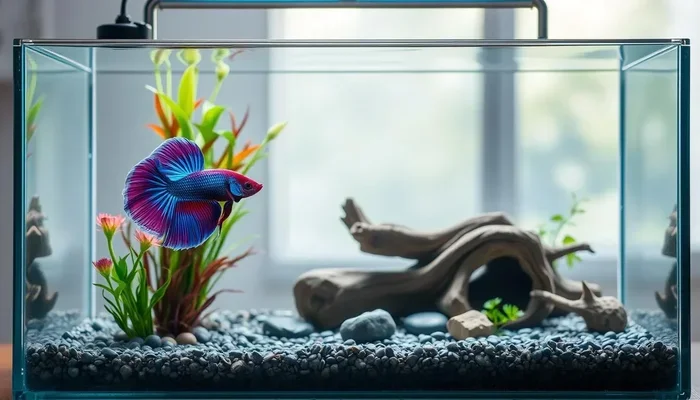
Step 2: Add Substrate and Decorations
Start by rinsing your substrate thoroughly. You do not want dirt or dust clouding up your water. Spread a thin layer across the bottom of the pond. Then add your decorations. Smooth rocks, driftwood, and caves make great hiding spots for bettas.
Keep decorations simple. Bettas like open swimming areas. Too many objects can make them feel cramped. If you are new to this, look at our article on how to set up a fish tank for betta fish for helpful decorating tips.
Step 3: Install the Filter and Heater
A filter is essential for keeping the water clean. Choose a gentle filter, since bettas do not like strong currents. A sponge filter works perfectly for a 10 gallon pond. It provides mechanical and biological filtration without creating too much flow.
If you are keeping the pond in a cooler room, add a small heater. Set it to maintain a steady temperature around 78 degrees Fahrenheit. Bettas are tropical fish and need warm water to stay healthy and colorful.
Preparing the Water for Your Betta Pond
This is one of the most important steps in the entire process. Tap water contains chlorine and chloramine, both of which are harmful to bettas. You must treat the water before it ever touches your fish.
How to Treat Pond Water
Start by filling a clean bucket with tap water. Add a water conditioner specifically designed for aquarium use. Follow the dosage instructions on the bottle. The conditioner neutralizes chlorine, chloramine, and heavy metals that can harm your betta.
Let the treated water sit for a few minutes before pouring it into the pond. This allows any remaining gases to dissipate. For more detailed guidance on this step, see our article on how to prepare water for a betta fish.
Testing the Water
Use a liquid test kit to check the water parameters. You want to see the following readings before adding your betta:
- Ammonia: 0 ppm
- Nitrite: 0 ppm
- Nitrate: Under 20 ppm
- pH: Between 6.5 and 7.5
If any of these levels are off, do not add your betta yet. You need to fix the water first. A cycled pond will naturally process ammonia and nitrite through beneficial bacteria.
Cycling Your Pond Before Adding Your Betta
Cycling is the process of building beneficial bacteria in your pond. These bacteria break down harmful waste compounds and keep the water safe. Skipping this step is one of the biggest mistakes new fish keepers make.
To cycle your 10 gallon pond, add a source of ammonia. This can be fish food or a pure ammonia solution. Over the course of 2 to 4 weeks, beneficial bacteria will colonize your filter and substrate. Test the water regularly during this time. You are looking for ammonia and nitrite to spike and then drop to zero.
Once the cycle is complete, your pond is ready for your betta. If you want a deeper dive into the cycling process, check out our guide on how to cycle a fish tank for betta. The principles are the same for a pond setup.
Adding Plants and Final Touches
Live plants do wonders for a betta pond. They absorb nitrates, produce oxygen, and create a natural, calming environment. Bettas also love to rest on broad leaves like those of a java fern or anubias.
Best Plants for a Betta Pond
- Java Fern: Hardy and low maintenance. It thrives in low light conditions.
- Anubias: Another tough plant that bettas love to rest on.
- Amazon Sword: Adds a lush, full look to the pond.
- Hornwort: A floating plant that provides shade and absorbs excess nutrients.
Arrange your plants in clusters. This gives your betta a sense of territory and plenty of places to explore. Add a few smooth rocks or pieces of driftwood for extra decoration. Just make sure nothing has sharp edges that could tear your betta’s delicate fins.
Maintaining Your Betta Pond for Long-Term Health
Setting up the pond is only half the battle. Regular maintenance keeps the water clean and your betta happy. Here is a simple routine you can follow:
Weekly Water Changes
Perform a 25 to 30 percent water change every week. Use a siphon to remove debris from the substrate. Replace the removed water with freshly treated water at the same temperature. For more tips on water changes, read our guide on how to do a water change for betta fish.
Cleaning the Filter
Rinse your filter media in old tank water once a month. Never use tap water directly on the filter. The chlorine in tap water will kill the beneficial bacteria you worked hard to build.
Feeding Your Betta Properly
Feed your betta 2 to 3 pellets twice a day. Do not overfeed. Excess food decays at the bottom of the pond and raises ammonia levels. A good rule of thumb is to only feed what your betta can consume in two minutes.
Monitoring Water Parameters
Test the water at least once a week. Keep an eye on ammonia, nitrite, nitrate, and pH levels. Catching problems early makes them much easier to fix. A stable pond environment means a healthy, colorful betta fish.
Common Mistakes to Avoid
Even experienced fish keepers make mistakes sometimes. Here are a few common errors to watch out for when setting up a 10 gallon pond:
- Skipping the cycling process. Adding your betta to an uncycled pond can lead to ammonia poisoning and serious health issues.
- Using the wrong filter. Strong filters create currents that exhaust bettas. Always choose a gentle sponge filter.
- Overcrowding the pond. A 10 gallon pond is best for one betta. Adding too many fish creates waste and stress.
- Ignoring water temperature. Cold water slows down a betta’s metabolism and weakens its immune system.
- Using decorative gravel with sharp edges. This can damage your betta’s fins and body as it swims.
Final Thoughts
Preparing a 10 gallon pond for your betta fish is a rewarding project. It gives your fish a spacious, natural home where it can truly thrive. By following the steps in this guide, you set yourself up for success. Choose the right location, cycle the pond properly, treat the water, and maintain a consistent care routine.
Remember, a healthy pond starts with preparation. Take your time, do each step right, and your betta will reward you with vibrant colors and lively behavior. Enjoy the process and watch your little pond become a peaceful, beautiful habitat for your beloved fish.
Frequently Asked Questions
Can I keep more than one betta fish in a 10 gallon pond?
No, a 10 gallon pond is best suited for a single betta fish. Male bettas are territorial and will fight other males. Even female bettas can become aggressive in small spaces. Stick with one betta per pond for the safest and happiest setup.
How long does it take to cycle a 10 gallon pond?
Cycling typically takes 2 to 4 weeks. The exact time depends on temperature, ammonia levels, and the presence of beneficial bacteria. Test the water regularly until ammonia and nitrite both read zero before adding your betta.
Do I need a heater for an indoor betta pond?
Yes, if the room temperature drops below 76 degrees Fahrenheit. Bettas need warm, stable water temperatures to stay healthy. A small submersible heater set to 78 degrees works perfectly for a 10 gallon pond.
What kind of filter is best for a betta pond?
A sponge filter is the best choice for betta ponds. It provides gentle filtration without creating strong currents that can stress your fish. Sponge filters are also affordable and easy to maintain.
Can I use tap water directly in my betta pond?
No, always treat tap water with a conditioner or dechlorinator before adding it to the pond. Tap water contains chlorine and chloramine that are toxic to bettas. Treating the water takes only a few minutes and keeps your fish safe.
How often should I clean my betta pond?
Perform a partial water change of 25 to 30 percent every week. Clean the filter media once a month using old pond water. Regular maintenance prevents waste buildup and keeps the pond environment stable and healthy.