Will Salt Water Kill Betta Fish
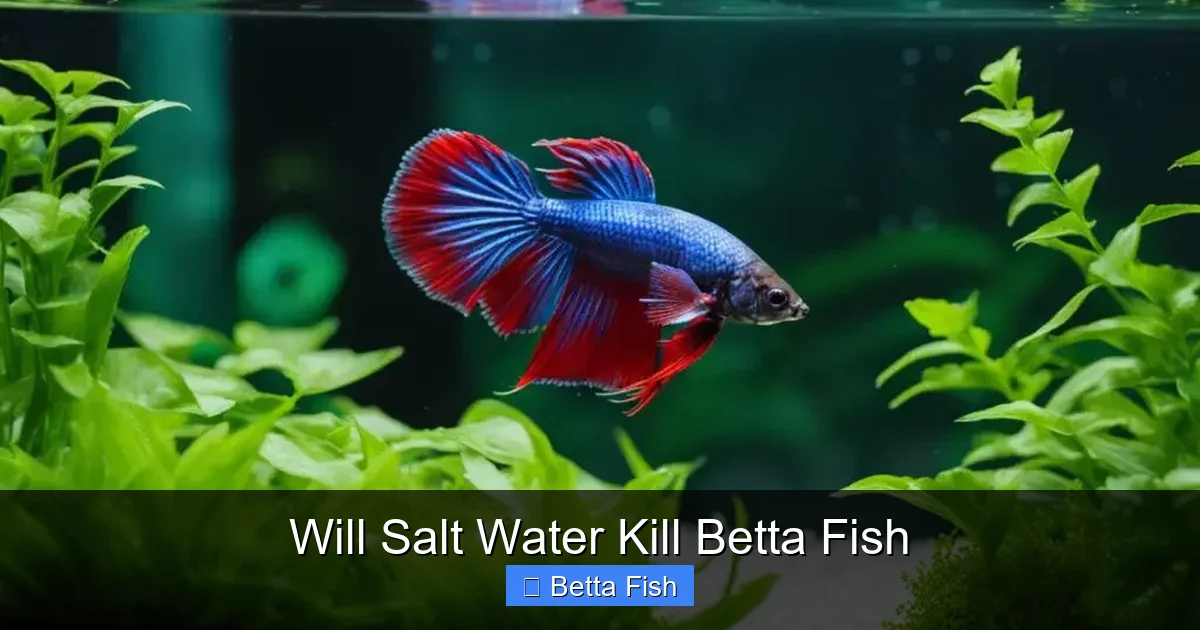
Wondering if a splash of salt water will harm your betta? In short, a tiny amount of aquarium salt can be safe and even helpful, but full‑strength seawater will almost certainly kill a betta. Understanding the right dosage, when to use it, and how to monitor your fish will keep your betta healthy and happy.
Key Takeaways
- Pure seawater is lethal: Betta fish cannot survive in full‑strength salt water.
- Low‑dose aquarium salt can help: Properly diluted salt treats parasites and reduces stress.
- Dosage matters: 1 – 2 grams of salt per 5 gallons is the typical safe range.
- Never replace water conditioner: Salt does not remove chlorine or chloramine.
- Watch for signs: Excessive rubbing, lethargy, or loss of color means you’ve used too much.
- Alternative treatments exist: Medicated baths, water changes, and proper filtration are often safer.
- Regular water quality checks are key: Keep parameters stable and avoid sudden changes.
📑 Table of Contents
- Introduction: The Salt Question Everyone Asks
- 1. Why Betta Fish React Differently to Salt
- 2. When Salt Can Be Helpful
- 3. How to Use Salt Safely
- 4. Common Mistakes and How to Avoid Them
- 5. Alternatives to Salt Treatments
- 6. Frequently Asked Questions About Salt and Bettas
- Conclusion: Use Salt Wisely, Not Recklessly
Introduction: The Salt Question Everyone Asks
Betta owners love to experiment with water additives, hoping to give their fish a healthier, brighter life. One of the most common questions that pops up in forums and hobby stores is, “will salt water kill betta fish?” The short answer is yes—if you pour ocean water straight into a betta tank, the fish will not survive. The longer answer, however, is a bit more nuanced. A tiny pinch of aquarium salt, properly diluted, can actually be beneficial for treating minor parasites, reducing stress, and even improving fin health.
In this article we’ll break down the science behind salt and bettas, explain how to use salt safely, and show you alternatives when you’re unsure. By the end, you’ll know exactly when salt is a friend and when it’s a foe.
1. Why Betta Fish React Differently to Salt
1.1 Natural Habitat vs. Home Aquarium
Betta splendens are native to the shallow, stagnant waters of Thailand and Malaysia. Those environments are fresh‑water, low‑oxygen ponds that are often warm and slightly acidic. They have never evolved to handle the high salinity of ocean water.
Visual guide about Will Salt Water Kill Betta Fish
Image source: gizmomaniacs.com
1.2 Osmoregulation Basics
Fish maintain a balance of water and salts through a process called osmoregulation. Fresh‑water fish, like bettas, constantly take in water through their skin and gills and excrete excess water via urine. Their kidneys are built to handle a low‑salinity environment. When you introduce a high‑salt solution, the fish’s cells lose water rapidly, leading to dehydration and, ultimately, death.
1.3 The “Salt Shock” Effect
Even a modest increase in salinity can cause “salt shock.” Symptoms include frantic swimming, gulping at the surface, and rubbing against tank decorations. In severe cases, the gill filaments become damaged, making breathing impossible.
2. When Salt Can Be Helpful
2.1 Treating External Parasites
Many hobbyists use a mild salt bath to combat Ich (Ichthyophthirius multifiliis) and velvet disease. A concentration of 1 gram of non‑iodized aquarium salt per 5 gallons of water (about 0.2 % salinity) is commonly recommended. This level is low enough that a healthy betta can tolerate it for a short period, yet high enough to create an environment that parasites dislike.

Visual guide about Will Salt Water Kill Betta Fish
Image source: m.media-amazon.com
2.2 Reducing Stress During Water Changes
Adding a pinch of salt to a new water batch can help reduce the stress of a rapid temperature shift. The added ions help stabilize the fish’s mucus layer, which acts as a protective barrier.
2.3 Healing Minor Fin Damage
If a betta’s fins are frayed or have small nicks, a low‑dose salt solution can promote healing by reducing bacterial growth. The key is to keep the exposure time short—usually 15‑30 minutes—then return the fish to its regular, properly conditioned water.
3. How to Use Salt Safely
3.1 Choosing the Right Salt
Always use pure, non‑iodized aquarium salt. Table salt contains additives like anti‑caking agents and iodine, which can irritate a betta’s delicate gills.
3.2 Calculating the Correct Dose
For a 5‑gallon (≈19 L) tank, dissolve 1–2 grams of salt (roughly ¼ to ½ teaspoon) in a separate container of dechlorinated water. Mix until fully dissolved before adding it to the tank.
3.3 Step‑by‑Step Salt Bath
- Prepare a clean container that holds at least half the volume of your tank.
- Fill with dechlorinated water matching the tank’s temperature.
- Add the calculated amount of aquarium salt and stir.
- Gently place the betta in the container; keep the bath under 30 minutes.
- After the bath, return the fish to its regular water and monitor closely.
3.4 Monitoring Your Betta
Watch for signs of over‑salting: excessive rubbing, loss of color, or rapid breathing. If any of these appear, perform an immediate water change with fresh, dechlorinated water.
4. Common Mistakes and How to Avoid Them
4.1 Using Full‑Strength Sea Water
Putting actual ocean water or a “salt‑water mix” into a betta tank is a fatal mistake. The salinity of seawater is roughly 35 ppt (parts per thousand), while a safe betta salt bath is around 0.2 ppt. That 175‑fold difference is enough to kill a betta within minutes.
4.2 Forgetting to Dechlorinate
Salt does NOT remove chlorine or chloramine. If you’re using tap water, you still need a water conditioner. For more details on water conditioning, see our guide on how to condition tap water for betta fish.
4.3 Over‑Dosing
More salt is not better. Over‑dosing can lead to chronic stress, kidney strain, and even death. Stick to the recommended 1–2 grams per 5 gallons and never exceed a 0.5 % salinity level.
4.4 Ignoring Water Parameters
Salt can affect pH and hardness. After adding salt, re‑check ammonia, nitrite, nitrate, and pH levels. Sudden spikes can indicate that the bio‑filter is struggling with the new ionic balance.
5. Alternatives to Salt Treatments
5.1 Medicated Baths
Commercial betta‑safe medications (e.g., copper‑based or formalin baths) are often more effective against stubborn parasites and come with clear dosage instructions.
5.2 Improved Filtration and Water Changes
Maintaining a clean tank is the best preventive measure. Regular partial water changes (about 25 % weekly) keep nitrate levels low and reduce disease risk. Learn how to execute a proper water change here.
5.3 Quarantine Tanks
If you suspect disease, move the betta to a small, well‑filtered quarantine tank. This isolates the problem and allows targeted treatment without exposing tank mates.
5.4 Natural Remedies
Some keepers use diluted aloe vera or garlic extracts to boost immunity. These should be used sparingly and always after consulting a reputable source.
6. Frequently Asked Questions About Salt and Bettas
Below are quick answers to the most common concerns.
Can I use regular table salt instead of aquarium salt?
No. Table salt contains iodine and anti‑caking agents that can irritate betta gills. Always choose pure, non‑iodized aquarium salt.
How often can I give my betta a salt bath?
Limit salt baths to once every 7‑10 days. Over‑use can stress the fish and disrupt the tank’s bio‑balance.
Will adding salt affect my tank’s plants?
Most live plants dislike even low levels of salt and may show leaf burn. If you have a planted betta tank, avoid salt or use it only in a separate hospital bowl.
Is salt safe for betta fry?
Fry are much more sensitive. It’s best to avoid any salt treatment on fry unless directed by a veterinarian.
What should I do if I accidentally added too much salt?
Perform an immediate 50 % water change with fresh, dechlorinated water. Monitor the fish closely for signs of distress.
Does salt help with fin rot?
Low‑dose salt can inhibit bacterial growth, but it’s not a cure. Treat fin rot with appropriate antibiotics and improve water quality.
Conclusion: Use Salt Wisely, Not Recklessly
So, will salt water kill betta fish? The answer depends entirely on the concentration. Full‑strength seawater will certainly kill a betta, but a carefully measured dose of aquarium salt can be a helpful tool for treating parasites, easing stress, and supporting fin health. The key is to understand the difference between “salt water” (the ocean) and “salt‑enhanced freshwater,” follow precise dosing guidelines, and always keep an eye on your fish’s behavior.
When in doubt, start with a small test batch, watch the fish closely, and remember that good water quality, regular changes, and proper conditioning are the foundation of a healthy betta tank. By respecting the delicate balance of fresh‑water chemistry, you’ll keep your vibrant betta thriving for years to come.
Frequently Asked Questions
Will salt water kill betta fish?
Yes, full‑strength seawater will almost certainly kill a betta fish because their bodies cannot handle the high salinity.
Can a small amount of aquarium salt be safe for bettas?
When diluted to about 0.2 % (1–2 g per 5 gal), aquarium salt is generally safe and can help treat parasites or reduce stress.
How do I know if I’ve added too much salt?
Watch for frantic swimming, excessive rubbing, loss of color, or labored breathing. If these appear, perform a rapid water change.
Do I need to use a water conditioner with salt?
Yes. Salt does not remove chlorine or chloramine, so you still need a conditioner to make tap water safe for bettas.
Can salt be used to treat fin rot?
Low‑dose salt can inhibit bacterial growth, but it should be combined with proper medication and excellent water quality for best results.
Is salt safe for betta fry?
Fry are highly sensitive to salinity; it’s best to avoid salt treatments on fry unless specifically advised by a vet.