How Well Can Betta Fish Hear
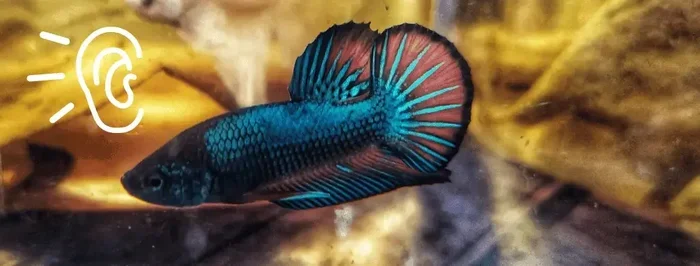
Betta fish can hear surprisingly well underwater. They detect sounds through specialized organs and respond to voices, music, and tank noises. Understanding their hearing helps you create a better home for your betta fish hearing needs.
Have you ever talked to your betta fish and wondered if they actually listen? It is a common question among fish owners. The truth is that how well betta fish hear might surprise you. These colorful little creatures pick up more sounds than most people expect.
Betta fish do not have ears like we do. But they still have a remarkable ability to detect sound waves and vibrations in the water. Their hearing plays a big role in how they interact with their environment. It also affects how they respond to you, their owner, every single day.
In this guide, we will explore everything about betta fish hearing. You will learn how their ears work, what sounds they can pick up, and how noise impacts their health. By the end, you will know exactly how to make your tank a comfortable, sound-friendly home for your betta.
Key Takeaways
- Betta fish do have hearing: They lack external ears but sense sound through internal structures and water vibrations.
- They respond to human voices: Many betta owners notice their fish swimming toward them when talked to.
- Loud noises stress bettas: Sudden sounds like slamming doors or loud music can cause anxiety and hiding behavior.
- Tank equipment matters: Filters and air pumps create vibrations that bettas can detect and may be bothered by.
- Music can calm or stress: Soft, gentle music may relax your betta, while heavy bass can harm them.
- Water quality affects hearing: Poor water conditions can impair a betta’s ability to process sound effectively.
📑 Table of Contents
- Do Betta Fish Have Ears?
- How Well Can Betta Fish Hear?
- What Sounds Can Betta Fish Detect?
- How Sound Travels Through Water
- Signs Your Betta Fish Is Responding to Sound
- How to Create a Sound-Friendly Environment for Your Betta
- Common Mistakes That Harm Your Betta’s Hearing
- Expert Insights on Betta Fish Hearing
- Conclusion
Do Betta Fish Have Ears?
Here is something interesting. Betta fish do not have visible ears. They do not have the outer ear structure that humans and mammals have. But that does not mean they cannot hear. In fact, betta fish ears work in a very different way.
Fish have internal ear structures located deep inside their heads. These tiny organs detect vibrations and pressure changes in the water. When sound waves travel through water, they push against the fish’s body and inner ear. The betta’s brain then interprets these signals as sound.
The Lateral Line System
Betta fish also have something called the lateral line system. This is a series of tiny sensors running along both sides of their body. The lateral line picks up vibrations and movements in the water. It works together with the internal ear to give bettas a full picture of their sound environment.
Think of the lateral line as a secondary hearing system. It helps bettas detect low-frequency sounds and nearby movements. This system is especially useful for sensing predators, food, and changes in water flow. Together with their internal ears, betta fish hearing ability is more impressive than it looks.
How Well Can Betta Fish Hear?
So just how sensitive is a betta’s hearing? Research shows that betta fish can detect sounds in a range of frequencies. They are most sensitive to sounds between 200 and 2000 hertz. This range covers many common everyday sounds, including the human voice.
Compared to other fish species, bettas have a fairly good sense of hearing. They can pick up sounds that travel through the water column. This includes footsteps near the tank, voices in the room, and even the hum of electronics.
Can betta fish hear you talk? Yes, they can. Studies and countless owner experiences confirm this. Your betta may not understand your words, but they can sense the rhythm and vibration of your voice. Over time, many bettas learn to associate their owner’s voice with feeding time or attention.
Another common question is whether bettas can hear music. Can my betta fish hear music? The answer is yes. Soft music with gentle tones is usually fine. But loud, bass-heavy music can cause stress. We will cover this more in a later section.
Betta Fish Hearing Range Compared to Humans
To put things in perspective, here is a simple comparison:
- Human hearing range: 20 Hz to 20,000 Hz
- Betta fish hearing range: Around 200 Hz to 2,000 Hz
- Most sensitive range for bettas: 200 Hz to 2,000 Hz
As you can see, bettas hear a much narrower range than humans. But within that range, they are quite sensitive. They can pick up subtle vibrations that we might not even notice. This makes their betta fish hearing sensitivity quite remarkable for a small aquatic creature.
What Sounds Can Betta Fish Detect?
Now that we know bettas can hear, let us talk about what they actually pick up. Not all sounds are the same to a fish. The type of sound, its volume, and its frequency all matter.
Voices and Speech
Betta fish can hear human speech. They detect the vibrations created by vocal cords. Many betta owners report that their fish swim to the surface when they talk. This suggests that bettas recognize their owner’s voice over time.
If you talk softly and calmly, your betta will likely stay relaxed. If you shout or raise your voice suddenly, your betta may dart away or hide. This is a clear sign that betta fish hear sounds and react to them in real time.
Household Noises
Everyday household sounds reach your betta tank. Things like television audio, door closing, and conversation all create vibrations in the water. Your betta picks up on these sounds constantly.
Some household noises are fine. Others can be stressful. For example, a TV playing at normal volume is usually okay. But a door slamming loudly can startle your betta every single time. Can betta fish hear noise? Absolutely. And loud, sudden noise is one of the biggest stressors for aquarium fish.
Music and Entertainment Sounds
Many people place their betta tanks near speakers or TVs. Music and movie sounds do reach the water. Soft, calming music is generally fine for bettas. But heavy metal or loud bass can create strong vibrations that bother them.
If you enjoy listening to music, try keeping the volume low. Your betta will appreciate the peaceful atmosphere. This is a simple way to support your betta fish hearing health every day.
How Sound Travels Through Water
Understanding how sound moves in water helps explain why bettas hear so well. Sound travels about four times faster in water than in air. This means vibrations reach your betta quickly and clearly.
When you talk or play music near the tank, the sound waves enter the water through the glass walls. The glass vibrates slightly, and those vibrations pass into the water. Your betta’s internal ear and lateral line pick up these vibrations almost instantly.
This is also why tapping on the tank glass is so stressful for bettas. The sound is amplified underwater. What might feel like a gentle tap to you can sound like a loud bang to your fish. Avoid tapping the glass whenever possible.
Why Water Carries Sound So Well
Water is denser than air. This density allows sound waves to travel faster and with less energy loss. For a betta fish, this means that sounds from outside the tank are clearly audible inside.
Even low-frequency sounds like footsteps or a washing machine can reach your betta. These vibrations might not bother you, but your betta can feel them. This is an important reason to place your tank in a quiet area of your home.
The Role of Tank Walls
The glass or acrylic walls of your tank act as a bridge for sound. They vibrate when sound waves hit them. Those vibrations then pass into the water. So even sounds that seem far away can reach your betta clearly.
Thicker tank walls may reduce some sound transmission. But they do not block it completely. This is why the placement of your tank matters more than the tank material itself.
Signs Your Betta Fish Is Responding to Sound
How do you know if your betta can hear you? There are several clear signs that your fish is picking up on sounds and reacting to them.
Swimming Toward You
One of the most common signs is swimming to the front of the tank when you approach. Your betta may swim up to the glass and watch you closely. This behavior shows that they associate your presence and voice with positive experiences like feeding or interaction.
If your betta does this consistently, it is a strong indicator that betta fish hear their owners and remember them over time.
Flaring or Hiding
On the other side of the spectrum, some bettas flare their gills or hide when they hear loud sounds. Flaring is a defense response. It means your betta feels threatened by the noise.
Hiding behind plants or in caves is another common reaction. If your betta does this when you turn on a TV or close a door, the sound is likely bothering them. Pay attention to these signals and reduce noise levels when possible.
Feeding Response
Many bettas learn to associate the sound of food dropping with mealtime. They may swim to the surface as soon as you approach the tank. This learned response shows that bettas can hear and remember specific sounds linked to positive outcomes.
How to Create a Sound-Friendly Environment for Your Betta
Now that you understand how well betta fish hear, it is important to create a tank environment that supports their comfort. Too much noise can lead to stress, which weakens their immune system and shortens their lifespan.
Place the Tank in a Quiet Spot
Choose a location away from loud appliances, speakers, and high-traffic areas. A quiet corner of your living room or bedroom is ideal. Avoid placing the tank near washing machines, speakers, or TV stands that blast sound directly at the glass.
Minimize Sudden Noises
Sudden loud noises are the worst for bettas. Things like slamming doors, dropping objects, or shouting near the tank can startle your fish repeatedly. Try to keep the area around the tank calm and peaceful.
Choose Quiet Tank Equipment
Some filters and air pumps create loud vibrations. If your filter is noisy, consider upgrading to a quieter model. Sponge filters are a great option for betta tanks. They provide gentle filtration without creating loud sounds that your betta can hear.
Can betta fish hear the filter? Yes, they can. A loud filter can cause ongoing stress. Switching to a quiet or sponge filter can make a big difference in your betta’s comfort level.
Talk to Your Betta Gently
There is no need to whisper around your betta tank. But speaking in a calm, normal tone is perfectly fine. Your betta will pick up on your voice without being startled. Some owners even talk to their bettas during feeding to build trust and familiarity.
Limit Music Volume Near the Tank
If you like to have background music, keep the volume low. Soft instrumental music or ambient sounds work well. Avoid placing speakers right next to the tank. The vibrations from loud bass can travel through the water and stress your fish.
Monitor Your Betta’s Behavior
Watch how your betta reacts to different sounds. If they seem relaxed and swim normally, the noise level is probably fine. If they hide, flare, or dart around erratically, something is bothering them. Adjust the sound environment accordingly.
Common Mistakes That Harm Your Betta’s Hearing
Many betta owners unknowingly expose their fish to harmful noise levels. Here are some common mistakes to avoid.
- Placing the tank near a TV or stereo: The constant sound and vibrations can stress your betta over time.
- Tapping on the glass: This creates loud, sudden vibrations underwater that scare your fish.
- Using loud air pumps: These can create constant humming that irritates sensitive bettas.
- Ignoring filter noise: A noisy filter runs 24/7 and can cause chronic stress.
- Playing music at high volume: Bass-heavy music sends strong vibrations through the tank walls.
Avoiding these simple mistakes goes a long way in protecting your betta fish hearing and overall well-being. Your fish will be happier, healthier, and more active in a calm environment.
Expert Insights on Betta Fish Hearing
Veterinarians and aquatic specialists agree that sound plays an important role in betta fish behavior. Dr. Jessie Sanders, a certified aquatic veterinarian, has noted that aquarium fish are more sensitive to vibrations than most people realize. Keeping the tank environment quiet is one of the simplest ways to promote good health.
Experts also recommend observing your betta’s reactions to different sounds. Every fish has a unique personality. Some bettas are more sensitive to noise than others. Understanding your individual fish helps you tailor their environment for the best possible quality of life.
One key takeaway from experts is that betta fish can hear humans and respond to their presence. This bond between owner and fish is real, even if your betta does not understand your words. The vibrations and tone of your voice create a connection that develops over weeks and months of daily interaction.
Conclusion
The answer to “how well can betta fish hear” is clear. Betta fish have a solid sense of hearing despite lacking external ears. They detect sound through internal ear structures and their lateral line system. Their hearing range covers the frequencies of human speech and common household sounds.
Your betta can hear you talk, respond to music, and react to loud noises. This means you have a real responsibility to keep their sound environment peaceful. Simple steps like placing the tank in a quiet spot, using gentle equipment, and speaking softly go a long way.
Understanding how well betta fish hear deepens your connection with your fish. It also helps you provide better care every single day. Take what you have learned here and start making small changes. Your betta will thank you with vibrant colors, active swimming, and a happy, healthy life.
Frequently Asked Questions
Can betta fish hear their owners?
Yes, betta fish can hear their owners. They detect the vibrations of your voice and can learn to recognize your presence over time. Many owners report their bettas swimming to the front of the tank when they approach.
Can betta fish hear noise and does it stress them?
Yes, betta fish can hear noise, and loud or sudden sounds can definitely stress them out. Sudden noises like slamming doors or loud music may cause hiding, flaring, or erratic swimming behavior in your fish.
Can my betta fish hear music?
Yes, your betta fish can hear music. Soft, gentle music is usually fine and may even have a calming effect. However, loud music with heavy bass can create strong vibrations that stress your betta and should be avoided.
Can betta fish hear the filter humming?
Yes, betta fish can hear the filter. If your filter is loud or vibrates heavily, your betta can detect it constantly. Choosing a quiet filter like a sponge filter helps reduce this ongoing noise exposure for your fish.
How do betta fish hear without ears?
Betta fish hear through internal ear structures and their lateral line system. The internal ear detects vibrations in the water, while the lateral line picks up pressure changes and movement along the fish’s body. Together, these systems give bettas a strong sense of hearing underwater.
What sounds do betta fish respond to best?
Betta fish respond best to soft, consistent sounds like calm voices and gentle music. They also respond to feeding sounds like the rustling of food containers. Sudden loud noises tend to scare them rather than attract a positive response.
=== META TITLE ===
How Well Can Betta Fish Hear? Surprising Facts About Betta Hearing
=== URL SLUG ===
/how-well-can-betta-fish-hear/
=== INTERNAL LINKS USED ===
Can Betta Fish Hear You Talk — your betta picks up on your voice vibrations more than you think.
Can Betta Fish Hear Humans — the connection between you and your fish is real.
Can Betta Fish Hear The Filter — constant filter noise can stress your betta over time.
Can My Betta Fish Hear Music — soft music is fine, but loud bass is a problem.
Can Betta Fish Hear Noise — sudden loud sounds are one of the biggest stressors for aquarium fish.