Is Bottom Fishing Better on Cloudy Day
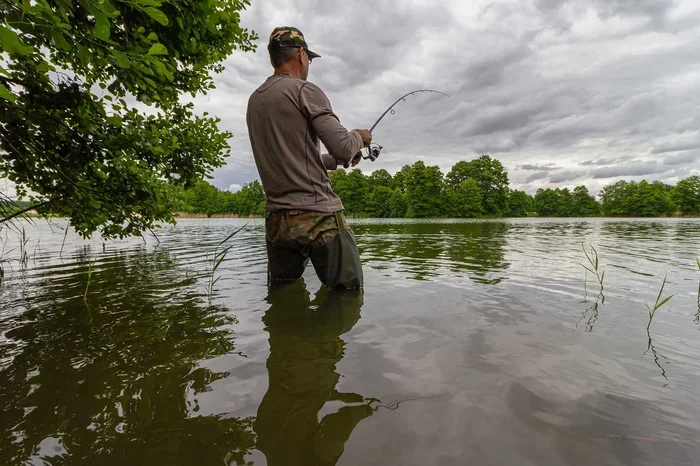
Bottom fishing on a cloudy day can be incredibly productive. Overcast skies reduce light penetration, which makes fish more active and willing to feed near the bottom. Many anglers report better catches when they target bottom fishing during cloudy conditions compared to bright sunny days.
Have you ever noticed that some of your best fishing trips happen on gloomy days? There is something about a cloudy sky that seems to wake fish up. Anglers have talked about this for years, and now we are going to dig into the details. Is bottom fishing better on a cloudy day? The short answer is yes, in most cases. But there is a lot more to it than that.
When the sun hides behind thick clouds, the whole underwater world changes. Fish feel safer. They move around more. They feed more boldly. This is especially true for species that live near the bottom. Bottom fishing on a cloudy day can give you results that bright sunshine simply cannot match. In this article, we will explore why this happens, which techniques work best, and how you can make the most of your next overcast fishing trip.
Whether you are a seasoned angler or just starting out, understanding how weather affects fish behavior is a game-changer. Cloudy day fishing opens up opportunities that sunny days simply do not offer. Let us break it all down for you.
Key Takeaways
- Cloudy days boost fish activity: Reduced light makes bottom-dwelling species more willing to feed.
- Barometric pressure matters: Low pressure systems that create clouds often trigger aggressive feeding.
- Bait selection is key: Bright and scented baits work best when visibility is low.
- Timing matters: Early morning and late afternoon cloudy sessions often produce the best results.
- Gear adjustments help: Use heavier weights and brighter lures when fishing in overcast conditions.
- Multiple species respond well: Catfish, bass, and walleye are especially active during cloudy bottom fishing.
📑 Table of Contents
- Why Cloudy Days Are a Game-Changer for Bottom Fishing
- The Science Behind Bottom Fishing on Cloudy Days
- Best Bottom Fishing Techniques for Cloudy Days
- Fish Species You Can Target When Bottom Fishing on Cloudy Days
- Common Mistakes to Avoid When Bottom Fishing on Cloudy Days
- Expert Tips to Improve Your Cloudy Day Bottom Fishing
- Conclusion
Why Cloudy Days Are a Game-Changer for Bottom Fishing
Many anglers do not realize how much the weather shapes what happens underwater. Clouds are not just a gray blanket over the sky. They create a whole new set of conditions that directly affect fish behavior. When you combine these conditions with bottom fishing, you get a powerful combination.
How Cloud Cover Affects Fish Behavior
Fish are sensitive creatures. They respond to light, temperature, and pressure changes every single day. When clouds roll in, several things happen at once. First, light levels drop. This makes fish feel less exposed. They move out from hiding spots and into open water. Second, water temperature can shift slightly. Cloudy days often keep the water cooler, which many species prefer for feeding. Third, the change in light triggers a natural feeding response. Fish think it is safe to hunt. This is why bottom fishing on a cloudy day often produces bigger and more frequent bites.
Think about it this way. Imagine you are a small fish hiding on the bottom. The sun is shining bright. Everything looks clear and dangerous. Then clouds cover the sky. The world gets darker. You feel safer. You start moving around. You look for food. Now imagine a bait sitting right there on the bottom. You are much more likely to go for it. That is exactly what happens with bottom fishing when clouds move in.
The Light Factor Under Overcast Skies
Light penetration is one of the biggest factors in fishing success. On bright sunny days, light reaches deep into the water. Fish can see clearly. They become cautious. They hide in shadows and under structures. But on a cloudy day, light scatters across the surface. It creates a diffused glow that penetrates the water unevenly. This reduced visibility benefits anglers who fish near the bottom.
Species like catfish, walleye, and bass rely heavily on their other senses when light is low. Their sense of smell and lateral line become more important. This is why many experienced anglers prefer bottom fishing during overcast conditions. The fish are not as spooky. They are more willing to chase and bite. If you have ever wondered why your catches drop on bright days, the light might be the reason.
The Science Behind Bottom Fishing on Cloudy Days
There is real science behind why bottom fishing improves on cloudy days. It is not just old fishing wisdom. Studies and observations from biologists and anglers alike support these claims. Let us look at the key factors.
Barometric Pressure and Fish Feeding
Clouds often come with changes in barometric pressure. When a low pressure system moves in, clouds form. Many anglers swear by low pressure and fishing as a winning combination. Fish can sense pressure changes through their swim bladders. When pressure drops, they feel more comfortable moving and feeding. This is especially noticeable for bottom fishing because bottom dwellers are often more sensitive to pressure shifts.
Here is a simple way to think about it. High pressure makes fish sluggish. They stay deep and do not want to chase food. Low pressure makes them active. They swim higher and feed more aggressively. When you combine low pressure with the reduced light of a cloudy day, you get fish that are actively feeding near the bottom. This is the sweet spot for any angler looking to maximize their catch.
Water Temperature Shifts
Clouds block direct sunlight. This means the water does not warm up as much during the day. Cooler water temperatures can actually boost feeding activity for many species. In warmer months, fish often seek cooler water near the bottom. When clouds keep the surface cool, the temperature difference between surface and bottom decreases. This makes the bottom zone more comfortable and attractive to fish. Bottom fishing in these conditions puts your bait right where the fish want to be.
During summer, sunny days can make surface water too warm. Fish retreat to deeper, cooler areas. On cloudy days, the surface stays cooler. Fish do not need to go as deep. They stay closer to the bottom where you are fishing. This is a huge advantage for bottom fishing techniques.
Best Bottom Fishing Techniques for Cloudy Days
Now that you understand why cloudy days are great for bottom fishing, let us talk about how to make the most of them. The right technique can make all the difference between a slow day and a great day on the water.
Bait Selection for Overcast Bottom Fishing
When light is low, fish rely more on smell and vibration than sight. This means your bait choice matters even more. Use baits that create strong scents and vibrations. Fresh cut bait works wonders for bottom fishing on cloudy days. Shiners, worms, and cut shrimp are all excellent choices. You can also use scented soft plastics that mimic natural prey.
Bright colored baits can also help. When visibility is low, a chartreuse or glow-in-the-dark bait stands out more against the dark bottom. Many top anglers swear by glow bait for cloudy fishing because it adds a visual element that fish can detect even in dim conditions.
Gear Setup Tips for Cloudy Conditions
Your gear setup should match the conditions. On cloudy days, fish are closer to the bottom and more active. Use a sensitive rod that can detect light bites. A medium to medium-heavy rod with a fast action works great for bottom fishing in overcast conditions. Pair it with a reel that has a smooth drag system.
For line, consider using a heavier weight to keep your bait pinned to the bottom. Since current may be less of a factor on calm cloudy days, you can use slightly heavier sinkers than you would on a windy sunny day. The goal is to keep your bait right where the fish are feeding. Also, use a leader that is not too visible. Fish in low light are still cautious, but they are less likely to inspect your line closely.
Fish Species You Can Target When Bottom Fishing on Cloudy Days
Not all fish respond the same way to cloudy conditions, but many popular species do. Here are some of the best targets for bottom fishing when the sky is gray.
Catfish are the kings of cloudy day fishing. They are bottom dwellers by nature. Their barbels help them find food in low light. On a cloudy day, catfish move out and feed aggressively. Channel cats, blue cats, and flatheads all respond well to bottom fishing techniques when clouds cover the sky.
Walleye are another excellent choice. They have excellent low-light vision. Cloudy days make them more active near the bottom. Use jigs or live bait rigs for the best results. Bass also move shallower and feed more actively under overcast skies. They will hit bottom lures like jigs, Texas-rigged worms, and creature baits.
Perch and trout are also great targets. These species feed more freely when light levels are low. Drift fishing or anchor fishing near the bottom on a cloudy day can produce steady action. The key is to match your technique to the species you are targeting.
Common Mistakes to Avoid When Bottom Fishing on Cloudy Days
Even on the best cloudy days, mistakes can ruin your fishing trip. Here are some common errors that anglers make when they go bottom fishing on overcast days.
- Using too light a weight: Fish may not see your bait if it is drifting too much in the current. Go heavier than you think you need.
- Choosing the wrong bait color: Dark bottoms call for bright baits. Light bottoms call for natural colors. Match your bait to the environment.
- Fishing too shallow: On cloudy days, fish often hold closer to the bottom than usual. Make sure your bait reaches the right depth.
- Being impatient: Cloudy day fishing can have slow periods followed by sudden bursts. Stay ready and keep your bait in the zone.
- Ignoring water movement: Even on calm cloudy days, subtle current changes matter. Watch your line and adjust your position if bites slow down.
One mistake many anglers make is assuming that cloudy means easy fishing. While bottom fishing on a cloudy day can be very productive, it still requires patience and the right approach. Do not just throw out a rig and hope for the best. Pay attention to what the fish are telling you. Watch for subtle bites. Adjust your depth. Change your bait if needed.
Expert Tips to Improve Your Cloudy Day Bottom Fishing
Here are some proven tips from experienced anglers who specialize in bottom fishing on overcast days. These small adjustments can lead to big results.
- Fish during the transition periods. The time right after clouds roll in can be the most productive. Fish sense the change and start feeding before the conditions fully set in.
- Use scent attractants. On cloudy days, fish rely more on their sense of smell. Add scent to your bait or use scented soft plastics. This can trigger more bites.
- Pay attention to water clarity. Cloudy skies do not always mean clear water. If the water is also murky, use even brighter baits and louder lures. The combination of low light and low visibility makes fish more dependent on non-visual senses.
- Fish near structure. On cloudy days, fish often stack up near underwater structures like rocks, fallen trees, and drop-offs. Target these areas with your bottom fishing setup for the best results.
- Stay mobile. If one spot is not producing, move. Cloudy day fish can be scattered. Try different depths and locations until you find the active school.
Another important tip is to watch the weather forecast before you go. If you see a low pressure system coming in, that is a great time to plan a bottom fishing trip. Many anglers also notice that fishing right after a storm passes can be excellent. The combination of low pressure, cloud cover, and changed water conditions creates a perfect feeding environment. If you want to learn more about fishing after storms, check out our article on is fishing better or worse after a storm.
You should also consider how rain connects to cloudy fishing conditions. Rain often accompanies overcast skies, and it can further enhance your bottom fishing experience. Rain washes insects and bait into the water, which triggers feeding activity. If you want to understand why rain improves fishing, our article on why fishing is better in the rain explains the science behind it.
One more thing to keep in mind is that water levels can change during cloudy and rainy conditions. Rising water often pushes fish toward the bottom and into new areas. If you have noticed your fishing improving when water levels change, this is why. For more on how water movement affects your fishing, read our piece on is fishing better when water is rising or falling. Understanding these patterns will help you read the water and find fish more effectively on any cloudy day.
Finally, do not forget about the connection between weather systems and fishing pressure. Cloudy days are often linked to low pressure fronts. Many anglers have found that low pressure and fishing go hand in hand. The drop in pressure makes fish more active and willing to feed. This is especially effective for bottom fishing because it targets species that are already near the lake or river floor. Keep an eye on the barometer before your next trip. A falling barometer on a cloudy day is one of the best signs you can get for a productive fishing session.
Conclusion
The answer to whether bottom fishing is better on a cloudy day is a clear yes for most situations. Clouds change the underwater environment in ways that make fish more active, more confident, and more willing to feed. Reduced light, lower pressure, and cooler water temperatures all work together to create ideal conditions for targeting bottom-dwelling species.
By understanding these factors and adjusting your techniques accordingly, you can turn an overcast day into your best fishing trip of the season. Use the right bait, choose the right gear, and target the right spots. With these tools in hand, your next cloudy day on the water can be truly rewarding. Get out there, try these tips, and see the difference for yourself. Bottom fishing on a cloudy day might just become your new favorite way to fish.
Frequently Asked Questions
Why do fish feed more actively on cloudy days?
Clouds reduce light penetration in the water, which makes fish feel safer and more willing to move around and feed. They are less cautious because they cannot see as well, so they take more risks to find food near the bottom.
What is the best bait for bottom fishing on a cloudy day?
Scented and bright-colored baits work best on cloudy days. Fresh cut bait, worms, and glow-in-the-dark soft plastics are excellent choices because fish rely more on smell and vibration when light is low.
Does barometric pressure really affect bottom fishing?
Yes, absolutely. Fish can sense changes in pressure through their swim bladders. Low pressure systems that bring clouds often trigger more aggressive feeding behavior, especially in bottom-dwelling species.
Can you bottom fish successfully on a partly cloudy day?
Yes, partly cloudy days can be very productive. The shifting light patterns create natural ambush opportunities for predators. Fish often feed during transitions between sun and shade, making these conditions excellent for bottom fishing.
What species are best for cloudy day bottom fishing?
Catfish, walleye, bass, perch, and trout are all excellent targets. These species are more active in low-light conditions and tend to feed more aggressively near the bottom when clouds cover the sky.
How deep should I fish when bottom fishing on a cloudy day?
Fish often stay closer to the bottom on cloudy days because the cooler water and low light make them comfortable at depth. Start by fishing near structure and drop-offs, and adjust your depth based on where you are getting bites.