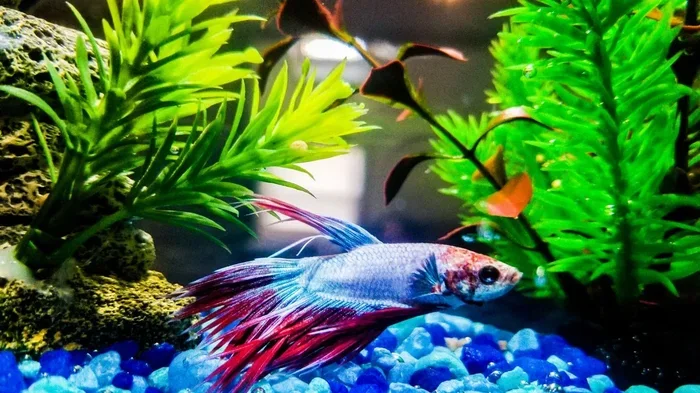
How Warm Is Too Warm for Betta Fish
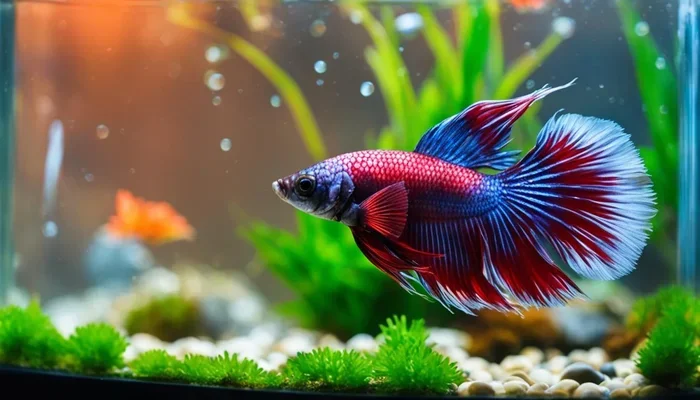
So, how warm is too warm for betta fish? Water temperatures above 80°F (27°C) can stress your betta and lead to serious health problems. Betta fish thrive in a stable temperature range between 76°F and 80°F. When the water gets too hot, your fish may show signs of heat stress like rapid breathing, lethargy, and loss of appetite. Understanding the ideal betta temperature and knowing how to prevent overheating can make a huge difference in your fish’s health and lifespan.
Betta fish are beautiful, vibrant creatures that bring life to any room. But did you know that water temperature plays a huge role in your betta’s health and happiness? Many fish owners don’t realize that too much warmth can be just as dangerous as water that is too cold.
In this guide, we will answer the question how warm is too warm for betta fish in simple, easy-to-understand terms. You will learn the ideal temperature range, the warning signs of overheating, and practical steps to keep your betta comfortable all year long. Whether you are a beginner or a seasoned hobbyist, this article has something valuable for you.
Let us dive right in and make sure your betta fish stays safe and healthy in its warm water home.
Key Takeaways
- Betta fish overheat above 80°F: Water temperatures beyond 80°F (27°C) can cause heat stress and serious health issues.
- The sweet spot is 76–80°F: This range keeps your betta comfortable, active, and healthy.
- Watch for warning signs: Rapid gill movement, lethargy, and loss of appetite are clear signals that the water is too hot.
- Overheating has common causes: Room temperature, direct sunlight, and malfunctioning heaters can all push tank water into dangerous territory.
- Simple fixes work well: Fans, partial water changes, and removing the tank from sunlight can quickly bring temperatures down.
- Prevention is easier than treatment: A good aquarium thermometer and regular monitoring keep your betta safe year-round.
📑 Table of Contents
- What Is the Ideal Temperature for Betta Fish?
- How Warm Is Too Warm for Betta Fish?
- Signs Your Betta Fish Is Too Hot
- What Causes a Betta Tank to Overheat?
- How to Cool Down a Betta Fish Tank
- How to Prevent Overheating in the First Place
- What Happens When Betta Fish Get Too Hot for Too Long?
- Quick Tips: Keeping Your Betta at the Right Temperature
- Conclusion
What Is the Ideal Temperature for Betta Fish?
Before we talk about what is too hot, let us first understand what is just right. The ideal temperature for betta fish falls between 76°F and 80°F (24°C to 27°C). This range mimics the warm, slow-moving waters of their natural habitat in Southeast Asia.
Within this range, your betta will be active, eat well, and display its brilliant colors. The water should feel comfortably warm but not hot to the touch. Think of a nice bath, not a hot tub.
Here are a few key points to remember about the ideal range:
- 76°F to 80°F is the gold standard for betta fish health.
- Stable temperatures matter more than hitting a perfect number. Fluctuations stress fish more than slight variations.
- A reliable aquarium thermometer is your best friend. Do not guess the temperature.
If you want to learn more about the perfect setting for your betta, check out our guide on what is the ideal temperature for betta fish. It covers everything in detail.
How Warm Is Too Warm for Betta Fish?
Now let us get to the heart of the matter. So, how warm is too warm for betta fish? The short answer is anything consistently above 80°F (27°C) starts to become problematic. When the water climbs above 82°F (28°C), the risk of heat stress increases significantly.
Betta fish are tropical fish, but that does not mean they love extremely hot water. Their bodies are adapted to warm, not scalding, conditions. Think of it like this: you enjoy a warm day, but a heatwave makes you feel terrible. The same principle applies to your fish.
Here is a simple breakdown of temperature zones for betta fish:
- Below 74°F: Too cold. Your betta may become sluggish and vulnerable to illness.
- 76°F to 80°F: The safe zone. This is where your betta thrives.
- 80°F to 82°F: The upper limit. Short exposure is okay, but prolonged time here causes stress.
- Above 82°F: Too warm for betta fish. This is the danger zone where health problems begin.
For a deeper look at what temperatures are harmful, read our article on what temperature is too hot for a betta fish. It explains the science behind heat damage in simple terms.
Signs Your Betta Fish Is Too Hot
Detecting overheating early can save your betta’s life. Fish cannot tell us when they feel uncomfortable, so we must watch for physical and behavioral clues. Here are the most common signs that your tank water is too warm.
Rapid Gilling or Breathing
One of the first signs of heat stress in betta fish is fast gill movement. When the water is too warm, it holds less dissolved oxygen. Your betta will breathe rapidly trying to get enough oxygen. If you notice your fish’s gills opening and closing quickly, check the temperature immediately.
Lethargy and Weakness
While bettas are not the most active fish, a sudden drop in energy is a red flag. A betta that sits at the bottom of the tank, barely moving, may be suffering from overheating symptoms. Warm water holds less oxygen, which makes fish feel tired and weak.
Loss of Appetite
If your betta refuses food it normally eats eagerly, the water temperature could be the cause. Heat stress often suppresses a fish’s appetite. A betta that stops eating needs attention fast.
Color Fading
Healthy bettas display vivid colors. When they are stressed by heat, their colors can fade or look dull. This is a visible sign that something is wrong with the tank environment.
Staying Near the Surface
Warm water holds less oxygen near the bottom. Your betta may spend more time near the surface, gasping for air. This behavior, called surface gasping, is a clear distress signal.
Remember, these signs can also point to other health issues. Always check the water temperature first before jumping to other conclusions. For more information on recognizing heat-related illness, visit our page on how to care for sick betta fish.
What Causes a Betta Tank to Overheat?
Understanding the causes of overheating helps you prevent the problem before it starts. Several common factors can push your betta’s tank into dangerous temperature territory.
Room Temperature
The air temperature in the room where your tank sits has a direct effect on the water. If your home gets very warm, especially during summer months, the tank water will absorb that heat. Rooms without air conditioning are particularly risky.
Direct Sunlight
Placing your aquarium near a window or in direct sunlight can raise the water temperature quickly. Even a few hours of direct sun can push a tank several degrees warmer. This is one of the most common and easily avoidable causes of overheating.
Malfunctioning Heater
Heaters that stick on or lack a thermostat can turn a comfortable tank into a hot tub. Always use a heater with a built-in thermostat and check it regularly to make sure it is working properly.
Strong Lighting
Tank lights, especially high-wattage bulbs, generate heat. Leaving lights on for extended periods can gradually warm the water beyond safe levels. LED lights produce less heat, but they still contribute.
Lack of Water Movement
Still water heats up faster than water with gentle movement. Without a filter or air pump to circulate the water, hot spots can form in the tank, creating uneven temperatures that stress your fish.
If you are dealing with cold weather concerns as well, our guide on how to keep betta fish warm in winter covers temperature management for cooler months too.
How to Cool Down a Betta Fish Tank
If you discover that your tank is too warm, do not panic. There are several simple and effective ways to bring the temperature back to a safe range. Here are the best methods to cool down a betta fish tank.
1. Use a Fan
A small fan blowing across the surface of the water can lower the temperature by a few degrees. The evaporation process creates a cooling effect. This is one of the easiest and most affordable solutions available.
2. Perform a Partial Water Change
Replacing a portion of the warm tank water with cooler, treated water can quickly reduce the overall temperature. Use water that is a degree or two cooler than the tank, not cold water, to avoid shocking your fish.
3. Turn Off the Lights
If your tank lights are generating heat, turn them off for a while. This simple step can make a noticeable difference, especially in smaller tanks where heat builds up fast.
4. Move the Tank Away From Sunlight
Relocate the aquarium to a spot that does not receive direct sunlight. A cooler room with indirect light is much safer for your betta.
5. Use a Cooling Device
For persistent overheating problems, consider investing in an aquarium cooling fan or chiller. These devices are designed specifically for fish tanks and provide reliable temperature control.
Always cool the water gradually. A sudden temperature drop can shock your betta just as much as high heat. Make changes slowly over several hours.
How to Prevent Overheating in the First Place
Prevention is always better than cure when it comes to betta fish temperature management. A few simple habits can keep your tank in the safe zone all year round.
- Invest in a good thermometer. Digital thermometers are inexpensive and give accurate readings. Check the temperature at least once a day.
- Use a heater with a thermostat. This ensures the water stays within the ideal range without manual adjustment.
- Keep the tank away from windows. Direct sunlight is a major cause of temperature spikes.
- Monitor room temperature. During summer, use a room thermometer to track the ambient heat.
- Do regular water changes. Fresh water helps maintain stable temperatures and good water quality.
- Use LED lighting. LED lights produce far less heat than traditional bulbs, reducing the risk of overheating.
For more tips on maintaining a healthy environment, read our article on how to properly care for betta fish. It covers all aspects of daily betta care, including temperature management.
What Happens When Betta Fish Get Too Hot for Too Long?
Prolonged exposure to high temperatures can lead to serious health consequences for your betta. Heat weakens the fish’s immune system, making it more susceptible to diseases and infections.
One of the most common problems caused by warm water is bettas getting stressed easily. A stressed betta is more likely to develop fin rot, fungal infections, and bacterial diseases. The warm water also speeds up the growth of harmful bacteria and parasites in the tank.
In extreme cases, prolonged overheating can be fatal. The reduced oxygen levels in hot water suffocate the fish over time. This is why it is so important to act quickly when you notice the temperature climbing too high.
If you are also curious about the other end of the spectrum, check out our article on can water be too cold for betta fish to understand the full temperature picture.
Quick Tips: Keeping Your Betta at the Right Temperature
Here is a quick reference guide you can come back to anytime:
- Keep the water between 76°F and 80°F at all times.
- Use a digital aquarium thermometer for accurate readings.
- Never place the tank in direct sunlight.
- Perform weekly water changes of 20 to 25 percent.
- Use a heater with a built-in thermostat.
- Watch for signs of heat stress like rapid breathing and lethargy.
- Cool the water gradually if it gets too warm.
Following these simple steps will help your betta fish live a long, happy, and healthy life. Remember, temperature stability is just as important as hitting the right number. A steady 78°F is far better than a fluctuating range between 74°F and 82°F.
Taking care of your betta’s temperature needs is one of the most important parts of fish keeping. A well-regulated tank gives your fish the best chance to thrive and show off its stunning colors every single day.
Conclusion
So, how warm is too warm for betta fish? The answer is clear: water temperatures consistently above 80°F (27°C) are too warm for your betta. Anything above 82°F enters the danger zone and can cause heat stress, oxygen depletion, and serious health problems.
The sweet spot for your betta fish is between 76°F and 80°F. Keep the temperature stable, watch for warning signs of overheating, and take quick action if the water gets too warm. With the right knowledge and a few simple tools, you can create a safe and comfortable home for your betta all year round.
Your betta fish depends on you for its well-being. By understanding the risks of overheating and taking proactive steps, you are giving your fish the best possible life. Stay vigilant, keep learning, and enjoy the rewarding experience of caring for these beautiful creatures.
Frequently Asked Questions
What temperature is too hot for a betta fish?
Water temperatures consistently above 80°F (27°C) are considered too hot for betta fish. When the temperature rises above 82°F, the risk of heat stress and oxygen depletion increases significantly. Always aim to keep the water between 76°F and 80°F for optimal health.
Can betta fish survive in hot water?
Betta fish can survive brief exposure to warm water, but prolonged periods in hot water are dangerous. High temperatures reduce oxygen levels and weaken the fish’s immune system. Over time, this can lead to serious illness or even death.
How do I know if my betta fish tank is too warm?
Watch for signs like rapid gill movement, lethargy, loss of appetite, and surface gasping. These behaviors often indicate that the water temperature is too high. Using a reliable aquarium thermometer will confirm your suspicions quickly.
What should I do if my betta tank overheats?
First, turn off any heat sources like tank lights and heaters. Then, perform a partial water change with slightly cooler, treated water. Use a fan to increase evaporation and cool the surface gradually. Avoid sudden temperature changes that could shock your fish.
Does a betta fish need a heater in warm rooms?
Even in warm rooms, a heater with a thermostat can help maintain a stable temperature. The heater prevents sudden drops and keeps the water within the ideal range. However, in consistently warm rooms above 80°F, you may not need a heater at all.
Can I use a fan to cool my betta fish tank?
Yes, a small fan blowing across the water surface is an effective and affordable way to lower tank temperature. The evaporation process creates a natural cooling effect. Just make sure the temperature drop is gradual and does not exceed a few degrees at a time.