Do Betta Fish Play Dead Or Are They Actually Dying

Many owners worry when they see their betta lying still at the bottom of the tank. The truth is, betta fish do not play dead, but they do rest and hide when stressed. Understanding the difference between normal behavior and serious health issues can save your fish’s life.
Key Takeaways
- Betta fish do not play dead: They rest, sleep, or hide, but they never fake death like some other animals.
- Lethargy signals trouble: A betta lying on the bottom for long periods often means illness, stress, or poor water quality.
- Sleep looks different: Bettas hover near the bottom or rest on leaves, but they still react to movement and light.
- Water quality matters most: Dirty water, wrong temperature, or bad pH can make your fish act weak or unresponsive.
- Check for physical signs: Clamped fins, spots, bloating, or gasping at the surface point to real health problems.
- Quiet environments help: Bettas need calm spaces to feel safe, so reduce noise and sudden movements near the tank.
- Act fast when unsure: If your betta stays still for hours and ignores food, test the water and consider a vet or expert opinion.
📑 Table of Contents
- Do Betta Fish Play Dead? Understanding the Real Behavior
- Why People Ask If Bettas Play Dead
- How Betta Sleep and Rest Differ From Death
- Common Reasons a Betta Looks Dead or Dying
- Do Betta Fish Rest on the Bottom or on Objects?
- What to Do When Your Betta Looks Unresponsive
- How to Keep Your Betta Active and Healthy
- Conclusion
Do Betta Fish Play Dead? Understanding the Real Behavior
Many new fish owners panic when they see their colorful betta lying motionless at the bottom of the tank. The first thought that comes to mind is often, do betta fish play dead? The short answer is no. Bettas are not the type of animal that fakes death to trick predators or avoid trouble. They are lively, alert fish that usually swim around, flare their fins, and explore their space. When they stop moving, something else is going on.
It helps to look at the bigger picture. Bettas come from shallow, warm waters in Southeast Asia. They are used to calm environments with gentle flow and plenty of places to rest. In a home tank, they still keep those natural habits. They sleep, they hide, and they sometimes settle on the substrate or on a leaf. That can look like death to a worried owner, but it is usually just rest or stress. The key is learning what normal behavior looks like and what warning signs really matter.
This guide will walk you through the truth about betta behavior, the signs of real trouble, and the simple steps you can take to keep your fish healthy. You will also learn how water quality, tank setup, and daily care affect your betta’s energy levels. By the end, you will feel much more confident about reading your fish’s behavior and knowing when to act.
Why People Ask If Bettas Play Dead
The idea that a betta might play dead usually comes from a sudden change in behavior. One day your fish is swimming around, and the next it sits still near the glass or on the bottom. That shift can feel scary, especially if you are new to fish care. It is natural to wonder if your betta is pretending, resting, or actually in danger.
Normal Resting Looks Like Stillness
Bettas do sleep, and they do not always float in the same spot like some other fish. Many owners ask, do betta fish leave their eyes open when they sleep, and the answer is yes. Bettas do not have eyelids, so their eyes stay open even when they rest. They may hover near the bottom, settle on a broad leaf, or tuck themselves into a quiet corner. During these moments, they breathe slowly and move very little. That can look alarming, but it is completely normal if your fish wakes up when you tap the glass or turn on the light.
Stress Can Make Bettas Shut Down
Stress is another big reason a betta may look weak or unresponsive. Loud noises, bright lights, frequent tank changes, or aggressive tank mates can push a betta into a withdrawn state. In that state, the fish may stay still for long periods and ignore food. Some owners worry about do betta fish hide to die, but hiding is usually a sign that the fish feels unsafe, not that death is already happening. A stressed betta often needs a calmer setup, better water, and less disturbance.
Illness Can Mimic “Playing Dead”
When a betta is sick, it often loses energy and stops swimming normally. That is when the question do betta fish play dead becomes more serious. A sick fish may lie on its side, sink to the bottom, or struggle to stay upright. You might also notice clamped fins, white spots, bloating, or rapid breathing. These are not acts. They are signs that your fish needs help. The sooner you notice them, the better your chances of helping your betta recover.
How Betta Sleep and Rest Differ From Death
One of the easiest ways to tell the difference is to watch how your betta behaves over time. A resting betta will still show small signs of life. It may flick its tail, shift its position, or react when food drops in. A dying or dead fish will not do those things. Learning the small details can save you from unnecessary panic.
What Healthy Sleep Looks Like
Healthy betta sleep is usually calm and brief. Your fish may choose a quiet spot near the bottom or rest on a plant leaf. Many people also wonder, do betta fish lay down when they sleep, and the answer is that they often settle in a relaxed position, but they do not lie flat in a way that looks like they are gone. You may notice slow gill movement and a steady posture. If you shine a light or gently approach the tank, a sleeping betta will usually wake up and become alert.
Signs That Stillness Is Not Sleep
If your betta stays in the same spot for hours and does not respond to food or movement, that is a warning sign. You may also see trouble breathing, uneven swimming, or a tilted body. Some owners ask, do betta fish lay sideways when they are resting, but a sideways position is more often a sign of swim bladder trouble or weakness. A fish that cannot stay upright needs attention, not assumption.
Quick Tips for Reading Betta Behavior
- Watch for reaction: A living betta will usually respond to light, movement, or food.
- Check breathing: Slow, steady gill movement is normal. Fast or labored breathing is not.
- Look at posture: A relaxed betta holds itself naturally. A tilted or sideways fish may be unwell.
- Track time: Short rest periods are normal. Long stillness is worth checking.
Common Reasons a Betta Looks Dead or Dying
When a betta looks weak, the cause is usually something in the tank environment or the fish’s health. It is rarely a trick. It is more often a sign that something needs to be fixed. Below are the most common reasons a betta may appear lifeless.
Poor Water Quality
Water quality is the biggest factor in betta health. Dirty water, leftover food, and waste can build up quickly and stress your fish. If the water is not clean, your betta may become sluggish and stop eating. Many owners also ask, do betta fish have to have water changes, and the answer is yes. Regular water changes help remove toxins and keep the tank stable. Good water quality is one of the simplest ways to prevent a betta from looking weak or unresponsive.
Wrong Temperature
Bettas are tropical fish, so they need warm water. If the water is too cold, they slow down and become very inactive. That can make them look like they are fading away. A stable heater and a good thermometer can prevent this problem. Keeping the tank in the right temperature range helps your betta stay active and healthy.
Low Oxygen or Bad Flow
Some bettas do not like strong currents, but they still need good oxygen levels. If the water is stagnant, your fish may struggle. People often ask, do betta fish like air pump circulation, and the answer depends on the individual fish and the tank setup. Gentle surface movement is usually better than heavy flow. If your betta spends a lot of time near the surface, check the oxygen and water movement.
Disease or Parasites
Illness can make a betta lose energy fast. Common problems include fin rot, ich, velvet, and internal issues. You may see spots, frayed fins, bloating, or strange swimming. Some owners also wonder, do betta fish have worms, and parasites can indeed cause weakness and appetite loss. If you see physical changes, treat the tank carefully and consider expert advice.
Stress From Tank Mates or Setup
Bettas can be sensitive to their surroundings. A tank that is too small, too bare, or too crowded can make them shut down. They may also feel threatened if they share space with aggressive fish. If your betta stays hidden all day, look at the tank setup and think about whether the environment feels safe.
Quick Tips for Spotting Real Trouble
- Check the water first: Test for ammonia, nitrite, nitrate, and pH before assuming the fish is dying.
- Look for physical signs: Spots, tears, bloating, and color changes matter.
- Watch feeding response: A healthy betta usually shows interest in food.
- Compare behavior: Notice what is normal for your fish so you can spot changes faster.
Do Betta Fish Rest on the Bottom or on Objects?
Yes, bettas often rest on the bottom or on items in the tank. That behavior can confuse owners, especially when they are trying to figure out if the fish is alive. A betta may settle on a rock, a plant leaf, or the substrate simply because it feels comfortable. The important part is whether the fish looks relaxed and alert when it wakes up.
Resting on Rocks and Decor
Some bettas like to rest on smooth rocks or inside quiet corners. Owners sometimes ask, do betta fish lay on rocks, and the answer is that they can, especially if the rock gives a stable place to settle. The same goes for other decor. If the surface is smooth and the fish looks calm, it is usually just resting. If the fish seems unable to move or keeps falling over, that is different.
Resting on Plants and Leaves
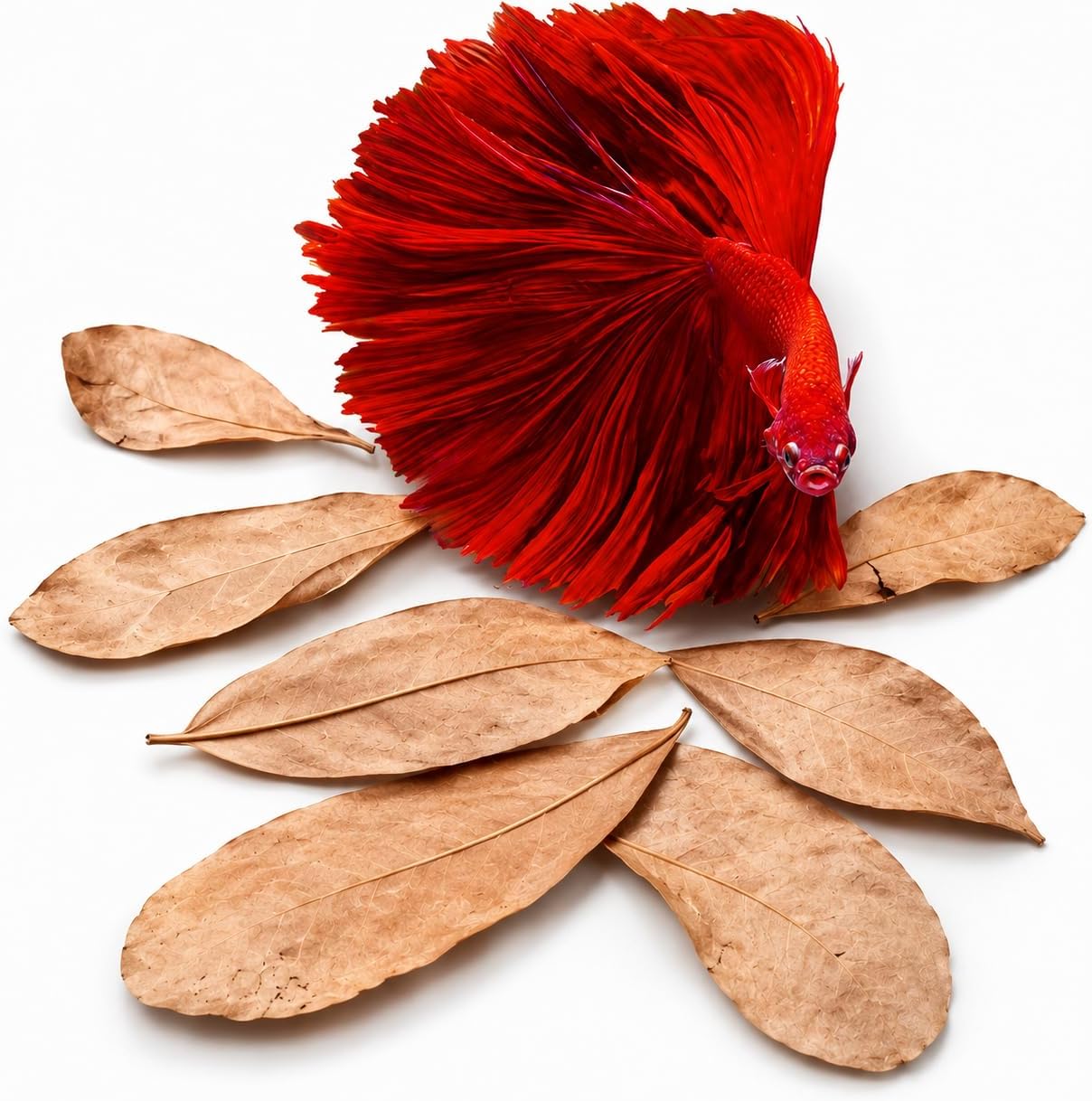
Broad leaves are popular resting spots because they give a flat, comfortable place near the bottom or mid-water. Many bettas enjoy a leaf hammock or a large plant leaf. This is a good sign if your fish chooses it often and still reacts to the environment. A resting spot is not a problem by itself. It becomes a concern only if your betta never leaves that spot.
When Bottom Sitting Becomes a Warning
If your betta spends most of the day on the bottom and does not swim even when disturbed, check the tank conditions. Bottom sitting can be a sign of weakness, poor water, or swim bladder issues. It is also worth asking, do betta fish lay on their sides when they are sick, because a sideways position is more concerning than a calm resting pose. Watch closely and act if the behavior continues.
What to Do When Your Betta Looks Unresponsive
If your betta is lying still and you are not sure what is happening, stay calm and check the basics first. Most of the time, the answer is in the water or the environment. A careful check can help you avoid panic and give your fish the best chance of recovery.
Step 1: Observe Carefully
Watch your betta for a few minutes without disturbing the tank. Look for gill movement, tail flicks, and any reaction to light or movement. If the fish is breathing and shifts a little, it may just be resting. If there is no movement at all, treat it as a serious sign and keep checking.
Step 2: Test the Water
Water testing is one of the most useful things you can do. High ammonia or nitrite can make a betta very sick very fast. If the water parameters are off, do a careful water change and make sure the new water matches the tank temperature. Clean, stable water often helps a weak betta improve.
Step 3: Check Temperature and Equipment
Make sure the heater is working and the temperature is stable. Also check the filter and air flow. If the water is too still, your betta may not be getting enough surface exchange. If the flow is too strong, your betta may be exhausted. Balance matters.
Step 4: Look for Illness
Inspect the fins, scales, eyes, and body shape. Look for spots, tears, swelling, or strange coloring. If you see clear signs of disease, start treatment based on the symptoms and keep the tank stable. If you are unsure, it is better to get advice than to guess.
Common Mistakes to Avoid
- Assuming the fish is fine because it moved once: One small movement does not always mean the fish is healthy.
- Changing too much at once: Big water changes or sudden setup changes can stress the fish more.
- Ignoring water tests: Guessing about water quality can make the problem worse.
- Overfeeding during recovery: A weak fish may not handle extra food well.
How to Keep Your Betta Active and Healthy
The best way to avoid scary moments is to give your betta a stable, comfortable home. Healthy bettas are usually alert, curious, and eager to eat. Good care does not have to be complicated. It just needs to be consistent.
Keep the Tank Clean and Stable
Regular maintenance matters more than fancy products. Remove waste, clean the filter gently, and replace part of the water on a steady schedule. Stable water helps your betta stay strong. It also reduces the chance that your fish will look weak or unresponsive.
Give Your Betta Enough Space
Bettas do better when they have room to swim and rest. Many people wonder, do betta fish like a lot of space, and the answer is that they need enough space to move comfortably, not necessarily a huge tank. A tank that is too small can make them feel trapped and stressed. A larger, well-decorated tank usually supports better behavior and better health.
Add Calm Hiding Places
Plants, leaves, and gentle decor give your betta places to feel secure. A calm betta is more likely to rest normally instead of staying frozen in one spot. Soft plants and smooth decor also reduce the chance of fin damage. A comfortable setup helps your fish feel safe.
Feed a Balanced Diet
Good food supports energy and immunity. Offer a simple, varied diet and do not overfeed. A betta that eats well usually has more strength and better color. If your fish stops eating, that is another clue that something is wrong.
Expert Insights
Experienced betta keepers often say that behavior changes are the first clue that something is off. A fish that suddenly stops exploring, hides all day, or stays at the bottom deserves a closer look. The goal is not to panic at every still moment. The goal is to learn your fish’s normal patterns so you can notice the real problems early.
Conclusion
So, do betta fish play dead? No, they do not. They rest, sleep, hide, and sometimes look very still, but they are not pretending. When a betta seems lifeless, it is usually a sign of stress, poor water, illness, or discomfort. The best approach is to watch carefully, test the water, and check for physical signs of trouble. A calm tank, clean water, and steady care make a huge difference.
If you learn what normal betta behavior looks like, you will worry less and act faster when something is truly wrong. Your betta depends on you to notice the small changes. With a little attention, you can give your fish a safe, healthy home and enjoy its bright personality every day.
Frequently Asked Questions
Do betta fish play dead on purpose?
No, betta fish do not play dead on purpose. They may rest, sleep, or hide, but they do not fake death. If your betta looks lifeless, it is usually a sign of stress, illness, or poor water conditions.
Why is my betta fish lying at the bottom of the tank?
A betta may lie at the bottom because it is resting, but it can also mean the water is dirty, the temperature is wrong, or the fish is sick. Watch for breathing, posture, and reaction to food. If the fish stays still for a long time, check the tank conditions.
How can I tell if my betta fish is sleeping or dying?
A sleeping betta usually breathes slowly, stays in one spot, and wakes up when the light changes or food appears. A dying betta may not respond at all, may breathe heavily, or may show physical signs like spots, bloating, or clamped fins.
Do betta fish rest on leaves or rocks?
Yes, bettas often rest on broad leaves, smooth rocks, or other calm spots in the tank. That is usually normal if the fish looks relaxed and still reacts to its surroundings. It becomes a concern if the fish cannot move normally or stays there all day.
What should I do if my betta fish is not moving?
First, watch for breathing and small movements. Then test the water, check the temperature, and look for signs of illness. If the water is poor or the fish shows physical symptoms, fix the tank conditions and consider treatment or expert advice.
Can stress make a betta fish look dead?
Yes, stress can make a betta become very still and withdrawn. Loud noise, bad tank mates, or a cramped setup can cause this behavior. Reducing stress and improving the tank environment often helps the fish become active again.