How to Treat Breathing Problems for Betta Fish
Breathing problems in betta fish are common but treatable when caught early. This guide covers the top causes, symptoms, and proven methods to help your betta breathe easily again. You will learn simple water fixes, treatment options, and prevention tips that really work.
Watching your betta fish struggle to breathe is scary. You see them gasping at the surface, and your heart drops. The good news is that how to treat breathing problems for betta fish is something you can handle at home in most cases.
Betta fish are labyrinth fish, which means they can breathe air from the surface. But they still rely on clean, oxygen-rich water to stay healthy. When something goes wrong with their environment or their body, breathing problems follow fast. This guide walks you through every step to identify the cause, apply the right treatment, and prevent it from happening again.
Whether your betta is breathing fast, gasping, or staying at the bottom, you will find practical solutions here. Let us dive in and help your fish feel better.
Key Takeaways
- Gasping at the surface is the #1 sign: Your betta may be struggling to get enough oxygen from the water.
- Poor water quality is the most common cause: Ammonia, nitrites, and low oxygen levels can all trigger breathing issues.
- Water changes and temperature adjustments often help fast: Small, consistent changes can make a big difference.
- Knowing when to see a vet matters: Some breathing problems need medication or professional care.
- Prevention is easier than treatment: Regular maintenance keeps your betta healthy and breathing well.
📑 Table of Contents
Why Betta Fish Have Breathing Problems
Understanding the cause is the first step in how to treat breathing problems for betta fish. Breathing issues rarely happen without a reason. Most of the time, something in the tank or the fish itself triggers the problem.
Betta fish breathe through their gills and their labyrinth organ. The labyrinth lets them pull oxygen from the air at the surface. But when water conditions are bad or the fish is sick, both systems get stressed. Here are the most common reasons your betta may be struggling to breathe.
Poor Water Quality
This is the number one cause of breathing problems. Dirty water contains ammonia and nitrites that burn the gills. Even small amounts of these chemicals make it hard for your betta to pull oxygen from the water. How to treat breathing problems for betta fish often starts with fixing the water.
- High ammonia levels damage gill tissue over time.
- Low oxygen levels force your betta to gulp air constantly.
- High nitrite levels prevent oxygen from binding to the blood.
A simple water test kit can reveal what is hiding in your tank. Test kits are affordable and give you instant answers. If your parameters are off, a water change is your first move.
Low Water Temperature
Betta fish need warm water between 76 and 82 degrees Fahrenheit. Cold water slows down their metabolism and reduces the oxygen they can absorb. When the water gets too cool, your betta will breathe faster and stay near the surface.
Use a reliable heater to keep the temperature steady. How to keep water warm for betta fish is an important part of overall care. A stable temperature supports healthy gill function and steady breathing.
Overcrowded Tank
Too many fish in a small tank uses up oxygen fast. Even if you only have one betta, a tiny bowl without filtration can cause problems. Betta fish need at least 5 gallons of space to thrive. Smaller tanks also build up toxins faster, which leads to breathing stress.
Gill Disease or Infections
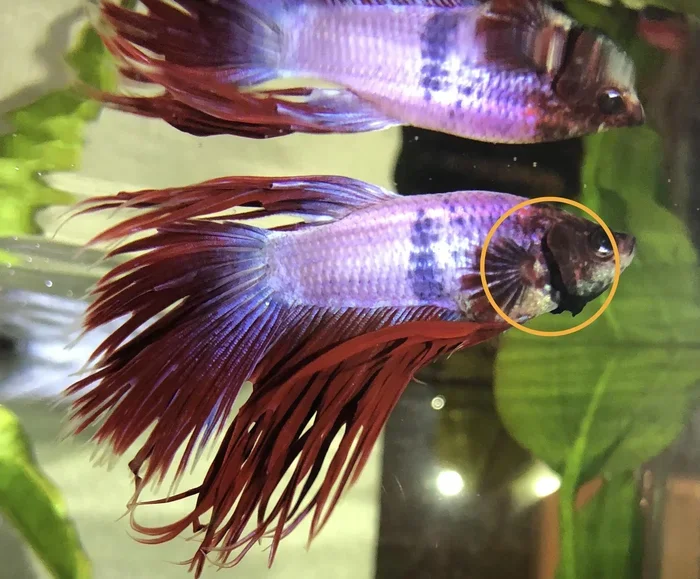
Sometimes the problem is inside the fish itself. Bacterial or fungal infections can attack the gills. When gill tissue gets damaged, oxygen exchange drops. Your betta may breathe rapidly, flare its gills wide, or rub against objects in the tank.
Stress and Environmental Changes
Stress weakens the immune system. A stressed betta breathes faster and becomes more vulnerable to illness. Common stressors include sudden water changes, loud noises, bright lights, and aggressive tank mates. How to treat a stressed betta fish goes hand in hand with fixing breathing issues.
Signs Your Betta Fish Is Having Trouble Breathing
You do not need to be a vet to spot breathing problems. Your betta will show clear signs when something is wrong. Watch for these behaviors every day during feeding time or tank checks.
Gasping at the Surface
This is the most obvious sign. Your betta will swim to the top and gulp air repeatedly. Some surface gulping is normal because bettas have a labyrinth organ. But constant, frantic gasping means the gills are not getting enough oxygen from the water.
Rapid Gill Movement
Watch the gills closely. Healthy gills open and close slowly and evenly. Fast, labored gill movement means your betta is working hard to breathe. This often happens when ammonia levels are high or oxygen is low.
Staying Near the Top
A betta that refuses to swim to the middle or bottom may be trying to access more oxygen at the surface. This is different from a betta that simply likes to hang out near the top. Look for labored breathing along with this behavior.
Lethargy and Loss of Appetite
Breathing problems drain energy fast. A betta that stops eating and stays still in one spot may be struggling to get enough oxygen. This is a red flag that needs quick action.
Clamped Fins and Curved Body
These signs often accompany breathing trouble. Clamped fins mean your fish feels unwell. A curved or hunched body can point to internal infection or swim bladder issues that make breathing harder.
How to Treat Breathing Problems for Betta Fish
Now that you know the causes and signs, let us talk about how to treat breathing problems for betta fish. The right treatment depends on what is causing the problem. Follow these steps in order for the best results.
Step 1: Test the Water
Before you do anything else, test your water. Use a liquid test kit to check ammonia, nitrite, nitrate, and pH levels. This tells you exactly what needs fixing. Most pet stores sell reliable test kits for under $20.
If ammonia or nitrite is above zero, you have found your cause. Even trace amounts of these chemicals can hurt your betta’s gills over time.
Step 2: Do a Water Change
A partial water change removes toxins and adds fresh oxygen to the tank. Replace 25 to 50 percent of the tank water with conditioned, temperature-matched water. How to do a water change for betta fish is one of the simplest and most effective treatments you can do at home.
Always use a water conditioner to remove chlorine and chloramine from tap water. These chemicals are harmless to humans but deadly to fish gills. Conditioning tap water before adding it to the tank is essential.
Step 3: Check and Adjust Temperature
Use a thermometer to verify the water temperature. If it is below 76 degrees, raise it slowly over several hours. A sudden temperature spike can shock your betta and make things worse.
Warm water holds less dissolved oxygen, but bettas compensate by using their labyrinth organ. The key is keeping the temperature stable and within the ideal range. A good heater with a thermostat makes this easy.
Step 4: Increase Oxygen Levels
If the water is clean and the temperature is right but your betta still gasps, you may need more oxygen in the tank. Here are safe ways to boost oxygen:
- Add a gentle air stone to create small bubbles and surface movement.
- Lower the water level slightly so the filter output breaks the surface more.
- Reduce tank decorations that block water flow near the surface.
Avoid strong filters that create too much current. Betta fish are weak swimmers and do not like powerful water flow. A gentle filter works best.
Step 5: Treat Infections if Needed
If your betta has gill damage or a bacterial infection, you may need medication. Look for signs like discolored gills, swelling, or visible parasites. Medications like tetracycline or anti-fungal treatments can help clear infections.
Tetracycline is a common antibiotic that treats bacterial gill infections effectively. Always follow the dosage instructions carefully and remove carbon filters during treatment, as carbon can absorb the medication.
Step 6: Reduce Stress in the Tank
A calm environment helps your betta recover faster. Dim the lights, avoid tapping on the glass, and keep the tank in a quiet room. How to treat a stressed betta fish involves removing stressors and giving your fish time to rest and heal.
Consider adding live plants to the tank. Plants naturally produce oxygen and absorb harmful chemicals. They also provide hiding spots that make your betta feel safe.
Prevention Tips to Keep Your Betta Breathing Easy
Prevention is always better than cure. Once your betta is breathing normally again, keep these habits in place to protect their health long term.
Test Water Weekly
Make water testing a weekly habit. Catching ammonia or nitrite spikes early prevents breathing problems before they start. A few minutes of testing can save your fish’s life.
Do Regular Water Changes
Schedule a 25 percent water change every week. This keeps toxin levels low and oxygen levels high. Consistent maintenance is the backbone of how to care for a betta fish properly.
Do Not Overfeed
Extra food decays at the bottom of the tank and raises ammonia. Feed your betta two to three pellets twice a day. Remove any uneaten food after five minutes.
Keep the Tank Clean
Clean the substrate, trim dead plant leaves, and wipe down the glass regularly. A clean tank supports healthy bacteria colonies that break down waste. If you need help getting started, check out how to clean a betta fish tank for beginners.
Quarantine New Fish
If you add new fish to your tank, keep them in a separate quarantine tank for two weeks. This prevents the spread of diseases that could cause breathing problems in your betta.
When to See a Vet
Most breathing problems improve with the steps above. But some situations need professional help. Contact a fish veterinarian if your betta shows any of these signs:
- Breathing problems that do not improve after 48 hours of treatment.
- Visible lumps, lesions, or parasites on the gills.
- Complete refusal to eat for more than three days.
- Your betta keeps flipping sideways or losing balance.
A vet can run diagnostic tests and prescribe targeted treatments. Early intervention makes a big difference in recovery. Caring for a sick betta fish sometimes means knowing when to ask for expert help.
Quick Tips for Faster Recovery
Here are some fast, practical tips to help your betta bounce back quickly:
- Move your betta to a hospital tank if the main tank has other fish. This reduces stress and makes treatment easier.
- Add aquarium salt carefully to help with gill function. Use one teaspoon per gallon and avoid salt if your betta has open wounds.
- Keep the lights dim so your betta can rest without stress.
- Do not overclean the tank during treatment. You want to preserve the good bacteria that keep the water stable.
- Monitor breathing every few hours in the first 24 hours to track improvement.
These small actions add up fast. Many betta owners see improvement within 24 to 48 hours when they combine water changes with stress reduction.
Common Mistakes to Avoid
Even well-meaning fish owners make mistakes when treating breathing problems. Avoid these pitfalls:
- Changing all the water at once. This shocks your betta and strips beneficial bacteria from the tank.
- Using untreated tap water. Chlorine and chloramine will burn the gills and make breathing worse.
- Raising the temperature too fast. Sudden changes stress the fish and can trigger more breathing issues.
- Overmedicating the tank. Too much medication can harm your betta’s organs and disrupt the tank cycle.
- Ignoring early warning signs. Catching gasping behavior early makes treatment much easier and faster.
Learning from these mistakes helps you become a better fish owner. Every mistake is a lesson that makes you more confident and prepared.
Final Thoughts
How to treat breathing problems for betta fish comes down to three things: clean water, stable temperature, and prompt treatment. Most breathing issues are preventable with regular maintenance and attentive care. Your betta depends on you to notice the early signs and act fast.
Start with a water test and a partial water change. These two steps solve the majority of breathing problems. If the issue continues, move through the treatment steps above one by one. And remember, when in doubt, a fish vet can provide guidance tailored to your specific situation.
Your betta fish is a living creature that brings joy and color to your home. Taking the time to understand its needs is one of the best things you can do. With the right care, your betta will breathe easy and thrive for years to come.
For more information on overall betta care, visit how to care for a betta fish to build a strong foundation of knowledge.
Frequently Asked Questions
Why is my betta fish breathing fast and staying at the top of the tank?
Fast breathing at the surface usually means low oxygen levels or high ammonia in the water. Test your water parameters first and do a partial water change. This often resolves the issue quickly if poor water quality is the cause.
Can I use aquarium salt to help my betta breathe better?
Yes, aquarium salt in the right dose can support gill function and reduce stress. Use one teaspoon per gallon of water, but avoid salt if your betta has open wounds or sores. Always research proper dosing before adding salt to your tank.
How long does it take for a betta fish to recover from breathing problems?
Most bettas show improvement within 24 to 48 hours after a water change and temperature adjustment. Full recovery depends on the cause and severity. Consistent tank maintenance helps prevent the problem from coming back.
Is a filter necessary for a betta fish tank?
Yes, a gentle filter helps maintain water quality and oxygen levels. Betta fish need filtration but do not do well with strong currents. Choose a sponge filter or adjustable filter set to a low flow for the best results.
What water temperature is best for betta fish breathing?
Keep the water between 76 and 82 degrees Fahrenheit. This range supports healthy gill function and steady oxygen absorption. Use a reliable heater and thermometer to maintain a stable temperature.
Can breathing problems in betta fish be fatal if left untreated?
Yes, untreated breathing problems can become fatal. Gasping at the surface means your betta is not getting enough oxygen, which damages organs over time. Act quickly at the first sign of breathing difficulty to give your fish the best chance of recovery.