How to Treat Cotton Mouth in Betta Fish
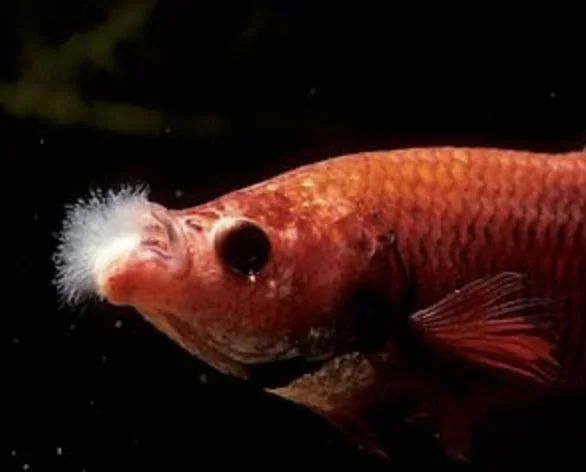
Cotton mouth is a common and serious bacterial infection that affects betta fish, caused by the Flavobacterium columnare bacteria. It appears as white, cotton-like patches around the mouth, lips, and sometimes on the fins. This guide walks you through identifying symptoms early, treating the infection at home or with medication, and preventing it from returning. With quick action and proper care, most betta fish can fully recover from cotton mouth.
Cotton mouth is one of the most common health problems betta fish owners face. It is a bacterial infection that targets the mouth and surrounding tissues. If left untreated, it can be fatal. But here is the good news: with the right approach, you can treat it effectively at home. This article covers everything you need to know about how to treat cotton mouth in betta fish. You will learn to spot the symptoms, choose the best treatment, and keep your betta healthy going forward. Let us dive right in.
What Is Cotton Mouth?
Cotton mouth, also known as columnaris, is caused by a bacterium called Flavobacterium columnare. Despite its name, it is not a fungal infection, even though it often looks like one. The bacteria thrive in warm, freshwater environments, which makes betta fish tanks a common place for outbreaks. Poor water quality, high ammonia levels, and stress all weaken your fish’s immune system. This gives the bacteria an opening to take hold.
The infection usually starts around the mouth and lips. You may notice white or grayish patches that look like cotton fibers. Over time, the patches can spread to the gills, fins, and body. In severe cases, the tissue around the mouth actually rots away. This is why early treatment is so important. The sooner you act, the better the outcome for your betta.
Why Betta Fish Get Cotton Mouth
Betta fish are especially vulnerable to cotton mouth for a few reasons. First, they are often kept in small tanks or bowls where water quality can drop quickly. Second, bettas are sometimes kept in stressful conditions, like bright lights or aggressive tank mates. Third, sudden changes in temperature or water parameters can weaken their immune system. All of these factors create the perfect environment for bacteria to flourish.
Signs and Symptoms to Watch For
Knowing the symptoms of cotton mouth helps you act fast. The earlier you catch it, the easier it is to treat. Here is what to look for.
Early Warning Signs
- White or gray patches around the mouth and lips that look fuzzy or cottony.
- Loss of appetite or refusing to eat favorite foods.
- Sluggish behavior or spending more time near the surface or bottom of the tank.
- Fins clamped tightly against the body.
At this stage, your betta may still be active and eating. This is the best time to start treatment. Do not wait for things to get worse.
Advanced Symptoms
- Visible eating away of the mouth or lip tissue.
- Difficulty breathing or rapid gill movement.
- Fin rot developing alongside the mouth infection. You can learn more about treating fin rot in betta fish here.
- Body lesions or open sores appearing on the skin.
- Lethargy so severe that the fish barely moves.
If you notice any of these advanced signs, you need to act immediately. Delaying treatment at this stage can be deadly. Consider moving your betta to a quarantine tank right away. This protects any other fish you may have and makes treatment easier to manage.
How to Treat Cotton Mouth at Home
For mild to moderate cases, you can often treat cotton mouth at home. The key is to act quickly and be consistent. Here are the most effective home treatments.
Salt Bath Treatment
Aquarium salt is one of the simplest and most effective treatments for cotton mouth. Salt creates a hostile environment for the bacteria while helping your betta’s slime coat heal. Here is how to do it:
- Fill a separate container with dechlorinated water at the same temperature as your betta’s tank.
- Add one teaspoon of aquarium salt per gallon of water.
- Place your betta in the salt bath for 10 to 15 minutes.
- Watch your fish closely during the bath. If it shows signs of distress, return it to the main tank immediately.
- Repeat the salt bath once daily for 5 to 7 days.
Make sure you use aquarium salt, not table salt. Table salt contains additives like iodine that can harm your fish. Also, do not use salt if your tank has live plants, as many plants cannot tolerate salt.
Water Quality Adjustments
Clean water is the foundation of any treatment plan. Dirty water contains ammonia and nitrites that weaken your betta’s immune system and fuel bacterial growth. Here is what you should do:
- Perform a 25 to 50 percent water change every other day during treatment.
- Test your water parameters regularly. Keep ammonia and nitrite at zero, and nitrates below 20 ppm.
- Use a water conditioner every time you add new water to remove chlorine and chloramine.
- Clean the substrate by vacuuming the gravel to remove trapped waste and debris.
These steps alone can make a big difference. Clean water supports your betta’s natural healing process and helps medication work better.
When to Use Medication for Cotton Mouth
If home treatments are not enough, or if the infection is moderate to severe, you may need medication. Over-the-counter antibacterial treatments are widely available and very effective.
Antibacterial Medications
Medications containing kanamycin, tetracycline, or erythromycin are commonly used to treat cotton mouth. These antibiotics target the Flavobacterium columnare bacteria directly. You can find them at most pet stores or online fish retailers. Follow the dosage instructions on the package carefully. Overdosing can harm your betta, while underdosing may not kill the bacteria.
Some owners also ask about using tetracycline for related conditions like popeye in betta fish. You can read more about that topic here.
Combining Treatments
For the best results, combine medication with salt baths and water changes. This three-pronged approach attacks the bacteria from multiple angles. Here is a simple treatment schedule you can follow:
- Day 1: Do a 30 percent water change and add medication to the main tank.
- Days 2 to 6: Give your betta a salt bath for 10 to 15 minutes once daily.
- Day 3 and Day 5: Do an additional 20 percent water change.
- Day 7: Assess your betta’s condition. If improvement is visible, continue for another 3 to 5 days to make sure the infection is fully gone.
Be patient. Bacterial infections do not clear up overnight. It typically takes 7 to 14 days to see significant improvement. Stick with the treatment plan even if your betta starts looking better before it is over.
Preventing Cotton Mouth in Your Betta Tank
Prevention is always better than cure. The good news is that keeping cotton mouth away is not complicated. It comes down to a few simple habits.
Maintain Clean Water
Regular water changes are the single most important thing you can do to prevent cotton mouth and other diseases. Aim for a 20 to 30 percent water change every week. This keeps ammonia and nitrite levels low and removes excess waste. If you keep your betta in a bowl, you may need to do water changes more frequently since bowls have less filtration.
Reduce Stress Factors
Stressed fish get sick more easily. Here are some ways to keep your betta calm and healthy:
- Keep the tank in a quiet area away from loud noises and heavy foot traffic.
- Avoid bright, flickering lights that can startle your betta.
- Do not keep aggressive tank mates with your betta. Bettas are best kept alone or with very peaceful species.
- Maintain a stable temperature between 78 and 80 degrees Fahrenheit. Sudden temperature drops can trigger stress and illness.
- Provide hiding spots like plants or caves so your betta feels secure.
Stress weakens the immune system, making your betta an easy target for bacteria. A happy, relaxed fish is a healthy fish.
Feed a Balanced Diet
Good nutrition supports a strong immune system. Feed your betta high-quality pellets or flakes as a staple. Supplement with frozen or live foods like brine shrimp and bloodworms a few times a week. Avoid overfeeding, which can pollute the water and cause digestive problems like bloating. You can find more information about treating bloat in betta fish here.
Recovery and Aftercare Tips
Once your betta starts recovering, you need to keep up the good work. Recovery is a gradual process, and rushing it can lead to a relapse.
Feeding During Recovery
Your betta may not eat much during the first few days of treatment. This is normal. Offer small amounts of easily digestible food, like soaked pellets or a tiny piece of bloodworm. If your betta refuses food for more than three days, try offering live food, which is often more tempting. As your fish recovers, its appetite will return.
Monitoring Progress
Keep a close eye on your betta during recovery. Look for these positive signs:
- The white patches around the mouth start to shrink or disappear.
- Your betta begins eating again on its own.
- Fin movement becomes more relaxed and natural.
- The fish swims actively around the tank.
If you do not see improvement after 10 days of treatment, consider consulting a fish veterinarian or trying a different medication. Sometimes a combination of treatments is needed to fully eliminate the infection.
Also keep in mind that cotton mouth can sometimes be confused with other conditions like fungal infections or ick. If you are unsure about the diagnosis, you can read more about treating ich on a betta fish here to compare symptoms.
Final Thoughts
Cotton mouth is a serious but very treatable condition. The key is catching it early and acting fast. Start with salt baths and water changes for mild cases. Move to medication if the infection is more advanced. Always focus on prevention by keeping the water clean and your betta stress-free. Most bettas recover fully when treatment begins in time. Your fish depends on you for its health, and with the knowledge you have gained here today, you are well equipped to handle cotton mouth and any other challenges that come your way.
Key Takeaways
- Early detection is critical: Spotting white patches around the mouth early gives your betta the best chance of a full recovery.
- Salt baths work well: Aquarium salt is a simple, effective first-line treatment for mild cases of cotton mouth.
- Medication may be needed: Antibacterial treatments like kanamycin or tetracycline can help in moderate to severe cases.
- Water quality matters: Poor water conditions are the leading cause of cotton mouth and other betta fish diseases.
- Quarantine infected fish: Separating sick bettas prevents the spread of bacteria to other fish in the tank.
- Prevention is easy: Regular water changes, low stress, and a clean tank keep cotton mouth away.
Frequently Asked Questions
Can cotton mouth in betta fish be cured?
Yes, cotton mouth is treatable, especially when caught early. Salt baths, water changes, and antibacterial medications can clear the infection within one to two weeks. The key is to start treatment as soon as you notice symptoms.
Is cotton mouth contagious to other fish?
Yes, cotton mouth can spread to other fish in the same tank. The bacteria are present in most aquarium environments, but they only cause disease when fish are stressed or their immune system is weak. Quarantining infected fish is the best way to protect your other pets.
How long does it take for cotton mouth to clear up?
With consistent treatment, you should see improvement within 5 to 7 days. Full recovery may take 10 to 14 days. Continue treatment for a few days after symptoms disappear to make sure the bacteria are fully gone.
Can I use aquarium salt with medication?
Yes, salt baths and medication can be used together safely. In fact, combining both approaches often leads to faster and more complete recovery. Just make sure you follow the dosage instructions for both the salt and the medication.
What causes cotton mouth in betta fish?
Cotton mouth is caused by the Flavobacterium columnare bacterium. It thrives in poor water conditions, high ammonia levels, and stressful environments. Keeping your tank clean and your betta relaxed is the best way to prevent outbreaks.
Can cotton mouth kill a betta fish?
Yes, if left untreated, cotton mouth can be fatal. The bacteria can destroy mouth tissue and spread to the gills, making it impossible for the fish to breathe or eat. This is why early detection and prompt treatment are so important.
=== CONCLUSION ===
Treating cotton mouth in betta fish is straightforward when you know what to do. Act quickly at the first sign of white patches around the mouth. Use salt baths, improve water quality, and add medication if needed. Keep your betta’s tank clean, its stress levels low, and its diet balanced. These simple habits go a long way in keeping your fish healthy and happy. You now have all the tools you need to tackle cotton mouth head-on. Trust your instincts, stay consistent with treatment, and your betta will be back to its colorful, lively self in no time.