Do Betta Fish Need a Large Tank for Healthy Living

Do betta fish need a large tank? The short answer is yes, but you do not need a massive aquarium to keep them healthy. A properly sized tank with stable water conditions, gentle filtration, and clean space will help your betta thrive. In this guide, you will learn the ideal tank size, why space matters, and how to set up a safe home for your fish.
Many new fish owners ask the same question: do betta fish need a large tank? It is a fair question because pet stores often sell tiny bowls and small containers. Those setups look cute, but they are usually not the best choice for a long, healthy life. Betta fish are colorful, lively, and full of personality. They deserve a home that supports their needs instead of just fitting on a shelf.
The good news is that you do not need a giant aquarium to keep a betta well. You only need enough space for stable water, clean conditions, and a little room to swim. A small tank can work if you maintain it carefully, but a larger setup makes everything easier. In this article, we will break down tank size, water quality, decorations, and everyday care so you can make a smart choice for your fish.
Key Takeaways
- Ideal tank size: A 5-gallon tank is the recommended minimum for a single betta fish.
- Larger is better: Bigger tanks offer more stable water, easier maintenance, and a healthier environment.
- Filtration matters: A gentle filter keeps water clean without creating strong currents that stress bettas.
- Temperature stability: Adequate water volume helps maintain a steady tropical temperature for your fish.
- Decor and space: Plants, caves, and open swimming areas reduce boredom and support natural behavior.
- Maintenance routine: Regular water changes and testing keep the tank safe, even in smaller setups.
- Avoid tiny bowls: Small unfiltered containers often lead to poor water quality and shorter lifespans.
📑 Table of Contents
Do Betta Fish Need a Large Tank for Healthy Living?
When people ask, do betta fish need a large tank, they often want to know whether a small bowl is enough. The truth is that bettas can survive in small spaces for a while, but survival is not the same as thriving. A larger tank gives you better water stability, more room for helpful bacteria, and a safer environment overall. It also makes routine care less stressful for you and your fish.
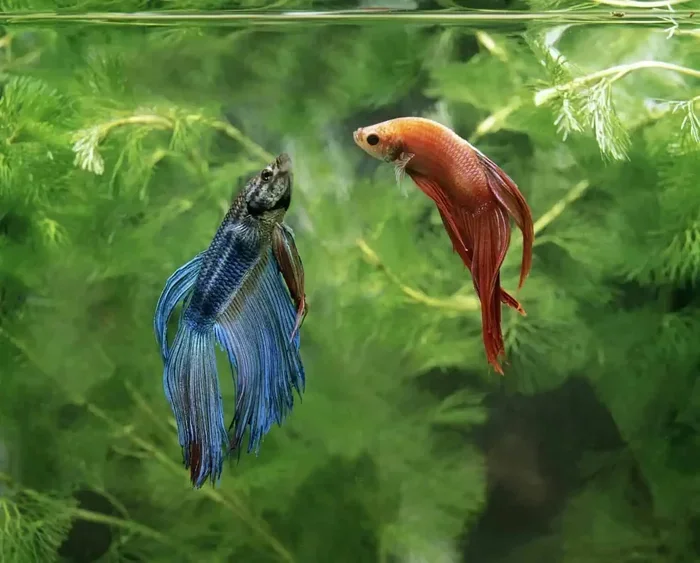
Bettas come from shallow, slow-moving waters in the wild. That does not mean they enjoy cramped, dirty containers. In a healthy aquarium, they use the whole space, explore their surroundings, and behave more naturally. If you want a fish that looks vibrant and acts alert, give it room to live well.
Why Tank Size Matters More Than You Think
Tank size affects much more than appearance. It changes water quality, temperature, and how much work you need to do each week. Small containers can heat up and cool down quickly. They also collect waste faster, which can hurt water quality. A larger volume of water holds steadier conditions, which is better for your fish.
Here are the main reasons size matters:
- Stable water temperature: More water changes temperature slowly, which helps tropical fish stay comfortable.
- Better waste dilution: Ammonia and other waste stay less concentrated when there is more water.
- Easier maintenance: Larger tanks often need fewer emergency fixes because the environment is more balanced.
- More natural behavior: Bettas can swim, rest, and explore without feeling boxed in.
If you are still deciding between a small bowl and a proper tank, think about long-term care. A setup that is easier to manage usually leads to a healthier fish. For more on filtration and water quality, you can read Do Betta Fish Have To Be In A Filtered Tank.
What Is the Ideal Betta Tank Size?
The most common recommendation for a single betta is a tank of at least 5 gallons. This size is large enough to support stable water and simple maintenance, but still small enough for many homes. It gives you room for a gentle filter, a heater, and a few decorations without crowding the fish.
Some people start with even smaller containers, but those setups require very careful monitoring. If you are new to fishkeeping, a 5-gallon aquarium is usually the easiest place to begin. It offers a good balance between space, stability, and convenience. If you want to know whether a slightly larger setup is better, check Do Betta Fish Like 10 Gallon Tank.
Small Tank vs. Large Tank: Which Is Better?
Both sizes can work, but they are not equal in practice. A small tank can be fine if you are disciplined about water changes and testing. A larger tank is usually more forgiving and gives your fish more room. The best choice depends on your experience, your available space, and how much time you want to spend on upkeep.
Here is a simple comparison:
| Factor | Small Tank | Larger Tank |
|---|---|---|
| Water stability | Changes quickly | Stays steadier |
| Maintenance effort | Often more frequent | Usually easier over time |
| Swimming space | Limited | More room to explore |
| Decoration options | Fewer choices | More layout flexibility |
| Best for | Careful beginners | Long-term health and ease |
If you have the space and budget, a larger tank often makes fishkeeping more enjoyable. It can also reduce stress because the water conditions are less likely to swing suddenly. For more on whether bettas enjoy extra room, see Do Betta Fish Like A Lot Of Space.
Water Quality and Tank Size Connection
Water quality is one of the biggest reasons tank size matters. In a tiny container, waste builds up quickly. Ammonia can rise fast, and that is dangerous for fish. In a bigger tank, waste is spread through more water, so the conditions stay safer between cleanings. That does not mean you can ignore maintenance, but it does make the tank more forgiving.
A good routine includes:
- Testing the water regularly: Check ammonia, nitrite, and nitrate levels.
- Changing water on schedule: Replace a portion of the water before it gets too dirty.
- Using a gentle filter: Filtration helps keep the water clear and supports helpful bacteria.
- Avoiding overfeeding: Extra food breaks down and pollutes the tank.
If you want to understand how filtration fits into tank size, read Can You Use A Filter In A Betta Fish Tank. You may also find Could Betta Fish Live In A Filtered Tank useful when planning your setup.
Temperature, Space, and Betta Comfort
Bettas are tropical fish, so they need warm, stable water. A larger tank helps keep temperature more consistent, especially if you use a proper heater. Sudden temperature swings can stress fish and make them more vulnerable to illness. Comfort matters just as much as size, because a stressed fish may hide, lose color, or stop eating.
A comfortable setup usually includes:
- A reliable heater: Keep the water in a warm tropical range suitable for bettas.
- Calm water flow: Bettas prefer gentle movement rather than strong currents.
- Resting spots: Leaves, caves, and plants give them places to pause and feel secure.
- Good lighting balance: A steady day and night cycle supports normal behavior.
If you are wondering whether a heater is necessary in a smaller setup, visit Do Betta Fish Bowls Need A Heater. For more about light needs, you can also read Do Betta Fish Always Need Light.
Decor, Enrichment, and Swimming Room
A tank is not just a container of water. It is a small environment where your fish lives every day. Decorations and plants can make the space more interesting and less stressful. At the same time, too many objects can reduce swimming room, so balance is important. Bettas appreciate a mix of open areas and sheltered spots.
Good enrichment ideas include:
- Live or artificial plants: These can soften the setup and give your fish places to explore.
- Smooth caves or tunnels: These offer hiding places without sharp edges.
- Open swimming lanes: Leave enough free space for easy movement.
- Safe materials: Avoid items that may leach chemicals or trap debris.
If you like adding natural elements, you might enjoy reading Do Betta Fish Have Things Inside Their Tank. You can also learn more about plant placement in Can You Put Plant Stems In Large Betta Fish Tank.
Common Mistakes When Choosing a Betta Tank
Many beginners make the same few mistakes when picking a tank. Avoiding these problems can save your fish from stress and save you from extra work later. The most common issue is choosing a container that looks cute but is too small for stable care. Another mistake is adding strong filtration or rough decorations that make the fish uncomfortable.
Watch out for these mistakes:
- Picking a tank based on style alone: Appearance matters, but function matters more.
- Ignoring filter strength: A filter that is too powerful can tire out a betta.
- Overcrowding the setup: Too many ornaments leave little swimming space.
- Skipping water testing: Clear water is not always safe water.
- Using unsafe cleaning products: Soap and harsh chemicals can harm fish.
For tank cleaning safety, see Can You Use Soap To Clean A Betta Fish Tank. If you are deciding what kind of water to use, Can You Use Tap Water In A Betta Fish Tank is a helpful guide.
Expert Tips for a Healthy Betta Setup
A good betta tank is simple, clean, and consistent. You do not need a fancy setup to succeed. What matters most is stable water, gentle equipment, and a routine you can keep. If you stay consistent, your fish will usually show you when it feels comfortable by swimming openly and maintaining bright color.
Try these expert tips:
- Start with the right size: Choose a tank that gives you room to maintain water quality.
- Cycle the tank before adding fish: Let beneficial bacteria establish first if possible.
- Keep the flow gentle: Adjust the filter so the current does not push the fish around.
- Feed carefully: Small portions are better than overfeeding.
- Watch behavior daily: Changes in appetite, color, or movement can signal a problem.
If you want to learn more about betta behavior and enrichment, you may also like Do Betta Fish Get Bored In A Tank. For a broader look at tank size flexibility, visit Can You Put Betta Fish In A Big Tank.
Conclusion
So, do betta fish need a large tank? They do not need a huge aquarium, but they do need enough space for clean, stable water and a comfortable environment. A 5-gallon tank is a strong starting point for many betta owners, and a larger tank can make care easier and more reliable. The best setup is one that gives your fish room to swim, stable warmth, and a routine you can maintain with confidence.
If you choose the right size, keep the water clean, and avoid common mistakes, your betta has a much better chance of living a healthy and active life. A thoughtful tank is not just a container. It is a safe home that supports your fish every day.
Frequently Asked Questions
Do betta fish need a large tank to survive?
They can survive in smaller containers for a while, but a larger tank is much better for long-term health. More water helps keep temperature and water quality steadier, which reduces stress on your fish.
What size tank is best for one betta fish?
A 5-gallon tank is a popular minimum for a single betta because it offers better stability and easier care. If you have room, a larger tank can make maintenance even simpler and give your fish more space.
Can a betta live in a small bowl?
A betta may live in a small bowl, but that setup usually needs very frequent care and can be less stable. Small containers often heat and cool quickly, and waste can build up faster than in a proper tank.
Does a bigger tank make betta care easier?
Yes, a bigger tank usually makes water conditions more stable and gives you more room for filtration and decorations. That often means less stress for the fish and a more manageable routine for you.
Do betta fish need room to swim?
They do not need a huge swimming area, but they do benefit from enough open space to move comfortably. A cramped tank can limit natural behavior and make the fish feel more stressed.
What matters more than tank size?
Water quality, temperature stability, gentle filtration, and regular maintenance often matter just as much as size. A well-kept smaller tank can be better than a neglected larger one, but size still helps with stability.