Is Salmon Fishing Better in the Rain
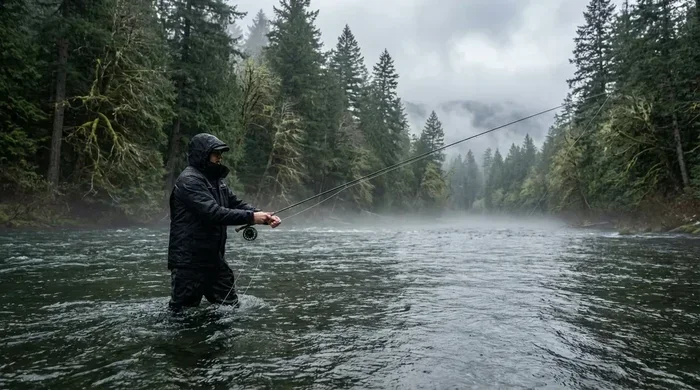
Is salmon fishing better in the rain? Many anglers say yes. Rain changes water conditions, boosts fish activity, and triggers salmon to feed more aggressively. Understanding how rainy day fishing affects salmon behavior can turn a gloomy day into your best catch yet.
There is something magical about salmon fishing in the rain. The clouds roll in, the water starts to move, and suddenly the fish start biting. Many seasoned anglers will tell you that rainy day fishing is some of the best fishing you can experience. But is this really true? Does rain actually make salmon fishing better, or is it just a lucky coincidence?
The short answer is yes. Salmon fishing is often better in the rain, and science backs this up. Rain changes the water in ways that make salmon more active and more likely to take your bait. Whether you are a beginner or a pro, understanding how rain affects salmon can completely transform your next trip. Let us dive into the details and explore why fishing in the rain deserves a spot on your calendar.
Key Takeaways
- Rain triggers salmon feeding: Lower light and cooler water make salmon more active and willing to bite.
- Not all rain is equal: Light to moderate rain offers the best fishing conditions, while heavy storms can push salmon deeper.
- Gear matters in wet weather: Using the right rods, lines, and bait increases your success rate significantly.
- Timing is key: Fishing during or right after light rain often beats fishing in clear weather.
- Safety first: Always check weather patterns and water levels before heading out on a rainy day fishing trip.
- River and coastal spots differ: Salmon behavior changes based on whether you are fishing rivers or ocean coastlines during rain.
📑 Table of Contents
Why Does Rain Affect Salmon Fishing?
Rain has a direct impact on the environment where salmon live. When rain falls into rivers and lakes, it changes the water temperature, clarity, and flow. These changes affect how salmon behave and how likely they are to bite. Understanding these effects helps you plan better trips and boost your catch rate.
Lower Light Levels Encourage Salmon to Feed
Rain clouds block sunlight, which makes the water darker. Salmon feel safer in low-light conditions. They are less wary and more willing to move into shallower water to feed. This is one of the main reasons why fishing when it is raining can be so productive. The reduced visibility means salmon are less cautious about approaching your bait.
Water Temperature Drops Trigger Activity
Rain cools the surface water. Salmon are cold-water fish, and they thrive in cooler temperatures. When rain lowers the water temperature slightly, it can increase their metabolism and make them more active. This means they swim more and search for food more aggressively. Fishing in the rain during cooler months can be especially effective because the water is already cold and the rain makes it even better for salmon.
Rain Washes Insects and Food Into the Water
Rain washes insects, worms, and other food into the river. This creates a natural feeding frenzy. Salmon notice this influx of food and start feeding more actively. If you fish during or right after a rain, you are essentially fishing during a buffet. This is why many anglers say fishing after rain can be just as productive as fishing during the rain itself.
The Best Rainy Day Fishing Conditions for Salmon
Not all rain creates the same conditions. Light drizzle and steady moderate rain produce different results than heavy downpours. Knowing the difference helps you pick the right days for your salmon fishing trips.
Light to Moderate Rain: The Sweet Spot
Light to moderate rain is the ideal condition for salmon fishing in the rain. The water gets a little murky, which makes salmon feel secure. The flow increases slightly, which brings fresh oxygen and food into the river. During light rain, salmon move freely and feed without stress. This is when your catch rate is often at its highest.
Heavy Rain and Storms: Proceed With Caution
Heavy rain can be too much of a good thing. When storms dump large amounts of water, rivers can rise fast and become muddy and fast-moving. Salmon may retreat to deeper pools and become less active. Fishing in these conditions can be frustrating. However, fishing when it is raining heavily can still work if you target deep pools and slow-moving areas where salmon hide.
Post-Rain Conditions: The Gold Mine
Many experts agree that fishing after rain can be even better than fishing during rain. After a storm passes, the water starts to settle. Salmon that were pushed deeper begin moving back into shallower feeding areas. The food washed in by the rain is still circulating. This creates excellent conditions for rainy day fishing success. If you cannot fish during the rain, wait for the storm to pass and head out shortly after.
Types of Rain and How They Impact Salmon
Different types of rain create different fishing experiences. Let us look at how various rain conditions affect your salmon fishing results.
Steady Drizzle Over Several Hours
This is the most consistent type of rainy day fishing. A steady drizzle over a few hours gradually changes the water without causing sudden surges. Salmon adjust slowly and continue feeding. This type of rain is perfect for both river and coastal salmon fishing. Bring your gear and spend a full day on the water.
Sudden Downpour
A sudden heavy downpour can shock the system. Water levels rise quickly, and the current becomes stronger. Salmon may scatter or hold in deeper spots. However, if you can find sheltered areas or slower pools, you can still have success. Fishing in the rain after a sudden downpour requires patience and a willingness to adjust your location.
Warm Rain vs. Cold Rain
Cold rain during cooler months is often better for salmon. Cold rain keeps the water temperature in the ideal range for salmon activity. Warm rain during summer can raise water temperatures too much and make salmon sluggish. Pay attention to weather patterns before your trip. A cold, rainy day in autumn or spring is often the best choice for salmon fishing in the rain.
Gear and Techniques for Fishing Salmon in the Rain
Having the right gear makes a big difference when you are fishing in the rain. Wet conditions require some adjustments to your usual setup. Here are the best practices for rainy day fishing success.
Rod and Line Selection
Use a medium to medium-heavy rod with a fast action. This gives you the power to handle salmon in moving water. For your line, choose a braided line with a fluorocarbon leader. The braid handles the extra water flow well, and the fluorocarbon is less visible in murky water. These choices improve your chances when salmon fishing in the rain.
Bait and Lure Choices
Rain naturally washes food into the water. Match this by using bait that imitates natural prey. Spinners, spoons, and cured salmon eggs all work well in rainy conditions. Bright colors can be more visible in murky water. Dark colors work better in clear water after the rain settles. Fishing after rain is a great time to try both and see what the salmon prefer.
Safety Gear and Personal Preparation
Fishing in the rain means you will get wet. Wear a quality rain jacket and waterproof boots. A good pair of polarized sunglasses helps you see into the water even on cloudy days. Always check the forecast before you go. If fishing when it is raining heavily or during a storm, prioritize your safety over the catch. No fish is worth risking your well-being.
Common Mistakes When Salmon Fishing in the Rain
Even experienced anglers make mistakes during rainy day fishing. Avoiding these common errors can save you time and frustration.
Fishing in Unsafe Conditions
The biggest mistake is ignoring safety. Heavy rain can cause flash floods and make rivers dangerous. Never fish in areas with rising water or strong currents. Always check local weather patterns and water level reports before heading out.
Using the Wrong Gear for Murky Water
Rain makes the water cloudy. Using thin or clear lines in murky water reduces your chances. Many anglers make the mistake of not adjusting their line or lure color for fishing in the rain. Switch to thicker lines and brighter lures to match the conditions.
Staying in One Spot Too Long
Salmon move around more in the rain. If a spot is not producing after 20 to 30 minutes, try a new location. Many anglers get stuck fishing the same hole and miss better opportunities elsewhere. Be willing to move and explore. This flexibility is one of the best rain fishing tips you can follow.
Expert Insights on Salmon Fishing in the Rain
Professional anglers and fisheries experts have shared their thoughts on salmon fishing in the rain. Most agree that rain creates excellent fishing opportunities when conditions are right.
According to experienced guides, the best rainy day fishing happens when the rain is steady but not extreme. They recommend fishing the seams and edges of fast-moving water where salmon hold and wait for food. These areas concentrate both salmon and the insects and food washed in by the rain.
Many guides also point out that fishing after rain can outperform fishing during rain. The settling water brings salmon back into feeding positions. The food is still abundant. This makes the period right after a storm one of the most productive times for salmon fishing in many regions.
One consistent piece of advice from experts is to pay attention to water temperature. Salmon prefer water between 50 and 60 degrees Fahrenheit. Rain that keeps the water in this range creates ideal fishing conditions. Rain that pushes the water too cold or too warm can slow salmon activity.
Key Takeaways
- Rain boosts salmon activity: Lower light, cooler water, and more food make salmon feed more aggressively.
- Light rain is best: Steady drizzle creates the ideal conditions for salmon fishing in the rain.
- Fishing after rain works great too: Post-rain conditions often bring salmon back into shallow feeding areas.
- Adjust your gear: Use brighter lures, thicker lines, and appropriate safety equipment for wet conditions.
- Avoid heavy storms: Dangerous water conditions are not worth the risk. Always prioritize safety.
- Move if needed: Salmon change locations in the rain. Be flexible and try different spots.
Salmon fishing in the rain is not just a myth. It is a proven strategy that works because rain changes the water in ways that favor salmon behavior. From lower light levels to increased food availability, every aspect of rain creates better conditions for catching salmon. The key is understanding the type of rain, choosing the right gear, and staying safe.
If you have been avoiding fishing on rainy days, it is time to change your mindset. Grab your rod, head out on your next rainy day fishing trip, and see the difference for yourself. The rain might just give you the best fishing experience of the season. And remember, fishing when it is raining is not about luck. It is about understanding nature and using it to your advantage.
Frequently Asked Questions
Is salmon fishing really better in the rain?
Yes, salmon fishing is often better in the rain. Rain lowers light levels, cools the water, and washes food into the river. These changes make salmon more active and more likely to bite your bait.
What type of rain is best for salmon fishing?
Light to moderate steady rain is the best. It changes the water enough to trigger feeding without making conditions unsafe. Heavy storms can push salmon deep and make fishing difficult.
Should I fish during the rain or after it stops?
Both can work well. Fishing during light rain is productive. However, fishing after rain can be equally great because the water settles and salmon return to feeding areas.
What gear should I use for salmon fishing in the rain?
Use a medium-heavy rod with braided line and a fluorocarbon leader. Bright lures work well in murky rainwater. Always wear waterproof gear and polarized sunglasses for safety and visibility.
Is it safe to go salmon fishing in heavy rain?
Heavy rain can be dangerous due to flash floods and strong currents. Always check local water levels and weather reports. If conditions look risky, it is best to stay off the water and wait for safer weather patterns.
Do salmon bite better at night in the rain?
Rain combined with low light at night can be extremely effective. Salmon feel even more secure in dark, rain-churned water. If you are comfortable fishing at night, combining rain with low-light conditions can produce excellent results.